Knuckling in Dogs After Surgery: Why It Happens
By Dr. Zubair Khalid, DVM, MS, PhD ·
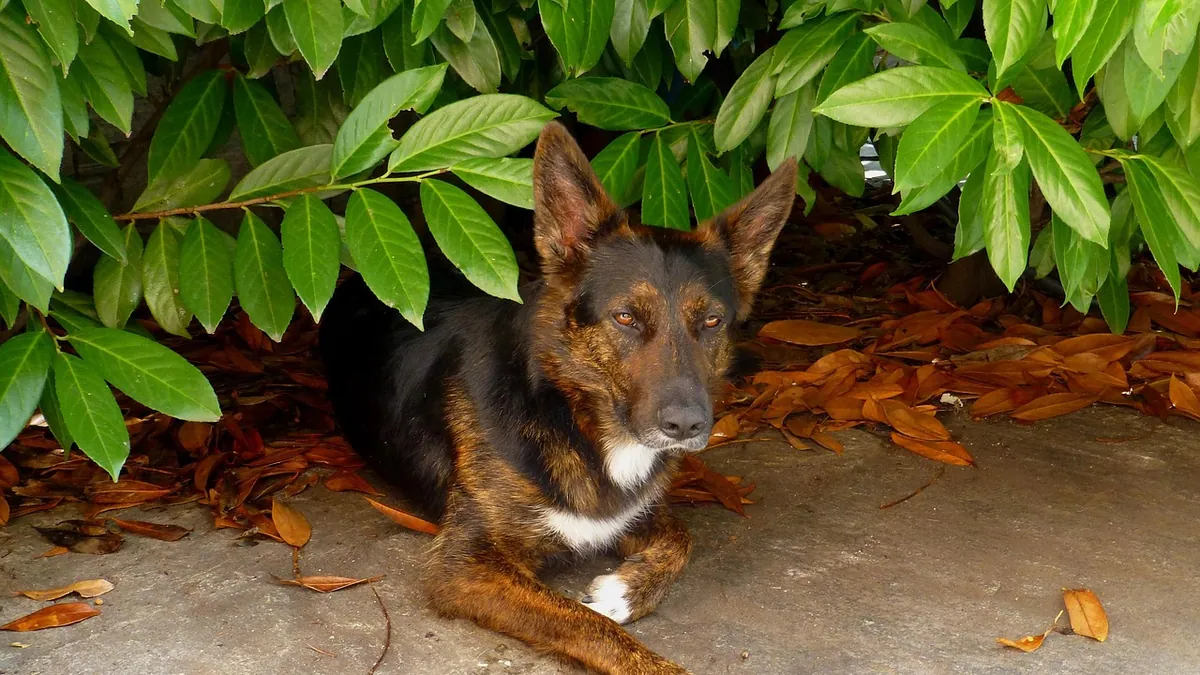
Knuckling in dogs after surgery means a paw flips under so the top of the foot rests on the floor. In most cases this comes from temporary swelling, bruising, bandaging, or medication effects on the nerves and muscles, and it improves over days to weeks. Sometimes the cause is a stretched or bruised nerve, and a smaller number of dogs have lasting deficits that need long-term management.
This article is educational and is not a substitute for veterinary diagnosis or treatment.
Quick Answer
- A knuckled paw right after surgery is common and often temporary. Swelling, bruising, bandages, and residual anesthesia or pain medication can all interfere with normal paw placement.
- True nerve damage is possible but less common. It depends on the surgery site, how long the nerve was compressed or stretched, and whether the nerve was cut.
- Call your veterinarian the same day you notice knuckling. They need to know when it started and whether it is getting better or worse.
- Keep your dog confined and on non-slip flooring. A dog that cannot feel or place a paw is at high risk of scraping, cuts, and falls.
- Do not remove a bandage or splint yourself. A cast or bandage that is too tight can cause nerve problems, and only your veterinarian should adjust it.
What Knuckling Looks Like and What Is Normal After Surgery
Knuckling is also called paw flipping. The paw curls under, and the dog walks on the knuckles or the top of the foot instead of the pads. You may see it only when your dog is tired, only on slick floors, or only when turning. Some dogs drag the toes and scuff the nails.
Proprioception is the sense that tells the brain where the paw is in space. When that sense is dull, the dog does not correct the paw before putting weight on it. This is called a proprioception deficit.
Some wobbling and weakness in the first 24 to 48 hours after anesthesia is expected. Dogs are often groggy, and their balance is off. What matters is the trend. A paw that knuckles less each day is reassuring. A paw that knuckles more, or that was normal yesterday and is knuckling today, needs a call to your veterinarian.
Swelling around an incision is common in the first days after surgery. In one review of dogs having anal sacculectomy, 15 percent of incisions had swelling and bruising on day 1, and 9 percent had complications such as discharge or opening of the incision later in recovery [1]. Swelling near a limb surgery can press on nerves and contribute to knuckling, even when the nerve itself is fine.
Why Knuckling Happens After Dog Surgery
Nerve Damage After Dog Surgery
Nerves can be bruised, stretched, or compressed during surgery. They can also be injured by scar tissue, swelling, or a tight bandage after surgery. A bruised or stretched nerve often recovers, but it recovers slowly. Nerves heal at roughly an inch per month in many species, so improvement can take weeks to months.
If a nerve was cut, recovery is much less likely. This is uncommon, and your surgeon usually knows if a major nerve was at risk during the procedure. Ask directly if you are unsure.
Swelling, Bruising, and Bandages
Fluid and bruising around a surgical site can change how nerves and muscles work. Bandages and splints add weight and stiffness, and a splint that is too tight can compress nerves. If knuckling started or got worse after a bandage change, tell your veterinarian right away.
Pain and Medication Effects
Pain makes dogs guard a limb and use it oddly. Opioids and other pain medications can also cause sedation and unsteady walking. This usually fades as the drugs wear off and comfort improves. If your dog seems painful despite medication, that is a reason to call, not to wait.
Muscle and Tendon Problems
Some gait abnormalities come from muscle contracture, not nerve damage. Infraspinatus contracture is a classic example. Early signs include sudden lameness, pain, and swelling in the shoulder area. The lameness then fades, but a gait abnormality appears 2 to 4 weeks after the injury as the muscle scars and tightens [2]. Dogs with this problem hold the elbow pulled in, the forelimb out, and the carpus and paw rotated outward, and they swing the limb in a circle with each step [2].
Biceps tendon tenosynovitis is another cause of limb oddness. It causes progressive or on-and-off lameness that is worse after exercise and better with rest, plus reduced shoulder range of motion and possible shoulder muscle wasting [2]. These conditions are not the same as a fresh post-op nerve deficit, but they show why a full exam matters.
Joint Stiffness and Implants
After joint surgery, stiffness and implant-related discomfort can change how a dog places a paw. In dogs having pancarpal arthrodesis, a wrist fusion procedure, the implant removal rate was 36.5 percent in one study of 52 procedures [3]. That is a reminder that hardware can cause ongoing problems, though it does not mean every dog with an implant will knuckle.
Table: Causes of Knuckling After Surgery
| Cause | Typical clues | How urgent |
|---|---|---|
| Temporary nerve bruising or stretching | Knuckling starts right after surgery, improves slowly over days to weeks, no worsening pain | Call same day, then recheck as scheduled |
| Swelling or bruising near the surgical site | Visible puffiness, bruising, warm skin, knuckling worse when swelling peaks | Call same day |
| Bandage or splint too tight | Swelling of toes, cold foot, chewing at the bandage, knuckling after a bandage change | Emergency now |
| Residual anesthesia or pain medication | Wobbly, sleepy, knuckling in the first 24 to 48 hours, improves as drugs wear off | Call same day if not improving |
| Pain guarding | Whining, reluctance to stand, tense limb, knuckling when tired | Call same day |
| Cut nerve | No improvement over weeks, no pain response in the paw, surgeon flagged nerve risk | Call same day, long-term plan needed |
| Muscle contracture (for example infraspinatus) | Lameness first, then a gait change 2 to 4 weeks later, limb swings outward [2] | Routine visit, but call if sudden |
| Implant or joint stiffness | History of joint surgery, stiffness, lameness that comes and goes | Routine visit |
Red Flags That Mean Emergency
Call an emergency clinic now if you see any of these:
- The foot is cold, pale, blue, or swollen below a bandage.
- Your dog cannot bear weight at all on the limb and is crying or panting.
- The incision is open, bleeding, or has pus or a bad smell.
- Your dog is dragging the limb and has scraped the paw until it bleeds.
- Your dog cannot stand or seems to have lost function in more than one limb.
- Your dog is vomiting, lethargic, or breathing fast.
Some post-op problems are rare but serious. A 6-month-old Bernese Mountain Dog developed bleeding into the abdomen and a twisted liver lobe 12 hours after surgery for a swallowed foreign body [4]. That case is unusual, but it shows why sudden lethargy or collapse after any surgery deserves immediate attention.
Safe Things You Can Do at Home While You Wait
Keep your dog on a short leash for potty breaks. No stairs, no jumping, no running. Confine your dog to a small area with non-slip rugs or yoga mats. Slick floors make knuckling worse and raise the risk of falls.
Check the paw several times a day. Look for scrapes, swelling, and nail damage. If your dog is knuckling, a soft protective bootie or a sock with tape can reduce scraping, but only if your veterinarian says it will not interfere with a bandage or splint.
Do not massage, stretch, or exercise the limb unless your veterinarian has shown you how. The wrong movement can damage a healing nerve or repair.
Give pain medication exactly as prescribed. Do not add human medications. Your veterinarian calculates the dose from your dog's weight and health.
Keep a simple log. Note the time you first saw knuckling, which paw, whether it happens all the time or only when tired, and whether it is better or worse than yesterday. This log helps your veterinarian decide if the problem is improving.
For general recovery tips, see Caring for a Dog After Surgery: Pain Management Rest and Wound Monitoring. If your dog is also coughing or gagging, read Why Is My Dog Coughing And Gagging After Surgery. If bowel habits have changed, Dog Constipation After Surgery: Causes and Safe Relief covers safe options.
What Your Veterinarian Will Check and Test
Your veterinarian will start with a hands-on exam. They will check the incision, the bandage, the paw, and the limb's circulation. They will test proprioception by turning the paw over and seeing if your dog corrects it. They will check reflexes, pain sensation, and muscle tone.
They may compare both sides and both limbs. A deficit on the surgical side only points to a local cause. Deficits in other limbs point to a spinal or whole-body problem.
If the cause is unclear, your veterinarian may recommend imaging. X-rays can check implants, bone healing, and joint position. Ultrasound can look at tendons and muscles. Advanced imaging such as MRI or CT may be needed if a spinal problem or deep nerve injury is suspected.
Blood work may be checked if infection, medication side effects, or other illness is a concern. If nerve damage is suspected, your veterinarian may refer you to a neurologist or a rehabilitation specialist.
Treatment depends on the cause. Options include adjusting or removing a bandage, changing pain medication, physical rehabilitation, laser therapy, and supportive splints. If a tight bandage is the problem, removing it quickly can reverse the deficit. If a nerve was cut, the focus shifts to protecting the paw and keeping your dog comfortable.
Prevention and Monitoring After Surgery
Follow discharge instructions closely. Keep bandages dry and clean. Check the toes below any bandage every day for swelling, coldness, or color change. Report changes the same day.
Attend every recheck. Early problems are easier to fix. If your dog had joint surgery, ask about range-of-motion exercises and when to start them. After some procedures, such as certain stifle surgeries, prevention of scar tissue matters because surgery to remove fibrous tissue and restore motion often does not work well, so keeping the joint moving after surgery is the priority [2].
Watch for a gait change that appears 2 to 4 weeks after an injury or surgery. That timing fits muscle contracture, and early treatment tends to work better [2]. If your dog had a limb surgery, ask whether a rehabilitation consult would help.
If your dog had a procedure in a sensitive area, know the expected complication rates. After total ear canal ablation and lateral bulla osteotomy, intraoperative bleeding occurred in 8 percent of dogs in one study [5]. After eye removal versus eye evisceration with a silicone prosthesis, complication rates were 15.3 percent and 54.1 percent respectively [6]. Knowing the baseline helps you judge what is normal for your dog's procedure.
Post-op complication grading systems exist to describe how serious a problem is. In one study comparing two grading systems for dogs having tibial plateau leveling osteotomy, the goal was to see whether the systems agreed on complication rates [7]. Your veterinarian may use similar language to describe your dog's knuckling as minor, major, or catastrophic. Ask what grade your dog's issue falls into and what that means for recovery.
Limitations and When to Contact a Veterinarian
This article cannot tell you whether your dog's knuckling is temporary or permanent. Only an exam can do that. Individual cases need a veterinarian.
Contact your veterinarian the same day if knuckling is new, if it is getting worse, if your dog seems painful, or if a bandage or splint looks or smells wrong.
Go to an emergency clinic now if the foot is cold or discolored, if the incision is open or bleeding, if your dog cannot stand, or if your dog is lethargic, vomiting, or breathing fast.
Schedule a routine visit if knuckling is mild, stable, and slowly improving, but mention it at your next recheck so it can be tracked.
Frequently Asked Questions
Will my dog's knuckling go away after surgery?
Often yes, if the cause is swelling, bruising, medication, or a bruised nerve. Nerves heal slowly, so give it weeks, not days. If there is no improvement or it gets worse, your veterinarian needs to recheck your dog.
How can I tell if my dog has nerve damage or just weakness?
You usually cannot tell at home. Weakness from pain or drugs improves as comfort and alertness improve. Nerve damage tends to persist and may come with reduced pain sensation in the paw. Your veterinarian can test this during an exam.
Is knuckling painful for my dog?
The knuckling itself is often not painful because sensation may be dull. The scrapes, cuts, and joint strain from walking on the wrong part of the foot can hurt. Protecting the paw helps prevent that.
Should I put a bootie or sock on the paw?
Sometimes. A soft cover can protect the skin from scrapes, but it can also slip, trap moisture, or interfere with a splint. Ask your veterinarian before adding anything to the foot.
Can physical therapy help my dog recover faster?
Rehabilitation can help with strength, balance, and paw placement in many cases. The right exercises depend on the surgery and the nerve involved. Ask your veterinarian for a referral to a rehabilitation specialist.
Related Articles
- Why Is My Dog Coughing And Gagging After Surgery
- Caring for a Dog After Surgery: Pain Management Rest and Wound Monitoring
- Dog Behavior Problems After Neutering
- Dog Constipation After Surgery: Causes and Safe Relief
- Surgical Approaches to the Canine Elbow: Techniques and Nuances
- Dog Neuter Recovery
- Knuckling in Dogs: Causes, Meaning, and Neurological Signs
- Knuckling in Dogs' Back Legs: Causes and Treatment Options
- How to Help a Dog With Knuckling: Treatment and Home Care
References
- Complications associated with modified closed anal sacculectomies using monopolar electrosurgery in 113 dogs. Journal of the American Veterinary Medical Association, 2025.
- Muscular Trauma in Dogs and Cats - Musculoskeletal System. Merck Veterinary Manual.
- Implant removal rate and contributing factors following pancarpal arthrodesis in 42 dogs (52 cases): a multicentric retrospective study. Acta veterinaria Scandinavica, 2025.
- Liver Lobe Torsion Following an Enterotomy for an Obstructive Foreign Body in a Puppy. Veterinary medicine and science, 2025.
- T-shape versus circular shape: a retrospective evaluation of intraoperative and postoperative complications in a cohort of 142 dogs undergoing TECA-LBO for end-stage otitis. The Journal of small animal practice, 2026.
- Enucleation versus evisceration with intraocular silicone prosthesis in dogs: Postoperative complication rate and owner satisfaction comparison. The Canadian veterinary journal = La revue veterinaire canadienne, 2026.
- Comparison of two postoperative complication grading systems following an elective orthopedic procedure in dogs. Frontiers in veterinary science, 2026.