Knuckling in Dogs When Lying Down: What It Means
By Dr. Zubair Khalid, DVM, MS, PhD ·
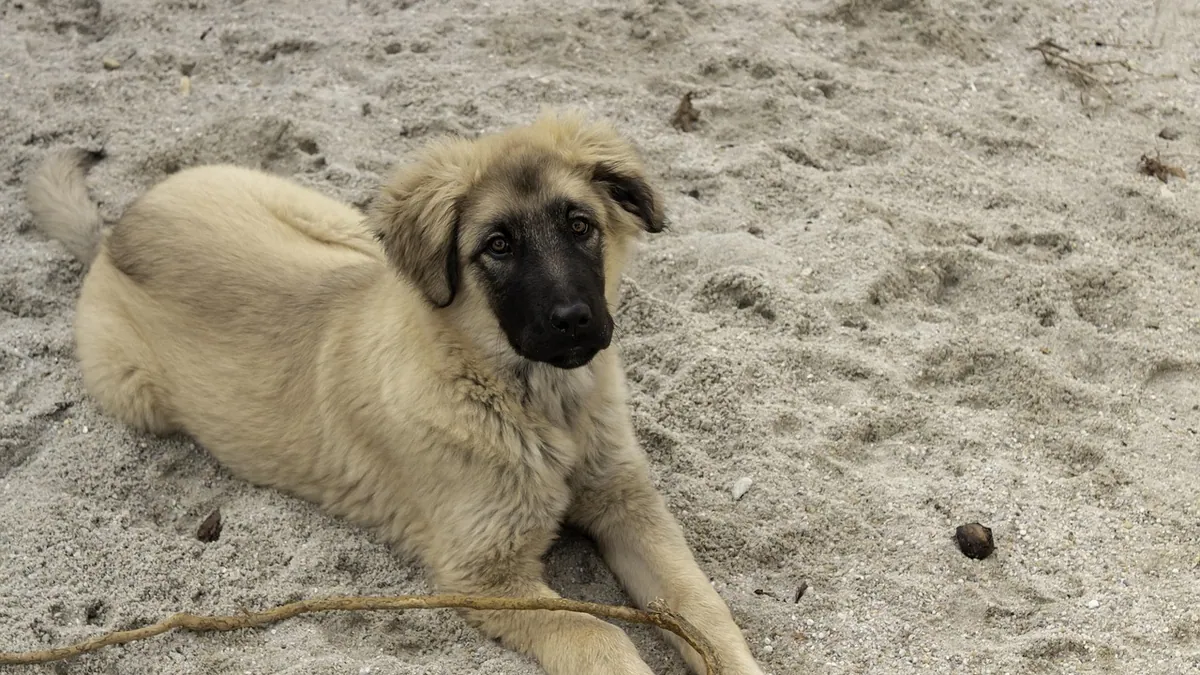
Knuckling in dogs when lying down means the top of the paw rests on the floor instead of the pads. Many dogs do this on purpose as a comfortable position and stand up normally. It only becomes a concern when the paw stays folded, drags, or the dog struggles to correct it.
This article is educational and is not a substitute for veterinary diagnosis or treatment.
Quick Answer
- A paw that folds under while your dog is relaxed and flips back to normal the moment your dog stands is usually positional and not an emergency.
- A paw that stays knuckled, scuffs, or drags when your dog walks points to a nerve or spinal problem and needs a veterinary visit.
- Video your dog standing up and taking a few steps. That clip is more useful to your vet than a description.
- Check for swelling, heat, a torn nail, or a wound on the paw before you assume the cause is neurological.
- Call your vet the same day if the knuckling is new, one-sided, or comes with weakness, wobbling, or pain.
What Knuckling Looks Like and What Is Normal
Knuckling is when a paw turns over so the topside of the foot contacts the ground. In a standing dog, this is almost always abnormal because the paw should land flat with the pads down. When your dog is lying down, the picture is murkier.
Dogs fold a front paw under the chest or tuck a rear leg beneath the body all the time. The limb is relaxed, the joints are flexed, and the paw ends up upside down or sideways against the floor. If your dog shifts position, stretches, or stands without a wobble, that is a resting posture, not a symptom.
The line between the two is what happens next. A positional fold corrects itself instantly when your dog puts weight on the leg. Neurological knuckling does not. The paw may stay flipped for a second or two after standing, scrape along the floor, or need a visible effort to right itself.
Owners often describe this as a dog paw folds under when lying down, or paw flipping when resting dog. Those phrases cover both situations, which is why the standing test matters more than the resting photo.
Positional Folding Versus Neurological Knuckling
Positional folding is a comfort habit. Dogs choose odd sleeping shapes, and a leg tucked under the body is one of them. There is no weakness, no pain, and no loss of paw awareness.
Neurological knuckling happens when the brain and the paw are not communicating well. The dog may not feel the paw's position clearly (a problem called proprioceptive deficit), or the muscles that right the foot may be too weak to respond. The result is a foot that lands wrong and stays wrong.
Proprioception is the sense of where a limb is in space. Vets test it by turning a paw over by hand and watching how fast the dog puts it back. A slow or absent correction is a real finding.
Agility research shows how much normal paw placement varies between dogs and between limbs. In one study of 296 dogs on the dog walk obstacle, front and rear paw placement patterns differed widely, and a slight majority of dogs (63%) hit the up ramp with the right foot first [1]. In a separate review of 1,377 runs at a national agility championship, dogs used five distinct weave pole styles with no single dominant pattern [2]. Normal movement is individual, and that is exactly why your vet compares one side to the other and compares today to your dog's baseline.
Main Causes of Knuckling in Dogs When Lying Down
| Cause | Typical clues | How urgent |
|---|---|---|
| Positional folding (normal) | Paw flips back the instant your dog stands, no weakness, no pain, same leg every time | Not urgent, mention it at the next routine visit |
| Paw or nail injury | Swelling, heat, a torn or split nail, licking, flinching when you touch the foot | Same day, sooner if bleeding will not stop |
| Nerve or nerve root problem in the front leg | Weakness in one front limb, reduced paw placement, trouble bearing weight | Same day to emergency, depending on severity |
| Spinal cord disease (neck or mid back) | Wobbling, crossed legs, knuckling in one or both rear legs, reluctance to move | Emergency if it started suddenly or is getting worse within hours |
| Brain or cranial nerve disease | Head tilt, trouble swallowing, voice change, coughing, gagging, facial droop | Same day, emergency if breathing is affected |
| Joint pain or arthritis | Stiff after rest, slow to rise, worse on cold mornings | Routine visit, sooner if pain is not controlled |
Nerve and spinal causes deserve the most attention because they can progress. A dog with a spinal cord lesion may first look like a dog whose leg folds under body while resting, then start scuffing the paw on walks.
In a case report of a 7-year-old Miniature Schnauzer, the dog developed progressive rear limb weakness and incoordination, lost postural reactions in both rear legs, and went from non-ambulatory to paraplegic within 24 hours [3]. That case involved a spinal cord mass, which is uncommon, but the timeline shows how fast a spinal problem can move.
Nerve problems are not limited to the spine. A 7-year-old Australian Shepherd was presented for sudden inability to stand, with absent hopping and paw placement and reduced withdrawal reflexes in both front legs. Imaging of the neck and spine was normal, and ultrasound found tears of the triceps tendon at its insertion on both sides [4]. The lesson is that a paw that will not right itself can come from the muscle and tendon, not only the nerves.
Cranial nerve disease can also show up in ways owners do not expect. In a study of 14 dogs with jugular foramen syndrome, common complaints included coughing, retching, head tilt, and laryngeal stridor, and postural reaction deficits were found in 5 of 11 dogs with neurologic abnormalities [5]. That is a rare condition, but it shows that paw placement problems can travel with signs in the head and throat.
If your dog also cries or resists lying down, that pain pattern is covered in Why Is My Dog crying when lying down? Arthritis Disc Disease and Pain Guide. If the problem shows up as a front leg limp after rest, see Dog Limping Front Leg After Laying Down.
Red Flags That Make It an Emergency
Go to an emergency clinic now if you see any of these:
- Sudden inability to stand or walk
- Knuckling that appears in one or more legs within hours
- Loss of bladder or bowel control
- A leg that is limp, cold, or dragged
- Breathing changes, choking, or a voice change along with the paw problem
- Crying, panting, or trembling that does not settle
- A wound, bite, or cut on the paw with heavy bleeding
Call your vet the same day, even if it is not an emergency, when the knuckling is new, one-sided, or your dog seems weak or unsteady. Sudden rear limb weakness with incoordination is a classic reason to seek care quickly, since spinal cases can worsen within 24 hours [3].
Safe Things You Can Do at Home While You Wait
Keep your dog quiet and limit stairs, slick floors, and jumping. A dog that cannot feel a paw is more likely to slip.
Put rugs or yoga mats along the paths your dog uses most. Traction reduces the chance of a fall and makes it easier to see whether the paw corrects on a grippy surface.
Check the paw itself. Look between the toes, at the nails, and at the pad. Note any swelling, discharge, torn nail, or tenderness. Do not cut or pull anything out of the paw.
Video the problem. Record your dog lying down, then standing, then walking five or six steps on a hard floor. Capture the moment the paw flips. This is the single most helpful thing you can bring to the appointment.
Do not give human pain medications. Many are toxic to dogs, and the dose depends on your dog's weight and health. Your veterinarian calculates any medication dose for your pet.
Do not massage or stretch a limb that might be injured or unstable. If your dog pulls away, stop.
Keep a simple log. Write down when you first noticed it, which leg or legs, whether it happens only at rest or also when walking, and whether your dog seems painful. Bring the log with you.
If your dog shows head shaking or facial twitching at rest, that is a different pattern and is covered in Dog Head Shaking While Lying Down. If the episodes look like a snorting fit, see Dog Reverse Sneeze Lying Down.
What Your Veterinarian Will Check and Test
Your vet starts with a full physical and neurologic exam. Expect them to watch your dog walk, turn, and stand. They will flip each paw by hand and time how quickly your dog corrects it. They will compare left to right and front to rear.
They will also check spinal reflexes, muscle tone, and pain along the neck and back. Reflex testing helps localize where a problem sits. In the triceps tear case, the front limbs had absent hopping and paw placement with reduced withdrawal reflexes, while the rest of the neurologic exam was normal, which pointed the workup toward the limb instead of the spine [4].
If the exam suggests a spinal or brain lesion, imaging is the next step. MRI is commonly used to look at the spinal cord and brain. In the Miniature Schnauzer case, MRI found a solitary lesion in the thoracolumbar cord with severe spinal cord swelling, and cerebrospinal fluid analysis showed a severe mononuclear pleocytosis with markedly increased protein [3].
Blood work and urine testing are often done to rule out other causes and to check that your dog is safe for sedation or anesthesia if imaging is needed.
If the neurologic exam is normal, your vet may focus on the limb itself. Ultrasound can evaluate muscles and tendons, as it did in the bilateral triceps tear case [4]. X-rays can check for fractures, joint disease, and bone changes.
Treatment depends entirely on the cause. Some dogs need rest and anti-inflammatory medication. Some need surgery. Some need referral to a neurologist. Your vet will set the plan based on the exam and test results.
Prevention and Monitoring
There is no way to prevent every cause of knuckling, but you can catch problems earlier.
- Keep nails trimmed so the paw lands flat.
- Keep your dog at a healthy weight to reduce strain on joints and the spine.
- Use traction on slick floors, especially for older dogs.
- Watch your dog stand after naps. The first few steps show the most.
- Note any change in gait, stamina, or willingness to jump.
- Recheck with your vet if a resting fold becomes a walking problem.
If your dog limps after sleeping but seems fine later in the day, that pattern is worth tracking and is discussed in Why Is My Dog Limping Front Leg After Sleeping.
Limitations and When to Contact a Veterinarian
This article cannot tell you which cause applies to your dog. Only an exam can do that, and individual cases need a veterinarian.
Contact your vet the same day if the knuckling is new, affects one side more than the other, or comes with weakness, wobbling, or pain.
Go to an emergency clinic now if your dog cannot stand, loses bladder or bowel control, has trouble breathing, or gets worse over hours.
Book a routine visit if the folding only happens at rest, your dog stands and walks normally, and there is no pain or weakness. Bring your video and your log so your vet can compare what you see at home with what they see in the clinic.
Frequently Asked Questions
Is it normal for a dog to fold a paw under while lying down?
Yes, it can be completely normal. Many dogs tuck a paw under the chest or body for comfort, and the paw returns to a flat position as soon as they stand. It is only a concern when the paw stays folded, drags, or your dog has trouble correcting it.
How can I tell positional knuckling from a nerve problem at home?
Watch your dog stand and take several steps on a non-slip surface. A positional fold corrects instantly and the gait looks normal. A nerve problem shows up as a paw that stays flipped, scuffs, or crosses, and your dog may wobble or tire quickly.
Should I worry if my dog only knuckles when relaxed?
Not automatically. If it happens only at rest, always on the same leg, and your dog walks and runs normally, it is often just a preferred position. Mention it at your next vet visit, and call sooner if anything changes.
Can arthritis cause a dog's paw to fold under?
Arthritis causes stiffness and pain, and a painful dog may hold a limb in an odd position while resting. True knuckling during walking is more often a nerve or spinal issue, so your vet will examine the joints and the nervous system to sort out which one is driving the sign.
What should I bring to the vet appointment?
Bring a short video of your dog lying down, standing, and walking, plus a written log of when the sign started and which legs are involved. Note any pain, weakness, or changes in appetite and bathroom habits. This information helps your vet decide how urgent the problem is and what testing to recommend.
Related Articles
- Dog Head Shaking While Lying Down
- Dog Limping Front Leg After Laying Down
- Why Is My Dog crying when lying down? Arthritis Disc Disease and Pain Guide
- Dog Reverse Sneeze Lying Down
- Why Is My Dog Limping Front Leg After Sleeping
- Why Is My Dog Limping? A Practical Vet Guide
- Knuckling in Dogs: Causes, Meaning, and Neurological Signs
- Knuckling in Dogs' Back Legs: Causes and Treatment Options
- How to Help a Dog With Knuckling: Treatment and Home Care
References
- Evaluation of variability in performance and paw placement patterns by dogs completing the dog walk obstacle in an agility competition. PloS one, 2024.
- Evaluation of Variability in Gait Styles Used by Dogs Completing Weave Poles in Agility Competition and Its Effect on Completion of the Obstacle. Frontiers in veterinary science, 2021.
- Case Report: Spinal intramedullary fungal granuloma: clinical findings, surgery, and outcome in a dog. Frontiers in veterinary science, 2026.
- Case report: Nonsimultaneous bilateral triceps tendon rupture and surgical repair in a healthy dog. Frontiers in veterinary science, 2023.
- Jugular Foramen Syndrome: Concurrent Neurological Deficits, Advanced Imaging Findings, Underlying Diagnoses, and Outcomes in 14 Dogs (2016-2024). Journal of veterinary internal medicine, 2025.