Kitten Not Sleeping? Causes and When to Worry
By Dr. Zubair Khalid, DVM, MS, PhD ·
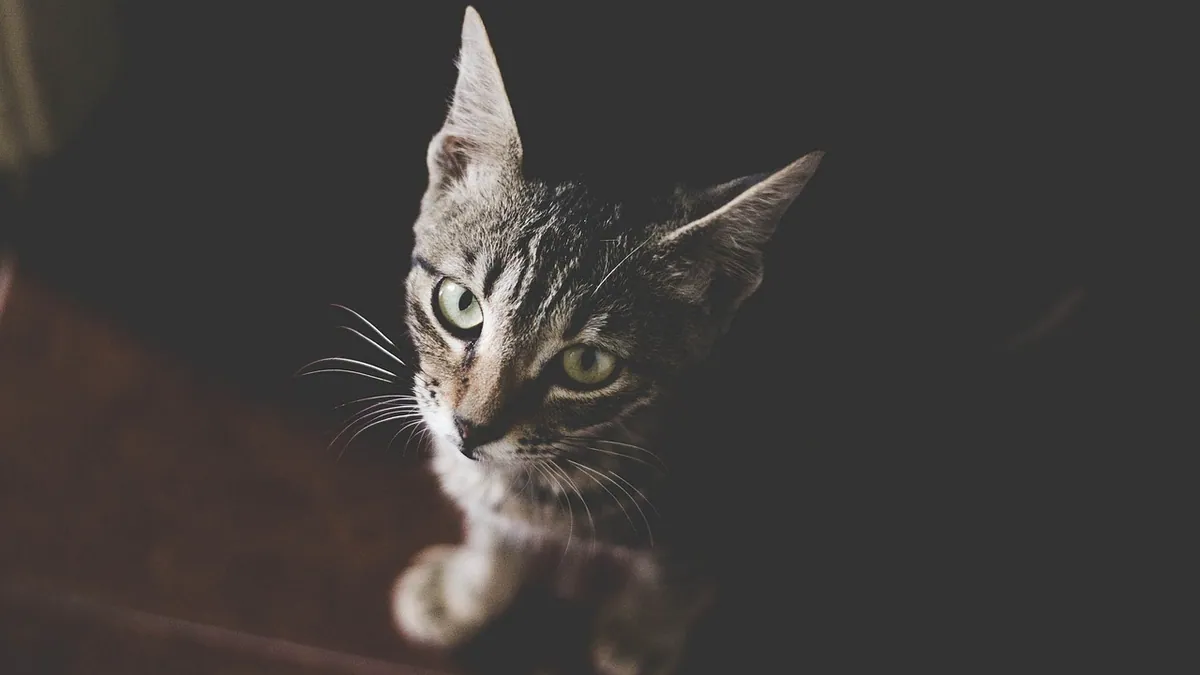
Kittens sleep a lot, but their schedule rarely matches yours. A kitten not sleeping through the night is often completely normal, especially in the first few months. The real question is whether your kitten is sleeping enough overall, and whether anything else about her behavior or body seems off.
This article is educational and is not a substitute for veterinary diagnosis or treatment.
Quick Answer
- Young kittens sleep most of the day and night in short bursts, so a kitten who wakes you at 3 a.m. is usually behaving normally for her age.
- Sudden changes in sleep, especially with crying, pacing, hiding, or refusing food, deserve a closer look.
- Pain, illness, hunger, parasites, and a too-quiet daytime routine are common reasons a kitten will not settle.
- Keep the room dark, offer a warm sleeping spot, and play with your kitten before bed instead of punishing nighttime activity.
- Call your veterinarian the same day if poor sleep comes with vomiting, diarrhea, straining to urinate, limping, or trouble breathing.
What Normal Kitten Sleep Looks Like
Kittens sleep far more than adult cats. Newborns and very young kittens spend most of each day asleep, waking mainly to eat. As kittens grow, sleep becomes more organized into cycles that include both slow-wave sleep and paradoxical sleep, the stage linked to dreaming and rapid eye movements [1].
That sleep architecture is still maturing in the first weeks of life. Researchers studying brain activity in kittens found that a key marker of paradoxical sleep first appeared around 16 days after birth, with an average onset near day 19, and it became stronger over the following weeks [1]. In plain terms, your kitten's brain is still learning how to sleep well.
What "not sleeping" usually looks like
Owners often describe one of these patterns:
- Kitten not sleeping at night. She naps all evening, then treats your bedroom like a playground from midnight to dawn.
- Kitten not sleeping enough. She seems wired, overtired, or fussy, and never settles for long stretches.
- Kitten not napping. She fights sleep during the day and becomes cranky or nippy.
- Cat not sleeping. An older kitten or adult cat who suddenly changes sleep habits.
The last one matters most. A young kitten with a chaotic schedule is expected. A cat who was sleeping fine and now cannot rest is a different situation.
How much sleep is typical
There is no single correct number for every kitten. Age, health, play, and environment all shift the total. What you can track is your kitten's personal baseline. If she normally sleeps in long blocks and suddenly cannot, that change is the signal, not the clock.
Main Causes of a Kitten Not Sleeping
Most sleep problems in kittens fall into a few buckets: normal developmental energy, environment, and medical issues. The table below can help you sort them.
| Cause | Typical clues | How urgent |
|---|---|---|
| Normal kitten energy and reversed schedule | Wakes at night, plays hard, eats and uses the litter box normally | Not urgent, adjust routine |
| Hunger or growth spurt | Cries, searches for food, settles after eating | Not urgent, feed on schedule |
| Boredom or too little daytime play | Destructive at night, calmer after play sessions | Not urgent, add play |
| Environmental stress or fear | Hiding, pacing, overgrooming, startles easily | See vet if it persists |
| Pain (injury, dental, abdominal) | Limping, crying when touched, hunched posture, restless | Same-day vet visit |
| Illness (infection, parasites, fever) | Poor appetite, vomiting, diarrhea, weight loss, dull coat | Same-day vet visit |
| Urinary blockage or urinary pain | Frequent trips to the box, straining, crying, little urine | Emergency now |
| Breathing difficulty | Fast or open-mouth breathing, blue gums, reluctance to lie down | Emergency now |
Normal kitten energy and a flipped schedule
Kittens are crepuscular, meaning they are most active around dawn and dusk. If you are gone all day and your kitten sleeps, she will be ready to party when you are ready for bed. This is the single most common reason for a kitten not sleeping at night.
Hunger and growth
Growing kittens burn a lot of calories. A kitten who wakes and cries may simply be hungry, especially if she is underweight or was recently weaned. Feeding a meal close to bedtime often helps.
Stress and fear
Cats are sensitive to their environment. Research on owner-cat interactions found that passive, gentle contact raised oxytocin and lowered cortisol, while forced interactions did the opposite [2]. If your kitten is being handled more than she likes, or if the home is loud and busy, her stress hormones can stay elevated and disrupt rest.
Pain and illness
A kitten who cannot get comfortable may be hurting. Watch for limping, sensitivity to touch, or a hunched posture. Illness can also show up as restlessness before any other sign. If your kitten is also not eating or seems lethargic, those are strong reasons to call your vet.
Parasites and skin irritation
Fleas, ear mites, and intestinal worms can keep a kitten itchy and unsettled. These are common in young kittens and easy for a veterinarian to check.
Urinary and digestive problems
A kitten who keeps waking and visiting the litter box may have urinary or digestive discomfort. Straining to urinate with little or no urine is a life-threatening emergency in cats. If you see frequent trips, crying, or blood, treat it as urgent and read more about frequent urination.
Light and day-night cues
Cats rely on light to set their internal clocks. Research on lighting in cats shows that day length affects their reproductive cycling and melatonin levels, which are part of the body's timing system [3]. A room that is bright at night or dark all day can confuse a kitten's rhythm. Keeping days bright and nights dark helps.
Red Flags That Mean Emergency
Some signs should never wait for a morning appointment. Go to an emergency clinic now if your kitten has any of these:
- Open-mouth breathing, fast breathing at rest, or blue or pale gums. Breathing trouble can be subtle, and you can read more about fast breathing during sleep.
- Straining to urinate with little or no urine, especially in a male kitten.
- Collapse, seizures, or unresponsiveness.
- Repeated vomiting, bloody diarrhea, or a swollen, painful belly.
- Crying out in pain or a limb that cannot bear weight.
- Known or suspected poisoning, or contact with a toxic substance.
For poison emergencies in the United States, call the ASPCA Animal Poison Control Center at (888) 426-4435 or the Pet Poison Helpline at (855) 764-7661. Both may charge a consultation fee.
What You Can Do at Home While You Wait
These steps are safe and may help while you arrange a vet visit or work on your kitten's routine.
Build a daytime routine
Play with your kitten in several short sessions during the day, with a longer one in the evening. End with a meal. A tired, fed kitten sleeps better.
Make nights boring
Keep the room dark and quiet. Do not turn on lights or play when she wakes you. Responding with attention teaches her that nighttime is fun.
Offer a warm, safe bed
Kittens like warmth and a sense of cover. A soft bed in a quiet corner, away from drafts and loud appliances, often helps.
Check the basics
Confirm she is eating, drinking, and using the litter box normally. Weigh her if you have a kitchen scale. A kitten losing weight is a medical concern.
Keep handling gentle
Let your kitten choose contact. Passive, calm interaction supports lower stress hormones [2]. Forced cuddling can backfire.
Do not give medication on your own
Never give a kitten human or leftover pet medication for sleep or anxiety. Some drugs used in cats are given orally, but the choice and dose depend on the individual cat and must come from a veterinarian [4]. Your vet calculates any dose from your kitten's weight and health.
What Your Veterinarian Will Check and Test
Your vet will start with a full physical exam, including weight, temperature, heart and lung sounds, belly palpation, and a look at the teeth, ears, eyes, and skin. They will ask about diet, litter box habits, play, and your home routine.
Depending on findings, they may recommend:
- Fecal testing for intestinal parasites.
- Skin or ear checks for fleas and mites.
- Blood work to look for infection, anemia, or organ problems.
- Urine testing, especially if litter box behavior changed.
- X-rays or ultrasound if pain or a blockage is suspected.
Vaccination status matters here too. Kittens get protective antibodies from their mother, and those fade over time, so vaccinations usually begin at 2 to 3 months of age and follow a set schedule [5]. Keeping your kitten away from unvaccinated cats until the vaccine series is complete lowers her risk of serious disease [5].
If your kitten is hiding, tense, or refusing food along with poor sleep, that combination deserves a prompt exam. You can read more about hiding and not eating.
Prevention and Monitoring
Good sleep habits start early. Feed measured meals on a consistent schedule, keep play predictable, and give your kitten a quiet place to rest. Keep the litter box clean and easy to reach.
Track a few simple things in a notebook or phone:
- How much she eats and drinks each day.
- Litter box output and any changes.
- Sleep blocks, including when she wakes and for how long.
- Weight, if you can measure it.
- Any new signs like vomiting, limping, or crying.
Bring these notes to your vet visit. Patterns are often more useful than a single observation.
Finally, keep preventive care current. Regular checkups, parasite control, and vaccines on schedule protect your kitten's health and make sleep problems easier to spot early [5].
Limitations and When to Contact a Veterinarian
This guide cannot tell you what is wrong with your individual kitten. Only a veterinarian who examines her can do that. Use the timing below as a guide.
Emergency now: trouble breathing, collapse, seizures, straining to urinate with no urine, repeated vomiting, bloody diarrhea, a swollen painful belly, or suspected poisoning.
Same day: crying or pacing that will not stop, limping, refusing food, hiding and not eating, vomiting once or twice, diarrhea, or a sudden change in sleep with any other symptom.
Routine visit soon: ongoing nighttime waking with a normal appetite and energy level, mild itching or scratching, or a schedule problem you cannot fix with routine changes.
Routine visit: any kitten who has not had a full checkup, or who is due for vaccines or parasite prevention [5].
If you are unsure, call your veterinarian. A phone call is free, and it is better to ask than to wait.
Frequently Asked Questions
Is it normal for a kitten to be awake all night?
Yes, for many young kittens this is normal. Kittens are naturally most active at dawn and dusk, so a kitten who sleeps all day will often be awake at night. Building a daytime play and feeding routine usually improves this within a few weeks.
How can I tell if my kitten is not sleeping enough?
Watch her behavior, not just the clock. A kitten who is overtired may be fussy, nippy, or unable to settle, while one who is sleeping enough is calm and playful when awake. If she seems unwell, weak, or refuses food, that points to a medical problem instead.
Can pain keep a kitten from sleeping?
Yes. Pain is a common reason a kitten cannot get comfortable or keeps shifting positions. Limping, crying when touched, a hunched posture, or sensitivity around the belly are clues. Any of these warrant a same-day veterinary visit.
Should I give my kitten something to help her sleep?
No. Never give a kitten human sleep aids, antihistamines, or leftover pet medications. Some sedatives and anxiolytics are used in cats, but a veterinarian must choose the drug and calculate the dose based on your kitten's weight and health [4].
When should I call the vet about poor sleep?
Call the same day if poor sleep comes with vomiting, diarrhea, refusing food, hiding, limping, or straining in the litter box. Call an emergency clinic immediately for breathing trouble, collapse, seizures, or a kitten who cannot urinate. If sleep is the only problem and your kitten is otherwise well, a routine visit is reasonable.
Related Articles
- Cat Not Eating? When to Worry and What to Do
- Cat Lethargy: When to Worry and What to Do
- Cat Hiding and Not Eating: When to Worry
- Cat Breathing Fast While Sleeping: When to Worry
- Cat Urinating Frequently: Causes and When to Worry
- Cat Vomiting at Night: Causes and When to Worry
- Why Is My Kitten Sleeping So Much? Normal vs Not
- Kitten Not Playful? Reasons and When to Worry
- Kitten Not Eating Much and Sleeping a Lot: What It Means
References
- Ontogenetic development of ponto-geniculo-occipital waves during paradoxical sleep in kittens. Sleep, 2025.
- EXPRESS: The hormonal effects of owner-cat interactions on pet cats of different potential attachment styles. Journal of feline medicine and surgery, 2026.
- Comparison of Different Lighting Protocols on Female Cat Reproduction. Reproduction in domestic animals = Zuchthygiene, 2026.
- Oral use of anxiolytic, sedative, and anaesthetic medications in domestic cats (Felis catus): A scoping review. Veterinary journal (London, England : 1997), 2026.
- Kitten Care - Cat Owners. Merck Veterinary Manual.