Is Jaundice in Cats Contagious? What Owners Should Know
By Dr. Zubair Khalid, DVM, MS, PhD ·
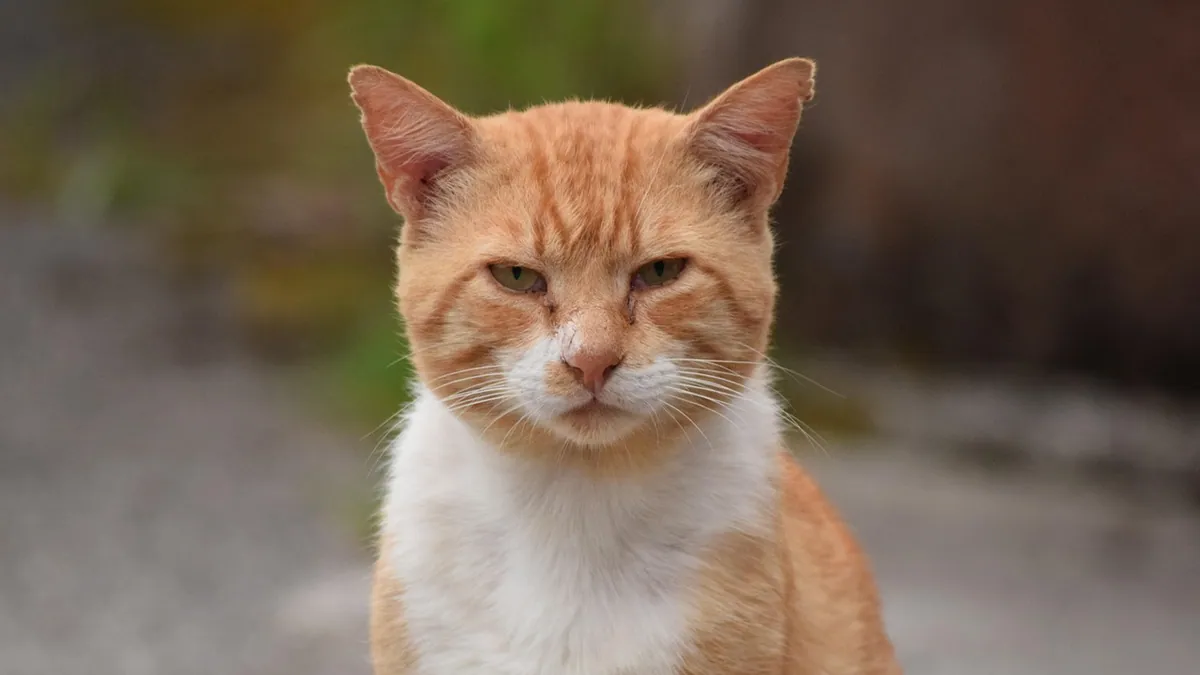
Jaundice in cats contagious? No. Jaundice itself is a sign of an underlying problem, not an infection you can catch or pass to another pet. What can spread in a multi-cat home is the disease causing the yellow color, and only some of those diseases are contagious.
This article is educational and is not a substitute for veterinary diagnosis or treatment.
Quick Answer
- Jaundice (yellow gums, skin, or eyes) is a symptom, not a disease, so it cannot be transmitted from cat to cat.
- The color comes from bilirubin, a yellow pigment that builds up when the liver, bile ducts, or red blood cells are not working normally.
- A few causes of jaundice in cats are infectious and can spread to other cats, including feline infectious peritonitis (FIP) and a hepatitis B-like virus called domestic cat hepadnavirus [1][2].
- Most common causes, such as hepatic lipidosis (fatty liver), are not contagious to other cats or to people [3].
- Any cat with yellow gums needs a veterinary exam, because jaundice is always a sign of serious illness.
What Jaundice Looks Like and What Is Normal
Jaundice, also called icterus, is a yellow tint to the gums, the inside of the eyelids, the skin of the ears and belly, and sometimes the whites of the eyes. In a healthy cat, the gums are pink, the eye whites are white, and the skin is its normal color.
You may notice jaundice before you notice anything else, or you may first see a sick cat who is eating less, sleeping more, or losing weight. A cat with severe liver injury can have markedly high liver enzymes and a total bilirubin of 5.5 mg/dl or more, which is well above normal [3]. Mild hyperbilirubinemia can also appear with acute liver damage from other causes [4].
Bilirubin is made when old red blood cells break down. The liver processes it and sends it out through bile. Jaundice appears when too much bilirubin is made, when the liver cannot process it, or when bile cannot flow out of the liver. Each of those situations points to a different set of causes.
Main Causes of Jaundice in Cats
Is Cat Jaundice Contagious From One Cat to Another?
The yellow color is not contagious. The infection behind it may be. This is the part that matters most in a home with more than one cat.
Some infectious causes of jaundice can pass between cats. Feline infectious peritonitis is caused by a coronavirus that spreads between cats, and it can affect the liver and cause jaundice [2]. Domestic cat hepadnavirus is a hepatitis B-like virus found naturally in cats, and researchers are still working out how much liver disease it causes and how it spreads [1]. Other liver infections, including some bacterial infections, may also be transmissible in certain situations.
Many causes are not contagious at all. Hepatic lipidosis, the most common liver disease in cats, happens when a cat stops eating and fat floods the liver. It is not spread from cat to cat [3]. Toxin exposure, some cancers, and bile duct blockage are also not contagious.
| Cause | Typical clues | How urgent |
|---|---|---|
| Hepatic lipidosis (fatty liver) | Overweight cat, recent anorexia, vomiting, jaundice, very high ALT and AST [3] | Emergency, same day |
| Feline infectious peritonitis (FIP) | Fever, weight loss, fluid in the belly or chest, jaundice, young or stressed cats [2] | Emergency, same day |
| Domestic cat hepadnavirus | Chronic liver enzyme changes, possible hepatitis, often found on blood testing [1] | Urgent, within a day or two |
| Severe acute liver injury | Fever, lethargy, not eating, high ALT and AST, mild jaundice [4] | Emergency, same day |
| Septic peritonitis or pyothorax | Fever, painful belly or trouble breathing, jaundice from infection and inflammation [5] | Emergency, immediately |
| Toxin or drug reaction | Known exposure, sudden illness, jaundice | Emergency, immediately |
| Bile duct blockage or cancer | Gradual jaundice, weight loss, sometimes vomiting | Urgent, same day |
Septic peritonitis and pyothorax are serious bacterial infections in the abdomen or chest. Cats with these conditions can develop hyperbilirubinemia even without primary liver or biliary disease, and the degree of bilirubin rise relates to how sick they are [5]. These infections are not casually contagious between cats, but they are life threatening for the cat who has them.
Red Flags That Make It an Emergency
Call an emergency clinic right away if your cat has any of these:
- Yellow gums, skin, or eyes
- Not eating for more than 24 hours, especially in an overweight cat
- Vomiting that will not stop, or vomiting bile
- A swollen or painful belly
- Trouble breathing or open-mouth breathing
- Collapse, weakness, or confusion
- A fever with lethargy
- Known or suspected exposure to a toxin, human medication, or a toxic plant
Jaundice in a cat is never a wait-and-see problem. The sooner your cat is examined, the more treatment options remain.
Safe Things You Can Do at Home While Waiting
You cannot treat jaundice at home, but you can keep your cat stable and comfortable until the appointment.
- Do not give any human medication. Acetaminophen and ibuprofen are toxic to cats.
- Offer small amounts of your cat's usual food and fresh water. Do not force feed unless your veterinarian tells you to.
- Keep your cat indoors and away from other pets if you have a multi-cat home, especially if an infection is suspected.
- Note the time your cat last ate, any vomiting, and any possible toxin exposure. Bring that timeline to the visit.
- Keep litter boxes separate and wash your hands after handling your cat.
- Do not try home remedies, supplements, or liver tonics. Some can make liver disease worse.
If your cat is vomiting repeatedly or seems painful, skip the home care and go straight to the clinic. For more on when vomiting needs a vet, see Cat Vomiting Bile: Causes and When to Call the Vet.
What Your Veterinarian Will Check and Test
Your veterinarian will start with a full physical exam, including the color of the gums and the feel of the belly. Then they will likely recommend blood work.
A complete blood count can show anemia, infection, or inflammation. Cats with FIP often have moderate leukocytosis, neutrophilia, lymphopenia, and anemia before treatment [2]. A chemistry panel measures liver enzymes such as ALT and AST and total bilirubin. Cats with severe acute liver injury can have markedly high ALT and AST with mild hyperbilirubinemia [4]. Cats with hepatic lipidosis can have ALT in the thousands and total bilirubin well above normal [3].
Your veterinarian may also recommend:
- A bile acids test to check liver function
- An ultrasound to look at the liver, gallbladder, and bile ducts
- Testing for FIP, hepadnavirus, or other infections if the history and exam point that way [1][2]
- A liver biopsy or fine needle sample in some cases
- Testing for toxins if exposure is possible
Treatment depends on the cause. Supportive care, fluids, anti-nausea medication, appetite support, and nutritional support are common. Cats with FIP are now treated with antiviral therapy, and successful treatment leads to major improvements in blood values [2]. Cats with hepatic lipidosis need aggressive nutritional support, and some cases need long-term management [3]. Your veterinarian will calculate every medication dose from your cat's weight and health, so never use a dose from the internet or a previous prescription.
Preventing Spread in a Multi-Cat Home
If your cat's jaundice is caused by an infection, the other cats in the home may be at risk. Ask your veterinarian which infection you are dealing with and what precautions make sense.
General steps that help with many cat-to-cat infections:
- Keep the sick cat in a separate room with its own food, water, and litter box.
- Wash your hands before and after handling each cat.
- Do not share bowls, bedding, or toys between cats while the illness is active.
- Clean litter boxes daily and disinfect them.
- Keep vaccinations current for the cats who can receive them.
- Bring new cats to the vet before introducing them to the household.
Some contagious cat diseases show up in other ways. If you are also seeing skin or ear problems in your household, these guides can help you sort out what needs a vet visit: Ringworm In Cats, Cat Ear Infection with Itching: Safe Ways to Help Your Cat, and Ear Infections In Cats Symptoms. For respiratory signs that can also spread between cats, see Cat Sneezing a Lot: Allergies, Infection, or Something Else?.
Monitoring a Cat Who Has Had Jaundice
After treatment, your cat will need follow-up blood work. Liver values can take weeks to normalize, and some cats need monitoring for months. A cat treated for severe acute liver injury can be alive with normal ALT and AST values many months later, which shows that recovery is possible with good care [4].
Watch for these at home:
- Return of yellow gums or eyes
- Loss of appetite
- Weight loss
- Vomiting or diarrhea
- Lethargy or hiding
Report any of these to your veterinarian right away. Keep all follow-up appointments, even if your cat looks well. Blood work catches problems before you can see them.
Limitations and When to Contact a Veterinarian
This article gives general information only. Every cat with jaundice needs an individual veterinary evaluation, because the cause, treatment, and outlook differ from cat to cat.
Contact your veterinarian the same day if you notice yellow gums or eyes, if your cat has stopped eating, or if your cat is vomiting. Go to an emergency clinic immediately if your cat is breathing hard, collapsing, has a painful or swollen belly, or has a known toxin exposure. Schedule a routine visit if your cat has had liver disease before and you want to check blood work, or if you are adding a new cat to a home with a cat who has a chronic infection.
Frequently Asked Questions
Can my other cats catch jaundice from my cat?
No, jaundice is a sign, not an infection, so it cannot be passed from cat to cat. However, the disease causing the jaundice may be contagious, so ask your veterinarian whether your other cats need testing or separation.
Can I catch jaundice from my cat?
People do not catch jaundice from cats. Some infections that cause liver disease in cats are not known to infect people, but a few cat infections can affect humans, so good hand washing is always wise.
Do yellow gums always mean liver disease?
No, yellow gums mean bilirubin is building up, which can happen from liver disease, bile duct blockage, red blood cell destruction, or severe infection elsewhere in the body [5]. Your veterinarian needs blood work and imaging to find the cause.
Is hepatic lipidosis contagious to my other cats?
No, hepatic lipidosis is not contagious. It develops when a cat stops eating and the liver becomes overloaded with fat, and it is a life-threatening condition that needs urgent nutritional support [3].
How long does jaundice take to go away in a cat?
It depends on the cause and how quickly treatment starts, and there is no single timeline that fits every cat. Some cats improve within days of supportive care, while others need weeks of treatment and follow-up blood work [4][3].
Related Articles
- Ringworm In Cats
- Cat Ear Infection with Itching: Safe Ways to Help Your Cat
- Ear Infections In Cats Symptoms
- Cat Sneezing a Lot: Allergies, Infection, or Something Else?
- Cat Vomiting Bile: Causes and When to Call the Vet
- Toxoplasma in Cats: Zoonotic Risk and Immunocompromised Owners
- Liver Disease in Cats: Symptoms, Causes and Jaundice
- Jaundice in Cats: Causes, Meaning and What Comes Next
- How Long Can a Cat Live With Jaundice? Survival and Outlook
References
- Domestic Cat Hepadnavirus, a Hepatitis B-like Virus Associated with Feline Liver Disease. The Veterinary clinics of North America. Small animal practice, 2025.
- Evaluation of selected inflammatory markers in cats with feline infectious peritonitis before and after therapy. BMC veterinary research, 2025.
- Successful management of recurrent feline hepatic lipidosis with equine placenta extract supplementation: A case report. Open veterinary journal, 2026.
- Blue-Green Neutrophilic Inclusions in a Cat With Severe Hepatocellular Injury. Veterinary medicine and science, 2026.
- Retrospective Evaluation of Hyperbilirubinemia in Cats and Dogs With Septic Peritonitis or Pyothorax. Journal of veterinary emergency and critical care (San Antonio, Tex. : 2001), 2025.