Jaundice in Cats: Yellow Eyes, Ears, and Gums Explained
By Dr. Zubair Khalid, DVM, MS, PhD ·
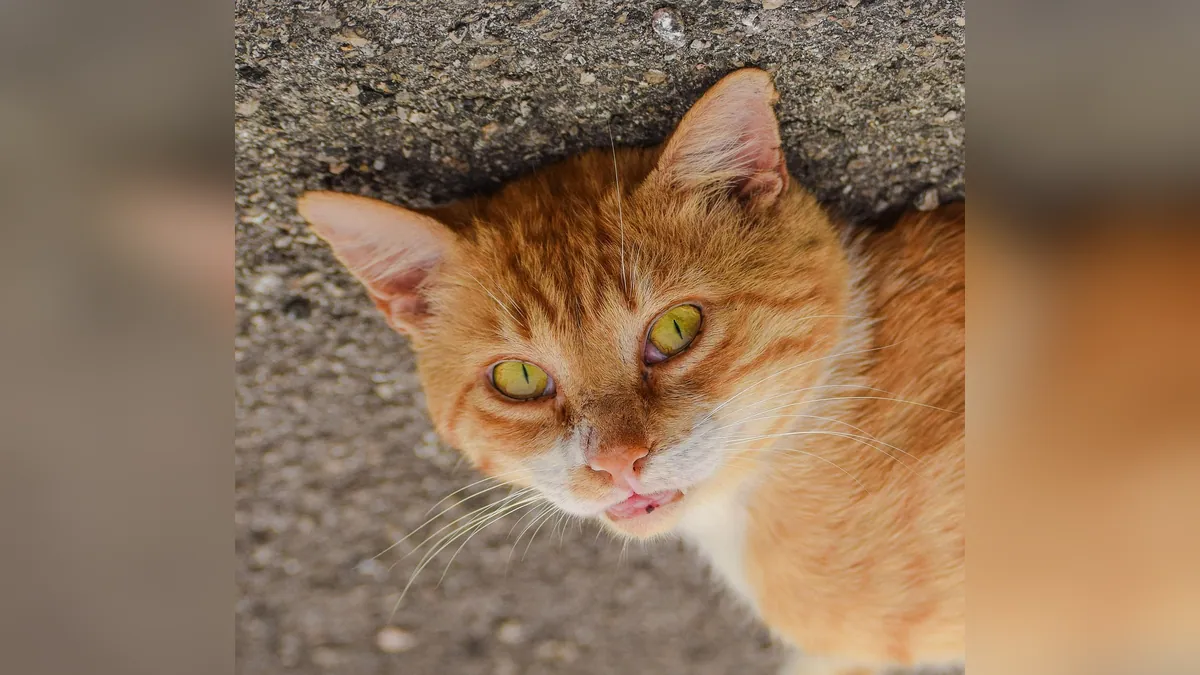
Yellowing of the whites of the eyes, the ear flaps, or the gums in a cat is called jaundice, and it means bilirubin is building up in the body instead of being cleared normally. Jaundice in cats eyes is never a problem in the eye itself. It is a visible signal that something serious is happening in the liver, the bile ducts, or the blood, and it always needs veterinary diagnosis. This article is educational and is not a substitute for veterinary diagnosis or treatment.
Quick Answer
- Yellow eyes, ears, or gums mean bilirubin is accumulating in body tissues, and this only happens when an underlying disease is present.
- Jaundice is a sign, not a diagnosis. Your veterinarian has to find the cause before any treatment can work.
- Common causes include liver disease, bile duct blockage, and conditions that destroy red blood cells too quickly.
- Call your veterinarian today if you notice yellowing. Go to an emergency clinic now if your cat is also weak, vomiting, not eating, or acting confused.
- Do not wait to see if the yellow color fades on its own. It almost never does without treatment.
What Jaundice Looks Like and What Is Normal
Where to check your cat
The whites of the eyes are usually the first place owners notice yellowing, which is why so many people search for jaundice in cats eyes. In a normal cat, the sclera (the white part of the eye) is white or very pale. In a jaundiced cat, it takes on a yellow tint that can range from pale lemon to deep orange.
The ear flaps are the second easiest place to check. A normal ear flap is pink inside, and the skin is thin enough that color changes show up clearly. If you see yellow in the ears, that is jaundice in cats ears, and it means the bilirubin level is high enough to stain tissues beyond the eye.
The gums are the third checkpoint. Lift your cat's lip and look at the gum line above the teeth. Normal gums are pink. Yellow gums are a serious finding, and pale gums can also point to problems with red blood cells or bleeding [1].
What is not jaundice
A cat with naturally yellow or copper-colored eyes is not jaundiced. That is iris color, and it sits in the colored part of the eye, not the white part. Jaundice affects the sclera, the ear skin, and the gums. If you are unsure which part of the eye you are looking at, take a photo in natural light and show it to your veterinarian.
Main Causes of Yellowing in Cats
Jaundice happens through one of three broad mechanisms. Red blood cells break down faster than the liver can process, the liver itself cannot conjugate and excrete bilirubin, or bile cannot flow out of the liver because of a blockage. Many diseases can trigger one or more of these pathways.
| Cause | Typical clues | How urgent |
|---|---|---|
| Hepatic lipidosis (fatty liver) | Weight loss of more than 25% of body weight, loss of appetite, vomiting, lethargy, diarrhea, drooling, enlarged liver [1] | Emergency. This is life-threatening and common in cats that stop eating [2] |
| Cholangitis and other bile duct disease | Jaundice, fever, vomiting, poor appetite, sometimes intermittent signs | Same-day to emergency, depending on how sick the cat looks |
| Primary liver cancer | Jaundice with weight loss, poor appetite, and abnormal liver values on blood work [3] | Same-day. Needs imaging and often biopsy |
| Portosystemic shunt (congenital or acquired) | Excessive thirst, vomiting, diarrhea, fluid in the abdomen, intermittent neurologic signs [1] | Same-day. Some cats live years with treatment, but signs need evaluation [1] |
| Severe acute liver injury | Fever, lethargy, not eating, very high liver enzymes, mild jaundice [4] | Emergency. Hospitalization and supportive care are often needed [4] |
| Septic peritonitis or pyothorax | Jaundice alongside infection in the abdomen or chest | Emergency. Hyperbilirubinemia in these cats is linked to outcome [5] |
| Hemolytic disease (red blood cell destruction) | Pale or yellow gums, weakness, fast breathing | Emergency |
Some of these conditions overlap. A cat with cholangitis may also have lipidosis, and a cat with cancer may have a shunt. Your veterinarian will sort this out with testing. If your cat has yellow gums along with vomiting, the article on yellow tinge to gums, cholangitis, and hepatic lipidosis walks through those two conditions in more detail.
Why the liver matters so much
The liver processes bilirubin, stores energy, makes clotting factors, and clears toxins. When it fails, many body systems are affected at once. Cats with hepatic lipidosis often show dramatic weight loss, vomiting, lethargy, and diarrhea along with jaundice [1]. Blood work in these cats typically shows high total bilirubin and high liver enzymes compared with healthy cats [2]. In one report, a cat with severe liver injury had markedly increased ALT and AST with mild hyperbilirubinemia, and improved with hospitalization and supportive care [4].
Red Flags That Make It an Emergency
Go to an emergency clinic immediately if your cat has any of these signs along with yellow eyes, ears, or gums.
- Collapse, extreme weakness, or difficulty standing
- Repeated vomiting or vomiting blood
- Not eating for more than 24 hours
- Confusion, head pressing, circling, or seizures (these can signal hepatic encephalopathy)
- Labored breathing or a distended abdomen
- Bleeding from the nose, gums, or in the stool
- A body temperature that feels very high or very low
Cats are good at hiding illness. A cat that looks "a little off" plus yellow eyes is already a sick cat. Do not wait for more signs to appear.
Safe Things You Can Do at Home While Waiting
You cannot treat jaundice at home. What you can do is keep your cat stable and gather information for your veterinarian.
- Call your veterinarian or an emergency clinic before you drive over. Tell them you see yellow eyes or gums so they can prepare.
- Do not give any human medication. Acetaminophen and ibuprofen are toxic to cats, and many other drugs are unsafe.
- Do not force-feed unless your veterinarian tells you to. In cats with liver disease, how and what to feed matters, and your veterinarian will set the plan.
- Offer small amounts of your cat's normal food and fresh water. Note whether your cat eats, drinks, urinates, and passes stool.
- Write down when you first noticed the yellow color, any vomiting, any change in appetite, and any weight loss you have seen.
- Keep your cat indoors and quiet. Limit handling if your cat seems painful or confused.
- If your cat vomits yellow fluid, that alone is not jaundice, but it can be a sign of digestive disease. The article on cat vomiting yellow liquid explains what that color can mean.
If your cat has been scratching its ears or shaking its head, that is a separate problem, but ear disease can make you look closely at the ears and notice yellowing you might otherwise miss. For that, see ear infections in cats symptoms.
What Your Veterinarian Will Check and Test
Physical examination
Your veterinarian will check the color of the gums, the sclera, and the skin. They will feel the abdomen for an enlarged liver, fluid, or pain. They will check your cat's hydration, body condition, and neurologic status. They may also check blood pressure, because high blood pressure can cause sudden vision loss and other eye changes in cats [6].
Blood work
A complete blood count shows whether red blood cells are being destroyed or whether infection is present. A chemistry panel measures total bilirubin, liver enzymes (ALT, ALP, GGT), albumin, and other values. Cats with hepatobiliary disease tend to have higher enzyme activities, higher total bilirubin, and lower albumin than healthy cats [3]. Your veterinarian may also check cobalamin (vitamin B12) if chronic gastrointestinal signs are part of the picture [7].
Imaging
Abdominal ultrasound is the most common next step. It can show an enlarged or small liver, dilated bile ducts, a blockage, a mass, or a portosystemic shunt. Ultrasound is also how congenital portosystemic shunts are often confirmed [3].
Additional tests
Depending on what the first tests show, your veterinarian may recommend bile culture, liver biopsy, or a test for underlying infection. In cats with septic peritonitis or pyothorax, bilirubin levels within the first 72 hours of admission are tracked because they relate to outcome [5]. If your cat has eye changes beyond yellowing, such as uveitis or retinal detachment, that can point to an infectious disease affecting the whole body [6].
Treatment
Treatment depends entirely on the cause. Some cats need fluids, anti-nausea medication, appetite support, and a feeding tube. Some need surgery to relieve a bile duct blockage. Some need antibiotics. Doses for any medication are calculated by your veterinarian based on your cat's weight and health, so never use a dose from the internet or from another pet.
Prevention and Monitoring
You cannot prevent every cause of jaundice, but you can lower some risks and catch problems earlier.
- Never let your cat go more than 24 hours without eating. Anorexia is a major trigger for hepatic lipidosis [2].
- Keep your cat at a healthy weight. Sudden weight loss or rapid weight gain both stress the liver.
- Feed a complete, balanced diet made for cats. Cats have specific nutritional needs that human food and dog food do not meet.
- Schedule wellness exams at least once a year, and twice a year for senior cats. Blood work can catch liver changes before jaundice appears.
- Watch for early signs: decreased appetite, weight loss, vomiting, increased thirst, and changes in energy.
- If your cat has a known liver condition, follow your veterinarian's monitoring schedule exactly. Recheck blood work when they recommend it.
- Keep all medications, including supplements, approved by your veterinarian.
Limitations and When to Contact a Veterinarian
Jaundice in cats is always a sign of an underlying disease, and the outcome depends on how quickly that disease is found and treated. Some causes, like hepatic lipidosis, are treatable with aggressive support [1][2]. Others, like some cancers, are harder to manage. Your veterinarian is the only one who can tell you which situation your cat is in.
Contact your veterinarian the same day if you notice yellow eyes, yellow ears, or yellow gums, even if your cat seems otherwise normal. Go to an emergency clinic now if your cat is weak, vomiting, not eating, breathing hard, bleeding, or acting confused. A routine visit is fine only if your veterinarian has already examined your cat, diagnosed the cause, and told you what changes to watch for. Individual cases need a veterinarian who can examine your cat and run tests.
Frequently Asked Questions
Is yellowing of the eyes always serious in cats?
Yes. Yellowing of the sclera means bilirubin is building up in the tissues, and that only happens when an underlying disease is present. There is no harmless version of jaundice in cats. Call your veterinarian as soon as you see it.
Can jaundice in cats go away on its own?
It can improve if the underlying cause is treated, but it does not resolve on its own without addressing that cause. Cats with liver disease often need fluids, nutrition support, and medication. Waiting usually makes the disease harder to treat.
How fast does jaundice develop in cats?
It depends on the cause. A cat with a sudden bile duct blockage or severe liver injury can turn yellow within a day or two. A cat with a slow-growing liver tumor may yellow gradually over weeks. Any new yellow color is worth a same-day call.
Can I check my cat's eyes at home to see if it is jaundiced?
You can look at the whites of the eyes, the inside of the ear flaps, and the gums in good natural light. If any of those areas look yellow instead of white or pink, that is a real finding. A photo helps, but only your veterinarian can confirm the cause.
What is the difference between yellow eyes and yellow gums in a cat?
Both point to the same problem, which is too much bilirubin in the body. Yellow gums often mean the level is higher, because gum tissue picks up color later than the eye. Either finding needs the same response, which is a prompt veterinary visit.
Related Articles
- Why Is My Cat having yellow tinge to gums? Feline Cholangitis and Hepatic Lipidosis
- Ear Infections In Cats Symptoms
- Cat Vomiting Yellow Liquid: What It Means
- My Cat Is Vomiting Yellow Fluid
- Cat Ear Infection with Redness: Causes and When to Worry
- My Cat Is Throwing Up Yellow Liquid
- Why Is My Cat Yellow? Yellow Eyes, Skin, and Jaundice Explained
- Jaundice in Cats: Causes, Meaning and What Comes Next
- Liver Disease in Cats: Symptoms, Causes and Jaundice
References
- Disorders of the Liver and Gallbladder in Cats - Cat Owners. Merck Veterinary Manual.
- Evaluation of Serum Homocysteine and High-Sensitivity Cardiac Troponins in Cats with Hepatic Lipidosis: An Observational Clinical Study. Veterinary sciences, 2026.
- Retrospective study of biochemical profile changes in 93 cats with different hepatobiliary diseases. Journal of feline medicine and surgery, 2025.
- Blue-Green Neutrophilic Inclusions in a Cat With Severe Hepatocellular Injury. Veterinary medicine and science, 2026.
- Retrospective Evaluation of Hyperbilirubinemia in Cats and Dogs With Septic Peritonitis or Pyothorax. Journal of veterinary emergency and critical care (San Antonio, Tex. : 2001), 2025.
- Eye Disorders Resulting from Generalized Diseases in Cats - Cat Owners. Merck Veterinary Manual.
- Correlation between ultrasonographic measurements of the ileum and serum cobalamin concentrations in healthy cats and cats with chronic gastrointestinal signs: A pilot study. Brazilian journal of veterinary medicine, 2026.