Heavy Breathing in Budgies, Rabbits, and Guinea Pigs
By Dr. Zubair Khalid, DVM, MS, PhD ·
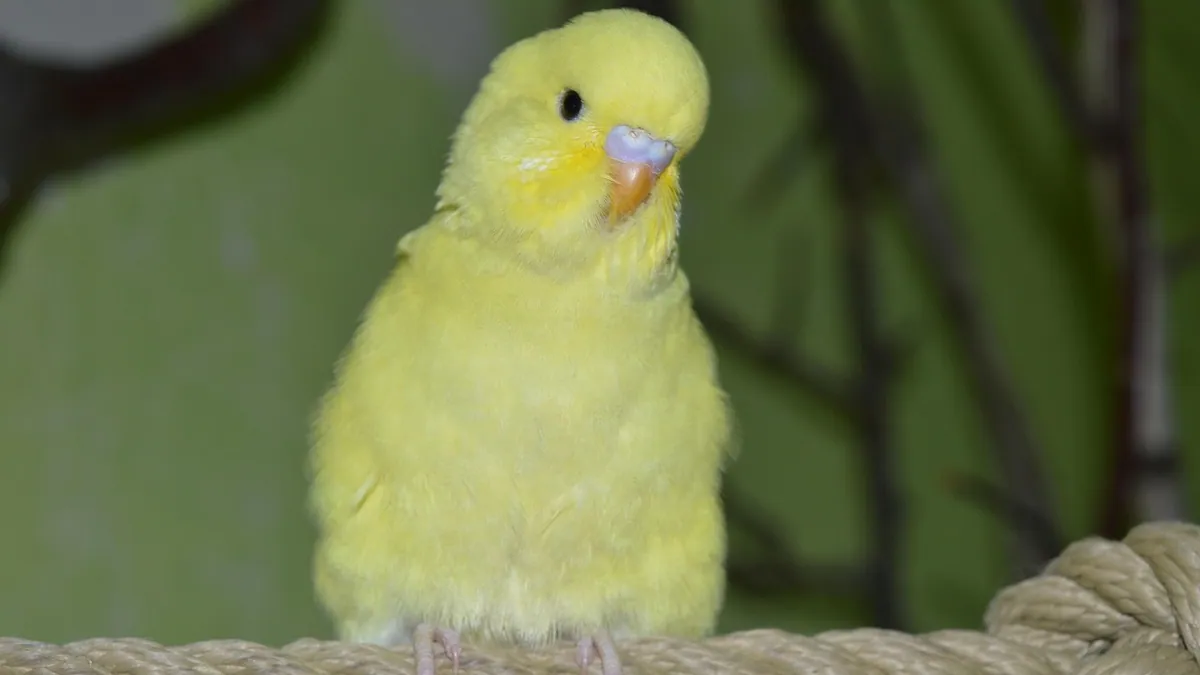
Heavy breathing in any small pet is a warning sign, not a quirk. If your budgie is breathing heavily, or your rabbit or guinea pig is puffing and working hard for air, something is interfering with normal breathing. Small animals hide illness well, so visible breathing effort often means the problem is already serious.
This article is educational and is not a substitute for veterinary diagnosis or treatment.
Quick Answer
- Normal resting breathing is quiet and easy to miss. Labored breathing means you can see the chest or belly working, hear wheezing or clicking, or watch your pet sit still and struggle.
- Birds, rabbits, and guinea pigs are prey species. They mask symptoms until they are very sick, so heavy breathing is often an emergency, not a wait-and-see problem.
- Common causes differ by species. Birds often have respiratory infections or air sac problems. Rabbits and guinea pigs often have pneumonia, heart disease, or pain.
- Do not handle your pet more than needed. Stress makes breathing worse. Keep the room calm, quiet, and cool while you call your vet.
- Call an emergency clinic right away if you see open-mouth breathing, blue or pale gums, a stretched-out neck, or your pet collapsing.
What Heavy Breathing Looks Like and What Is Normal
Breathing rate and effort are two different things. A pet can breathe fast and still be comfortable, or breathe at a normal rate while working hard for each breath. Effort is the part that worries veterinarians most.
Normal breathing is quiet and mostly invisible. In dogs and cats, a resting respiratory rate is often counted at home, and studies of intensive care patients found median rates around 30 breaths per minute in dogs and 27 in cats when monitored by camera, with slightly higher counts at the cage side [1]. Those numbers come from hospitalized animals, so a relaxed pet at home may breathe slower.
For small pets, watch the pattern. A healthy budgie sits quietly with a smooth, barely visible chest movement. A rabbit or guinea pig at rest breathes through the nose with no noise and no belly pumping. Signs that something is wrong include:
- Nostrils flaring or the mouth open
- A neck stretched forward to pull in air
- Belly or flank moving hard with each breath
- Wheezing, clicking, or a whistling sound
- Sitting hunched, puffed up, or unwilling to move
- Breathing that gets worse when handled or stressed
If your pet looks like it is using its whole body to breathe, treat that as urgent.
Why Is My Budgie Breathing Heavily?
Birds have a unique respiratory system with air sacs that reach into the bones and body cavity. That design makes them efficient breathers, but it also means infections and toxins spread fast. A budgie that is tail-bobbing, breathing with an open beak, or making a clicking sound is usually in trouble.
Common causes in budgies and other parrots include:
- Bacterial or fungal respiratory infections
- Air sac mites, which are more common in some species
- Environmental irritants like smoke, aerosol sprays, scented candles, and dusty cages
- Tumors or heart disease
- Egg binding or a mass pressing on the air sacs
- Stress from a new home, a predator, or rough handling
A bird that is breathing heavily while perched quietly is more concerning than one puffing after a short flight. If your parrot is breathing heavily at rest, or you notice a change in its cage setup that could expose it to fumes, review the basics of safe housing in Budgie Cage. Birds are also sensitive to temperature extremes, so a hot room can trigger open-mouth breathing that looks like illness.
Why Is My Rabbit or Guinea Pig Breathing Heavily?
Rabbits and guinea pigs are obligate nasal breathers. They cannot easily switch to mouth breathing, so any nasal blockage is serious. These species also have small chests and large abdominal organs, which means a sick pet may show belly breathing before you hear anything.
Common causes include:
- Pneumonia or upper respiratory infection
- Heart disease, which is underdiagnosed in rabbits
- Pain from dental disease, which is very common in rabbits and guinea pigs
- Heat stress, especially in guinea pigs
- Obesity or a large litter pressing on the diaphragm
- Stress from a new environment, a predator, or rough handling
A guinea pig breathing heavily may also be pregnant or in labor. If you are unsure, assume illness until a vet says otherwise. Rabbits and guinea pigs have unique airway anatomy and are prone to rapid decline, so understanding their respiratory limits helps you act faster. You can read more about that in Small Mammal Respiratory Physiology.
If you also have a gerbil breathing heavily, the same rules apply. Gerbils are small rodents with limited respiratory reserve, and heavy breathing often points to infection, heat, or stress. Any rodent that is puffing, clicking, or sitting still with labored breathing needs a vet.
Main Causes of Heavy Breathing Across Small Pets
| Cause | Typical clues | How urgent |
|---|---|---|
| Respiratory infection | Nasal discharge, sneezing, clicking, poor appetite | Urgent, same day |
| Heart disease | Cough, exercise intolerance, fast breathing at rest | Urgent, same day |
| Pain or stress | Hunched posture, grinding teeth, recent change | Same day to emergency |
| Heat stress | Panting, open-mouth breathing, warm environment | Emergency now |
| Foreign body or blockage | Sudden onset, gasping, distress | Emergency now |
| Anesthesia reaction | Breathing trouble after a procedure | Emergency now |
| Asthma (cats) | Chronic cough, wheezing, tachypnea | Urgent, same day |
| Pulmonary edema or bleeding | Rapid decline, pale gums, collapse | Emergency now |
In dogs and cats, heavy breathing has its own list of causes. Feline asthma is a common inflammatory airway disease that causes chronic cough, wheezing, tachypnea, and respiratory distress [2]. Cats with asthma may look normal between episodes and then struggle suddenly.
Anesthesia and sedation can also trigger breathing problems. A report on the combination of alpha 2-adrenergic agonists and dissociative anesthetics described dogs and cats that developed dyspnea after anesthesia, with some cases involving pulmonary edema and hemorrhage [3]. Juvenile animals and those premedicated with atropine may be at higher risk, so dose adjustment and monitoring matter [3].
Lung ultrasound is increasingly used in emergency settings to find the cause of breathing difficulty. Alveolar-interstitial syndrome, which shows up as B-lines on ultrasound, can point to cardiogenic pulmonary edema, noncardiogenic pulmonary edema, pneumonia, acute respiratory distress syndrome, or pulmonary contusion [4]. A study comparing lung ultrasound to chest X-rays in dogs and cats with respiratory distress found that imaging helps classify the cause, though observer experience affects accuracy [5].
Red Flags That Make It an Emergency
Call an emergency clinic immediately if you see any of these:
- Open-mouth breathing in a bird, rabbit, or guinea pig
- Blue, pale, or gray gums or tongue
- A neck stretched straight out with each breath
- Wheezing that gets worse over minutes
- Collapse, weakness, or inability to stand
- Breathing that started suddenly after a procedure or medication
- A guinea pig or rabbit that is limp, cold, or unresponsive
Do not wait for a regular appointment if your pet is struggling. Small pets can go from stable to critical in a short time. If you are unsure, call the clinic and describe what you see. They can tell you whether to come in now.
Safe Things You Can Do at Home While You Wait
Your job is to reduce stress and get help, not to treat the problem yourself.
- Keep the room quiet and dim. Turn off loud TVs, music, and other pets.
- Do not chase, hold, or wrap your pet unless you must move it to a carrier.
- Keep the temperature mild. Heat makes breathing harder for guinea pigs and rabbits.
- Remove smoke, sprays, candles, and strong cleaners from the air.
- Offer water in a shallow dish if your pet is awake and stable.
- Have your pet's history ready, including diet, recent changes, and any medications.
Do not give human medications. Do not use steam, vapor rubs, or essential oils. Those can make respiratory problems worse in birds and small mammals. If your pet is a dog or cat and you are counting breaths at home, note the rate and effort, but do not delay a call for a low number or a calm-looking pet that is still working hard to breathe.
What Your Veterinarian Will Check and Test
Your vet will start with a physical exam and a focused history. They will watch your pet breathe from a distance before handling it, because stress changes the pattern. They will check gum color, listen to the chest, and feel for masses or fluid.
Depending on the species, expect some of these:
- Oxygen level and breathing effort assessment
- Chest X-rays to look for fluid, masses, or lung patterns
- Lung ultrasound, which can be done quickly in an emergency and helps identify alveolar-interstitial syndrome [4]
- Bloodwork to check infection, organ function, and oxygen status
- Airway sampling or swabs for infection
- Heart evaluation if heart disease is suspected
For cats with suspected asthma, diagnosis may include physical exam, radiography, computed tomography, bronchoscopy, bronchoalveolar lavage, and allergy testing [2]. Treatment for asthma usually starts with inhaled corticosteroids, often combined with bronchodilators, and other options like cyclosporine, inhaled lidocaine, masitinib, and allergen-specific immunotherapy have limited supporting evidence [2].
For dogs and cats that had a recent procedure, tell your vet exactly what was given and when. The timing of dyspnea after anesthesia can be a major clue [3]. If your pet is hospitalized, staff may use camera surveillance to monitor breathing rate, since studies show camera-based counts can differ from cage-side counts [1].
Prevention and Monitoring
Prevention depends on the species, but the basics overlap.
- Keep cages clean and free of dust, mold, and ammonia buildup.
- Avoid smoke, aerosols, scented candles, and strong cleaners around birds and small mammals.
- Control room temperature. Guinea pigs and rabbits overheat easily.
- Feed a proper diet to prevent dental disease and obesity, which both affect breathing.
- Weigh your pet regularly. Weight loss or gain can be an early clue.
- Count resting breaths when your pet is calm. Learn what is normal for your pet.
- Schedule routine exams, especially for older rabbits and guinea pigs.
- Use a carrier with good airflow for vet visits, and cover it lightly to reduce stress.
If your dog or cat breathes fast while sleeping, that can be normal or a sign of trouble depending on the pattern. You can compare what you see with Dog Breathing Fast While Sleeping: Normal or a Problem?. If your dog pants a lot during the day, read Why Is My Dog Panting So Much?. And if your dog has bad breath along with a cough, that combination can point to dental or airway disease, which is covered in Dog Bad Breath Cough.
Limitations and When to Contact a Veterinarian
This article cannot tell you what is wrong with your specific pet. Only a veterinarian who examines your pet can do that. Breathing problems can look similar across many causes, and the treatment depends on the diagnosis.
Call an emergency clinic now if your pet has open-mouth breathing, blue or pale gums, a stretched-out neck, collapse, or sudden severe distress. Call the same day if you notice a new cough, wheezing, a change in breathing rate at rest, or your pet is eating less and sitting hunched. Schedule a routine visit if you have seen a mild change over days, such as slightly faster breathing during sleep or a soft noise when your pet breathes.
If you are ever unsure, call. A phone call costs nothing and can save your pet's life.
Frequently Asked Questions
Can stress alone make my budgie breathe heavily?
Yes, stress can make a budgie breathe faster, especially after handling, a move, or a scare. But stress-related breathing should settle within a few minutes once the bird is calm and quiet. If the heavy breathing continues at rest, assume illness and call your vet.
Is heavy breathing in rabbits always an emergency?
No, but it should always be treated as urgent until proven otherwise. Rabbits hide illness, and by the time breathing looks labored, the problem is often advanced. A rabbit that is breathing hard at rest needs a same-day exam, and open-mouth breathing is an emergency.
My guinea pig is breathing heavily but still eating. Should I wait?
Do not wait. Guinea pigs often keep eating until they are very sick, so a normal appetite does not rule out a serious problem. Call your vet and describe the breathing pattern, and ask whether your pet should be seen today.
Can I give my pet anything at home for breathing trouble?
No. Do not give human medications, steam, vapor rubs, or essential oils. These can harm birds and small mammals and can make breathing worse. Keep the room calm and call your vet for guidance.
What if my pet had anesthesia recently and now breathes heavily?
Call the clinic that performed the procedure right away. Breathing problems after anesthesia can be serious and may relate to the drugs used or to fluid in the lungs [3]. Do not wait to see if it improves on its own.
Related Articles
- Small Mammal Respiratory Physiology
- Dog Breathing Fast While Sleeping: Normal or a Problem?
- Why Is My Dog Panting So Much?
- Dog Bad Breath Cough
References
- Respiratory rate and breathing pattern in dogs and cats in intensive care units and the value of camera surveillance. The Journal of small animal practice, 2025.
- Feline Asthma-Update on Diagnosis and Treatment Recommendations. The Veterinary clinics of North America. Small animal practice, 2026.
- Dyspnea Induced by Alpha 2-Adrenergic Agonists and Dissociative Anesthetics Combination in Dogs and Cats. Animals : an open access journal from MDPI, 2026.
- Optimizing transducer choice for the detection of alveolar-interstitial syndrome in dogs and cats: an evidence-based review. Frontiers in veterinary science, 2026.
- Diagnostic performance of lung ultrasound compared to thoracic radiography in non-traumatized dogs and cats with respiratory distress in an emergency setting. Frontiers in veterinary science, 2026.