Facial Paralysis in Dogs: Causes, Recovery, and Care
By Dr. Zubair Khalid, DVM, MS, PhD ·
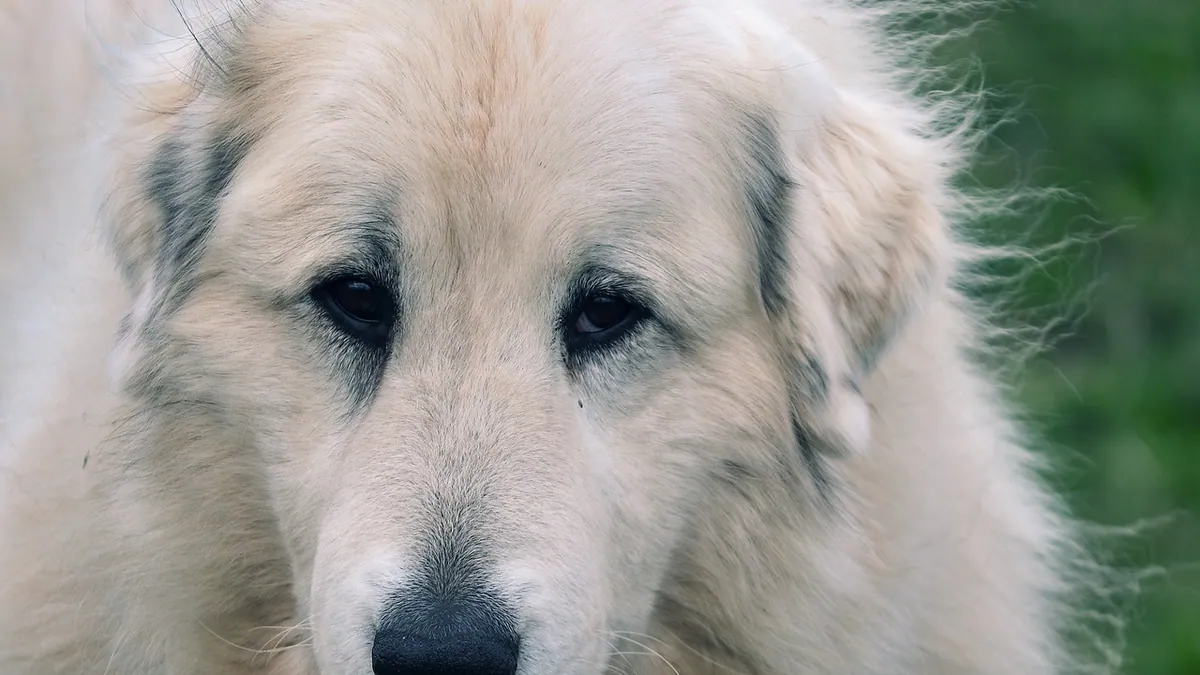
Facial paralysis in dogs means the nerve that controls the muscles of the face is not working properly, so the eyelid, lip, ear, or nostril on one or both sides may droop or stop moving. It is usually not a life-threatening emergency by itself, but it does need a veterinary exam because the cause can range from harmless to serious. This article is educational and is not a substitute for veterinary diagnosis or treatment.
Quick Answer
- Facial paralysis is a nerve problem, not a stroke in most cases, and many dogs improve over weeks to months.
- The most urgent concern is the eye. A dog that cannot blink can develop a painful corneal ulcer, so start lubricating eye drops and call your vet.
- One-sided (unilateral) drooping is the most common pattern, and the nose may pull toward the normal side [1].
- Common causes include inner ear infections, hypothyroidism, tumors, trauma, and unknown (idiopathic) causes [1].
- Facial function returned in about 47.6% of dogs in one study of facial nerve dysfunction, and recovery was not affected by age or skull shape [2].
What Is Facial Paralysis in Dogs?
The facial nerve (cranial nerve 7) is the motor nerve for the muscles of facial expression. It tells the eyelids, lips, ears, and nose to move [3]. When that nerve is damaged anywhere along its path, the muscles it supplies become weak or still.
The nerve starts in the brainstem, travels through the skull, and exits near the ear before branching to the eyelid, ear, and cheek areas [3]. Because it runs so close to the ear and the vestibular (balance) nerve, ear disease and balance problems sometimes show up alongside facial weakness [3].
Vets describe the problem in two ways. In total facial paralysis, the dog cannot move the eyelids, ears, lips, or nostrils at all. In partial facial paralysis, those muscles move less than normal [1]. You may also hear the term facial nerve paralysis in dogs or facial nerve palsy. They all mean the same basic problem.
Signs Owners Notice First
Most owners spot a drooping face before anything else. The signs depend on which side is affected and how severe the damage is [1].
- A drooping ear on one side
- A drooping upper lip, sometimes with drool leaking from that corner of the mouth
- Food or water falling out of the mouth while eating or drinking
- The nose appearing to turn away from the affected side because muscle tone is reduced there [1]
- An eye that stays open or does not blink normally
- Dry eye from decreased tear production [1]
With unilateral facial paralysis in dogs, the face looks lopsided. With paralysis on both sides, the face can look strangely blank and dull instead of crooked, and drooling is often the clue owners notice [1]. Partial facial paralysis in dogs can be subtle. You might only see a slightly slow blink or a lip that does not lift all the way.
Some dogs with facial nerve problems also have trouble with balance, a head tilt, or a discharge from the ear. Head shaking or scratching at the ear can point to an ear problem underneath. If your dog is shaking its head or tilting, our guide to head shaking in dogs covers what those signs can mean.
Causes and Risk Factors
Facial paralysis is a sign, not a disease. Something has injured or compressed the facial nerve. Common causes include inner ear infections, hypothyroidism, tumors, injuries from rough handling or car accidents, and unknown causes [1].
When no cause is found, vets call it idiopathic facial paralysis in dogs. In one review of dogs with facial nerve dysfunction, idiopathic cases made up about 14.9%, iatrogenic (caused by a medical procedure) about 13.5%, and middle or inner ear infection about 12.2% [2]. That study found French Bulldogs were the most frequently affected breed, making up 27.0% of the dogs [2].
Other conditions can mimic facial paralysis or cause facial muscle spasms. Generalized tetanus, which is uncommon in dogs, can cause facial muscle spasms and difficulty swallowing along with body-wide stiffness [4]. Some infections that affect the nervous system can also involve cranial nerves, though this is rare.
Risk factors are mostly tied to the underlying cause. Dogs with chronic or recurrent ear infections have more opportunity for nerve damage near the ear. Dogs with endocrine disease such as hypothyroidism may be more prone [1]. Brachycephalic breeds (flat-faced dogs like French Bulldogs) appear to be overrepresented in eye complications from facial nerve dysfunction [2].
How Veterinarians Diagnose It
Diagnosis starts with a full physical and neurologic exam. Your vet will watch your dog blink, check the lip and ear position, and test the facial muscles on both sides. They will also look closely at the ears and check for balance problems, since the facial nerve runs near the vestibular nerve [3].
From there, testing is aimed at finding the cause, because treatment depends on it [3]. Expect some of the following:
- Otoscopic exam and possibly imaging of the ears to look for infection or masses
- Blood work, including thyroid testing
- Imaging of the head, such as MRI or CT, in some cases
- Eye tests, including a Schirmer tear test to measure tear production and a corneal stain to check for ulcers
In a study of 74 dogs with facial nerve dysfunction, corneal sensitivity and tear production were significantly reduced in affected eyes, and ulcerative keratitis occurred in 61.9% of eyes [2]. That is why your vet will pay close attention to the eyes even if the face is the obvious problem.
| What your vet checks | Why it matters |
|---|---|
| Blink and facial muscle movement | Confirms which side and how severe [1] |
| Ear exam and imaging | Looks for infection or tumor near the nerve [3] |
| Tear production (Schirmer test) | Low tears raise dry eye and ulcer risk [2] |
| Corneal stain | Finds ulcers, which were common in one study [2] |
| Blood work and thyroid panel | Screens for hypothyroidism and other disease [1] |
Facial Paralysis in Dogs Treatment Options
Treatment is directed at the underlying cause [3]. If an ear infection is found, that gets treated. If hypothyroidism is diagnosed, thyroid medication is started. If a tumor is involved, options may include surgery, radiation, or medical management depending on the type and location.
When no cause is found, care focuses on protecting the eye and supporting the dog while the nerve hopefully recovers. Your vet calculates any medication dose from your pet's weight and health, so never use leftover medicine or guess at a dose.
Eye Care at Home
The eye is the part you can help with most. A dog that cannot blink fully is at risk of corneal exposure, dryness, and ulcers [5]. Your vet may send you home with lubricating eye drops or ointment and a schedule for using them. Follow that schedule closely.
Some dogs need a moisture chamber, which is a covering that holds humidity around the eye [5]. In severe cases, surgery may be needed. A tarsal gold weight implant, which uses a small weight in the eyelid to help it close, has been used in dogs with facial paralysis and corneal ulcers, and eyelid motion was achieved after surgery in reported cases [6].
Newer approaches are being explored. Electrical stimulation of the orbicularis oculi muscle (the muscle that closes the eyelid) has been shown to be feasible in people, but portable devices are not yet readily available [5]. This is not a standard treatment for dogs today.
Other Support
If your dog drops food or water, try a raised bowl and softer food. Some dogs do better with smaller, more frequent meals. Keep the affected side of the face clean and dry, since drool can irritate the skin. If your dog has trouble swallowing, ask your vet before changing the diet, because that can be a sign of a more serious problem.
Rehabilitation for facial nerve palsy in people sometimes combines neuromuscular retraining with botulinum toxin A injections for synkinesis, a condition where muscles move together abnormally [7]. This is human medicine, and it is not a routine dog treatment. Still, it shows that facial nerve recovery is an active area of research.
Facial Paralysis in Dogs Recovery and Outlook
Recovery varies widely. In one study, facial function recovered in 47.6% of dogs, and recovery was not affected by age or skull type [2]. That means roughly half of the dogs in that group got better, and being older or flat-faced did not change the odds.
Timelines are not exact. Some dogs improve within weeks, and others take months. Some never regain full movement. Partial facial paralysis in dogs may resolve more completely than total paralysis, but that depends on the cause and how much nerve damage occurred.
Long-term management often means ongoing eye care, especially if blinking stays weak. Dry eye and corneal ulcers can recur, so keep up with vet rechecks. If your dog has an underlying condition like hypothyroidism or chronic ear disease, managing that condition is part of protecting the nerve long term.
Some dogs develop behavior changes during recovery. They may be startled more easily, eat more messily, or avoid having the affected side touched. Patience and a calm routine help. If your dog seems anxious or withdrawn, our guide to dog behavior problems has practical steps.
Prevention
You cannot prevent every case, especially idiopathic ones. But you can lower some risks.
- Treat ear infections promptly and completely. Chronic ear disease is a common cause of facial nerve problems [1].
- Keep up with routine wellness visits so conditions like hypothyroidism are caught early [1].
- Use safe handling and secure restraints in the car to reduce trauma risk [1].
- Watch for early signs like a slow blink or a drooping lip, and call your vet instead of waiting.
If your dog has a flat face, pay extra attention to the eyes during any facial nerve episode, since brachycephalic dogs had more frequent and severe corneal ulcers in one study [2]. Eye problems in flat-faced breeds can also show up in other ways, such as cherry eye, which is a separate condition but worth knowing about.
Limitations and When to Contact a Veterinarian
Facial paralysis itself is rarely an emergency, but the eye can become one fast. Call your veterinarian the same day if you notice a drooping face, a drooling dog, or an eye that stays open. Individual cases need a veterinarian to sort out the cause and protect the eye.
Go to an emergency clinic now if:
- The eye looks cloudy, red, or has a visible sore or divot
- Your dog is pawing at the eye or holding it closed
- There is sudden collapse, severe balance loss, or repeated vomiting
- Your dog cannot swallow, is choking, or has trouble breathing
- The face drooping came on after a head injury or car accident
Schedule a routine visit soon if the drooping is mild, your dog is eating and drinking normally, and the eye looks clear. Do not wait weeks to see if it improves on its own, because early eye protection and cause-finding matter.
Frequently Asked Questions
Is facial paralysis in dogs an emergency?
Usually no, but the eye makes it time-sensitive. A dog that cannot blink can develop a corneal ulcer within days, so call your vet the same day you notice the drooping. Go to an emergency clinic if the eye looks injured or your dog cannot swallow or breathe normally.
Will my dog's face go back to normal?
Many dogs improve, but not all recover fully. In one study, facial function returned in about half of the dogs evaluated [2]. Some regain most movement, some regain partial movement, and some keep a permanent droop. Your vet can give you a better idea once the cause is known.
Can facial paralysis in dogs be caused by an ear infection?
Yes, middle and inner ear infections are a recognized cause. In one review, otitis media or interna accounted for about 12.2% of facial nerve dysfunction cases [2]. Treating the ear infection is the main step toward helping the nerve recover [3].
Is facial paralysis in dogs painful?
The paralysis itself is not typically painful, but the eye complications can be. Reduced tear production and poor blinking can lead to dry eye and corneal ulcers, which hurt [2][5]. If your dog is squinting, pawing at the eye, or avoiding light, that needs prompt veterinary care.
Can facial paralysis in dogs affect both sides of the face?
Yes, though one-sided paralysis is more common [1]. When both sides are affected, the face may look blank and dull instead of lopsided, and drooling is often the main clue [1]. Bilateral cases need a thorough workup because the cause may be different from one-sided cases.
Related Articles
- Canine Laryngeal Paralysis: Diagnosis and Management
- Comprehensive Guide to Head Shaking in Dogs: Causes, Diagnostics, and Treatment
- Cherry Eye in Dogs: Causes, Surgery Options, and Recovery
- Dog Hair Loss on Nose: Causes and When to Worry
- Help With Dog Behavior Problems
- Dog Reverse Sneezing and Throwing Up: Pharyngeal Spasms, Gagging & Relief Steps
- Facial Paralysis in Cats: Causes and What It Means
- Horner's Syndrome in Dogs: Causes, Signs, and Recovery
- Back Leg Paralysis in Dogs: Causes and Treatment Options
References
- Facial Paralysis in Dogs - Dog Owners. Merck Veterinary Manual.
- Ocular Manifestations in Dogs With Facial Nerve Dysfunction. Veterinary ophthalmology, 2026.
- Facial Paralysis in Animals - Nervous System. Merck Veterinary Manual.
- An Integrated Diagnostic Approach to Severe Generalized Canine Tetanus: Serial Neurological, Clinicopathological and Electromyographic Assessment with Successful Clinical Management. Veterinary sciences, 2026.
- Future treatment options for facial nerve palsy: a review on electrical stimulation devices for the orbicularis oculi muscle. Neurological sciences : official journal of the Italian Neurological Society and of the Italian Society of Clinical Neurophysiology, 2024.
- Tarsal Gold Weight Implant as a Surgical Treatment for Eyelid Akinesia Related to Facial Paralysis. Veterinary ophthalmology, 2026.
- Rehabilitation of facial nerve palsy combining neuromuscular retraining and botulinum toxin A injection: a tertiary referral centre experience and a new working protocol proposal. European archives of oto-rhino-laryngology : official journal of the European Federation of Oto-Rhino-Laryngological Societies (EUFOS) : affiliated with the German Society for Oto-Rhino-Laryngology - Head and Neck Surgery, 2025.