Entropion in Cats: Symptoms, Surgery, and Recovery
By Dr. Zubair Khalid, DVM, MS, PhD ·
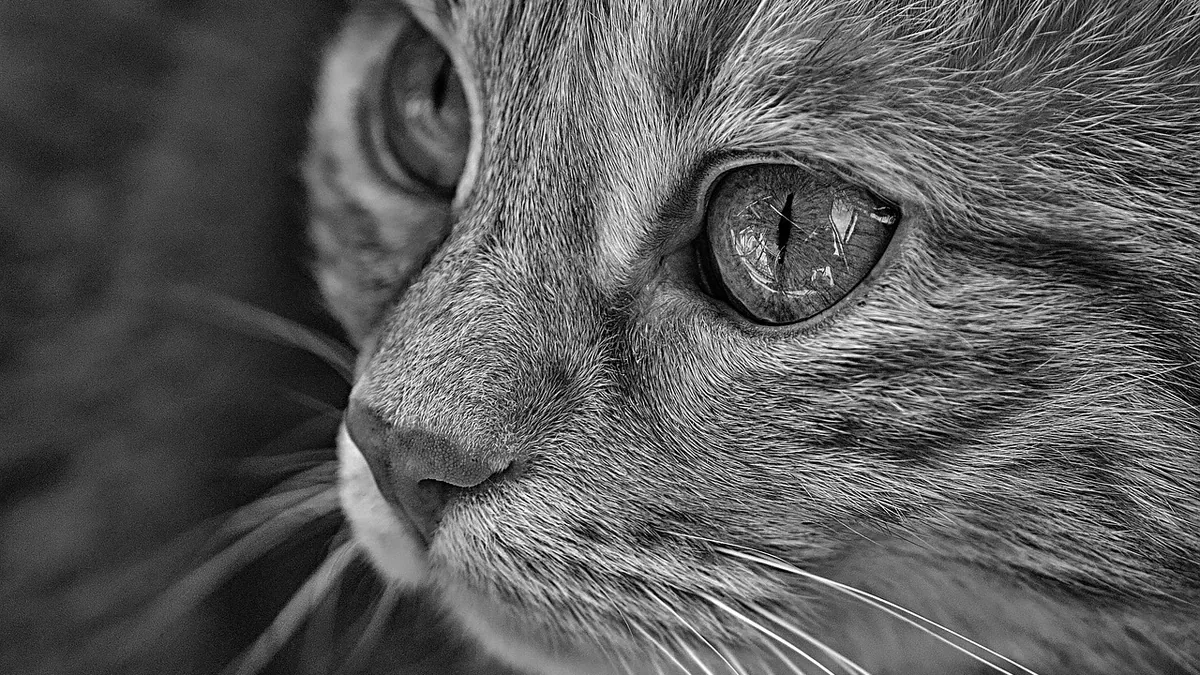
Entropion in cats surgery is the standard fix when an eyelid rolls inward and rubs the eye surface. The procedure removes a small strip of eyelid skin so the margin sits flat again, and most cats recover well with home care and a cone. This article is educational and is not a substitute for veterinary diagnosis or treatment.
Quick Answer
- Entropion means the eyelid edge curls toward the eyeball, so hair and skin rub the cornea with every blink.
- Telltale signs are squinting, heavy tearing, redness, and a cloudy or scratched-looking eye.
- Surgery is the only permanent correction when the eyelid shape itself is the problem.
- Medical treatment (lubricants, antibiotics, pain relief) buys time and protects the eye but does not change the eyelid.
- Most cats go home the same day and wear a protective collar until the incision heals.
What Entropion Means in Plain Words
Entropion is an inward folding of the eyelid margin. The eyelid edge that should sit against the eye instead rolls toward it, so the skin and hair normally on the outside of the lid press against the cornea. That constant contact irritates the eye and can scratch the clear surface [1].
The cornea has no blood vessels in its clear center, so it heals slowly and reacts to injury with cloudiness, new blood vessels, and sometimes ulcers. A cat with entropion is not being dramatic when it squints. The eye genuinely hurts.
Entropion can affect one eye or both. It can involve the upper lid, the lower lid, or both. Some cats also have macroblepharon, which means the eyelid opening is too large and the lids sag, and the two problems often travel together [2].
Symptoms Owners Notice First
Cats hide discomfort well, so early entropion can look like nothing more than a watery eye. Watch for these signs:
- Squinting or holding one eye partly closed
- Excessive tearing or a wet streak down the face
- Red, swollen, or thickened eyelid edges
- Rubbing the eye with a paw or against furniture
- Sensitivity to light
- Cloudy, blue, or dull-looking cornea
- A visible sore or dark spot on the eye surface
- Discharge that changes from clear to yellow or green
Pain behaviors in cats after eye surgery include a lowered head position, which owners often read as "just tired" [3]. Before surgery, the same posture can signal ongoing eye pain. If your cat is quieter than usual and squinting, that combination deserves a veterinary look.
Causes and Risk Factors
Entropion in cats has several possible origins, and identifying the cause guides treatment.
Conformational (anatomical) entropion. The eyelid is shaped or positioned abnormally. This is the type that needs surgery. In one surgical case series of 39 cats, the average age at treatment was 2.92 years, with a range of 1 to 6.83 years, and Maine Coons made up 28 of the 39 cats (71.8%) [2]. That breed pattern suggests a genetic or body-type influence in some lines.
Brachycephalic anatomy. Flat-faced cats and cats with shortened skulls have crowded eye sockets and prominent eyes. In a pain study of cats having eye surgery, 24 of 30 cats were brachycephalic breeds [3]. Prominent eyes and shallow sockets make lid malposition more likely.
Spasm or scarring. A painful eye can cause the lid muscles to spasm and roll the margin inward. This is called spastic entropion, and it can resolve once the underlying eye problem is treated. Scarring after injury or infection can also pull the lid out of position.
Developmental causes. Entropion can be present from a young age. A snow leopard cub diagnosed at 1 month old had primary entropion from developmental abnormalities, and the report notes that early intervention matters for protecting the cornea [1].
Age and breed. Entropion can appear in young adult cats or later in life. Any cat with a flat face, a large eyelid opening, or a family history of eyelid problems is at higher risk.
How Veterinarians Diagnose Entropion
Diagnosis starts with a full eye exam. Your veterinarian will look at the eyelid margin from the side, watch your cat blink, and check whether lid hair touches the cornea.
Expect these steps:
- Fluorescein stain. A yellow dye shows scratches and ulcers on the cornea. This is the single most important test because it tells your vet how much damage the inward lid has already caused.
- Schirmer tear test. A small paper strip measures tear production. Dry eye can worsen entropion and changes the treatment plan.
- Eyelid and corneal exam under magnification. Your vet assesses how much of the lid rolls in and whether the cornea is cloudy or vascularized.
- Assessment of the other eye. Entropion is often bilateral, so both eyes get checked even if only one looks abnormal.
- Ruling out other causes. Spasm from a foreign body, infection, or allergy can mimic entropion. Treating the primary problem first may resolve the lid position.
If the eyelid shape itself is abnormal and the cornea is being rubbed, your vet will discuss surgery. Some cases are referred to a veterinary ophthalmologist, especially when the cornea is already damaged or the anatomy is complex.
Entropion in Cats Treatment: Medical vs. Surgical
Treatment splits into two tracks. Medical care protects the eye and controls pain. Surgery fixes the eyelid.
Medical management
Medical treatment does not correct entropion, but it can reduce damage while you wait for surgery or while a spasm resolves. Options include:
- Topical lubricants to cushion the cornea and reduce friction
- Antibiotic eye drops or ointment if the cornea is infected or ulcerated
- Pain relief prescribed by your veterinarian
- Trimming or plucking lid hair in mild cases, which reduces the hair rubbing the eye [1]
In the snow leopard cub, conservative care with eyelid hair trimming and topical lubrication was tried first because the animal was very young, but symptoms persisted and surgery became necessary [1]. That sequence is common in cats too. Conservative care is a bridge, not a cure, when the lid shape is wrong.
When surgery is needed
Surgery is the right choice when the eyelid margin is anatomically rolled inward and the cornea is being damaged. Signs that surgery is needed include a corneal ulcer that will not heal, ongoing squinting despite medical treatment, and visible lid deformity.
The most common procedure is the Hotz-Celsus technique. Your veterinarian removes a crescent of skin just below the eyelid margin, then closes the incision. As it heals, the scar tissue pulls the margin outward into a normal position. A modified Hotz-Celsus technique successfully corrected entropion in a snow leopard cub without complications [1].
For cats with both entropion and macroblepharon, a combined approach may work better. A technique called lateral continuous blepharo-canthoplasty merges the Hotz-Celsus procedure with a wedge resection at the lateral canthus, which shortens the eyelid and stabilizes the outer corner [2]. In a study of 39 cats (58 eyes), all patients had a favorable outcome with resolution of clinical signs and excellent eyelid conformation [2]. Nineteen cats had surgery on both eyes and 20 had surgery on one eye [2].
Eyelid reconstruction techniques also exist for defects from tumor removal or missing eyelid tissue. A modified house-inverted-triangle blepharoplasty was used in cats and dogs with good results in most cases [4]. Your surgeon picks the technique that matches your cat's anatomy.
Antibiotics after surgery
Not every cat needs antibiotics after eyelid surgery. In a study of 96 animals having eyelid and third eyelid procedures, most (70 animals) had surgery without antibiotics, and antibiotics were given only when specific criteria were met, such as long surgery time, a break in sterile technique, or other health problems [5]. Ask your veterinarian whether your cat needs them. Overuse of antibiotics is a real concern, and many eyelid surgeries heal fine without them.
What entropion in cats surgery cost looks like
Cost varies widely by region, clinic, and whether a specialist performs the procedure. It also depends on whether one eye or both are treated, whether the cornea needs extra treatment, and whether pre-surgical bloodwork and anesthesia monitoring are included. Because prices change and differ by practice, ask your clinic for a written estimate before scheduling. Many clinics offer payment plans or accept pet insurance, so it is worth asking about both.
Recovery, Outlook, and Long-Term Management
Recovery is usually straightforward, but the first two weeks matter most.
The first 24 to 72 hours
Most cats go home the same day. Expect some swelling, a little discharge, and a cat that wants to sleep. Your veterinarian will send home pain medication, and giving it on schedule helps. Cats having eye surgery show measurable pain behaviors, and pre- and post-operative analgesia reduces them [3]. Do not skip doses because your cat "seems fine." Cats mask pain.
The first two weeks
- Keep the protective collar (cone) on at all times unless your vet says otherwise. Self-trauma is the main cause of wound problems. In the cat surgical study, the only minor complication was wound dehiscence in 2 eyes, both caused by self-injury [2].
- Give all medications exactly as prescribed.
- Check the incision daily for redness, swelling, or opening.
- Keep your cat indoors and away from other pets that might groom the eye.
- Skip baths and avoid getting water in the eye.
Weeks two to four
Your veterinarian will recheck the eye, often with another fluorescein stain, to confirm the cornea is healing. Sutures may be removed at this visit or may dissolve on their own, depending on the type used. Most cats are back to normal activity within a few weeks.
Long-term outlook
The outlook is good. In the cat study, all patients had resolution of clinical signs and excellent eyelid conformation, with a median follow-up of 287.5 days [2]. Some cats need a second minor adjustment if the lid over- or under-corrects, but this is uncommon.
Keep these points in mind for the long term:
- Watch the other eye. Entropion is often bilateral, and the second eye may need surgery later [2].
- Protect the cornea. Cats with a history of entropion may have a slightly more sensitive eye surface. Report any new squinting right away.
- Keep recheck appointments. Corneal healing can take weeks, and problems are easier to fix early.
- Manage underlying conditions. If allergies, infections, or dry eye played a role, staying on top of them lowers the chance of recurrence.
If your cat has surgery scheduled, it helps to read about anesthetic complications in cats so you know what questions to ask. If your cat is anxious about the cone or the clinic visits, cat anxiety medication covers options your vet can discuss. And if your cat is prone to constipation, especially after anesthesia and pain medication, cat constipation after surgery explains what to expect.
Prevention
You cannot prevent a genetic eyelid shape, but you can reduce the damage it causes.
- Know your breed risk. Maine Coons and brachycephalic cats are overrepresented in entropion cases [2]. If you have one, mention eye screening at routine visits.
- Act on early signs. A few days of squinting is not normal. Early treatment prevents deep corneal ulcers.
- Keep eyes clean. Gently wipe discharge with a clean, damp cloth, and never rub the eye itself.
- Screen before breeding. If entropion runs in a line, talk to your veterinarian about whether breeding is appropriate.
- Control allergies and infections. These can trigger lid spasm that mimics or worsens entropion.
- Schedule regular eye checks. Cats with flat faces or prominent eyes benefit from a look at every wellness exam.
Limitations and When to Contact a Veterinarian
This article gives general information. Your cat's case needs a veterinarian who can examine the eye, stain the cornea, and decide on treatment. Individual cases vary, and only an in-person exam can tell you what your cat needs.
Contact an emergency clinic now if you see:
- A sudden bulging eye or the eye pushed forward
- A deep or enlarging corneal wound, or a dark spot on the eye that is growing
- Your cat crying out, pawing violently at the eye, or unable to open it at all
- Sudden blindness or a pupil that does not respond to light
- Bleeding from the eye or eyelid
Call your veterinarian the same day if you see:
- New or worsening squinting
- Green or yellow discharge
- The cone coming off and your cat rubbing the eye
- The incision opening, bleeding, or looking infected
- Your cat refusing food or hiding after surgery
Schedule a routine visit if you see:
- Mild tearing that has lasted more than a few days
- A wet streak on the face that keeps coming back
- Your cat blinking more than usual in bright light
Frequently Asked Questions
How long does entropion surgery take?
Most entropion repairs take under an hour per eye, though the exact time depends on the technique and whether both eyes are treated. Your veterinarian will give you a time estimate based on your cat's specific plan.
Will my cat need to wear a cone after entropion surgery?
Yes, most cats go home with a protective collar and wear it until the incision heals. Self-trauma is the leading cause of wound problems after this surgery, so the collar is not optional. Ask your vet exactly how many days to keep it on.
Can entropion in cats heal on its own?
Entropion caused by eyelid shape does not heal on its own. Entropion caused by muscle spasm from another eye problem can improve once that problem is treated. Your veterinarian can tell the difference during an exam.
Is entropion surgery painful for cats?
The surgery itself is done under anesthesia, so your cat feels nothing during the procedure. Afterward, there is some discomfort, which is why pain medication is sent home. Cats having eye surgery show pain behaviors that improve with proper analgesia, so give all medications as directed [3].
Can entropion come back after surgery?
It can, though this is uncommon when the right technique is used. Over-correction or under-correction can happen, and some cats need a minor second adjustment. Entropion in the opposite eye is also possible, since the condition is often bilateral [2].
Related Articles
- Anesthetic Complications in Cats: Recognition and Salvage
- Cat Anxiety Medication: What You Need to Know
- Cat Constipation After Surgery: What to Expect and How to Help
- Epidural Anesthesia in Dogs and Cats: Technique, Drugs, and Complications
- Cat Spay Recovery
- Surgical Risk Stratification in Geriatric Dogs and Cats
- Cat After Surgery: Recovery, Cone Care and Warning Signs
- Cat Anesthesia Recovery: What's Normal and When to Worry
- Entropion in Dogs: Symptoms, Causes and At-Risk Breeds
References
- The first reported case of entropion and surgical correction in a snow leopard cub (Panthera uncia). Open veterinary journal, 2025.
- Lateral Continuous Blepharo-Canthoplasty: A Combination of Hotz-Celsus and Lateral Canthus Wedge Resection for the Correction of Entropion and Macroblepharon in Cats (58 Eyes). Veterinary ophthalmology, 2026.
- Keeping an eye on pain: Characterization of pain behaviours in cats undergoing ophthalmic surgery. Veterinary journal (London, England : 1997), 2026.
- Modified house-inverted-triangle blepharoplasty for eyelid reconstruction in dogs and cats: a retrospective study of 18 cases (2018-2025). The Journal of small animal practice, 2026.
- Reassessing Antibiotic Use in Canine and Feline Eyelid and Third Eyelid Surgeries: An Observational Study Supporting Selective Prophylaxis. Veterinary ophthalmology, 2026.