Entropion in Dogs: Symptoms, Causes and At-Risk Breeds
By Dr. Zubair Khalid, DVM, MS, PhD ·
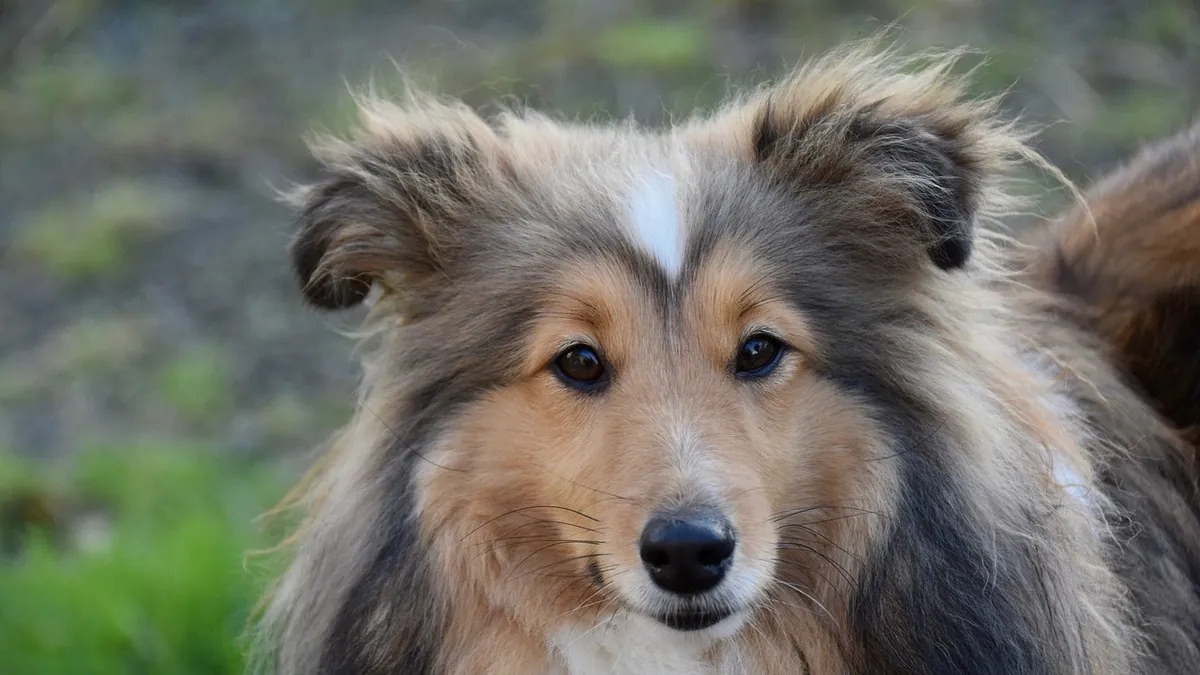
Entropion in dogs symptoms are easy to spot once you know what you are looking at. The eyelid rolls inward, so the hair and skin rub against the surface of the eye. That constant friction causes squinting, tearing, and pawing at the face, and it can damage the cornea if it goes untreated.
This article is educational and is not a substitute for veterinary diagnosis or treatment.
Quick Answer
- Entropion means the eyelid folds inward and the eyelashes or skin rub on the eyeball, which is painful and can injure the cornea.
- The most common early signs are squinting, excessive tearing, redness, and rubbing the eye with a paw or against furniture.
- It is often inherited, and some breeds carry a much higher risk, including Labrador Retrievers, French Bulldogs, and other flat-faced dogs [1].
- Puppies can develop it very young. In one large guide dog program, the median age at first diagnosis was about 6.7 weeks [1].
- Surgery is the usual fix when the eyelid shape is the problem, and most dogs do well after repair [1].
What Entropion in Dogs Eyes Actually Looks Like
Entropion is a rolling inward of the eyelid margin, most often the lower lid. When the lid turns in, the hair on the outside of the lid and the skin itself press against the cornea. The cornea is one of the most sensitive tissues in the body, so this contact hurts.
Owners usually notice the discomfort before they notice the shape of the lid. Your dog may hold one eye partly closed, blink more than usual, or keep the eye squeezed shut. The eye may water heavily, and the fur below the eye can stay wet and stained. Some dogs rub the eye with a paw or drag their face along the carpet.
What a normal eye looks like
A normal eyelid sits against the eye without rolling in or out. The lid margin, the thin edge where the lashes grow, should rest flat against the eyeball. The white of the eye should be white or very pale pink, not beefy red. There should be no thick discharge and no cloudiness over the clear surface.
What entropion looks like
With entropion, you may see the lid edge curled under so the lashes point back toward the eye. The skin below the eye can look like a tight fold pressed against the globe. The eye often looks smaller because your dog is squinting. In long-standing cases the cornea can turn cloudy or develop a dark pigment, which is a sign of chronic irritation.
Some dogs have a spasm of the eyelid muscles from pain, and that spasm pulls the lid further inward. This is called spastic entropion. It can start as a small problem and get worse because the pain itself worsens the roll.
Entropion in Dogs Causes
Most entropion is conformational, meaning it comes from the shape of the dog's skull and eyelids. It is frequently inherited. In a large population of Labrador Retrievers, entropion was common enough that a breeding program was able to cut the incidence roughly in half over about a decade, which supports a strong genetic component [1].
There are other causes too. Anything that makes a dog squint can pull the lid inward and create a secondary entropion. That includes corneal ulcers, foreign material in the eye, and dry eye. Facial nerve problems can also change how the lids sit and lead to eye surface damage, and French Bulldogs were the most commonly affected breed in one review of dogs with facial nerve dysfunction [2].
| Cause | Typical clues | How urgent |
|---|---|---|
| Inherited eyelid shape | Young dog, often a predisposed breed, both eyes or one eye, no injury history | See a vet soon, within days |
| Spasm from eye pain | Sudden squinting after an injury, ulcer, or foreign body | Same day, this can worsen fast |
| Facial nerve dysfunction | Drooping lip or ear on one side, drooling, unable to blink fully | Same day to urgent |
| Chronic eye irritation | Long-term redness, discharge, cloudy cornea | See a vet soon |
| Anatomic roll in flat-faced breeds | Shallow eye socket, prominent eyes, skin folds near the eye | See a vet soon, watch closely |
Entropion in Dogs Breeds and Risk Factors
Breed matters a great deal. Any dog with loose facial skin, a heavy brow, or a short muzzle can be at higher risk. The breeds most often discussed include:
- Labrador Retrievers, which had a measurable incidence in a guide dog breeding program [1]
- French Bulldogs, which were the most common breed in a study of facial nerve dysfunction affecting the eyes [2]
- Other brachycephalic (flat-faced) breeds such as Pugs, Boston Terriers, Boxers, Pekingese, and Shih Tzus, which share skull shapes linked to eye and airway problems [3]
- Toy and small breeds, which show up often in specialty eye practice for a range of inherited eye conditions [4]
Brachycephalic dogs deserve extra attention. Their eye sockets are shallow and their eyes sit more exposed, so lid problems and corneal damage tend to be more frequent and more severe in these breeds [2]. If you own a flat-faced dog, learn what a normal eye looks like on your pet so you can catch changes early.
Age is another factor. Entropion can appear in very young puppies, sometimes before 8 weeks of age [1]. It can also show up in adult dogs after an eye injury or with age-related changes to the lids.
Entropion in Dogs Before and After Treatment
Before treatment, the picture is uncomfortable. Your dog squints, tears, and rubs the eye. The cornea may look dull or cloudy. In severe or long-standing cases the cornea can develop ulcers, pigment, or scarring.
After successful surgery, most owners report a dramatic change. The eye opens fully, the tearing settles, and the rubbing stops. In one program, corrective surgery resolved entropion with no recurrence in about 90 percent of the puppies that had repair [1]. That is a strong result, though every dog is different and some need a second procedure as they grow.
Recovery usually involves an Elizabethan collar to stop rubbing, plus eye medications prescribed by your veterinarian. Follow the recheck schedule closely, because the eyelid can change as swelling goes down and as a puppy grows.
Red Flags That Mean Emergency Care Now
Some eye signs cannot wait. Go to an emergency veterinarian right away if you see any of these:
- The eye is held tightly shut and your dog will not let you look at it
- The cornea looks cloudy, blue, or has a visible dent or crater
- There is thick yellow or green discharge
- The eyeball itself looks like it is bulging or pushed forward
- Your dog is crying, pacing, or pawing at the face nonstop
- Sudden vision loss or bumping into things
A corneal ulcer can worsen within hours. If your dog has entropion and starts squinting much more than usual, treat that as an emergency, not a wait-and-see problem.
Safe Things You Can Do at Home While You Wait
You cannot fix entropion at home, but you can keep your dog comfortable and avoid making things worse.
- Do not rub or massage the eye. Pressure can worsen corneal damage.
- Do not try to pull the lid out or tape it. Home taping can injure the eye.
- Use a clean, damp cloth to gently wipe away discharge from the outside of the eye only.
- Prevent rubbing with an Elizabethan collar or a soft recovery cone.
- Keep your dog away from dusty areas, car rides with the window down, and other eye irritants.
- Do not use leftover eye drops from another pet or a previous illness. Some drops can harm an injured cornea.
- Note the time symptoms started and any changes, so you can give your vet a clear history.
If your dog seems anxious or restless from the discomfort, watch for pacing, whining, and trouble settling. Our guide to dog anxiety signs can help you tell stress from pain.
What Your Veterinarian Will Check and Test
Your vet will start with a full eye exam. They will look at the lid margin, the lashes, the cornea, and the inside of the eye. They will check whether the entropion is the primary problem or a secondary effect of another condition.
Common tests include:
- Fluorescein stain to check for corneal ulcers
- Schirmer tear test to measure tear production
- Tonometry to measure eye pressure
- A close look at the lid and surrounding skin to judge how much tissue is rolling in
If your dog has facial nerve signs such as a drooping lip or an inability to blink, your vet may look for ear disease or other causes. In dogs with facial nerve dysfunction, corneal sensitivity and tear production were both reduced, and ulcerative keratitis occurred in about 62 percent of affected eyes [2]. That is why a full exam matters, not just a quick look at the lid.
Treatment depends on the cause. If an ulcer or foreign body is driving the squinting, treating that may resolve the entropion. If the lid shape is the problem, surgery is usually the answer. Your veterinarian will decide the timing and the technique based on your dog's age, breed, and eye health.
Prevention and Monitoring
You cannot prevent inherited entropion in an individual dog, but you can reduce the risk in a breeding program. Selective breeding lowered the incidence of entropion in one guide dog population from about 6.5 percent to about 3 percent [1]. If you are choosing a puppy, ask the breeder about eye health in the parents and grandparents.
For dogs already at risk, monitor the eyes regularly. Look for squinting, tearing, or redness during grooming, after walks, and during quiet time. Flat-faced breeds need extra care because their eye problems tend to be more severe [2].
Keep up with routine wellness visits. Many eye conditions are easier to manage when caught early. If your dog has other health issues, staying on top of them helps too. Our articles on liver disease symptoms in dogs and small dog breeds health concerns cover related topics that can affect overall eye and body health.
Limitations and When to Contact a Veterinarian
This article gives general information, not a diagnosis. Every dog needs an individual exam, and only your veterinarian can confirm entropion and rule out other eye diseases.
Contact your veterinarian the same day if you notice new squinting, tearing, or eye rubbing, especially if your dog is a breed at higher risk. Go to an emergency clinic immediately if the eye is tightly shut, the cornea looks cloudy or dented, there is thick discharge, or your dog is in obvious pain.
Schedule a routine visit if you have noticed a mild, long-standing change in how the eye looks, such as a slightly rolled lid without much discomfort. Do not wait weeks to have it checked. Early treatment is simpler and safer for the eye.
Frequently Asked Questions
Is entropion in dogs painful?
Yes, entropion is painful because the lid and hair rub against the cornea, which is packed with nerve endings. Dogs often show this by squinting, tearing, and rubbing the eye. Pain relief and treatment should not be delayed.
Can entropion in dogs go away on its own?
Sometimes a mild entropion in a young puppy improves as the head grows and the skin tightens. Many cases do not resolve without help, and surgery is often needed. Your veterinarian can tell you whether waiting is safe for your dog.
How is entropion treated in dogs?
Treatment depends on the cause. If an ulcer or foreign body is behind the squinting, fixing that may correct the lid. When the eyelid shape is the problem, surgery is the usual treatment, and most dogs do well after repair [1].
Are certain breeds more likely to get entropion?
Yes. Breeds with loose facial skin or flat faces are at higher risk, including Labrador Retrievers, French Bulldogs, Pugs, Boston Terriers, Boxers, Pekingese, and Shih Tzus [1][3]. Small and toy breeds also show up often in specialty eye practice [4].
Can entropion cause blindness in dogs?
It can damage the cornea over time, and severe untreated cases can threaten vision. Corneal ulcers, scarring, and pigment can all reduce sight. Early treatment gives the best chance of protecting the eye.
Related Articles
- Dog Anxiety Signs: What Should Owners Watch For?
- Liver Disease Symptoms In Dogs
- Small Dog Breeds: Health Concerns and Care Tips
- Bad Breath Causes For Dogs
- Why Is My Dog Panting at night? Pain, Anxiety & Heart Disease Signs
- What Are the Side Effects of Antibiotics in Dogs?
- Is Entropion in Dogs Hereditary? Breeds and Risk Explained
- Entropion Surgery in Dogs: Recovery, Aftercare and Results
- Vision Loss in Dogs: Signs, Causes, and What to Do
References
- Evaluating the Effectiveness of Selective Breeding and Corrective Surgery on Entropion in Labrador Retrievers From a Guide Dog Program. Veterinary ophthalmology, 2026.
- Ocular Manifestations in Dogs With Facial Nerve Dysfunction. Veterinary ophthalmology, 2026.
- A cross-sectional study into the prevalence and conformational risk factors of BOAS across fourteen brachycephalic dog breeds. PloS one, 2026.
- Common Ophthalmic Conditions in Popular Dog Breeds in Japan: Insights From a Survey of 105 Veterinarians Practicing Ophthalmology. Veterinary ophthalmology, 2026.