Why Is My Dog Twitching? Eye, Ear, and Body Twitches Explained
By Dr. Zubair Khalid, DVM, MS, PhD ·
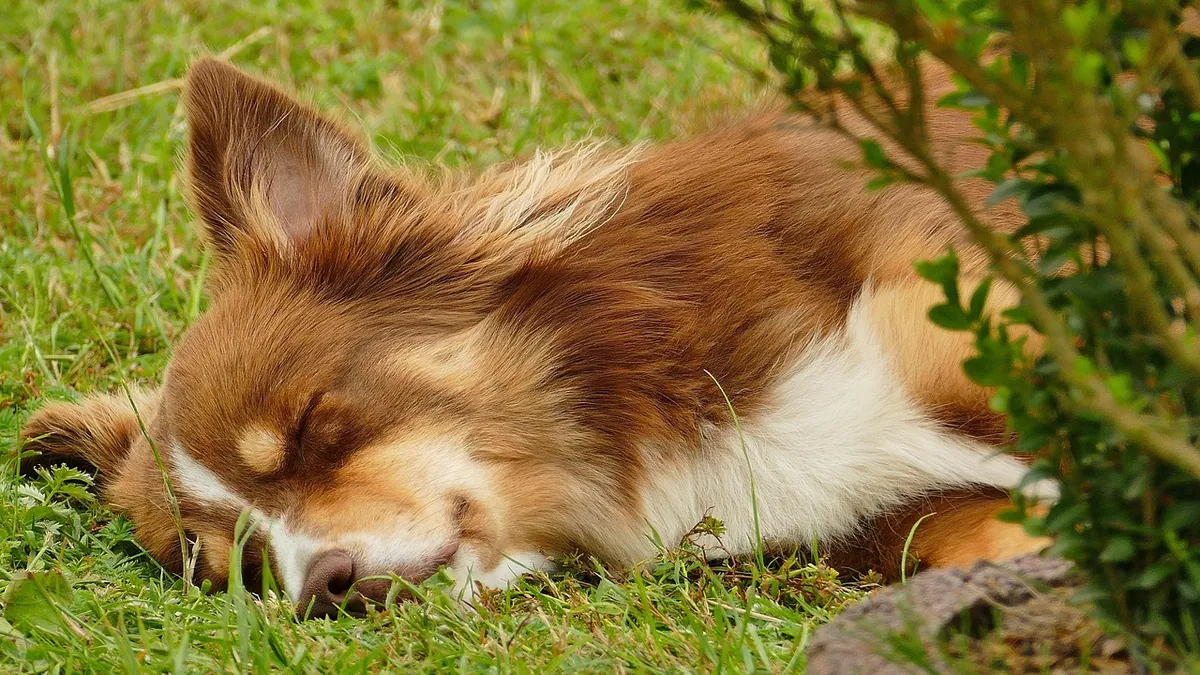
Dog eye twitching is a small, repetitive movement of the eyelid or the muscles around the eye. Most of the time it is harmless, brief, and linked to fatigue, sleep, or a minor irritation. Sometimes, though, twitching is the first sign of a neurological problem, a seizure, or a reaction to medication.
This article is educational and is not a substitute for veterinary diagnosis or treatment.
Quick Answer
- A single eyelid or ear that twitches for a few seconds and stops is usually normal, especially when your dog is drowsy or falling asleep.
- Twitching that happens during sleep, along with paddling legs and quiet whining, is normal dreaming behavior.
- Twitching that spreads to the face, jaw, or whole body, or that comes with drooling, urination, or a blank stare, needs a same-day vet call.
- Twitching that starts within hours of anesthesia or a new medication should be reported to the clinic that treated your dog.
- Video the episode on your phone. A 20-second clip helps your vet more than a description.
What Dog Twitching Looks Like and What Is Normal
Twitching is a quick, involuntary muscle contraction. It can be as small as a flicker under one eye or as large as a whole limb jerking. Owners often notice it most in the eye, ear, or jaw because those areas are easy to watch.
Normal twitches
Dogs twitch in their sleep during the dream phase. You may see eye movement under closed lids, lip smacking, ear flicks, and paw paddling. Your dog wakes normally and is fine. This is not a seizure.
Dogs also twitch when they are tired, cold, or excited. A single eyelid flicker that lasts a second or two and does not repeat is rarely a concern.
Twitches that are different
A tremor is a rhythmic shaking that can be fine or coarse. A myoclonus is a sudden muscle jerk. A seizure is a burst of abnormal brain activity that often changes awareness. These look different from a simple eyelid flicker, and they need a vet's eyes.
One reported movement disorder in dogs is episodic mandibular tremor, which shows up as teeth chattering. In a study of 11 dogs plus 31 survey dogs, all had rapid, short-lasting episodes [1]. This is a specific pattern your vet can help identify.
Why Is My Dog Twitching? Main Causes
There are many reasons a dog twitches. Some are harmless. Some are serious. The table below gives a starting point, but only your vet can sort out which one fits your dog.
| Cause | Typical clues | How urgent |
|---|---|---|
| Sleep and dreaming | Twitching only when asleep, wakes normally | Not urgent |
| Tiredness or cold | Brief eyelid or ear flick, settles with rest or warmth | Not urgent |
| Eye irritation or dry eye | Red eye, squinting, discharge, pawing at face | Routine visit |
| Ear problem | Head shaking, ear scratching, head tilt | Routine to same day |
| Post-anesthesia shivering or twitching | Starts within hours of a procedure, may be mild and brief | Call the clinic |
| Pain or stress | Twitching with pacing, whining, restlessness | Same day |
| Tremor syndromes | Rhythmic shaking, often in one area, dog stays aware | Same day |
| Paroxysmal dyskinesia | Episodes of dystonia, dyskinesia, or tremor with normal awareness | Same day |
| Seizure activity | Loss of awareness, drooling, urination, post-event confusion | Emergency |
| Cognitive dysfunction in older dogs | Twitching plus disorientation, house soiling, night waking | Routine visit |
Dog eye twitching
Dog eye twitching is often the first thing owners notice. It can come from a tired eyelid muscle, a speck of dust, or a mild allergy. It can also be the first sign of a focal seizure that starts in the face.
If the twitch stays in one eyelid and your dog is otherwise bright and eating, watch it for a day. If it spreads to the cheek, lip, or jaw, or if your dog seems "not quite right," call your vet. Red or weepy eyes with twitching may point to an eye problem, and you can read more about that in Why Are My Dog's Eyes Red?.
Dog ear twitching
Ear twitching usually means something is bothering the ear canal. Wax, mites, grass awns, and infections all cause head shaking and ear flicks. A dog with an ear problem often tilts the head or scratches at the ear. See Dog Shaking Head Because Of Ear and Dog Shaking Head And Tilting Ear for more on those patterns.
Ear twitching can also be a focal seizure sign. If the ear flicks in a rhythm and your dog stares or drools, treat it as a possible seizure.
Dog twitching after anesthesia
Twitching after anesthesia is common and usually short-lived. Anesthetic drugs wear off at different rates, and some dogs shiver or have small muscle jerks as they wake. This is often harmless, but it should still be reported to the clinic that did the procedure.
One case report described a 5-year-old Border collie with a resting unilateral tongue contraction that disappeared during premedication and induction with dexmedetomidine, butorphanol, and propofol [2]. That case involved the tongue, not the eye, but it shows how anesthesia can change abnormal movements. If your dog twitches after anesthesia and also vomits, breathes oddly, or will not wake fully, call the clinic right away.
Dog twitching in sleep
Sleep twitching is normal. Dogs cycle through sleep stages, and muscle jerks happen during dreaming. The key difference from a seizure is that your dog wakes up normally and is not confused afterward.
If your dog twitches in sleep and then seems dazed, paces, or is wobbly when awake, that is not normal dreaming. It may be a seizure. You can compare other movement patterns in Why Is My Dog Shaking?.
Movement disorders and tremors
Some dogs have episodic movement disorders. Canine paroxysmal dyskinesia causes transient dystonia, dyskinesia, and tremor while the dog stays conscious [3]. That last part matters. A dog with dyskinesia is aware during the episode, while a dog having a seizure is not.
Episodic mandibular tremor causes teeth chattering that is rapid and short-lasting [1]. It can look like pain or a movement disorder, and vets are still learning how to classify it.
Twitching in older dogs
Older dogs can develop myoclonus along with cognitive dysfunction. In an online survey of 164 geriatric dogs, 146 (89.0%) had both cognitive dysfunction and myoclonus [4]. If your older dog twitches and also seems confused, paces at night, or has accidents indoors, ask your vet about cognitive screening. Pacing and whining can also have other causes, which are covered in Why Is My Dog Pacing and Whining?.
Seizures and epilepsy
Seizures are a major reason to take twitching seriously. A study of 704 dogs with epilepsy found that 99.0% had at least one autonomic sign, meaning body functions changed during or around seizures [5]. Common signs included drooling (87.6%), urination (79.1%), increased thirst (78.4%), and dilated pupils (71.8%) [5]. If you see twitching with drooling, urination, or wide pupils, that points toward seizure activity.
Red Flags That Make It an Emergency
Call an emergency clinic now if you see any of these:
- Twitching that lasts more than 5 minutes without stopping
- Repeated episodes with no full recovery in between
- Loss of consciousness, collapse, or trouble breathing
- Twitching with vomiting, diarrhea, or a swollen belly
- Twitching after your dog ate something toxic, such as chocolate, grapes, or medication
- Twitching with a fever, weakness, or inability to stand
- A head tilt that appears suddenly with twitching and vomiting
For poison exposure, call the ASPCA Animal Poison Control Center at (888) 426-4435 or the Pet Poison Helpline at (855) 764-7661. Have the product label ready.
Safe Things You Can Do at Home While Waiting
Stay calm and keep the area quiet. Loud noise and handling can make twitching worse.
Turn off bright lights and move other pets away. Give your dog a soft, padded space on the floor so a fall will not cause injury.
Do not put your hands near your dog's mouth during an episode. Dogs can bite without meaning to when they are not aware of what is happening.
Video the episode. Note the time it started, how long it lasted, and which body parts moved. This record helps your vet decide whether the event was a seizure, a tremor, or a movement disorder.
Do not give human medications. Do not give any drug unless your vet tells you to. Your veterinarian calculates the dose from your pet's weight and health.
If the twitching stops and your dog acts normal, you can offer water and a quiet place to rest. Call your vet the same day to report what happened.
What Your Veterinarian Will Check and Test
Your vet will start with a full history. They will ask when the twitching started, what it looks like, how long it lasts, and whether your dog stays aware. Bring your video.
The physical exam checks the eyes, ears, mouth, tongue, and nerves. Your vet will look for asymmetry, weakness, or pain. They may test reflexes and watch your dog walk.
Blood work and a urinalysis rule out low blood sugar, liver problems, kidney problems, and electrolyte imbalances. These are common causes of tremors and twitching.
If a seizure or brain problem is suspected, your vet may recommend an MRI and cerebrospinal fluid analysis. In one study of dogs with paroxysmal dyskinesia, cases were sorted into suspected idiopathic, genetic, gluten-sensitive, reactive, and structural groups using history, exam, lab work, gluten sensitivity serology, imaging, and spinal fluid testing [3].
Electromyography can detect abnormal muscle activity. In the Border collie case, electromyography of the tongue showed fasciculation potentials on the affected side [2].
Treatment depends on the cause. Some dogs need no treatment. Others need medication, a diet change, or management of an underlying disease.
Prevention and Monitoring
Keep a symptom log. Write down the date, time, duration, body parts involved, and what your dog was doing before and after. Patterns often emerge after a few weeks.
Stick to a routine. Regular meals, walks, and sleep help dogs with movement disorders and cognitive changes.
Keep up with wellness visits. Older dogs benefit from yearly or twice-yearly exams, especially if twitching is new.
Avoid known toxins in the home. Store medications, chocolate, grapes, raisins, xylitol, and cleaning products out of reach.
If your dog has a seizure diagnosis, give medication exactly as prescribed. Do not skip doses or change the schedule without talking to your vet.
Limitations and When to Contact a Veterinarian
This article cannot tell you what is causing your dog's twitching. Only a veterinarian who examines your dog can do that. Individual cases need a veterinarian.
Contact your vet the same day if twitching is new, is getting more frequent, or comes with any change in behavior, appetite, or energy.
Go to an emergency clinic now if twitching lasts more than 5 minutes, repeats without recovery, or comes with collapse, breathing trouble, or suspected poisoning.
Schedule a routine visit if the twitching is mild, happens only in sleep, and your dog is otherwise normal. Even then, mention it at your next appointment so your vet can track it over time.
Frequently Asked Questions
Is dog eye twitching usually serious?
Most dog eye twitching is not serious. A brief flicker in a tired or sleepy dog is common and harmless. Twitching that spreads to the face, comes with drooling or urination, or changes your dog's awareness needs a vet visit.
Can anesthesia cause twitching in dogs?
Yes, twitching can happen as anesthesia wears off. Anesthetic drugs affect muscles and nerves, and some dogs shiver or jerk during recovery. Report any twitching after a procedure to the clinic that treated your dog, especially if it does not stop or comes with vomiting or trouble breathing.
Why does my dog twitch in sleep?
Sleep twitching is normal dreaming behavior. Dogs move their eyes, twitch their ears, and paddle their legs during the dream phase of sleep. If your dog wakes up normally and is not confused, there is usually nothing to worry about.
What is the difference between a tremor and a seizure?
A tremor is a rhythmic shaking that usually does not change awareness. A seizure often changes awareness and may come with drooling, urination, dilated pupils, or confusion afterward. Video of the event helps your vet tell the two apart.
Should I stop my dog's twitching at home?
No, do not try to stop the twitching yourself. Keep your dog safe, quiet, and away from stairs or furniture. Do not give any medication unless your vet prescribes it, because the dose depends on your dog's weight and health.
Related Articles
- Why Is My Dog Shaking?
- Dog Shaking Head Because Of Ear
- Why Is My Dog Pacing and Whining?
- Why Are My Dog's Eyes Red?
- Dog Shaking Head And Tilting Ear
- Why Is My Dog Drooling?
- Why Does My Dog Twitch in His Sleep? What's Normal
- Tremors in Dogs: Causes, Symptoms, and What They Mean
- Why Is My Dog Quivering? Causes of Tremors and Shaking
References
- Episodic mandibular tremor in dogs: an idiopathic movement disorder or a manifestation of pain. Journal of the American Veterinary Medical Association, 2024.
- Hemilingual tetany ("hemilingual spasm") in a dog. The Journal of small animal practice, 2025.
- Canine paroxysmal dyskinesia: distribution of etiological subtypes and structural and reactive causes in a retrospective tertiary care cohort. Frontiers in veterinary science, 2026.
- Myoclonus in geriatric dogs and its association with canine cognitive dysfunction: an online survey. Frontiers in veterinary science, 2026.
- Owner reported prevalence of autonomic signs in epileptic dogs. Frontiers in veterinary science, 2026.