Why Is My Cat Panting Like a Dog? Causes and When to Worry
By Dr. Zubair Khalid, DVM, MS, PhD ·
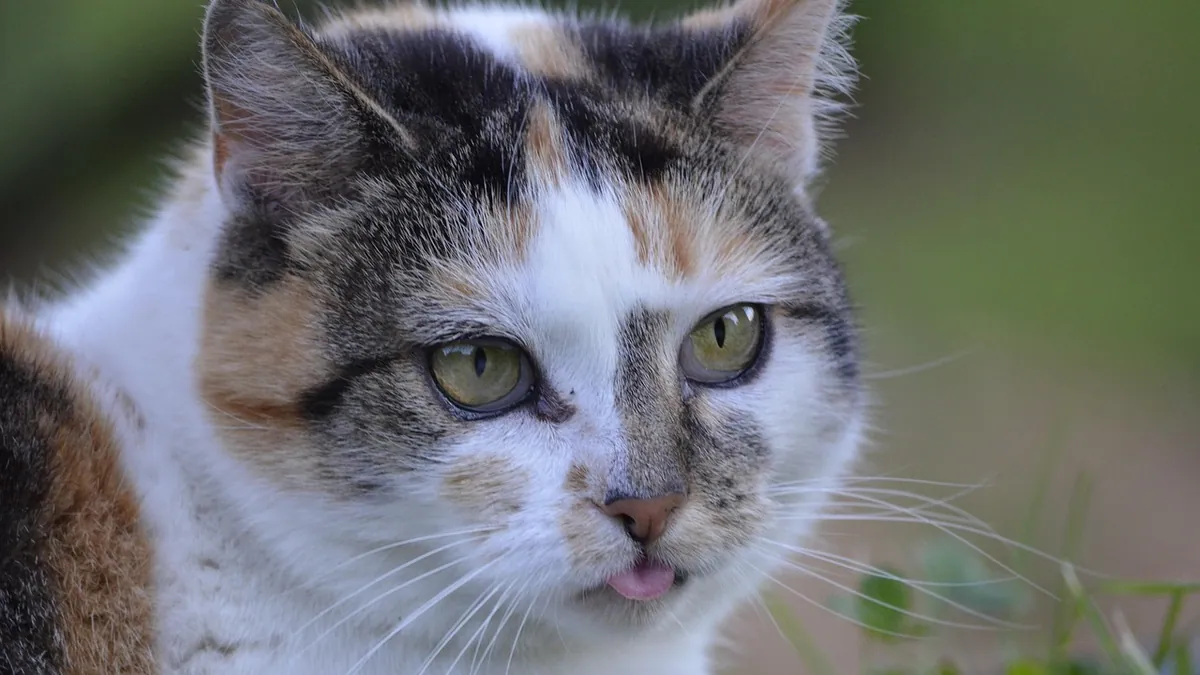
Cats usually breathe through their noses with their mouths closed, so panting is not normal for most cats at rest. A cat that pants like a dog is often stressed, overheated, or struggling to get enough air, and some of those causes are emergencies. If your cat is panting with no obvious trigger, or panting along with weakness, blue gums, or a loud breathing effort, treat it as a medical emergency.
This article is educational and is not a substitute for veterinary diagnosis or treatment.
Quick Answer
- Brief panting after hard play, a car ride, or a stressful vet visit can be normal, especially in kittens and flat-faced breeds. Panting at rest, or panting that lasts more than a few minutes, is not normal.
- Open-mouth breathing in a cat is a red flag. In one study of severely dyspneic cats, respiratory causes accounted for 33% of cases, cardiac causes 25%, and traumatic and neoplastic causes 21% each [1].
- Call your veterinarian or an emergency clinic right away if your cat is panting with blue, gray, or pale gums, collapse, or a breathing effort that makes the belly heave.
- Do not force water, food, or medication into a panting cat. Keep the room quiet and cool and minimize handling.
- A cat that pants once after a scare and then breathes normally through the nose is usually fine to monitor at home. A cat that keeps panting needs to be seen.
What Panting in Cats Looks Like and What Is Normal
Panting means rapid, open-mouth breathing. You may see the mouth open, the tongue out, and the sides of the chest or belly moving fast. Some cats also drool, wheeze, or make a raspy sound.
Normal breathing in a cat is quiet and through the nose. At rest, most cats breathe about 20 to 30 times per minute. You can count breaths by watching the chest rise and fall for 15 seconds and multiplying by four.
A few situations can make a healthy cat pant briefly:
- Intense play or running
- A hot car, hot room, or being left in the sun
- A car ride or a trip to the vet
- Fear or a sudden scare
- Some flat-faced breeds (Persians, Himalayans, Burmese) breathe noisier and tire faster
Kittens pant more easily than adults because they play hard and overheat fast. If your kitten is panting like a dog during play and stops within a minute or two, that is often normal. If your kitten pants at rest or while sleeping, that is not normal and needs a vet visit.
Why Is My Cat Panting Like a Dog? The Main Causes
Panting is a sign, not a disease. The cause can range from harmless to life threatening. The table below groups the common causes by what you are likely to see and how fast you need to act.
| Cause | Typical clues | How urgent |
|---|---|---|
| Heat, exercise, or stress | Panting starts during play, heat, or a scary event. Stops within minutes once the trigger is gone. | Monitor at home. Emergency if it does not stop. |
| Pain or fever | Panting with hiding, not eating, a warm body, or a wound. | Same-day vet visit. |
| Feline asthma | Chronic cough, wheezing, fast breathing, and respiratory distress [2]. | Same-day to emergency, depending on effort. |
| Heart disease and congestive heart failure | Sudden respiratory distress, fast breathing at rest, sometimes a heart murmur. Heart disease caused 25% of severe dyspnea cases in one study [1]. | Emergency now. |
| Pleural effusion (fluid around the lungs) | Quiet, shallow, fast breathing. The cat may sit with elbows out. Fluid was present in 39% of severely dyspneic cats, most often from cardiac causes (38%) [1]. | Emergency now. |
| Upper airway blockage | Open-mouth breathing at rest, noisy breathing, a mass or narrowing in the nose. One cat with a nasal mass had open-mouth breathing at rest from the obstruction [3]. | Emergency now. |
| Trauma | Recent fall, hit by a car, or a fight. Traumatic causes were 21% of severe dyspnea cases [1]. | Emergency now. |
| Cancer in the chest or nose | Slow onset, weight loss, noisy breathing, or a visible mass. Neoplastic causes were 21% of severe dyspnea cases [1]. | Same-day to urgent vet visit. |
| Anesthesia or sedation reaction | Panting or trouble breathing within 24 to 48 hours after a procedure. In a case series, three cats developed anorexia then dyspnea within 24 to 48 hours after anesthesia, and two died [4]. | Emergency now. |
| Anemia or bleeding | Pale gums, weakness, fast breathing. | Emergency now. |
Age matters too. In the same study, the median age was 2 years for traumatic causes and 6 years for respiratory causes [1]. Young cats are more likely to pant from trauma or play. Middle-aged and older cats are more likely to have asthma, heart disease, or cancer.
Why Does My Cat Act Like a Dog?
Some cats fetch, follow you around, and greet you at the door. That is personality, not a medical problem. But if your cat suddenly acts more dog-like in a way that includes panting, open-mouth breathing, or restlessness, that change can be a sign of pain, fever, or breathing trouble. A behavior change plus panting deserves a vet call.
Why Does My Cat Wag Her Tail Like a Dog?
A cat that whips or thumps the tail is usually irritated, overstimulated, or about to swat. Tail wagging in cats is not the happy signal it is in dogs. If your cat is tail wagging and panting at the same time, she is likely stressed, in pain, or short of breath. That combination is a reason to call your vet.
Is It Normal for Cats to Wag Their Tails Like Dogs?
No, not in the dog sense. A slow tail tip flick can mean focus or mild annoyance. A fast, wide tail swish means stop petting or back off. Tail movement alone is not a breathing emergency, but it can help you read your cat when panting starts.
Red Flags That Make Panting an Emergency
Get emergency care now if you see any of these:
- Open-mouth breathing at rest, or panting that does not stop after a few minutes
- Blue, gray, or white gums and tongue
- A breathing effort that makes the belly heave or the elbows stick out
- More than 40 breaths per minute at rest
- Collapse, weakness, or inability to stand
- Loud, raspy, or whistling breathing
- Panting after a fall, car accident, or fight
- Panting within 48 hours after anesthesia or sedation [4]
- Panting with a swollen belly, coughing, or fainting
Cats hide breathing problems well. By the time a cat pants, the problem is often advanced. Do not wait to see if it passes.
Safe Things You Can Do at Home While You Wait
Your job is to keep your cat calm and get help fast.
- Put your cat in a quiet, dim, cool room. Close doors to other pets and children.
- Do not chase, grab, or wrap your cat in a towel unless you must move her.
- Do not force water, food, or pills. A stressed cat can choke or bite.
- Keep the carrier open nearby. Let your cat walk in if she can.
- Turn off the heat, close the blinds, and point a fan away from your cat, not at her face.
- Count breaths for 15 seconds and write down the number. Note gum color and whether the mouth is open.
- Call the clinic before you drive so they can prepare for a cat in respiratory distress.
If your cat is panting after a car ride or a scare and settles within a few minutes, offer water and watch her. If the panting returns or she breathes fast at rest, call your vet. For more on fast breathing at rest, see Cat Panting or Breathing Fast: What It Means.
What the Veterinarian Will Check and Test
Your vet will start with the basics because a panting cat may not tolerate much handling. In one study, dyspneic cats were often unable to tolerate extra diagnostic tests at admission [1].
The first steps usually include:
- Listening to the heart and lungs
- Counting the breathing rate and checking gum color
- Checking temperature, pulse, and hydration
- Gentle chest and belly palpation
- Oxygen support if needed
Next, your vet may recommend:
- Chest X-rays to look for fluid, asthma patterns, or heart size
- Ultrasound of the chest to find fluid and check the heart
- Blood work to check organ function, infection, and anemia
- A heart test called cardiac troponin I, which can rise with heart muscle injury [5]
- Airway tests such as bronchoscopy or lavage if asthma is suspected [2]
Treatment depends on the cause. Asthma is often managed with inhaled corticosteroids, sometimes with bronchodilators [2]. Heart failure is treated with diuretics and other heart medications, and the dose is calculated from your cat's weight and health [5]. Fluid around the lungs may need to be drained. A mass or blockage in the nose may need surgery, and one cat with a nasal obstruction had open-mouth breathing at rest that improved after the mass was removed [3].
Costs vary by clinic, tests, and treatment. Ask for an estimate before care starts. For a closer look at what a breathing workup involves, see Cat Panting or Breathing Fast: What the Vet Will Do and How Much It Costs.
Prevention and Monitoring
You cannot prevent every cause of panting, but you can lower the risk and catch problems early.
- Keep your cat indoors and away from open windows, balconies, and busy roads. Trauma was a top cause of severe breathing trouble in cats [1].
- Watch for breathing changes at home. Count resting breaths weekly and write them down.
- Keep asthma triggers low. Dust, smoke, strong scents, and some cat litters can set off airway inflammation [2].
- Follow heart medication schedules exactly. Missed doses can lead to fluid buildup in the lungs.
- Ask about anesthesia risk if your cat is young or has breathing issues. Juvenile cats and cats given certain premedications may be at higher risk, so dose and monitoring matter [4].
- Book a vet visit for any new cough, wheeze, or fast breathing, even if your cat seems fine otherwise.
- If your cat also has other changes, such as urinating more often, see Cat Urinating Frequently: Causes and When to Worry.
Limitations and When to Contact a Veterinarian
This article cannot tell you what is wrong with your cat. Only a veterinarian who examines your cat can do that. Individual cases need a veterinarian.
Call your vet the same day if your cat:
- Pants once or twice but breathes normally now
- Has a new cough or wheeze
- Is eating less or hiding more
- Has a resting breathing rate over 30 per minute
Go to an emergency clinic now if your cat:
- Is open-mouth breathing at rest
- Has blue, gray, or pale gums
- Is gasping, collapsing, or cannot stand
- Has been panting for more than a few minutes with no clear trigger
- Started panting within 48 hours after anesthesia or sedation [4]
If you are not sure, call. A phone call is free and fast. For panting with trembling or shaking, see Cat Shaking and Panting: When to Rush to the Vet.
Frequently Asked Questions
Why is my kitten panting like a dog?
Kittens often pant during hard play or when they get too warm, and it usually stops within a minute or two of rest. If your kitten pants at rest, while sleeping, or with blue gums, that is an emergency. Kittens can also be at higher risk from some anesthesia drugs, so tell your vet about any panting after a procedure [4].
Why does my cat act like a dog?
Some cats are social, playful, and follow their owners around, which is normal personality. A sudden change in behavior plus panting can point to pain, fever, or breathing trouble. If the behavior change comes with open-mouth breathing, call your vet.
Why does my cat wag her tail like a dog?
Tail wagging in cats usually means irritation or overstimulation, not happiness. A cat that wags her tail hard while panting is likely stressed or uncomfortable. Give her space and watch her breathing.
Is it normal for cats to wag their tails like dogs?
No. Cats use tail movement to signal mood, and fast swishing means back off. Tail movement by itself is not a breathing problem, but it can help you read your cat when panting starts.
Can stress alone make my cat pant?
Yes. Fear, car rides, and vet visits can cause short bursts of panting in a healthy cat. The panting should stop within a few minutes once the stress is gone. Panting at rest, or panting that keeps going, is not stress alone and needs a vet.
Related Articles
- Cat Panting or Breathing Fast: What It Means
- Cat Panting or Breathing Fast: What the Vet Will Do and How Much It Costs
- Cat Urinating Frequently: Causes and When to Worry
- Cat Shaking and Panting: When to Rush to the Vet
- Why Is My Cat So Itchy?
- Dog Panting and Restless at Night: When to Call the Vet
- Why Is My Cat Panting? Causes and When to Worry
- Is It Normal for Cats to Pant? When Panting Is a Warning
- Why Is My Cat Panting in the Car? Causes and Calming
References
- Emergency Dyspnea in 258 Cats: Insights from the French RAPID CAT Study. Veterinary sciences, 2025.
- Feline Asthma-Update on Diagnosis and Treatment Recommendations. The Veterinary clinics of North America. Small animal practice, 2026.
- Nasal hamartoma causing stenosis and partial obstruction in a Siamese cat. Australian veterinary journal, 2026.
- Dyspnea Induced by Alpha 2-Adrenergic Agonists and Dissociative Anesthetics Combination in Dogs and Cats. Animals : an open access journal from MDPI, 2026.
- Recurrent transient myocardial thickening and congestive heart failure in a cat. Journal of veterinary cardiology : the official journal of the European Society of Veterinary Cardiology, 2026.