Cat Not Using Back Legs: Causes and When to Seek Help
By Dr. Zubair Khalid, DVM, MS, PhD ·
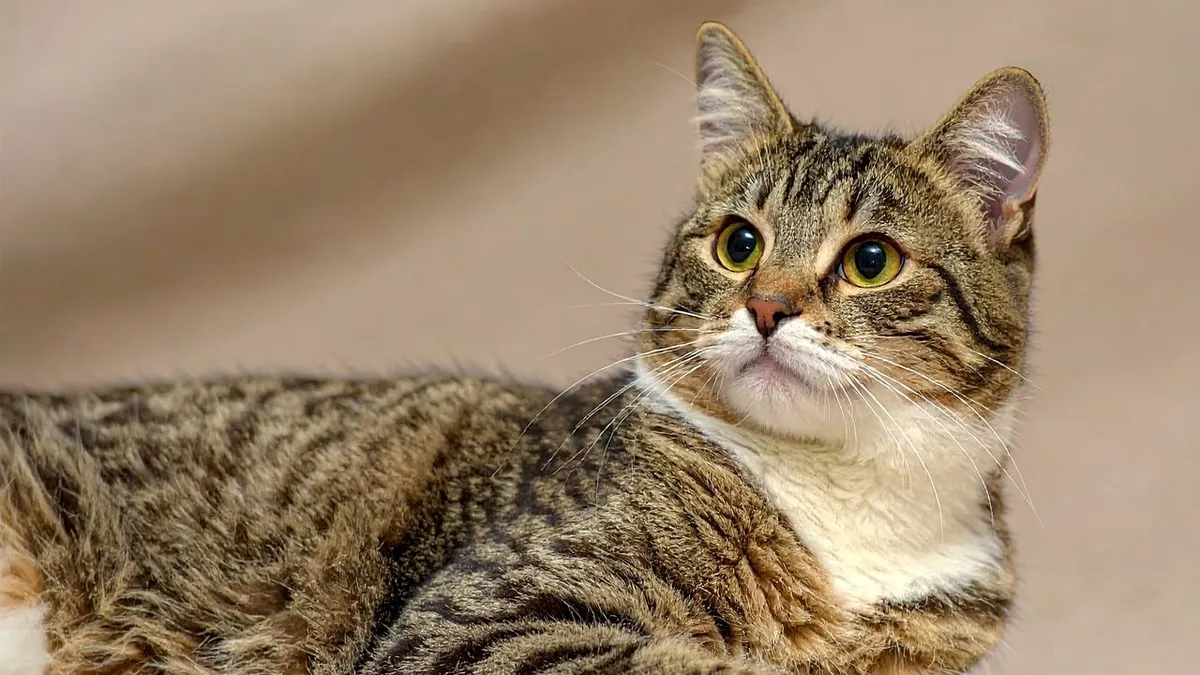
A cat not using back legs has lost some or all function in the hind limbs, which usually points to a problem with the nerves, spinal cord, muscles, or bones that support walking. This can range from a mild weakness to complete paralysis, and some causes are treatable if you act quickly. This article is educational and is not a substitute for veterinary diagnosis or treatment.
Quick Answer
- Sudden loss of hind leg use is an emergency. Call your veterinarian or an emergency clinic right away.
- A cat that drags its back legs, cannot stand, or has lost bladder control needs same-day veterinary care.
- Do not wait to see if it improves on its own. Nerve and spinal cord damage can become permanent within hours to days.
- Keep your cat confined, calm, and off furniture or stairs while you arrange transport.
- Never give human pain relievers to a cat. Many are toxic, and the dose must be calculated by a veterinarian based on your cat's weight and health.
What Hind Leg Weakness or Paralysis Looks Like
The signs can be subtle at first. You might notice your cat is not walking on one back leg, or it is not putting weight on a back leg after a jump or fall. Some cats wobble, cross their legs, or knuckle over on the paw. Others sit differently, drag a limb, or stop grooming the back half of the body.
A kitten not using back legs may have a congenital problem, an injury, or an infection. In older cats, gradual weakness often points to a chronic condition, while sudden collapse usually points to trauma or a vascular event.
Normal cats bear weight evenly on all four legs, jump, climb, and use the tail for balance. They also have reliable control of urination and defecation. If your cat can no longer do these things, the problem is likely neurological or orthopedic, and it needs a veterinary exam.
Paralysis of a hind leg often results from damage to the peripheral spinal nerves [1]. The nerves most often involved are the nerve roots in the lower back or tailbone, or the femoral, sciatic, peroneal, or tibial nerve in the leg [1]. Damage closer to the muscle usually has a better outlook for recovery, so finding the exact location matters [1].
Main Causes of a Cat Not Using Back Legs
| Cause | Typical clues | How urgent |
|---|---|---|
| Trauma (fall, car accident, bite) | Sudden onset, pain, wounds, one or both legs affected | Emergency now |
| Intervertebral disc disease | Progressive weakness, wobbling, sometimes neck or back pain | Same day |
| Spinal tumor or mass | Slow onset, pain, weight loss, incontinence, sometimes a lump | Same day to urgent |
| Nerve injury (sciatic, femoral, or nerve root) | Weak or floppy leg, loss of reflexes, muscle wasting | Same day |
| Congenital defect (spina bifida, meningomyelocele) | Weakness from a young age, leaking urine, a mass over the spine | Urgent |
| Muscle contracture or muscle tumor | Firm mass, limited joint motion, lameness | Urgent |
| Blood clot (saddle thrombus) | Sudden paralysis, cold legs, crying, heavy breathing | Emergency now |
| Infection or inflammation | Fever, pain, sometimes multiple limbs | Same day |
Trauma and Nerve Damage
Falls, car accidents, and animal bites are common causes of sudden hind leg paralysis. A nerve can be stretched, crushed, or severed. Your veterinarian will check posture, gait, spinal reflexes, pain sensation, and muscle condition to locate the injury [1]. Within a few days, muscles can wither and lose mass because they have lost their nerve connection [1]. Testing the electrical activity of the muscles 7 to 10 days after the injury can help pinpoint the damage [1].
Spinal Cord Disease
Intervertebral disc disease is rare in cats compared with dogs, but it does happen [2]. One report described a British Shorthair cat with progressive weakness in all four limbs from disc material pressing on the spinal cord at multiple levels in the neck [2]. The cat had surgery and was fully ambulatory 10 days later, with only mild weakness in one hind leg at the 12-month follow-up [2]. This shows that even serious spinal compression can improve with timely treatment.
Spinal tumors can also cause hind leg weakness. A 2-year-old cat with a mass near the upper spine had pelvic limb ataxia, weakness, and a plantigrade stance (walking on the hocks) [3]. A 6-year-old cat with a sarcoma near the hip later developed progressive hind leg weakness, fecal incontinence, and urinary retention when the tumor spread to the spine [4]. These cases show why a complete workup matters.
Congenital and Developmental Problems
Some kittens are born with spinal defects. A 2.5-year-old cat with chronic progressive weakness and urinary incontinence had a meningomyelocele, a sac-like defect linked to spina bifida [5]. The cat had surgery but remained non-ambulatory and incontinent, though comfort improved [5]. Early recognition gives the best chance of managing these conditions.
Muscle and Joint Problems
Not every hind leg problem is neurological. A firm, nonpainful mass on the outer elbow can cause lameness from brachialis muscle contracture, a rare condition in cats [6]. In reported cases, surgery restored full elbow motion and resolved lameness when the cause was fibrotic muscle [6]. One case was caused by a soft tissue sarcoma, which changes the outlook [6]. If your cat is limping without full paralysis, see Cat Limping on a Back Leg: Causes and Urgency Guide and Cat Limping: When to Worry and What to Do.
Red Flags That Mean Emergency Now
Go to an emergency clinic immediately if you see any of these:
- Sudden inability to move one or both back legs
- Dragging the hind limbs or knuckling over on the paws
- Crying out, panting, or distress
- Cold, pale, or blue-tinged back legs or paws
- Loss of bladder or bowel control
- A leg that is floppy and has no pain response
- Open wounds, bleeding, or a visibly broken limb
- Trouble breathing or a fast heart rate
A blood clot that blocks blood flow to the hind legs causes sudden paralysis, severe pain, and cold limbs. This is a life-threatening emergency. Do not wait for an appointment.
Safe Things You Can Do at Home While Waiting
Keep your cat in a small, quiet space. A carrier or a bathroom with soft bedding works well. Block stairs, furniture, and anything the cat might try to jump onto.
Do not try to splint or straighten a leg yourself. You can cause more damage. If there is bleeding, apply gentle pressure with a clean cloth.
Check for urination. A cat that cannot empty its bladder may need help within hours. If your cat is leaking urine or not urinating, tell the veterinarian.
Offer water but do not force food. If your cat is vomiting or cannot swallow, withhold food until you see the vet.
Never give human medications. Acetaminophen and ibuprofen are toxic to cats. Your veterinarian will calculate any pain medication dose from your cat's weight and health.
Keep your cat warm and calm during transport. Use a sturdy carrier with a towel underneath for support.
What Your Veterinarian Will Check and Test
Your veterinarian will start with a full physical and neurological exam. They will watch your cat walk, stand, and place its paws. They will test spinal reflexes, pain sensation, and muscle tone to find where the problem is [1].
They may check for deep pain perception. If a cat has lost deep pain, the situation is more serious and may need surgery quickly.
Imaging often comes next. X-rays can show fractures or bone changes. Advanced imaging such as MRI or CT can show disc material, tumors, or spinal defects [2][3][4][5]. In one case, a 3D-printed spine model helped surgeons plan a safe operation for a spinal tumor [3].
Blood work and urine tests help rule out infection, metabolic disease, and other causes. If a mass is found, a biopsy can confirm what it is [6][3][4].
Your veterinarian may also test muscle electrical activity 7 to 10 days after a nerve injury to locate the damage [1].
Prevention and Monitoring
You cannot prevent every cause, but you can lower the risk. Keep your cat indoors to reduce car accidents, fights, and falls. Use ramps or steps for older cats so they do not have to jump. Keep your cat at a healthy weight to reduce strain on the spine and joints.
Watch for early signs. A cat that is not putting weight on a back leg, or a cat not walking on a back leg normally, needs a checkup. If your cat is limping but still using the leg, see Why Is My Cat Limping? and Cat Limping on a Front Leg: Common Causes and Urgency Guide.
If your cat has a chronic condition, keep a log of symptoms, appetite, urination, and bowel movements. Bring it to every visit. Follow your veterinarian's plan for rechecks and physical therapy.
Limitations and When to Contact a Veterinarian
This article cannot tell you what is wrong with your cat. Only a veterinarian who examines your cat can do that. Individual cases need a veterinarian.
Contact your veterinarian the same day if your cat is limping, wobbling, or seems weak in the back legs but is still walking.
Go to an emergency clinic now if your cat cannot stand, is dragging its back legs, has lost bladder or bowel control, is crying in pain, or has cold back legs.
Schedule a routine visit if you notice mild, stable changes such as occasional stiffness or a slight limp that has not gotten worse. Even mild signs can be the first clue to a spinal or nerve problem.
Frequently Asked Questions
Will my cat's hind leg paralysis get better?
It depends on the cause and how fast you get treatment. Nerve injuries closer to the muscle have a better outlook for recovery [1]. Some cats with spinal cord compression recover fully after surgery [2]. Others with severe spinal defects may remain weak or incontinent [5].
Can a cat recover from a slipped disc?
Yes, many cats can recover with surgery and supportive care. One cat with disc material pressing on the spinal cord at multiple levels was fully ambulatory 10 days after surgery and had only mild weakness at 12 months [2]. Early treatment gives the best chance.
Is it an emergency if my cat is not moving its back legs?
Yes. Sudden loss of hind leg function is always an emergency. Call your veterinarian or an emergency clinic right away. Do not wait to see if it improves.
Can I give my cat pain medicine at home?
No. Never give human pain relievers to a cat. Many are toxic and can be fatal. Your veterinarian will choose a safe medication and calculate the dose from your cat's weight and health.
What causes a kitten not using back legs?
Kittens can have congenital spinal defects, injuries, infections, or nerve damage. A meningomyelocele linked to spina bifida is one example that can cause weakness and incontinence from a young age [5]. A veterinarian needs to examine your kitten to find the cause.
Related Articles
- Cat Limping on a Back Leg: Causes and Urgency Guide
- Cat Limping on a Front Leg: Common Causes and Urgency Guide
- Cat Coughing: Causes and When to Seek Help
- Cat Limping: When to Worry and What to Do
- Why Is My Cat Limping?
- Cat Hair Loss on Legs: Causes and Treatment Options
- Back Leg Weakness in Cats: Causes and When to Worry
- Cat Dragging Back Legs: Causes and Treatment Options
- Hind Leg Paralysis in Cats: Causes and Treatment Options
References
- Leg Paralysis in Cats - Cat Owners. Merck Veterinary Manual.
- Case Report: Two adjacent ventral slots for treatment of multiple compressive cervical intervertebral disc protrusions in a British Shorthair cat. Frontiers in veterinary science, 2026.
- Use of a three-dimensional-printed spine model for surgical planning in a feline vertebral chondroblastic osteosarcoma. JFMS open reports, 2026.
- Suspected recurrent sarcoma resembling feline injection-site sarcoma with spinal cord invasion in a cat. JFMS open reports, 2026.
- Case Report: Surgical management of a meningomyelocele in a cat. Frontiers in veterinary science, 2026.
- Brachialis muscle contracture as a cause of lameness in cats: A study of four cases. Australian veterinary journal, 2026.