Can Cat Flu Spread to Dogs? What Owners Should Know
By Dr. Zubair Khalid, DVM, MS, PhD ·
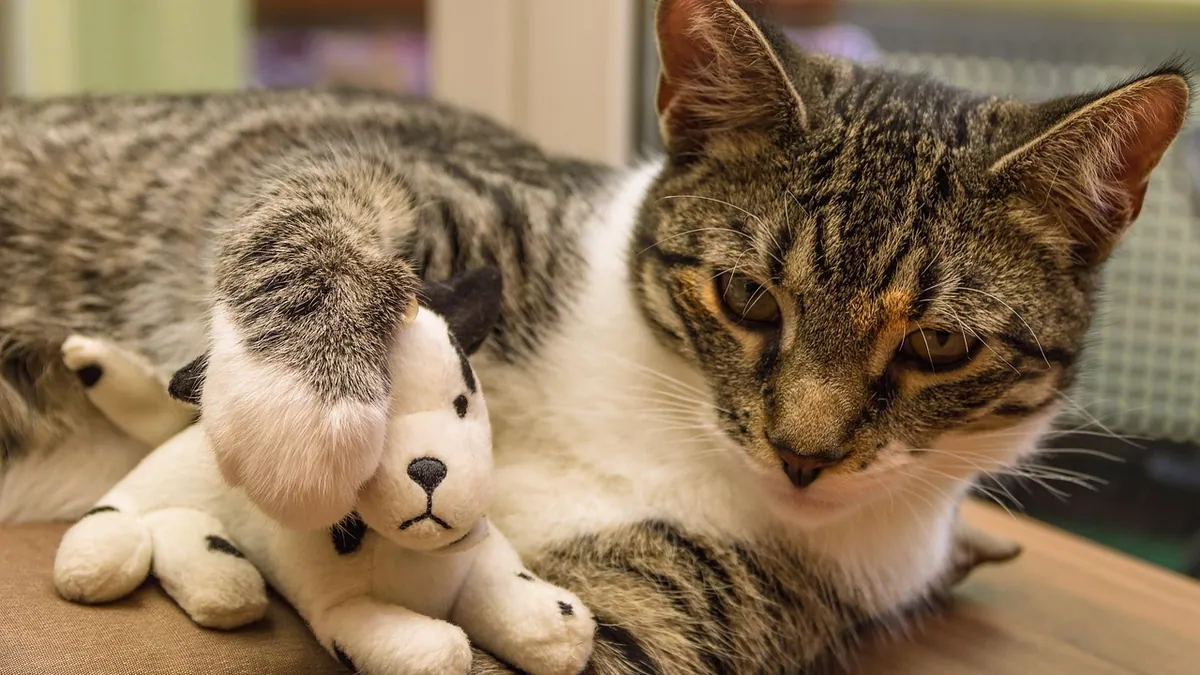
Can cat flu affect dogs? No. The viruses that cause cat flu are feline-specific and do not infect dogs. However, dogs have their own highly contagious respiratory infections that look a lot like cat flu, so it helps to know what is actually spreading and what to do about it.
This article is educational and is not a substitute for veterinary diagnosis or treatment.
Quick Answer
- Cat flu is caused by viruses that only infect cats, so your dog cannot catch it from your cat [1].
- Dogs get their own respiratory infections, most notably canine influenza, which spreads easily between dogs [2][3].
- Canine influenza spreads through coughing, sneezing, shared bowls, and even on people's hands and clothes [3].
- About 20% of infected dogs show no signs but can still spread the virus [2][3].
- If your dog has a lingering cough or nasal discharge, call your veterinarian and keep your dog away from other dogs and cats [4].
What Cat Flu Actually Is
Cat flu is a catch-all term for upper respiratory infections in cats. The two main culprits are feline herpesvirus type 1 (FHV-1) and feline calicivirus (FCV) [5]. These viruses target the nose, throat, and eyes, causing sneezing, runny nose, and watery eyes.
Here is the part that matters for dog owners. Feline herpesvirus is a local contact-infectious pathogen that exclusively affects felines [1]. In other words, it is built for cats. It does not have the tools to infect a dog's cells. The same goes for feline calicivirus. When researchers tested a new FHV-1 detection method against a panel of other viruses, it showed no cross-reactivity with canine distemper virus, canine parvovirus, canine adenovirus, canine coronavirus, or several other cat viruses [1]. That specificity tells you something useful. These are separate diseases in separate species.
So if your cat is sneezing and your dog is sneezing, you are almost certainly looking at two unrelated problems, not one infection passing between them.
Signs Owners Notice
Cat flu signs in cats include sneezing, nasal discharge, ocular discharge, and eye discomfort [6]. Some cats also get mouth or throat involvement, and severe cases can affect the nasal and oral cavities, esophagus, and larynx [5].
Dogs with a respiratory infection show a similar-looking picture. The most common sign of canine influenza is a persistent cough [2]. Some dogs also have nasal discharge, fever, or lethargy. Many infections are mild, and some dogs never show signs at all [2].
That overlap is exactly why owners get confused. A coughing dog and a sneezing cat in the same house can look like one outbreak. In reality, the dog's cough has a dog-specific cause.
If your cat's sneezing is the main thing you are worried about, Cat Sneezing a Lot: Allergies, Infection, or Something Else? walks through the common reasons and when to book a visit.
Causes and Risk Factors
What causes cat flu in cats
FHV-1 and FCV are the primary causative agents of respiratory disease in cats [5]. FHV-1 is widespread worldwide and is a major cause of upper respiratory and ocular disease [7]. It is also very common in young cats, with a clinical incidence rate approaching 100% in that group [1].
What causes respiratory infections in dogs
Dogs have their own set of pathogens. Canine influenza virus is one of the most contagious. Two strains circulate in dogs in the United States, H3N8 and H3N2 [2][3]. The H3N2 strain caused a major outbreak in the Chicago area in 2015 that sickened thousands of dogs and spread to several other states [4].
Canine influenza spreads dog to dog through respiratory droplets from coughing, sneezing, or barking. It also spreads through contaminated objects like water bowls and leashes, and on the hands and clothes of people who have been around an infected dog [2][3]. The incubation period is short, typically 1 to 5 days after exposure, and dogs are most contagious 2 to 4 days after infection [2]. Dogs can be contagious before they ever look sick [2].
Where dogs pick it up
Outbreaks are most common where dogs are in close contact. Kennels, shelters, dog parks, daycare, and training classes are the usual settings [3]. If your dog spends time in any of these places, that is the risk factor to focus on, not your cat.
The cat and dog crossover question
Canine influenza has occasionally been diagnosed in cats in the United States since the 2015 outbreak [4]. That is a dog virus showing up in cats, not a cat virus showing up in dogs. Experimental work has found that cats appear more susceptible to prevalent H3 subtype influenza viruses than dogs are [8]. This is a reminder that influenza viruses can occasionally jump species, but the direction and the virus matter.
The bottom line for your household: cat flu does not affect dogs, and canine influenza is a dog-to-dog problem first.
How It Is Diagnosed
Your veterinarian starts with a physical exam and a history. They will ask about coughing, sneezing, appetite, energy, vaccination status, and any recent contact with other animals or boarding facilities.
Many different viruses and bacteria cause symptoms that look like influenza, so a guess is not good enough when the answer changes how you manage the dog [4]. If your veterinarian wants a definitive answer, they can collect samples and submit them to a veterinary diagnostic laboratory to identify the cause [4]. Testing is most useful early in the illness, before the virus clears.
For cats with suspected cat flu, diagnosis may involve swabs of the nose, throat, or eyes. Newer rapid tests for FHV-1 antigen can detect the virus within 10 minutes from nasopharyngeal or fecal samples [1], though your veterinarian decides whether testing changes the treatment plan.
| Feature | Cat Flu (Cats) | Canine Influenza (Dogs) |
|---|---|---|
| Main causes | Feline herpesvirus-1, feline calicivirus [5] | H3N8 and H3N2 canine influenza virus [2][3] |
| Can it infect the other species? | No, FHV-1 exclusively affects felines [1] | Rarely reported in cats, no evidence of spread to people [4][2] |
| Top signs | Sneezing, nasal and eye discharge [6] | Persistent cough, often mild [2] |
| How it spreads | Direct contact between cats | Respiratory droplets, shared bowls, hands and clothing [2][3] |
| Contagious period | Varies by virus and case | Up to 4 weeks after exposure [2] |
Treatment Options
There is no antiviral pill that cures canine influenza at home. Treatment is supportive, meaning you manage the symptoms while the dog's immune system clears the virus [2]. That usually means rest, good hydration, and keeping your dog comfortable. Your veterinarian may prescribe medications for specific problems like a secondary bacterial infection or a cough that will not settle.
The same principle applies to cat flu. Supportive care, keeping the nose and eyes clean, and encouraging eating and drinking are the mainstays. In severe feline herpesvirus cases with corneal ulcers, veterinarians may use oral antiherpesvirus medication along with eye drops [6]. That is a decision your veterinarian makes after examining the eye, not something to start at home.
Never give your dog or cat human cold or flu medicine. Many of these products contain ingredients that are toxic to pets, and the dose your veterinarian calculates depends on your pet's weight and health.
If your dog is diagnosed with canine influenza, isolation matters. Keep your dog away from other dogs, and as a precaution, keep your dog away from cats as well [4]. A voluntary quarantine of 5 to 7 days prevents transmission of most causes of canine respiratory illness, but dogs with H3N2 influenza should be isolated from other animals for 21 days [4]. Proper isolation means keeping animals at least 20 feet apart and washing your hands well between contacts [2].
Recovery, Outlook, and Long-Term Management
Most canine influenza infections are mild, and most dogs recover with supportive care [2]. The cough can linger for a while even after the dog feels better, so do not assume a lingering cough means treatment failed.
The tricky part is contagion. Dogs should be considered contagious for up to 4 weeks after exposure [2]. That is a long stretch if you have a social dog. Plan for it. Skip the dog park, cancel daycare, and tell anyone who has been around your dog to change clothes and wash hands before handling other dogs.
Canine influenza virus can survive in the environment for 1 to 2 days, but it is readily killed by common disinfectants [2]. Wash bowls, toys, and bedding, and wipe down hard surfaces your dog touches.
For cats, feline herpesvirus can become a lifelong infection that reactivates during stress, which is why some cats have repeated sneezing episodes. Your veterinarian can help you manage triggers and keep symptoms controlled.
If you are also managing parasites or other preventive care during a respiratory illness, Heartworm Prevention for Dogs and Cats: What Owners Need To Know and Flea Prevention for Dogs and Cats: What Owners Should Know cover the basics.
Prevention
Vaccination is the main tool for canine influenza. Control measures consist of routine infection control practices, hygiene measures, and vaccination [2]. Talk to your veterinarian about whether the vaccine fits your dog's lifestyle. Dogs that board, attend daycare, or spend time at dog parks are the usual candidates.
Good hygiene does a lot of quiet work. Wash your hands after handling a sick dog. Do not share bowls or toys between dogs. If you have been around a coughing dog, change your clothes before you handle your own pets.
For cats, keeping stress low and staying current on core vaccines helps reduce the frequency and severity of feline herpesvirus flare-ups. FHV-1 modified live vaccine is designated as a core vaccine for cats [6]. Rarely, vaccine-associated eye problems have been reported in young cats after FHV-1 vaccination [6], so ask your veterinarian about timing and your cat's individual risk.
If you have a multi-pet home, separate sick animals early. A dog with a new cough should not be sharing a water bowl with the cat, even though the cat cannot catch canine influenza in the usual sense. The separation protects the cat from stress and protects other dogs in the house from the dog virus.
Limitations and When to Contact a Veterinarian
This article covers general patterns. Individual cases need a veterinarian who can examine your pet, ask about the history, and decide on testing and treatment.
Contact your veterinarian the same day if your dog has a new persistent cough, nasal discharge, or a change in energy or appetite, especially after boarding, daycare, or a dog park visit. The same goes for a cat with sudden sneezing, eye discharge, or squinting.
Go to an emergency clinic now if your pet is struggling to breathe, has blue or pale gums, collapses, cannot be woken, or stops eating and drinking completely. Breathing difficulty in a small animal can worsen fast.
Book a routine visit if symptoms are mild but have lasted more than a few days, if your cat keeps having sneezing episodes, or if you want to discuss vaccination for canine influenza.
Frequently Asked Questions
Can my dog catch cat flu from my cat?
No. The viruses that cause cat flu, including feline herpesvirus-1 and feline calicivirus, are feline-specific and do not infect dogs. If your dog is coughing while your cat is sneezing, those are two separate health issues and each pet needs its own evaluation.
Does cat flu affect dogs in any indirect way?
Not through infection, but it can affect your household routine. A sick cat may need extra care and separation, and a coughing dog needs its own isolation period. Keeping the two apart during illness reduces stress for both animals and limits the spread of whatever is actually contagious.
What causes cat flu in dogs, if anything?
Nothing does, because cat flu is a cat disease. Dogs get their own respiratory infections from agents like canine influenza virus, and those are what you should be watching for. The signs can look similar, which is why owners often assume one pet gave it to the other.
How long should I keep a sick dog away from my cat?
As a precaution, keep your dog away from cats while it is ill [4]. For most canine respiratory illnesses, a voluntary quarantine of 5 to 7 days is enough, but dogs with H3N2 influenza should be isolated from other animals for 21 days [4]. Your veterinarian can give you a specific timeline based on the diagnosis.
Can people catch canine influenza from a dog?
There is no evidence of transmission of canine influenza H3N2 from dogs to people [2]. The bigger risk is mechanical spread, meaning the virus can travel on your hands, clothes, and shoes to other dogs [2][3]. Wash your hands and change clothes after handling a sick dog.
Related Articles
- Flea Prevention for Dogs and Cats: What Owners Should Know
- Antifreeze Poisoning in Dogs and Cats: What Owners Should Know
- Heartworm Prevention for Dogs and Cats: What Owners Need To Know
- Why Cat Food Is Bad For Dogs
- Cat Sneezing a Lot: Allergies, Infection, or Something Else?
- Vaccine Reactions in Dogs and Cats: Anaphylaxis vs Mild Lethargy Triage
- Cat Flu and Viral Infections: Signs and When to Worry
- Can Dogs Get Cat Herpes or Kennel Cough From Cats?
- Can Dogs Get Calicivirus? Symptoms and Treatment Facts
- Canine and Feline Respiratory Infections: Etiology, Transmission, Zoonotic Risk, and Diagnostic Approaches
- Cat Respiratory Infections: Etiology, Clinical Signs, Zoonotic Potential, and Management
References
- Rapid and sensitive detection of feline herpesvirus-1 using fluorescent microspheres as labels for immunochromatographic test strips. Veterinary research communications, 2026.
- Canine Influenza (Flu) - Respiratory System. Merck Veterinary Manual.
- Canine Influenza (Flu) - Dog Owners. Merck Veterinary Manual.
- Canine Influenza - Can It Affect Your Cat?. Cornell University College of Veterinary Medicine.
- Feline herpesvirus and calicivirus: Occurrence and pathology in cats with respiratory disease. Topics in companion animal medicine, 2025.
- Corneal Lesions Associated With Feline Herpesvirus-1 Modified Live Vaccine Strain F2 in Two Cats. Case reports in veterinary medicine, 2026.
- Tracing feline herpesvirus-1 exposure in domestic cats from Namibia: associations with neutralising antibodies, vaccination, clinical signs, and retroviral status. Veterinary research communications, 2026.
- Cats are more susceptible to the prevalent H3 subtype influenza viruses than dogs. Virulence, 2026.