Calicivirus Limping Syndrome in Cats: Why Cats Limp
By Dr. Zubair Khalid, DVM, MS, PhD ·
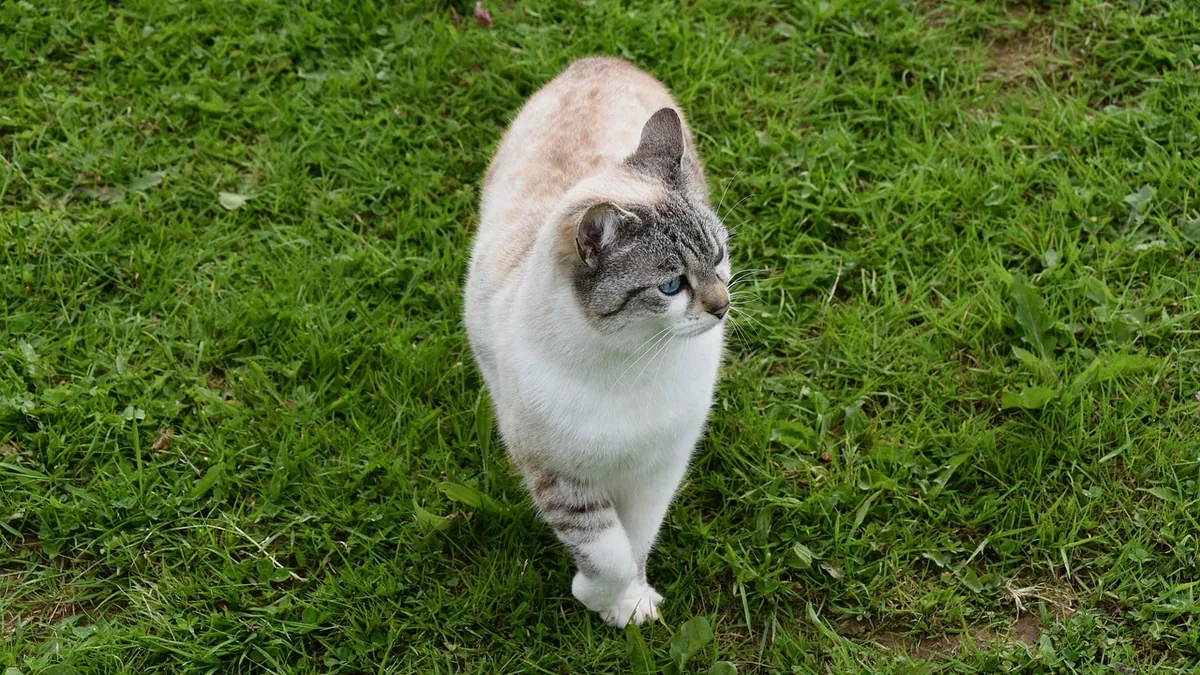
Calicivirus in cats limping can cause sudden, shifting lameness, often with a fever or mouth sores. This happens because the virus can settle in the joints and set off inflammation, a condition called limping syndrome. Most cats improve with supportive care, but a vet visit is needed to rule out injuries and other causes.
This article is educational and is not a substitute for veterinary diagnosis or treatment.
Quick Answer
- Calicivirus can cause sudden limping, usually in more than one leg, and cats often feel feverish and sore for a few days.
- Limping syndrome can also follow a calicivirus vaccination, so a recent shot is a clue your vet will want to know about [1].
- A cat that suddenly will not bear weight on a leg needs same-day veterinary care, because a fracture, bite wound, or clot can look similar.
- Keep your cat quiet and indoors, offer soft food and water, and do not give any human pain medicine.
- Most cats with uncomplicated limping syndrome recover in a few days with rest, fluids, and pain control prescribed by your vet.
What Calicivirus Limping Syndrome Looks Like
Feline calicivirus (FCV) is one of the most common viruses in cats. It usually causes sneezing, runny nose, eye discharge, and ulcers on the tongue or gums [2]. Some cats, though, develop sore, swollen joints instead of, or along with, those classic signs. Owners often describe a cat that was fine in the morning and is hopping or refusing to walk by evening.
The lameness tends to move around. One day it is the left front leg, the next day the right back leg. Cats with this pattern often have a fever and act quiet, hide, or stop grooming. They may flinch when you touch their legs or cry out when picked up. Appetite often drops, partly from feeling sick and partly from mouth pain if ulcers are present.
This is different from the slow, steady stiffness of arthritis in an older cat. Arthritis limps get worse over weeks and are usually worse after rest. Limping syndrome comes on fast, often overnight, and can shift between limbs. If your cat's limp has been building slowly, see Cat Limping: Arthritis or Something Else? How to Tell.
Causes of Sudden Limping in Cats
Limping has many causes, and calicivirus is only one of them. Your vet's first job is to sort out which one your cat has, because the treatment and urgency differ a lot.
| Cause | Typical clues | How urgent |
|---|---|---|
| Calicivirus limping syndrome | Sudden lameness in more than one leg, fever, mouth ulcers, recent FCV exposure or vaccination [1] | Same-day vet visit |
| Soft tissue injury (sprain, strain) | One leg, started after a jump or fall, no fever | Same-day to next-day visit |
| Fracture | One leg, will not bear weight, swelling or deformity, severe pain | Emergency now |
| Bite wound or abscess | Puncture, swelling, heat, pus, one leg, often an outdoor cat | Same-day vet visit |
| Arthritis | Older cat, slow onset, worse after rest, both sides often | Routine visit |
| Nerve or spinal problem | Weakness, dragging a paw, trouble using back legs, pain along the spine | Emergency now |
| Blood clot (saddle thrombus) | Sudden back leg paralysis, cold paw, crying, heavy breathing | Emergency now |
Calicivirus joint disease is real and underrecognized. In one report, three household cats with natural FCV infection developed polyarthritis, meaning inflammation in multiple joints, and viral RNA or antigen was found in the affected joints [1]. One cat in that report was euthanized for welfare reasons, and examination showed ongoing joint inflammation eight months after the limping started, which supports the idea that FCV can persist in joints [1].
A separate severe form of FCV, called virulent systemic disease, can cause swelling of the footpads along with pneumonia and organ damage. This was described in a kitten from a cattery with an FCV outbreak, where the virus was found in many organs and the highest amount was in the lung [3]. This form is uncommon but serious, and it is one reason a limping cat with breathing trouble needs emergency care.
If you are not sure whether the problem is the leg or the paw, see Cat Limping Paw. For a front-leg limp specifically, see Cat Limping on a Front Leg: Common Causes and Urgency Guide.
Red Flags That Mean Emergency
Some signs mean you should stop reading and call an emergency clinic now.
- Sudden paralysis of one or both back legs, with a cold paw and crying. This can be a blood clot.
- Open wound, exposed bone, or a leg that dangles at a strange angle.
- Heavy or open-mouth breathing, especially with a limp or footpad swelling [3].
- Collapse, pale gums, or a cat that cannot be woken.
- A leg that is swollen tight and hot, or skin that is turning dark.
- No urine for more than 12 hours in a cat that cannot walk to the box.
- Bleeding that will not stop after 5 minutes of firm pressure.
Any of these needs to be seen immediately. Do not wait for a morning appointment.
Safe Things You Can Do at Home While You Wait
You cannot treat calicivirus at home, but you can keep your cat comfortable and lower the risk of making things worse.
- Confine your cat to one quiet room. No stairs, no jumping on furniture, no outdoor access.
- Put food, water, and a low-sided litter box within easy reach so your cat does not have to walk far.
- Offer soft, smelly food warmed slightly. Cats with mouth ulcers often eat better when food is soft and room temperature.
- Wipe nose and eye discharge with a warm damp cloth.
- Keep other cats in the home separated if your cat is sneezing or drooling, since FCV spreads easily between cats.
- Do not give any human pain medicine. Acetaminophen and ibuprofen are toxic to cats, and even "pet" doses must be calculated by your vet from your cat's weight and health.
- Do not try to splint or wrap a leg yourself. A bad wrap can cut off circulation.
- Take a short video of your cat walking. It helps your vet see the pattern, especially if the limp shifts between legs.
If your cat stops eating for more than 24 hours, or stops drinking, call your vet the same day. Cats that do not eat can develop liver problems quickly.
What Your Veterinarian Will Check
Your vet will start with a full physical exam. They will feel every leg and joint, check for swelling and heat, look inside the mouth for ulcers, and listen to the heart and lungs. They will also take your cat's temperature, since fever is common with limping syndrome.
Then they will ask about history. Key questions include recent vaccination, contact with other cats, boarding or shelter stays, and whether the limping moves between legs.
Testing depends on what they find. Common options include:
- Blood work to check organ function and look for signs of inflammation or infection.
- X-rays of the affected legs to rule out fracture and to look for joint changes.
- Joint fluid sampling, where a small amount of fluid is drawn from a swollen joint and sent for analysis.
- FCV testing, usually by PCR on a swab or fluid sample. PCR detects viral RNA and is the standard lab method for FCV [4].
- Testing for other causes, such as feline leukemia virus, feline immunodeficiency virus, and tick-borne disease, if the history fits.
FCV can also affect the nervous system in some cats, so a cat with a limp plus wobbliness, head tilt, or behavior change may need a neurological exam [5]. This is uncommon, but it changes the plan.
Treatment for limping syndrome is supportive. Your vet may prescribe pain relief and an anti-inflammatory, fluids if your cat is dehydrated, and antibiotics only if a bacterial infection is also present. There is no antiviral approved for routine FCV treatment in cats, though research into antiviral options is ongoing [2]. Most cats with uncomplicated limping syndrome improve within several days, but some have longer or recurring episodes [1].
Preventing and Monitoring Calicivirus in Cats
FCV spreads through saliva, nasal discharge, and eye discharge, and it can survive on surfaces, bowls, and hands. Good hygiene matters more than most owners realize.
- Keep your cat's vaccinations current. The FCV vaccine reduces severe disease, though it does not fully prevent infection or limping syndrome [1].
- Wash food and water bowls daily with hot soapy water.
- Wash your hands after handling a sick cat, and change clothes before handling other cats.
- Keep new cats separated for at least two weeks before introductions.
- Reduce stress in multi-cat homes. Crowding and shared litter boxes make spread easier.
- If your cat has had limping syndrome before, note the pattern. Recurring limps are worth mentioning at every checkup.
Monitor your cat at home by watching for these changes: eating less, hiding more, limping that moves to a new leg, fever, drooling, or breathing that looks faster than usual. Any of these means a call to your vet.
For a broader look at limping in cats and when to worry, see Cat Limping: When to Worry and What to Do and Why Is My Cat Limping?.
Limitations and When to Contact a Veterinarian
This article covers common patterns, but every cat is different. A limp that looks like calicivirus could be a fracture, a clot, or an infection that needs different care. Only a veterinarian who examines your cat can tell you what is going on.
Call your vet the same day if:
- Your cat is limping and has a fever, mouth ulcers, or recent FCV exposure.
- Your cat will not put weight on one leg.
- Your cat has stopped eating or drinking for more than 24 hours.
- The limp has lasted more than 48 hours or is getting worse.
- Your cat is sneezing, drooling, or has eye discharge along with the limp.
Go to an emergency clinic now if:
- Your cat cannot use a back leg, the paw is cold, or your cat is crying in pain.
- Your cat is breathing hard, breathing with an open mouth, or has blue gums.
- Your cat collapsed or cannot be woken.
- There is an open wound, heavy bleeding, or a visibly broken leg.
- Your cat's footpads are swollen and your cat is very sick [3].
Schedule a routine visit if:
- Your cat has a mild limp that comes and goes over weeks.
- Your cat has had limping episodes before and you want to discuss a monitoring plan.
- You want to review vaccination status or discuss a multi-cat household plan.
Frequently Asked Questions
Can calicivirus really make a cat limp?
Yes. FCV can cause inflammation in multiple joints, and viral RNA or antigen has been found in the joints of naturally infected cats with lameness [1]. The limp often comes on suddenly and can shift from leg to leg. It usually improves with supportive care, but some cats have longer episodes.
How long does calicivirus limping last?
Many cats improve within several days with rest and pain control. Some cats have longer courses, and one reported case showed joint inflammation still present eight months after the limping began [1]. If your cat is still limping after a few days, or getting worse, call your vet.
Is limping after a calicivirus vaccine possible?
Yes. Limping syndrome has been reported after FCV vaccination as well as during natural infection [1]. The pattern is usually the same: sudden lameness, often in more than one leg, with or without fever. Tell your vet the date of the last vaccine so they can factor it in.
Do all cats with calicivirus limp?
No. Most cats with FCV get upper respiratory signs like sneezing, runny nose, and mouth ulcers [2]. Limping syndrome is a less common form. Some cats get both together, and a few develop severe systemic disease with footpad swelling and pneumonia [3].
Can I give my cat pain medicine at home?
No. Human pain medicines like acetaminophen and ibuprofen are toxic to cats, and cat-safe pain drugs must be dosed by a veterinarian based on your cat's weight and health. Giving the wrong drug or dose can cause serious harm. Call your vet for guidance instead.
Related Articles
- Why Is My Cat Limping?
- Cat Limping: Arthritis or Something Else? How to Tell
- Cat Limping Paw
- Cat Limping on a Front Leg: Common Causes and Urgency Guide
- Cat Limping: When to Worry and What to Do
- Cat Limping on a Back Leg: Causes and Urgency Guide
- Calicivirus in Cats: Treatment and Is It Curable?
- How Do Cats Get Calicivirus? Transmission Explained
- Cat Limping After a Vaccine: Normal or a Problem?
- Feline Calicivirus
- Feline Calicivirus Virulent Systemic Disease
References
- Natural cases of polyarthritis associated with feline calicivirus infection in cats. Veterinary research communications, 2022.
- Antiviral effect of poly(styrene 4-sulfonate) (PSSNa) on feline calicivirus oral infections in cats-field study. The veterinary quarterly, 2026.
- Description of a Virulent Systemic Feline Calicivirus Infection in a Kitten with Footpads Oedema and Fatal Pneumonia. Pathogens (Basel, Switzerland), 2025.
- Surface-Primed qPCR on Metal-Organic Frameworks for Extraction-Free Diagnostic Detection of Feline Calicivirus. Analytical chemistry, 2026.
- Feline calicivirus localization in central nervous system cells of cats with neurological lesions. Veterinary and animal science, 2026.