How Do Cats Get Calicivirus? Transmission Explained
By Dr. Zubair Khalid, DVM, MS, PhD ·
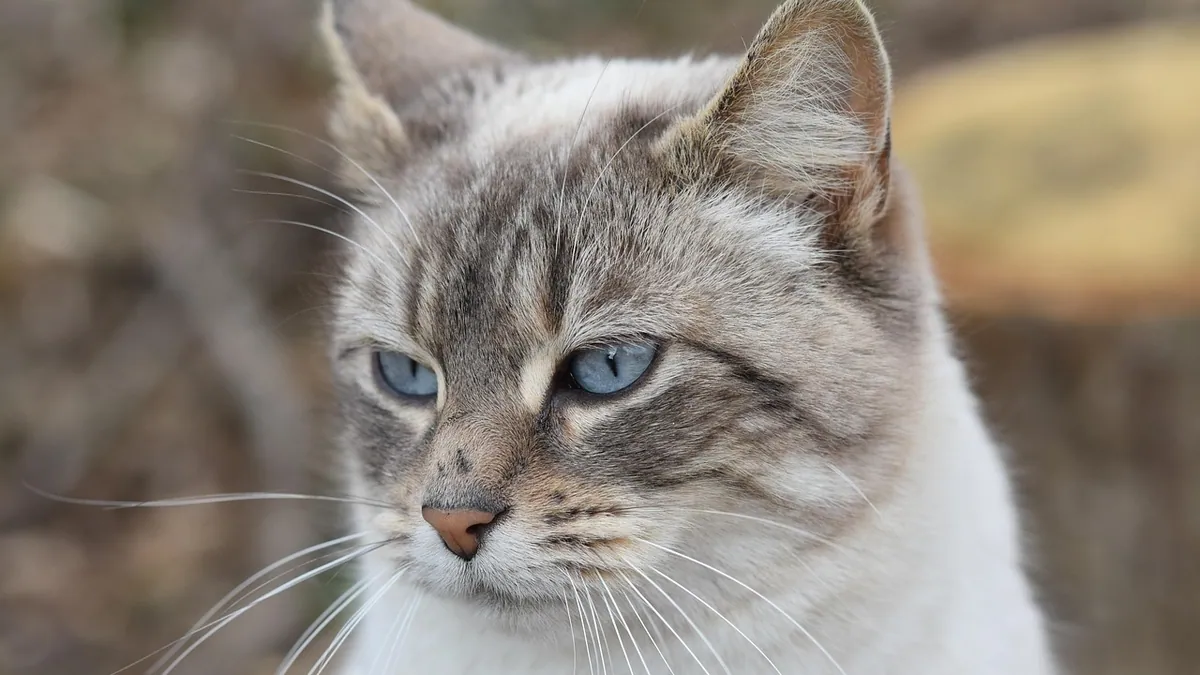
Cats get calicivirus mostly through close contact with an infected cat. The virus rides in saliva, nasal fluid, and eye discharge, and it passes to other cats through grooming, shared food and water bowls, sneezing, and contaminated surfaces. This article explains how calicivirus in cats spreads, how do they get it in everyday situations, and what you can do to protect the other cats in your home.
This article is educational and is not a substitute for veterinary diagnosis or treatment.
Quick Answer
- The main route is direct cat-to-cat contact, especially saliva and nasal droplets from an infected cat.
- Shared bowls, bedding, toys, carriers, and human hands can carry the virus between cats.
- Cats can shed the virus even when they look completely healthy, so a new cat can bring it home without any obvious signs [1].
- The virus is fragile outside the body but can survive long enough on surfaces and hands to infect the next cat.
- Keeping sick cats separated, washing hands, and disinfecting bowls and bedding lowers the risk to your other cats.
What Is Calicivirus in Cats?
Feline calicivirus, often shortened to FCV, is one of the most common viral causes of upper respiratory disease in cats. It typically produces sneezing, runny nose, runny eyes, mouth ulcers, and fever [2]. Most cats recover with supportive care, but the virus is highly variable, and some strains cause much more serious illness.
A severe form called virulent systemic feline calicivirus, or VS-FCV, can affect multiple organs. It has been described in cats with severe pneumonia and swelling of the footpads, and it can be fatal [2]. FCV can also reach the central nervous system in some cats, and a study of brain tissue from 67 cats found the virus in cats with neurological signs as well as those with respiratory or systemic illness [3]. That does not mean every cat with calicivirus develops these problems. It means the range of disease is wider than many owners expect.
Calicivirus is not the same as feline herpesvirus, though the two often occur together. In one study of 107 cats, FCV was found in about a third of them, and co-infection with both viruses was common [1]. If your cat has a respiratory panel done, it may test for both at the same time. You can read more about that testing in Feline PCR Respiratory Panel: Diagnosing Herpesvirus, Calicivirus and Chlamydia.
Signs Owners Notice
Calicivirus signs can range from mild to severe. Watch for:
- Sneezing and a clear or thick nasal discharge
- Runny eyes, squinting, or redness around the eyes
- Drooling, bad breath, or refusing to eat because of mouth pain
- Ulcers on the tongue, gums, or lips
- Fever, lethargy, and hiding
- Limping or joint soreness, which some cats develop
- In severe cases, trouble breathing, swelling of the paws, or yellowing of the skin
Mouth ulcers are a classic clue. A cat with calicivirus may sit at the food bowl, want to eat, and then walk away because chewing hurts. If your cat stops eating for more than a day, call your veterinarian.
Some cats carry the virus without any signs at all. In one study, FCV was detected in 27.63 percent of clinically healthy cats, compared with 48.38 percent of cats with clinical signs [1]. That healthy carrier state is a big reason the virus moves so easily between cats.
How Do Cats Get Calicivirus? Causes and Risk Factors
This is the heart of the question. Calicivirus spreads through several routes, and most infections trace back to close contact with another cat.
Direct contact with an infected cat
The virus is shed in saliva, nasal secretions, and eye discharge. When an infected cat grooms another cat, shares a food bowl, or sneezes nearby, the virus has a clear path to the next cat. Multi-cat homes, shelters, boarding facilities, and catteries are the highest-risk settings because cats live in close quarters [2].
Contaminated objects and surfaces
Bowls, water fountains, bedding, toys, litter boxes, carriers, and even your hands and clothing can carry the virus from one cat to another. The virus does not need to be airborne over long distances to spread. A shared water bowl is enough.
Healthy carriers and new cats
A cat can shed FCV while looking perfectly normal [1]. This is why a new cat or kitten can introduce the virus into a household with no warning signs. A kitten from a cattery where respiratory disease had been reported developed a severe form of calicivirus, which shows how quickly the virus can move through a group of cats [2].
The virus changes over time
FCV mutates and evolves, which affects how well a cat's immune system recognizes it. Researchers found that vaccine-induced antibodies neutralized most isolates they tested but had much weaker activity against two strains isolated from vaccinated cats [4]. In another analysis, FCV isolates fell into two main genotypes, and the one that dominated recent outbreaks in Asia showed greater host adaptability and caused higher mortality and wider tissue spread in an experimental comparison [5]. This is why vaccinated cats can still get infected, though vaccination generally reduces the severity of illness.
Risk factors that raise the odds
- Living with multiple cats
- Coming from or visiting a shelter, rescue, or boarding facility
- Being a kitten or a senior cat
- Having a weakened immune system or another illness
- Sharing bowls, bedding, and litter boxes with an infected cat
- Not being vaccinated, or being overdue for boosters
A note on other viruses and look-alike problems
Calicivirus is not the only cause of sneezing and runny eyes. Herpesvirus is common too, and co-infection is frequent [1]. If your cat has skin or ear problems instead of respiratory signs, those usually point to a different cause, such as parasites or ringworm. See Why Is My Cat So Itchy? and Ringworm In Cats for those topics.
How Calicivirus Is Diagnosed
Your veterinarian starts with a physical exam and a history of your cat's signs, living situation, and vaccination status. Mouth ulcers, sneezing, and a recent exposure to another cat often point toward calicivirus.
Testing can confirm it. A common method is reverse transcription polymerase chain reaction, or RT-PCR, which detects viral RNA from swabs of the nose, throat, or eyes [3][1]. In one study, samples included conjunctival, nasal, and oropharyngeal swabs plus blood, and PCR was used to identify both FCV and herpesvirus [1]. Newer methods aim to make this faster and simpler, including a surface-primed PCR technique that detected FCV RNA in about 90 minutes without a separate RNA extraction step [6].
Testing is most useful when the diagnosis is unclear, when a cat is very sick, or when you need to know whether a virus is circulating in a multi-cat home. A positive test does not always mean the virus is the only problem, since healthy cats can test positive too [1].
Treatment Options
There is no antiviral drug approved to cure calicivirus in cats, so treatment focuses on supporting your cat while the immune system fights the virus. Your veterinarian will tailor the plan to your cat's signs and overall health.
Supportive care often includes:
- Fluids to prevent dehydration, given under the skin or into a vein
- Pain relief for mouth ulcers, so your cat will eat again
- Soft, strong-smelling food, sometimes warmed, to encourage eating
- Antibiotics only if a secondary bacterial infection is present
- Nose cleaning and humidified air to ease congestion
- Hospital care and oxygen for cats with pneumonia or breathing trouble
Any medication dose depends on your cat's weight, kidney and liver health, and other conditions. Your veterinarian calculates the dose for your pet. Never give human pain relievers to a cat, since some are toxic.
Researchers are studying immune-stimulating treatments for FCV. One experimental approach used a TLR9 agonist called CpG49, which reduced viral replication and lowered an inflammatory marker in infected cats [7]. This is research, not a standard treatment you can request today, but it shows where new options may come from.
Recovery, Outlook, and Long-Term Management
Most cats with typical calicivirus improve within one to two weeks with supportive care. Some stay congested or have flare-ups later. A small number develop severe disease, and those cats need aggressive treatment and may not survive [2].
After recovery, many cats become carriers and can shed the virus intermittently, especially during stress or illness. That means a cat who seems fine can still pass FCV to a new cat in the home. There is no reliable way to clear the carrier state, so management focuses on reducing stress and keeping other cats vaccinated.
Long-term care for a cat with chronic calicivirus signs may include:
- Keeping the nose and eyes clean
- Offering soft or warmed food during flare-ups
- Managing stress, since stress can trigger shedding and symptoms
- Regular veterinary checkups, especially if your cat has ongoing mouth or breathing problems
- Keeping vaccinations current, even for cats that have had the virus
If your cat has repeated urinary problems, that is usually a separate issue. See What Can Cause A Urinary Tract Infection In A Cat for that topic.
Prevention and Protecting Other Cats in the Home
Prevention comes down to limiting exposure and keeping the immune system strong.
Vaccination
Core vaccines for cats include protection against calicivirus. Vaccination does not block every infection, and strains vary in how well they are neutralized [4][5], but it usually reduces how sick a cat gets. Keep your cat's boosters on schedule, and ask your veterinarian what schedule fits your cat's lifestyle.
If you have a sick cat at home
- Separate the sick cat in its own room with its own bowls, litter box, and bedding.
- Wash your hands with soap and water after handling the sick cat, and change clothes if you can.
- Clean bowls, toys, and surfaces with a disinfectant labeled for use against feline viruses. Ask your veterinarian which products are safe for your home.
- Do not share food or water bowls between cats.
- Keep the sick cat away from other cats until your veterinarian says it is safe.
- Feed cats in separate spots so they are not eating from the same dish.
If you are bringing home a new cat
- Keep the new cat separated from resident cats for at least two weeks.
- Have the new cat examined by a veterinarian before introductions.
- Ask about testing if the new cat came from a shelter or a multi-cat setting.
- Introduce cats gradually, and watch for sneezing, eye discharge, or mouth pain in any cat.
If your cat goes to a boarding facility or show
Catteries, shelters, and boarding facilities are common places for FCV to spread [2]. Ask about vaccination requirements and cleaning protocols before you book. If your cat comes home with a runny nose or mouth ulcers, call your veterinarian.
A quick word on other risks
Calicivirus is not contagious to people, and it is not the same as rabies. If you are worried about a bite or scratch from any cat, see Can You Get Rabies From A Cat Scratch.
| Situation | Risk level | What to do |
|---|---|---|
| New cat from a shelter or cattery | High | Isolate for 2 weeks, vet exam, ask about testing |
| Multi-cat home with one sick cat | High | Separate, own bowls and litter box, wash hands |
| Boarding or cat show | Moderate to high | Confirm vaccination and cleaning protocols |
| Single indoor cat, no new cats | Low | Keep vaccines current, routine checkups |
| Vaccinated cat exposed to a sick cat | Moderate | Monitor for signs, call your vet |
Limitations and When to Contact a Veterinarian
Calicivirus can look like many other problems, and no article can tell you what is happening with your cat. Individual cases need a veterinarian who can examine your cat and run tests if needed.
Call your veterinarian the same day if your cat:
- Stops eating or drinking for more than 24 hours
- Has mouth ulcers, drooling, or bad breath
- Has thick yellow or green nasal discharge
- Has a fever or seems painful
- Is a kitten, senior, or has another chronic illness
Go to an emergency clinic right away if your cat:
- Has trouble breathing, open-mouth breathing, or blue gums
- Collapses or seems weak
- Has swelling of the paws, face, or limbs
- Has yellow skin or eyes
- Cannot stand or walk normally
Schedule a routine visit if your cat has mild sneezing that lasts more than a few days, has had calicivirus before and flares up again, or is due for vaccines. If you are unsure whether a sign is urgent, call your veterinary clinic and describe what you see.
Frequently Asked Questions
Can indoor cats get calicivirus?
Yes. Indoor cats can get calicivirus from a new cat brought into the home, from a boarding stay, or from a visit to the vet or groomer. The virus travels on hands, clothing, carriers, and shared objects, so an indoor cat is not fully protected.
Can I catch calicivirus from my cat?
No. Feline calicivirus does not infect people. You can carry the virus on your hands or clothes and pass it to another cat, so wash up after handling a sick cat.
How long does calicivirus live on surfaces?
The virus is not very sturdy outside a cat's body, but it can survive long enough on bowls, bedding, and hands to infect the next cat. Cleaning and disinfecting shared items is the practical way to cut that risk.
Can a cat get calicivirus more than once?
Yes. Because the virus changes and different strains circulate, a cat can be infected more than once in its life. Prior infection or vaccination may make later illness milder, but it does not guarantee full protection.
Should I vaccinate my cat if it already had calicivirus?
Yes, most veterinarians still recommend keeping core vaccines current for cats that have had calicivirus. Vaccination can reduce the severity of future illness. Ask your veterinarian to set the schedule for your cat.
Related Articles
- Can You Get Rabies From A Cat Scratch
- Feline PCR Respiratory Panel: Diagnosing Herpesvirus, Calicivirus and Chlamydia
- What Can Cause A Urinary Tract Infection In A Cat
- Why Is My Cat So Itchy?
- Ringworm In Cats
- Why Is My Cat having eye discharge? Herpesvirus Chlamydia and Conjunctivitis
- Calicivirus in Cats: Treatment and Is It Curable?
- Calicivirus Limping Syndrome in Cats: Why Cats Limp
- Can Dogs Get Calicivirus? Symptoms and Treatment Facts
- Feline Calicivirus
References
- Molecular epidemiology of feline calicivirus (FCV) and felid alphaherpesvirus 1 (FeAHV-1) in cats with clinical signs and clinically healthy cats. Comparative immunology, microbiology and infectious diseases, 2025.
- Description of a Virulent Systemic Feline Calicivirus Infection in a Kitten with Footpads Oedema and Fatal Pneumonia. Pathogens (Basel, Switzerland), 2025.
- Feline calicivirus localization in central nervous system cells of cats with neurological lesions. Veterinary and animal science, 2026.
- Localized adaptive evolution in VP1 drives antigenic divergence of feline calicivirus despite high sequence conservation. Veterinary research, 2026.
- Functional divergence of feline calicivirus genotypes shapes virulence and antigenic diversity. Veterinary microbiology, 2026.
- Surface-Primed qPCR on Metal-Organic Frameworks for Extraction-Free Diagnostic Detection of Feline Calicivirus. Analytical chemistry, 2026.
- Identification of prevalent Feline Calicivirus strains and novel antiviral efficacy of CpG49 stimulus in Feline Calicivirus-infected cats. International journal of biological macromolecules, 2025.