Brachycephalic Airway Syndrome in Dogs: Warning Signs
By Dr. Zubair Khalid, DVM, MS, PhD ·
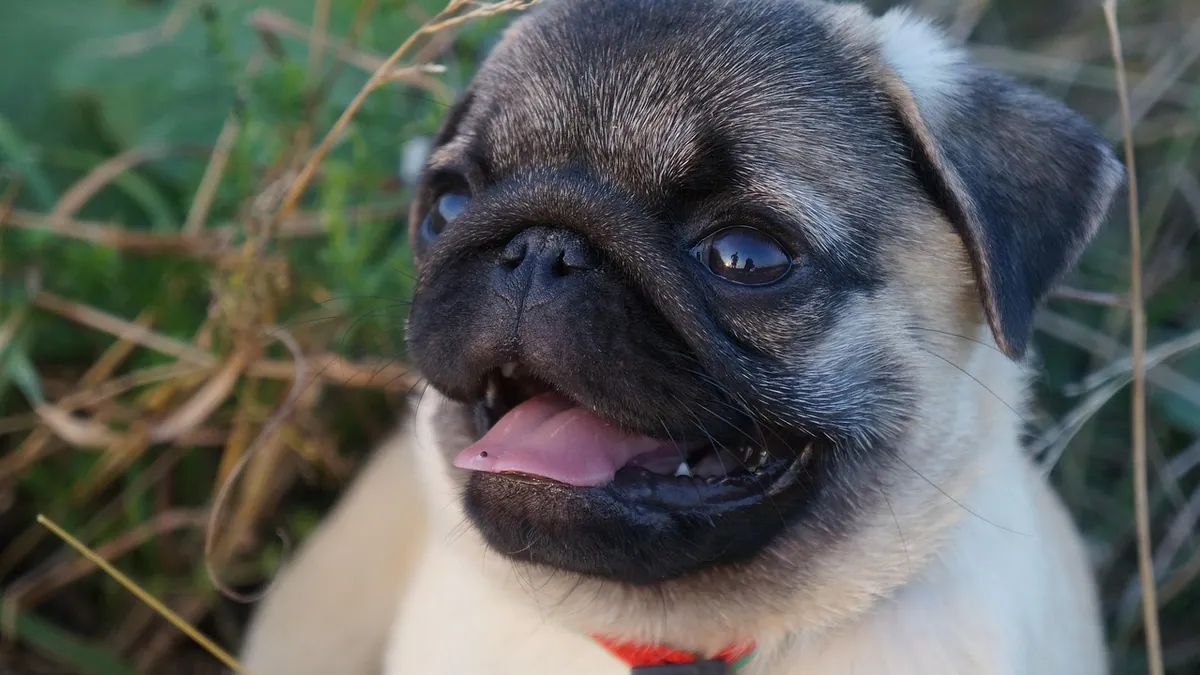
Brachycephalic airway syndrome symptoms often start as snoring or noisy breathing and slowly become a welfare problem as the airway narrows. Flat-faced dogs such as pugs, French bulldogs, and English bulldogs have shortened skulls that crowd the nose, palate, and throat, so every breath takes more effort [1]. Mild snoring can be normal for the breed, but gagging, exercise intolerance, and heat intolerance are signs the condition has crossed into something that needs veterinary attention.
This article is educational and is not a substitute for veterinary diagnosis or treatment.
Quick Answer
- Noisy breathing at rest, especially snoring, is common in flat-faced breeds but is not automatically harmless. The louder and more constant it becomes, the more likely it reflects real airway obstruction [2].
- Gagging, retching, or bringing up foam after excitement or eating points to a soft palate or throat problem, not just a sensitive stomach.
- Exercise intolerance and heat intolerance are two of the most reliable signs that a dog cannot move air well enough to cool down or keep up.
- Any blue, gray, or purple gum color, collapse, or struggling to breathe while resting is an emergency. Go to a veterinarian now.
- Weight control, harnesses instead of collars, cool environments, and early veterinary grading are the main things you can do while waiting for an appointment.
What Normal Looks Like and What the Sign Looks Like
Normal for a flat-faced dog
Some brachycephalic dogs breathe quietly most of the time. Others snore lightly when asleep and breathe a little noisily when excited. A short burst of snoring after a nap is common. The key question is whether the noise happens only in sleep or also during calm waking hours.
When snoring becomes a symptom
Brachycephalic airway syndrome symptoms include airway noise that is present at rest or brought out by exercise [2]. That means the sound is not limited to deep sleep. You may hear it while your dog sits quietly, while eating, or during a short walk. The noise comes from turbulent airflow through a narrowed airway, and it often gets worse over time [2].
Watch for these patterns:
- Snoring that gets louder or more frequent over months
- A snorting or honking sound when your dog gets excited
- Wheezing or a whistle on the inhale
- Gagging or retching, sometimes with white foam
- Sleeping with the neck stretched out or the head propped up
- Waking up frequently or startling awake
- Slowing down on walks your dog used to enjoy
- Seeking cool floors and panting hard in mild warmth
Why the noise matters
The noise is a signal, not the disease itself. In brachycephalic dogs, the skull shape creates narrowed nostrils, a thick or long soft palate, and sometimes everted laryngeal saccules or a narrow trachea [1][3]. Air has to push through a smaller opening, which raises airway resistance and creates turbulence [2]. Over time, that extra effort can affect the heart, blood pressure, and oxygen levels [4][5].
Main Causes of Noisy Breathing in Flat-Faced Dogs
| Cause | Typical clues | How urgent |
|---|---|---|
| Stenotic nares (narrow nostrils) | Small nostril openings, snorting on inhale, worse with exercise | Routine visit, sooner if breathing is loud at rest |
| Elongated or thickened soft palate | Gagging, retching, foam, snoring, worse when excited | Routine to urgent depending on frequency |
| Everted laryngeal saccules | High-pitched noise, increased effort, worse over time | Urgent, needs exam under light anesthesia [1] |
| Narrow trachea | Cough, exercise intolerance, noisy breathing | Routine to urgent, x-rays help assess [1] |
| Heat or exercise stress | Heavy panting, slowing down, overheating | Emergency if gums change color or dog collapses |
| Kennel cough or other infection | Sudden cough, retching, contact with other dogs | Routine visit, isolate from other dogs |
Brachycephalic obstructive airway syndrome is most common in English bulldogs, pugs, French bulldogs, and Boston terriers, and it also occurs in boxers, Pekingese, shih tzus, Chinese sharpeis, Lhasa apsos, and bull mastiffs [1]. The severity often increases with age [1]. Soft palate tissue in affected dogs can show inflammation, gland changes, and muscle damage, which helps explain why symptoms progress [6].
If your dog has a sudden cough after being around other dogs, see our guide to Kennel Cough Symptoms Dog to compare the signs.
Red Flags That Make It an Emergency
Some signs mean the airway is critically narrow right now. Do not wait for a regular appointment.
- Gums or tongue that look blue, gray, or purple
- Collapse or fainting
- Breathing with the elbows out and belly pumping hard while at rest
- Standing with the neck stretched and refusing to lie down
- Panting that does not stop in a cool, quiet room
- A body temperature that feels very hot to the touch, or a dog that cannot cool down
- Struggling to breathe after a short walk or a car ride
Heat is a major trigger for flat-faced dogs because they cannot move enough air to cool themselves. If you see signs of overheating, read Heatstroke in Dogs: Warning Signs and Prevention and call your veterinarian or an emergency clinic right away.
Safe Things You Can Do at Home While Waiting
You cannot fix the anatomy at home, but you can lower the workload on your dog's airway.
Keep your dog cool
Use air conditioning, fans, cool tile, and shaded areas. Walk in the early morning or late evening. Avoid hot cars completely. A flat-faced dog can overheat in minutes even at mild temperatures.
Switch to a harness
A collar puts pressure on the throat and trachea. A well-fitted harness spreads the pull across the chest. This matters most for dogs with a narrow trachea [1].
Manage weight
Extra body fat presses on the chest and throat and makes breathing harder. Ask your veterinarian for a target weight and a measured feeding plan. Do not guess the amount.
Lower excitement
Excitement raises breathing rate. Keep greetings calm, avoid rough play in heat, and give your dog a quiet place to settle. If your dog gags when excited, note how often it happens and what triggered it.
Use a slow feeder or raised bowl
Some dogs gag more when they eat fast or swallow air. A slow feeder or a slightly raised bowl can reduce that. This is a comfort measure, not a treatment.
Track the signs
Write down how often your dog snores, gags, or slows down on walks. Note the time of day and the temperature. This record helps your veterinarian grade the condition and decide on next steps.
Never give human medications
Do not give human cold medicines, antihistamines, or sedatives. Some of these can worsen breathing. Your veterinarian calculates any drug dose from your dog's weight and health.
What Your Veterinarian Will Check and Test
History and physical exam
Your veterinarian will ask about snoring, gagging, exercise tolerance, and heat sensitivity. They will watch your dog breathe at rest and after a short walk. They will look at the nostrils, listen to the chest, and check gum color and effort. Stenotic nares can be seen on a routine exam [1].
Functional grading
Exercise tolerance tests, careful listening to the lungs, and checking for increased breathing effort help place dogs into severity categories [2]. This grading guides treatment and helps track change over time.
Exam under light anesthesia
A full look at the soft palate and laryngeal saccules requires light anesthesia [1]. Your veterinarian may also take x-rays of the neck and chest to assess the trachea [1]. Advanced testing can include endoscopy or a CT scan of the upper airway [1].
Blood and heart checks
Brachycephalic dogs can show changes beyond the airway. Dogs with higher grades of disease have shown higher hematocrit and elevated white cell counts, along with changes in blood gas values such as base excess and bicarbonate [5]. Heart rate patterns during sleep and wakefulness also differ in dogs with the condition [4]. Your veterinarian may recommend bloodwork, blood gas analysis, or heart monitoring based on what they find.
If your dog needs surgery or a procedure, ask about the specific risks for flat-faced breeds. Our article on Anesthetic Complications in Brachycephalic Dogs: Beyond Airway Obstruction explains what to discuss with your care team.
Prevention and Monitoring
You cannot prevent the skull shape your dog was born with, but you can slow the impact and catch problems early.
Start early
Signs often worsen with age [1]. A baseline exam when your dog is young gives your veterinarian something to compare against later. If your dog is a French bulldog or pug, ask about nostril conformation at the first visit. Narrow nostrils are a major risk factor for the condition, though their presence alone does not confirm a diagnosis [3].
Recheck on a schedule
Ask your veterinarian how often your dog should be rechecked. Frequency depends on grade, age, and symptoms. Bring your written log to each visit.
Watch for changes in sleep
Sleep is when many owners first notice a problem. Dogs with this condition can show altered heart rate patterns during sleep [4]. If your dog wakes often, snores constantly, or seems to stop breathing briefly, tell your veterinarian.
Plan for heat and travel
Book travel for cool times of day. Bring water and a cooling mat. Never leave your dog in a parked car. If you fly, check the airline's breed restrictions well in advance.
Know your breed's other risks
Flat-faced breeds often have more than one health issue. Boston terriers, for example, can also develop knee problems. Our guide to Boston Terrier Health Problems: Brachycephalic Syndrome and Patellar Luxation covers both.
Consider surgery when recommended
Several surgical procedures aim to correct the anatomic problems that cause breathing difficulty, and multiple sites may need to be addressed [2]. Surgery is not right for every dog. Your veterinarian will weigh grade, age, and other health conditions. For a full picture of how the condition is diagnosed and managed, see Canine Brachycephalic Obstructive Airway Syndrome: Diagnosis and Management.
Limitations and When to Contact a Veterinarian
This article cannot tell you how severe your dog's condition is. Only a veterinarian who examines your dog can do that. Individual cases need a veterinarian's assessment.
Contact your veterinarian the same day if:
- Your dog gags or retches several times a day
- Snoring or noisy breathing has gotten worse over the past few weeks
- Your dog slows down or stops on walks that used to be easy
- Your dog pants heavily in mild warmth or takes a long time to cool down
- You notice a new cough or a change in sleep
Go to an emergency clinic now if:
- Gums or tongue are blue, gray, or purple
- Your dog collapses or faints
- Your dog cannot settle and breathes with obvious effort at rest
- Your dog cannot cool down or feels very hot
Schedule a routine visit if:
- Your dog snores but is otherwise active and comfortable
- You want a baseline grade and a weight plan
- You have questions about surgery or breeding
Pregnant flat-faced dogs need extra attention. Research in pregnant bitches with this condition has shown lower blood pressure, faster heart and breathing rates, and falling oxygen levels in severe cases [7][8]. If your dog is pregnant, tell your veterinarian about any breathing noise at the first visit.
Frequently Asked Questions
Is it normal for a pug to snore loudly?
Light snoring can be common in pugs, but loud, constant snoring is not automatically normal. Airway noise at rest or during exercise is one of the signs used to grade the condition [2]. If the snoring is getting louder or your pug gags or slows down on walks, book a veterinary visit.
Why does my French bulldog breathe so noisily?
French bulldogs have the same skull shape that narrows the nostrils, crowds the soft palate, and can narrow the trachea [1]. The noise comes from air pushing through a smaller opening, which creates turbulence [2]. A veterinarian can examine the nostrils and, if needed, check the palate and throat under light anesthesia [1].
Can exercise intolerance in a flat-faced dog be something else?
Yes, it can. Heart disease, arthritis, and other conditions can also cause a dog to slow down. That said, exercise intolerance is a common sign of airway obstruction in flat-faced breeds [2]. Your veterinarian will use an exam, history, and testing to sort out the cause.
Does my dog need surgery for noisy breathing?
Not every dog does. Surgery is considered based on severity grade, symptoms, age, and other health factors, and more than one anatomic site may need treatment [2]. Your veterinarian will discuss the risks and benefits for your dog specifically.
Can I breed a dog with these signs?
Talk to your veterinarian before breeding any dog with breathing noise. The condition has a strong breed and conformation component [1][3], and pregnancy can worsen breathing and oxygen levels in affected bitches [7][8]. A veterinarian can advise on the risks for the individual dog.
Related Articles
- Canine Brachycephalic Obstructive Airway Syndrome: Diagnosis and Management
- Anesthetic Complications in Brachycephalic Dogs: Beyond Airway Obstruction
- Kennel Cough Symptoms Dog
- Heatstroke in Dogs: Warning Signs and Prevention
- Boston Terrier Health Problems: Brachycephalic Syndrome and Patellar Luxation
- Kennel Cough Symptoms
- Dog Breathing Problems: Signs and When to Seek Emergency Care
- Dog Breathing Problems: Causes and When to Worry
- Laryngeal Collapse in Dogs: Symptoms, Sounds, and Treatment
References
- Brachycephalic Obstructive Airway Syndrome (BOAS). Cornell University College of Veterinary Medicine.
- Brachycephalic Obstructive Airway Syndrome: Grading, Assessment, and Treatment. The Veterinary clinics of North America. Small animal practice, 2026.
- Deep learning for stenotic nares classification in brachycephalic dogs. Veterinary research communications, 2026.
- Heart rate variability in dogs with brachycephalic obstructive airway syndrome evaluated during wakefulness and sleep. Journal of veterinary internal medicine, 2026.
- Evaluation of systemic consequences of brachycephalic obstructive airway syndrome in dogs. The Veterinary record, 2025.
- Comprehensive Analysis of the Influence of Soft Palate Inflammation in Brachycephalic Dogs with BOAS III. Animals : an open access journal from MDPI, 2026.
- Canine brachycephalic obstructive airway syndrome as a model for studying the effects of obstructive sleep apnea during pregnancy. Animal models and experimental medicine, 2026.
- Canine Brachycephalic Obstructive Airway Syndrome impacts respiratory and hemodynamic physiological adaptations during pregnancy. Theriogenology, 2025.