Are Cat Ears Supposed to Be Warm? Normal vs Fever Signs
By Dr. Zubair Khalid, DVM, MS, PhD ·
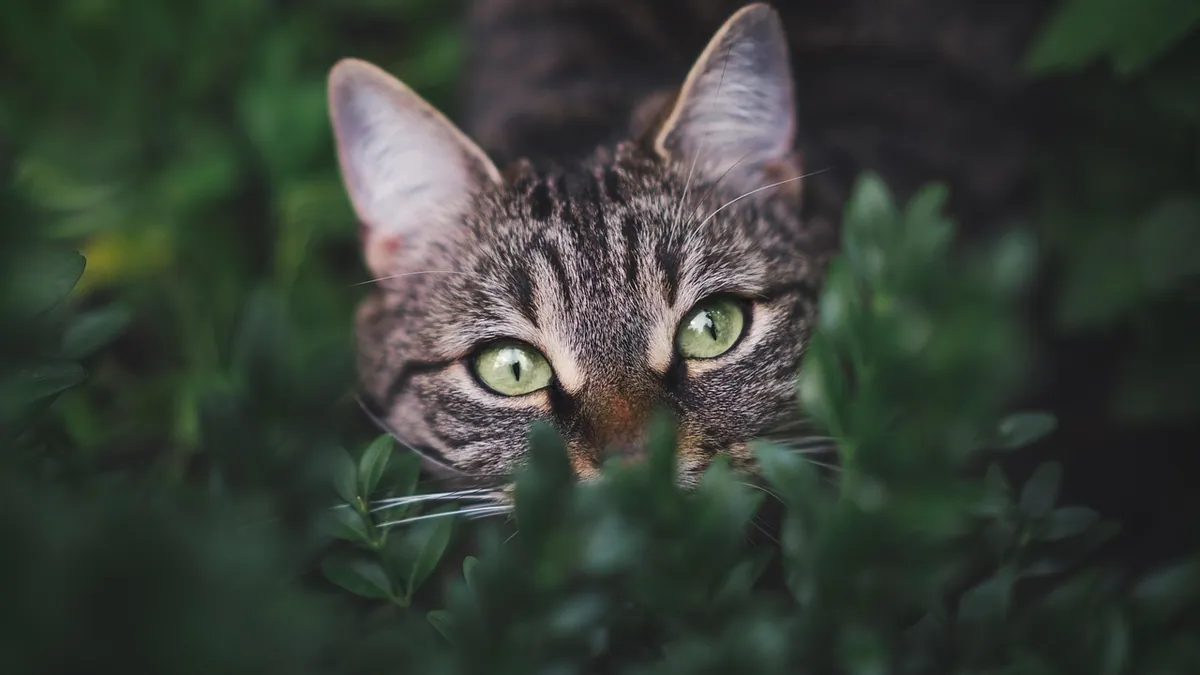
Yes, cat ears are usually warm, and that is normal. A cat's ear has very little fur and a lot of blood flow near the surface, so it often feels warmer than the rest of the body. Warm ears alone rarely mean a fever, but ears that are hot, red, painful, or paired with other symptoms need a closer look.
This article is educational and is not a substitute for veterinary diagnosis or treatment.
Quick Answer
- Warm ears are normal in most cats because the pinna (the ear flap) has thin skin, sparse fur, and rich blood supply.
- Normal body temperature in cats is roughly 38 °C (about 100.4 °F) on average, and ear temperatures track close to rectal readings in most cats [1][2].
- Ear temperature can read slightly higher than rectal temperature, with a mean difference of about 0.4 °C in normal and low-temperature cats [1].
- Warmth plus redness, swelling, discharge, head shaking, or scratching points more toward infection or ear mites than toward fever.
- A true fever usually comes with lethargy, poor appetite, hiding, or vomiting, not warm ears alone.
What Normal Cat Ears Look and Feel Like
The anatomy behind warm ears
A cat's ear flap is built for hearing and for shedding heat. The pinna is thin, lightly furred on the inside, and packed with small blood vessels. Blood passing close to the surface makes the ear feel warm to your hand. This is why ears often feel warmer than a cat's belly or back.
What is normal
Normal ears feel comfortably warm, not hot. The skin should be pale pink to pink, depending on your cat's pigment. The ear canal should look clean and slightly waxy, with no strong odor. Your cat should not flinch when you touch the ear.
Ear temperature also shifts with activity, room temperature, and stress. A cat who just ran around the house or napped in a sunny window may have warmer ears than usual. That kind of warmth settles within an hour.
Are cats ears supposed to be cold?
Cold ears are also common and usually harmless. If your cat has been resting in a cool room or lying on a tile floor, the ears can feel cool to the touch. Cold ears become a concern only when they come with weakness, shivering, collapse, or a body temperature that reads low. In one study, cats with low body temperature still had ear readings slightly above their rectal temperature, so cold ears do not reliably confirm hypothermia on their own [1].
Is it normal for kittens ears to be warm?
Yes, warm ears in kittens are normal. Kittens have a higher surface-to-body ratio and thinner skin, so their ears often feel quite warm. Kittens also have less body fat and lose heat faster, which can make the ears feel warm one minute and cool the next. Watch the whole kitten, not just the ears. A kitten who is nursing, playing, and gaining weight is almost certainly fine.
Main Causes of Warm Cat Ears
| Cause | Typical clues | How urgent |
|---|---|---|
| Normal warmth or recent activity | Warm ears only, cat is bright, eating, playful | Not urgent |
| Fever from infection or inflammation | Warm ears plus lethargy, hiding, poor appetite, vomiting | See a vet same day |
| Ear infection (bacterial or yeast) | Red, warm ear, odor, discharge, head shaking, scratching | See a vet within 24 to 48 hours |
| Ear mites | Intense scratching, dark crumbly debris like coffee grounds, head shaking | See a vet soon |
| Allergy or skin irritation | Redness, itching, hair loss around the ear, seasonal pattern | Routine visit |
| Ear tumor or growth | Firm lump, sore, bleeding, or non-healing lesion on the ear | See a vet promptly |
| Sun damage on pale ears | Redness or crusting on white or light ears after sun exposure | Routine to prompt visit |
Fever
A fever means the body's core temperature is above normal. Warm ears can be one small clue, but they are not a reliable fever test. In one study of cats in clinical care, ear thermometers worked well as a screening tool for high body temperature, but the authors noted there is still a risk of inaccurate readings [1]. If your cat feels warm all over, is quiet, and will not eat, a fever is possible.
Ear infection
An infected ear is often warm, red, and tender. You may notice a yeasty or foul smell, brown or yellow discharge, and your cat tilting or shaking its head. Chronic otitis (long-standing ear inflammation) can cause ongoing tissue trauma from scratching, and that repeated irritation has been linked to growths on the ear in some cats [3]. If your cat has a warm, red ear with discharge, see Cat Ear Infection with Redness: Causes and When to Worry and Ear Infections In Cats Symptoms.
Ear mites
Ear mites cause fierce itching. The classic sign is dark, dry debris that looks like coffee grounds inside the ear canal. The ear may feel warm from scratching and inflammation. Mites are common in kittens and in cats who live with other infected cats.
Allergy and skin disease
Food allergies, environmental allergies, and flea allergy dermatitis can all make ears red and warm. The warmth comes from inflammation, not infection. These cats often itch at the ears, face, and neck.
Growths and tumors on the ear
Lumps on the ear flap can be benign or malignant. Ear neoplasms are growths that more often affect light-coated, unpigmented cats with long sun exposure, and chronic ear inflammation is another risk factor [3]. A study of cats with squamous cell carcinoma found that the temperature of the ear flap was significantly higher in affected cats (median 33.85 °C) than in healthy controls (median 28.55 °C) [4]. That does not mean a warm ear equals cancer. It means a persistent, changing lesion on the ear deserves a veterinary exam.
Sun exposure
White or light-colored cats are prone to sun damage on the ear tips and nose. If the ear looks red, crusty, or sore after time in the sun, keep your cat indoors during peak sun hours and book a vet visit.
Red Flags That Make It an Emergency
Call an emergency clinic right away if you see any of these:
- Your cat is collapsed, unresponsive, or having trouble breathing.
- The ear is bleeding heavily or has a deep wound.
- There is sudden severe swelling of the ear flap (a hematoma can develop fast).
- Your cat is walking in circles, tilting its head hard, or losing balance.
- Your cat is having a seizure or is disoriented.
- Your cat's gums are pale, white, or blue.
- Your cat cannot stand or seems paralyzed.
- Your cat's temperature reads very high or very low on a home thermometer, or you cannot get a reading and your cat looks seriously ill.
Head tilt, circling, and balance loss can point to a middle or inner ear problem. These need same-day care.
What You Can Do at Home While You Wait
Check the whole cat, not just the ears
Look at your cat's energy, appetite, drinking, litter box habits, and breathing. A warm ear with a normal, playful cat is very different from a warm ear with a cat who will not get off the couch.
Take a gentle look
In a well-lit room, lift the ear flap and look inside. Note the color, any smell, discharge, debris, swelling, or sores. Do not push a cotton swab into the canal. You can clean the visible outer folds with a soft cloth dampened with warm water.
Keep your cat comfortable
Offer fresh water and a quiet, cool place to rest. Do not bundle your cat in blankets if the ears feel hot, since that can trap heat. If your cat is shivering and the ears feel cool, a light blanket is fine.
Do not give human medication
Never give your cat acetaminophen, ibuprofen, aspirin, or any human fever reducer. These can be seriously toxic to cats. Do not use leftover ear drops from another pet or an old prescription. The veterinarian will calculate any dose from your cat's weight and health.
Write down what you see
Note when the warmth started, whether it is one ear or both, and any other symptoms. This timeline helps your vet a lot.
What Your Veterinarian Will Check and Test
Physical exam
Your vet will take a full history and examine your cat from nose to tail. They will check the ears with an otoscope, feel the ear canals, and look for discharge, swelling, or masses. They will also check lymph nodes, gums, and hydration.
Temperature measurement
Rectal temperature is still the standard in most clinics. Ear (tympanic) thermometers are being used more often because they cause less stress. In one study, the stress score during ear measurement was significantly higher in the non-clinical group, but ear thermometers were still considered a low-stress screening tool for high body temperature in cats in clinical care [1]. A separate study of 95 cats found that non-contact infrared thermometry, especially at the perineal area, can be a useful non-invasive alternative to rectal measurement [2].
Ear swabs and cytology
Your vet may swab the ear canal and look at the sample under a microscope. This shows whether yeast, bacteria, or mites are present. It also guides which medication will work.
Blood work and imaging
If a fever or systemic illness is suspected, your vet may run blood tests, a urinalysis, or imaging. These help find the source of the fever, which could be an infection, an immune problem, or another condition.
Biopsy for lumps
If there is a growth or a non-healing sore on the ear, your vet may recommend a biopsy. In one reported case, a cat with a recurring ear growth was treated with total ear canal ablation and cryotherapy, and the tissue was sent for analysis to confirm the diagnosis and clean margins [3]. This is a specialized procedure, and your vet will discuss whether it fits your cat's situation.
Prevention and Monitoring
Keep ears clean and dry
Check your cat's ears once a week. Clean only the outer folds with a vet-approved ear cleaner. Never pour liquid into the canal unless your vet shows you how. Dry your cat's ears after a bath or swimming.
Control mites and allergies
Treat all pets in the home for mites at the same time. Keep up with flea prevention. If your cat has allergies, work with your vet on a long-term plan.
Limit sun exposure for pale cats
White and light-colored cats should stay indoors during peak sun hours. Ask your vet about pet-safe sunscreen for the ear tips and nose.
Watch for changes over time
A warm ear that stays warm for more than a day, or that comes with any other symptom, is worth a call. If your cat has a history of ear infections, keep a log of flare-ups. If you notice redness, discharge, or odor, see Symptoms Of Cat Ear Infection and Cat Ear Infection with Fever: When to Rush to the Vet.
Limitations and When to Contact a Veterinarian
Warm ears on their own are a weak signal. They cannot tell you whether your cat has a fever, an infection, or nothing at all. Only a veterinarian can measure body temperature accurately, examine the ear canal, and run the right tests.
Contact your vet the same day if your cat has warm ears plus lethargy, poor appetite, vomiting, diarrhea, or hiding. Go to an emergency clinic now if your cat is struggling to breathe, collapsed, having a seizure, bleeding from the ear, or showing a sudden severe head tilt or loss of balance. Schedule a routine visit if the ears are warm and red but your cat is otherwise acting normal, or if you notice a lump, sore, or discharge that is not improving.
Every cat is different. Your veterinarian needs to see your cat to make a diagnosis and choose a treatment.
Frequently Asked Questions
Do warm ears always mean my cat has a fever?
No, warm ears are common in healthy cats and do not confirm a fever. A fever is a rise in core body temperature, and it usually comes with other signs like tiredness, hiding, or not eating. Only a thermometer reading at the vet can confirm it.
Why is one ear warm and the other cool?
One-sided warmth often points to a local problem in that ear, such as an infection, a scratch, or a growth. It can also happen if your cat was lying on one side. If the difference lasts more than a day or comes with scratching or discharge, have it checked.
Can I take my cat's temperature at home?
You can, but it is stressful for many cats and easy to do incorrectly. Rectal thermometers give the most reliable reading, and ear thermometers are a low-stress screening option. If you are not sure how to do it safely, let your vet handle it.
Are warm ears a sign of ear mites?
Warm ears can happen with ear mites because of the itching and inflammation, but warmth alone does not mean mites. The stronger clue is intense scratching and dark, crumbly debris in the canal. Your vet can confirm mites with a simple ear swab.
When should I worry about warm ears in my cat?
Worry when the warmth is new, lasts more than a day, or comes with redness, swelling, odor, discharge, head shaking, pain, or any change in energy or appetite. Those signs point to something that needs a veterinary exam. Warm ears with a happy, eating, playful cat are usually nothing to panic about.
Related Articles
- Cat Ear Infection with Fever: When to Rush to the Vet
- Ear Infections In Cats Symptoms
- Cat Ear Infection with Redness: Causes and When to Worry
- Ear Infection Cats Symptoms
- Symptoms Of Cat Ear Infection
- Cat Ear Infection with Lethargy: When to Worry
- How to Tell If Your Cat or Kitten Has a Fever
- Fever in Cats: Causes, Temperature, and Symptoms
- My Kitten Feels Warm: Normal or a Fever?
References
- Assessed Temperatures and Stress in Cats Using Tympanic and Rectal Thermometers. Veterinary sciences, 2025.
- Comparison of Digital Rectal Thermometry and a Non-Contact Veterinary Infrared Thermometer in Cats: Identifying Alternative Sites to Rectal Measurement. Veterinary sciences, 2025.
- Total ear canal ablation for the treatment of auricular hemangiosarcoma in a cat: case report. Brazilian journal of veterinary medicine, 2026.
- Infrared thermography in cats with squamous cell carcinoma: A pilot study. Research in veterinary science, 2026.