Rat Tail Anatomy and Health: What Owners Should Know
By Dr. Zubair Khalid, DVM, MS, PhD ·
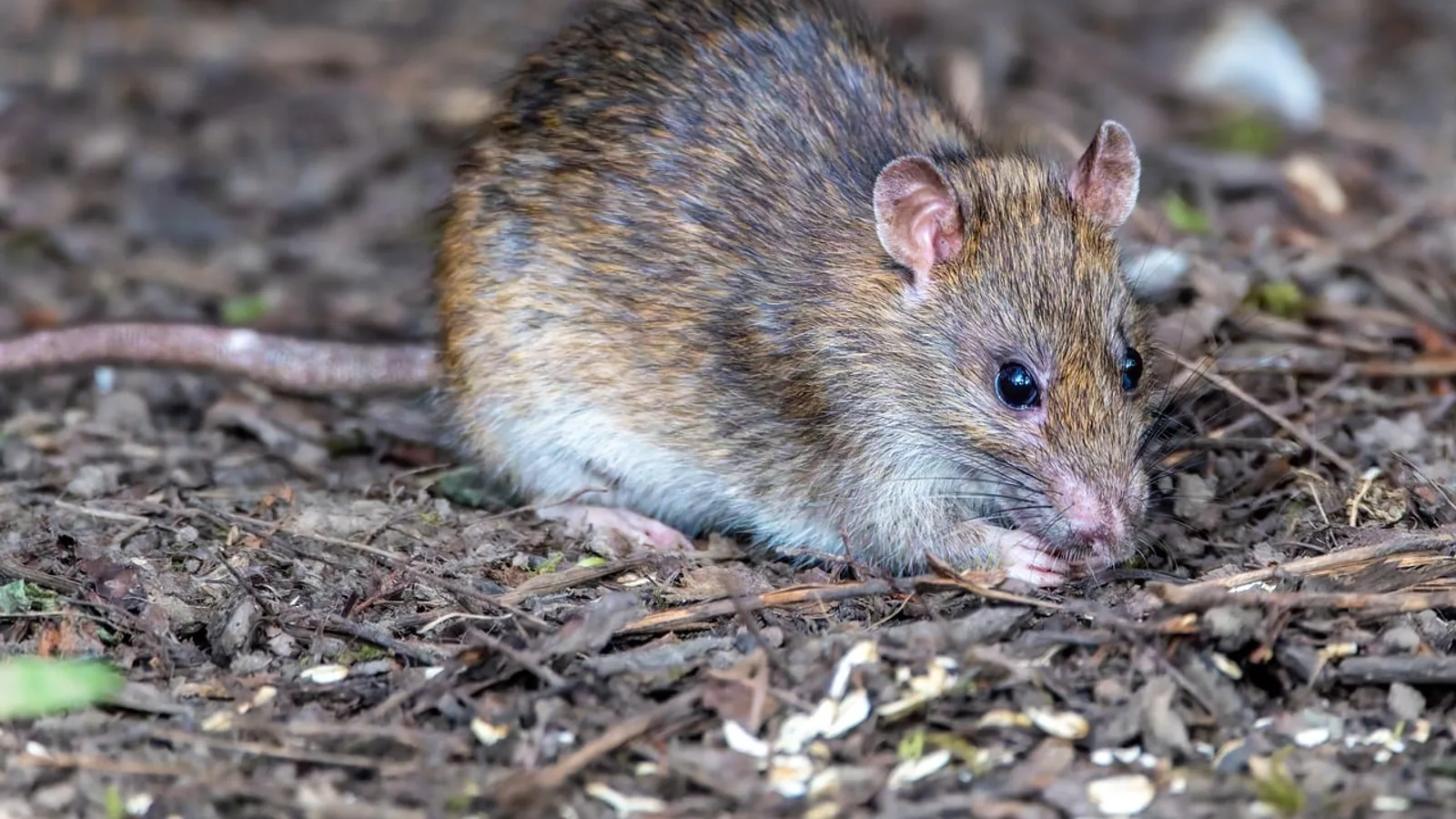
A rat's tail is a long, semi-prehensile organ used for balance and heat exchange, covered by thin keratinized skin with very sparse hair. Because that skin sits loosely over the underlying vertebrae and vessels, it can be pulled off in one piece during a bite, a wheel accident, or a snagged band, an injury called degloving that needs immediate veterinary care.
This article is educational and is not a substitute for veterinary diagnosis or treatment.
What the Tail Is Made Of
The tail is not a decorative appendage. It is a working limb, and its structure explains almost every health problem owners run into.
Skin and Scales
The surface of the tail is covered in small overlapping scales rather than fur. This scaly texture is normal and often startles new owners who expect a smooth, furry surface. Hair on the tail is sparse, so the skin is visible and the scales read clearly.
The epidermis, the outer layer, is thin and keratinized. Keratin is the same tough protein found in nails and hair, and it gives the tail surface some wear resistance without adding much bulk. Because the layer is thin, there is little cushioning between the outside world and the tissue underneath. A sharp cage edge, a cage-mate's incisor, or a tight band does not have much material to cut through before it reaches deeper structures.
Vertebrae and Vessels
Under the skin sit the caudal vertebrae, a chain of small bones that runs most of the length of the tail. Running alongside and beneath them are the tail's blood vessels, including a central artery that supplies the skin and deeper tissue.
The relationship between skin and the structures beneath it is the key fact for owners. In the rat, the skin is not tightly bound to the underlying tissue. There is a natural cleavage plane, a zone where the skin can separate from the tissue below with relatively little force. Researchers comparing tail histology across rodent species describe this plane as a region of looser, finer connective tissue between the dermis and the deeper layers [1]. That loose attachment is what allows a tail to tear away in a predator's mouth, and it is also what makes the tail vulnerable to degloving in a cage.
Balance and Movement
Rats use the tail as a counterweight. When a rat walks a narrow ledge, climbs, or changes direction quickly, the tail swings out to offset the body's momentum. This is why the tail is described as semi-prehensile. It can curl and grip to a degree, and it assists with bracing and climbing, but it is not a true grasping limb like a monkey's tail.
A rat that loses part of its tail can still move, climb, and balance. The loss is not catastrophic to mobility, but it is permanent and it removes part of the animal's heat-exchange surface.
Heat Exchange
The tail is one of the rat's main radiators. Because the tail has a large surface area relative to its volume and very little insulating fur, heat escapes through it efficiently. When a rat is warm, blood flow to the tail increases and the tail sheds heat. When a rat is cold, vessels narrow and the tail becomes cool to the touch.
This is why a cool tail is usually not a sign of illness. It is often just a rat regulating its temperature, especially in a cool room or after resting.
Normal Findings on a Rat's Tail
Owners often worry about things that are entirely normal. The list below covers the findings that do not require treatment on their own.
Scaly appearance. The overlapping scales are anatomy, not a skin disease. They become more visible as a rat ages and the skin loses some elasticity.
Cool to the touch. A cool tail usually reflects normal vessel narrowing and heat conservation. Compare it to the rest of the body. A rat that is active and eating with a cool tail is generally fine.
Mild flaking. A small amount of dry flaking can occur, particularly in low-humidity homes or in older rats. Mild flaking without redness, swelling, or discharge is usually a husbandry issue rather than a medical one.
Slight color variation. The tail may look pinker when the rat is warm and paler when it is cool. This reflects blood flow, not disease.
A bend or kink from an old injury. Many adult rats have a slight kink in the tail from a healed injury earlier in life. A kink that is not painful, not swollen, and not progressing is usually a cosmetic finding.
Abnormal Findings and What They Mean
The table below maps common signs to likely causes, urgency, and the next step. Use it as a triage guide, not a diagnosis.
| Sign | Likely cause | Urgency | Next step |
|---|---|---|---|
| Skin sleeve pulled off, bone exposed | Degloving from a bite, wheel, or snag | Emergency | Cover with a clean damp dressing and go to a vet immediately |
| Ring-shaped groove with swelling beyond it | Constricting band (hair, thread, bedding fiber) | Emergency | Do not pull the band. Go to a vet for controlled removal |
| Black, dry, shriveled tail tip | Necrosis from injury, constriction, or poor blood flow | Urgent | Veterinary exam the same day |
| Redness, swelling, warmth, pus | Infection or abscess | Urgent | Veterinary exam within 24 hours |
| Bleeding that does not stop in a few minutes | Laceration or bite wound | Urgent to emergency | Apply gentle pressure and seek care |
| Patchy hair loss with crusting | Mites, ringworm, or skin infection | Soon | Veterinary exam within a few days |
| Small scab or nick, rat behaving normally | Minor abrasion or healed bite | Monitor | Keep the cage clean and watch for change |
| Cool tail with a normal, active rat | Normal thermoregulation | None | No action needed |
Degloving: The Signature Rat Tail Injury
Degloving is the injury that defines rat tail medicine. The skin sleeve slides off the underlying vertebrae and vessels, leaving a raw, exposed tail. In severe cases the skin comes away in a single tube, like a glove pulled inside out.
This happens because of the loose attachment between skin and deeper tissue described earlier [1]. The force needed to strip the skin is far lower than most owners expect. A cage-mate's bite, a paw caught in a wheel, or a tail trapped under a heavy object can all do it.
Degloving is a serious injury for three reasons. First, the exposed surface is painful. Second, the blood supply to the remaining skin is disrupted, and the tissue that stays behind often dies. Third, the tail has very limited ability to regrow what is lost.
Experimental work in rats has repeatedly shown that degloved tail skin does not survive well when simply put back. In one model, the average length of necrosis in avulsed tail flaps was about 28 mm, and the ulcer severity score in tail lesions was significantly higher than in comparable injuries on the hindlimb [2]. In another study, avulsed tail skin in untreated control animals became cyanotic and ulcerated over a 21-day observation period [3]. The same pattern appears across multiple experimental models: the tail is a poor site for skin survival after avulsion [4][5].
That is the practical message for owners. A degloved tail is not a wait-and-see injury. It is a same-day veterinary emergency, and the sooner the rat is seen, the more tissue can potentially be saved.
Ring Constriction and Necrosis
A strand of hair, a thread from bedding, or a fiber wrapped around the tail can tighten as the rat moves. The band acts like a tourniquet. Blood cannot reach the tissue beyond it, and that tissue dies.
The classic sign is a visible groove circling the tail with swelling, discoloration, or a blackened tip beyond it. The rat may chew at the area because it is painful or numb.
Do not try to pull a tight band off at home. The tissue underneath may be fragile, and pulling can convert a partial injury into a full degloving. A veterinarian can remove the band under controlled conditions and assess how much tissue is still viable.
Bites from Cage-Mates
Rats are social and usually live in groups, but group housing creates bite risk. Tail bites happen during dominance scuffles, when a subordinate rat is cornered, or when a new rat is introduced too quickly.
A bite can range from a small nick to a full-thickness wound to a complete degloving. Any bite that breaks the skin should be evaluated, because rodent bites carry a high infection risk and a small wound can hide a deeper injury.
Wheel and Cage Injuries
Exercise wheels are a common source of tail trauma. A tail can be caught between the wheel and its stand, or pinched in a poorly fitted wheel track. Wire cage floors and sharp cage edges can also catch a tail.
Inspect wheels for gaps and moving parts where a tail could be trapped. Solid running surfaces with a closed back are safer than open rung designs.
Poor Husbandry
Husbandry problems show up on the tail in predictable ways.
- Low humidity dries the skin and increases flaking.
- Dirty bedding harbors bacteria and ammonia, which irritates skin and slows healing.
- Overcrowding raises bite frequency.
- Rough or abrasive surfaces cause repeated friction injuries.
- Extreme temperatures stress the tail's thermoregulation and can lead to frostbite or heat damage in severe cases.
Parasites and Skin Infection
Mites are a common cause of tail and body skin disease in pet rats. Signs include intense itching, scabbing, crusting, and patchy hair loss that extends beyond the tail. Ringworm and bacterial skin infections can look similar.
These conditions need veterinary diagnosis. Many owners mistake mite infestation for dry skin and treat it with moisturizers, which does not address the underlying parasite.
Why the Tail Heals Poorly
The tail's anatomy works against it when it is injured.
The skin is thin, so wounds are deep relative to the tissue available for repair. The blood supply runs through a relatively narrow channel, and when that supply is disrupted, the tissue downstream has little reserve. The loose attachment that lets the skin tear away also means that once it is torn, the remaining skin has limited structural support.
Research on degloving injuries has explored ways to improve tissue survival, including anticoagulant and antithrombotic medications, hyperbaric oxygen, and pentoxifylline, all tested in rat tail models [4][6][5][3]. These studies are experimental and are not a treatment protocol for pet rats. They do confirm one consistent finding: the tail is a difficult site for skin survival, and untreated avulsed tail skin tends to necrose.
The practical takeaway is that tail tissue rarely regenerates. A rat that loses a section of tail does not grow it back. The tail may heal with a shortened, blunt end, and the rat adapts, but the lost length is gone.
Myths and Common Owner Questions
Myth: A cool tail means the rat is sick. A cool tail is usually normal thermoregulation. Look at the whole rat, not just the tail.
Myth: Scaly skin means mites. Scales are normal anatomy. Mites cause itching, crusting, and hair loss, not just a scaly look.
Myth: The tail will grow back. It will not. Tail tissue does not regenerate in rats.
Myth: A degloved tail will heal on its own. Untreated avulsed tail skin typically becomes necrotic and ulcerated [3]. This is a veterinary emergency.
Myth: You can just pull a tight hair off the tail. A tight band can hide fragile tissue underneath. Removal should be done by a veterinarian.
Practical Care for the Tail
Good husbandry prevents most tail problems.
- Check the tail weekly. Run your eyes and hands along the full length. Look for grooves, swelling, discoloration, and wounds.
- Keep the cage clean. Remove soiled bedding frequently to reduce bacterial load and ammonia.
- Choose safe wheels. Solid surfaces with no gaps where a tail can be pinched.
- Introduce new rats gradually. Slow introductions reduce bite injuries.
- Manage humidity. Very dry homes can worsen flaking. A humidifier in the room may help.
- Trim long bedding fibers. Loose threads can wrap around a tail.
- Handle gently. Never lift a rat by the tail. Support the body and let the tail hang free.
Limitations and When to Contact a Veterinarian
This article covers general principles. Individual rats need individual assessment by a veterinarian who can examine the tail directly.
Contact a veterinarian immediately if you see any of the following.
- The skin sleeve has pulled away and bone or deep tissue is exposed.
- A ring-shaped groove is visible with swelling, discoloration, or a blackened tip beyond it.
- The tail tip is black, dry, or shriveled.
- There is bleeding that does not stop within a few minutes of gentle pressure.
- The tail is swollen, hot, red, or draining pus.
- The rat is chewing at the tail, crying, or reluctant to move.
- Hair loss, crusting, or scabbing is spreading.
- The rat stops eating, becomes lethargic, or shows signs of pain.
For non-urgent findings such as mild flaking or a healed kink, schedule a routine veterinary visit. For anything that looks like degloving, constriction, or necrosis, treat it as an emergency.
Frequently Asked Questions
Is a rat's tail supposed to look scaly?
Yes. The overlapping scales on a rat's tail are normal anatomy, not a skin disease. Scales become more visible with age and in dry environments.
Why does my rat's tail feel cold?
A cool tail usually reflects normal blood flow regulation. Rats narrow the tail vessels to conserve heat, so a cool tail in an active, eating rat is generally not a concern.
Can a rat's tail grow back if it is injured?
No. Tail tissue does not regenerate in rats. A rat that loses part of its tail heals with a shortened tail and adapts over time.
What does degloving look like on a rat's tail?
Degloving looks like the skin sleeve has slid off the tail, leaving raw tissue or exposed bone. It is a veterinary emergency and needs immediate care.
What should I do if I see a hair wrapped tightly around my rat's tail?
Do not pull it off yourself. A tight band can hide fragile tissue. Take the rat to a veterinarian for safe removal and assessment.
Can cage-mates cause tail injuries?
Yes. Bites during dominance scuffles or introductions are a common cause of tail wounds and degloving. Any bite that breaks the skin should be evaluated.
Is a kink in the tail a sign of a current problem?
Usually not. Many adult rats have a healed kink from an old injury. A kink that is not painful, swollen, or changing is typically cosmetic.
When should I take my rat to the vet for a tail issue?
Take your rat to the vet the same day for degloving, ring constriction, blackened tissue, uncontrolled bleeding, or swelling with discharge. Mild flaking or a stable old kink can wait for a routine visit.
Related Articles
- Common Horse Health Problems Every Owner Should Know
- Pet Dental Cleaning: What Should Owners Know?
- Microchips for Dogs and Cats: What Owners Should Know
- Axolotl Teeth and Biting: What Owners Should Know
- Antifreeze Poisoning in Dogs and Cats: What Owners Should Know
- Pet-Safe Cleaning Products: What Owners Should Know
- How Dogs Know Owner Love: Science Explained
- Bantam Silkies: Breed Care and Health Guide
Sources
- Unique histological features of the tail skin of cotton rat (Sigmodon hispidus) related to caudal autotomy.
- A comparison of rat degloving injury models.
- The effect of pentoxifylline in treatment of skin degloving injuries: an experimental study.
- Effects of enoxaparin and rivaroxaban on tissue survival in skin degloving injury: an experimental study.
- Effects of dabigatran and fondaparinux on degloving injuries: An experimental study.
- Effect of hyperbaric oxygen therapy on healing in an experimental model of degloving injury in tails of nicotine-treated rats.