Why Is My Rat Gasping for Air? Breathing Emergency
By Dr. Zubair Khalid, DVM, MS, PhD ·
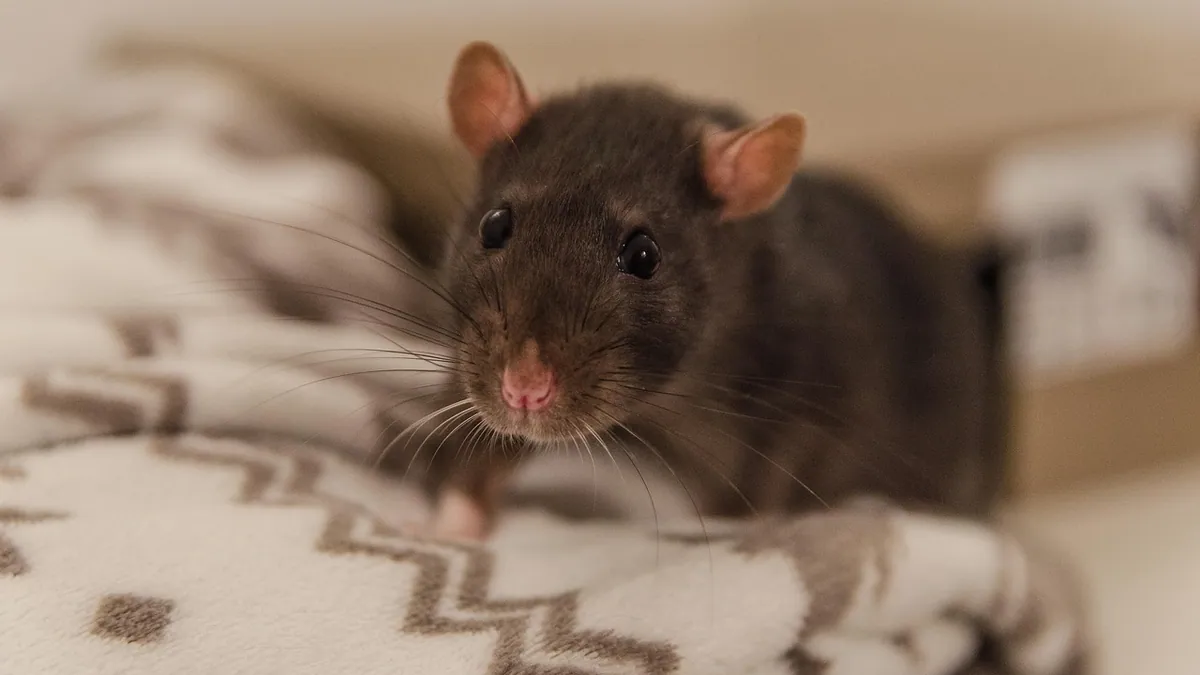
Why is my rat gasping for air? In most cases, a rat who is gasping with an open mouth is in respiratory distress, and that is a medical emergency. Rats are obligate nose breathers, so when they switch to mouth breathing, their oxygen supply is already badly compromised. This article is educational and is not a substitute for veterinary diagnosis or treatment.
Quick Answer
- Open-mouth gasping in a rat is an emergency. Call an exotic or emergency vet now, not tomorrow.
- Rats hide illness until they are nearly out of reserve, so gasping often means the problem has been building for days or weeks.
- Do not try home remedies, steam rooms, or leftover antibiotics. They delay care and can make things worse.
- Keep the rat calm, warm, and in a quiet carrier with good airflow while you travel.
- Survival odds drop fast with delay. In a rat cardiac arrest model, resuscitation success fell from 86.7% when CPR started after 4 minutes of arrest to 26.7% after longer arrest times [1].
What Gasping Looks Like and What Is Normal
Normal rat breathing
A healthy rat breathes through the nose with the mouth closed. At rest, you should see gentle movement of the chest and belly, with no effort, no noise, and no head bobbing. Rats also breathe faster than people, so a rapid resting rate alone is not always alarming.
What gasping looks like
Gasping is a deep, open-mouth, gulping breath. In rats it often comes with:
- Mouth held open, sometimes with the tongue visible
- Neck stretched forward and head tilted up
- Belly pumping hard with each breath (called abdominal heaving)
- Blue or pale gums, lips, or paws
- Loud clicking, wheezing, or rattling sounds
- Sitting hunched, puffed up, or unwilling to move
- Refusing food and water
A rat with a tracheal or airway leak can show the same compensatory diaphragmatic and abdominal heaving pattern, which is a sign of serious respiratory distress [2]. Any of these signs together with open-mouth breathing means your rat needs a veterinarian immediately.
Why rats hide it
Rats are prey animals. They mask weakness until they cannot hide it anymore. By the time you see gasping, the underlying disease is usually advanced. That is why this sign is treated as an emergency instead of a wait-and-see problem.
Why Is My Rat Gasping for Air? Main Causes
Many different problems can cause a rat to gasp. The table below lists the most common ones, the clues that point toward each, and how fast you need to act.
| Cause | Typical clues | How urgent |
|---|---|---|
| Respiratory infection (mycoplasma, bacterial pneumonia) | Loud breathing, red discharge from nose or eyes, sneezing, weight loss, gradual decline | Emergency if gasping, same-day vet visit if noisy breathing |
| Heart disease or heart failure | Weakness, exercise intolerance, fluid in the chest, gasping that worsens at rest | Emergency now |
| Lung injury from oxygen therapy or toxins | Recent oxygen exposure, rapid worsening, labored breathing | Emergency now |
| Acute respiratory distress syndrome (ARDS) | Severe inflammation, rapid onset, poor response to home care | Emergency now |
| Airway or tracheal injury | Air leak, swelling at the neck, heaving belly effort | Emergency now |
| Cardiac arrest | Unresponsive, no breathing or agonal gasps, collapse | Emergency now, start CPR if trained |
| Tumor or mass in the chest | Slow onset, weight loss, one-sided breathing effort | Same-day to emergency |
| Anesthesia or drug reaction | Recent procedure, sedation, slow recovery | Emergency now |
| Pain, stress, or heat | Panting after heat exposure, no infection signs | Emergency if open-mouth breathing continues |
Some of these causes overlap. A rat with chronic mycoplasma can develop heart failure. A rat with pneumonia can develop ARDS. The pattern of breathing, the speed of onset, and the other signs help your vet sort it out, but you do not need to know the cause to know you need help.
Lung injury research in rats shows that oxygen therapy itself can damage the lung, with males showing greater injury than females in one study [3]. This matters because oxygen is often part of emergency care, and your vet has to balance oxygen support against the risk of further injury.
ARDS is a severe inflammatory lung condition with high mortality, driven by dysregulated immune responses and alveolar damage [4]. Circadian rhythm disruption is also a factor in ARDS development, and the stress of illness and hospitalization can worsen that cycle [5]. In plain terms, a rat with severe lung inflammation is fighting both the disease and the body's own overreaction.
Red Flags That Make It an Emergency
Call an emergency vet or an exotic animal vet right now if your rat has any of these:
- Open-mouth breathing or gasping at any time
- Blue, gray, or pale gums, lips, or paw pads
- Belly pumping hard with every breath
- Collapse, unresponsiveness, or a rat who cannot stand
- No breathing, or only occasional gasps, after collapse
- Loud clicking or rattling with each breath
- Refusing all food and water for more than a few hours
- Breathing that gets worse over minutes, not days
If your rat has stopped breathing and you are trained in CPR, begin it and get to a vet immediately. Gasping during cardiac arrest is a known phenomenon in rats, and the frequency of gasping during resuscitation has been linked to how well the heart recovers [1]. That is a clinical finding, not a home treatment guide. Do not delay transport to try to manage this yourself.
Safe Things You Can Do at Home While Waiting
You cannot fix gasping at home. What you can do is reduce stress and get your rat to care faster.
Do these things
- Call ahead. Tell the clinic your rat is gasping. Ask if they can see a rat and if they have oxygen.
- Use a small carrier with a towel over part of it. Keep it dark and quiet.
- Keep the rat warm but not hot. A rat in shock loses body heat fast.
- Keep the carrier level and still during travel. Rough handling makes breathing harder.
- Bring the cage mate if the rat is bonded, but only if it does not add stress.
- Bring any medication, food, or bedding your rat has been using. It helps the vet.
Do not do these things
- Do not put the rat in a steamy bathroom. Steam can worsen swelling in small airways.
- Do not give human medications, leftover antibiotics, or any drug without a vet's direction.
- Do not force food or water into the mouth. A gasping rat can choke.
- Do not hold the rat upside down or try to clear the airway with your fingers.
- Do not wait to see if it improves overnight.
If you are not sure whether the problem is breathing or something else, the guides on why a cat breathes open-mouthed during an asthma crisis and why a dog suddenly coughs and gags explain how other species show respiratory distress. The same principle applies to rats. Open-mouth breathing is never normal.
What the Veterinarian Will Check and Test
Your vet will start with a hands-off exam if your rat is unstable. They may place the rat in an oxygen chamber before doing anything else.
First steps
- Oxygen support and stress reduction
- Listening to the chest with a stethoscope
- Checking gum color, hydration, and body temperature
- Weighing the rat to guide drug doses
Tests your vet may recommend
- Chest X-rays to look for fluid, masses, or lung changes
- Blood work to check organ function and infection
- A heart ultrasound if heart disease is suspected
- Airway or tracheal imaging if injury is possible
- Cultures or swabs if infection is likely
Your vet calculates every drug dose from your rat's weight and health status. There is no safe home dose for a gasping rat.
Treatment
Treatment depends on the cause. It may include oxygen, diuretics for fluid, antibiotics for infection, anti-inflammatories, or heart medication. Some rats need a procedure to remove fluid or address an airway problem. A rat with a tracheal fistula in one study was treated with a specific peptide therapy, but that is a research finding and not a treatment you can use at home [2].
Prevention and Monitoring
You cannot prevent every cause of gasping, but you can lower the risk and catch problems earlier.
- Weigh your rat weekly. A drop of even a few grams is an early warning sign.
- Check breathing at rest. Watch for head bobbing, noise, or effort.
- Keep bedding dust-free and the cage well ventilated.
- Avoid smoke, strong cleaners, scented candles, and aerosol sprays near the cage.
- Treat any sneezing, red discharge, or noisy breathing as a same-day vet visit, not a wait-and-see.
- Keep a baseline vet relationship with an exotic animal vet before you need one.
- Know the nearest 24-hour emergency clinic that treats rats.
If your rat has a chronic condition like mycoplasma, ask your vet for a monitoring plan. Early treatment of a flare is far easier than treating a rat who is already gasping.
Limitations and When to Contact a Veterinarian
This article cannot tell you what is wrong with your specific rat. Only a veterinarian who examines your rat can do that.
- Emergency now: open-mouth breathing, gasping, blue gums, collapse, or unresponsiveness.
- Same day: noisy breathing, sneezing with red discharge, weight loss, or reduced appetite.
- Routine visit: mild sneezing with no breathing effort, or a known chronic condition that needs a check.
If you are unsure, call and describe what you see. Clinics would rather hear from you early than see a rat in crisis.
Frequently Asked Questions
Can a rat recover from gasping without a vet?
No, a rat who is gasping needs veterinary care to survive in most cases. The underlying cause is usually advanced by the time open-mouth breathing appears. Home care can only reduce stress while you travel to a clinic.
How long can a rat survive while gasping?
There is no safe waiting period. Survival depends on the cause and how quickly oxygen and treatment are provided. In a cardiac arrest model, resuscitation success dropped sharply when CPR was delayed past 4 minutes [1]. Treat gasping as a minutes matter problem.
Is gasping the same as panting in a rat?
No, they are different. Panting is fast, shallow breathing through the nose, often from heat or stress. Gasping is an open-mouth, gulping breath that signals severe oxygen shortage. If you see an open mouth, assume it is gasping.
Can my guinea pig, hamster, or rabbit gasp for the same reasons?
Yes, small pets share many of the same causes, including infection, heart disease, and lung injury. A guinea pig, hamster, or rabbit who is gasping for air also needs an emergency vet visit. The body size differs, but the urgency does not.
Should I separate my gasping rat from its cagemates?
Only if the cagemates are bullying, mounting, or blocking access to food and water. Otherwise, keep bonded rats together, because separation adds stress. Bring the cagemate to the vet if the clinic allows it and your rat is calmer with company.
Related Articles
- Why Is My Rat Breathing Fast? Causes and When to Worry
- Why Is My Rat Wheezing? Respiratory Warning Signs
- Why Is My Rat Chirping? Small Pet Sounds Explained
- Rat Coronavirus
References
- Diagnostic value of gasp frequency combined with echocardiography for assessing cardiac arrest and myocardial function during cardiopulmonary resuscitation in rats. Journal of cardiothoracic surgery, 2026.
- Tracheocutaneous Fistula Resolved by Pentadecapeptide BPC 157 Therapy Through the NO-System-Triple NO-Agent Approach in Rats. Pharmaceuticals (Basel, Switzerland), 2026.
- Sex-specific differences in lung mitochondrial function and injury in rats exposed to hyperoxia. Journal of applied physiology (Bethesda, Md. : 1985), 2026.
- Single-Cell RNA Sequencing of Lung Tissue in a Rat Model of Acute Respiratory Distress Syndrome. Journal of visualized experiments : JoVE, 2026.
- Circadian Rhythms in Acute Respiratory Distress Syndrome: Molecular Mechanisms and Therapeutic Implications. International journal of molecular sciences, 2026.