Can Rabbits Eat Kale? Daily Limits and Risks
By Dr. Zubair Khalid, DVM, MS, PhD ·
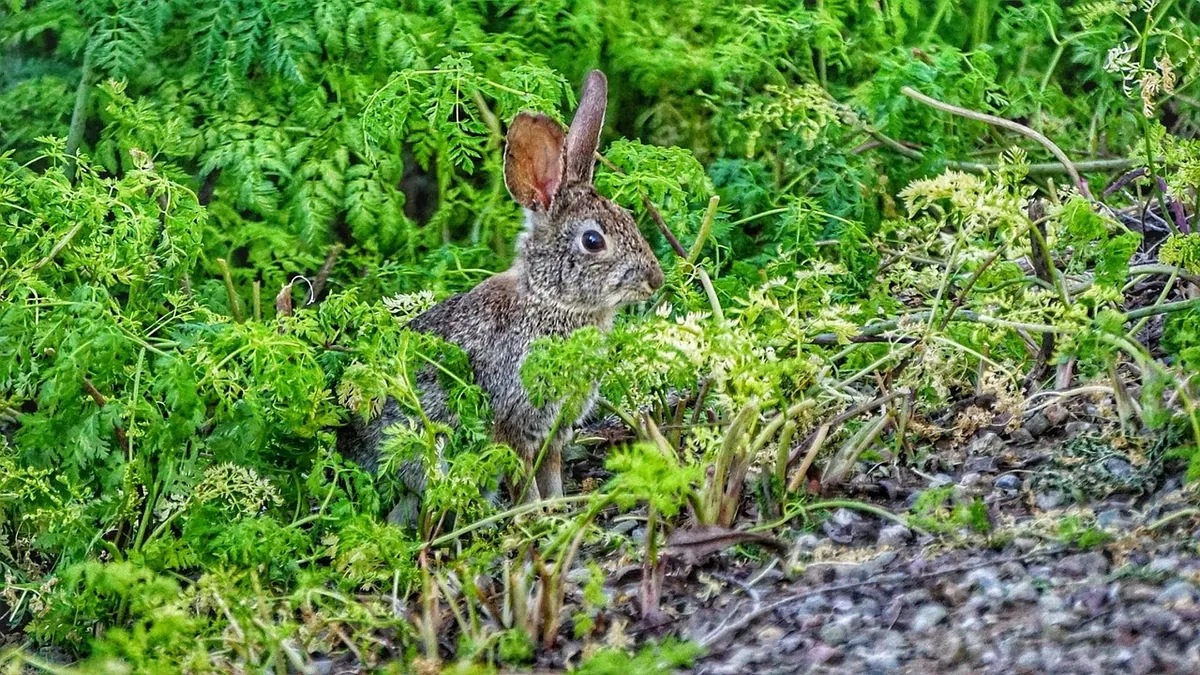
Yes, rabbits can eat kale, but only in small amounts and not every day for some rabbits. Kale is a leafy green that fits into the vegetable portion of a rabbit's diet, yet its high calcium and goitrogen content makes it a treat instead of a staple. This article is educational and is not a substitute for veterinary diagnosis or treatment.
Quick Answer
- Kale is safe for most healthy adult rabbits in small amounts, roughly one or two small leaves per day for an average 4 to 5 pound rabbit.
- Kale is high in calcium and contains goitrogens, so rabbits with a history of bladder sludge, bladder stones, or kidney problems should avoid it or eat it only rarely.
- Grass hay must make up about 85 to 90% of your rabbit's diet, with kale as a minor add-on [1].
- Never feed kale cooked, salted, seasoned, or mixed with garlic, onion, or oil.
- If your rabbit suddenly eats a large amount of kale, watch for soft stool, gas, or a drop in appetite and call your veterinarian if signs last more than a few hours.
Can Rabbits Eat Kale? The Short Answer
Kale is not toxic to rabbits. A healthy adult rabbit can eat a small amount of raw kale as part of its daily leafy greens. The problem is quantity and frequency, not the plant itself.
A rabbit's digestive system is built for fiber. Rabbits are herbivores with a specialized gut, and they need a diet that is high in fiber to keep digestion moving and to lower the risk of intestinal disease [1]. Grass hay provides most of that fiber. Kale adds water, some vitamins, and chewing variety, but it cannot replace hay.
Think of kale as a garnish. If your rabbit's bowl is mostly hay with a small pile of greens, you are on the right track. If kale is a large part of the bowl, you are asking for trouble.
Nutritional Content and Real Benefits of Kale
Kale delivers vitamin A, vitamin C, vitamin K, and some calcium. Rabbits need vitamins A, D, and E from their diet, while B vitamins and vitamin K are usually made by normal gut bacteria, so extra vitamin K from food is not a specific need [1].
The real benefit of kale is that it is a fresh, crunchy green that many rabbits enjoy. It adds moisture and variety. That variety matters for enrichment, and a rabbit that gets a rotating mix of safe greens is often more willing to eat its hay and pellets.
Kale does not provide anything a rabbit cannot get from other greens. If your rabbit cannot eat kale because of health issues, it loses nothing important. You can build a complete diet from hay, quality pellets, and other safe vegetables. For a broader list, see Rabbit Safe Vegetables.
Risks of Feeding Kale to Rabbits
Calcium and Bladder Sludge
Kale is one of the higher-calcium leafy greens. Rabbits absorb calcium from their diet differently than many other animals, and excess calcium leaves the body mainly through the urine. In some rabbits, that calcium settles out as thick bladder sludge or forms stones. Rabbits with a history of sludge or stones are the ones most likely to have trouble with kale.
If your rabbit has ever had gritty urine, straining to urinate, or a bladder stone removed, talk to your veterinarian before offering kale at all. For those rabbits, low-calcium greens are a better choice.
Goitrogens
Kale contains goitrogens, natural plant compounds that can interfere with thyroid function when eaten in large amounts over time. Small servings in a mixed diet are not a concern for most healthy rabbits. A rabbit fed kale as its main green every day for months is a different story. Rotate your greens so no single high-goitrogen vegetable dominates the bowl.
Gas and Soft Stool
Any new green can cause gas, soft cecotropes, or loose stool if introduced too fast or fed in excess. Rabbits cannot vomit, so gas and gut slowdown are serious. A rabbit that stops eating, sits hunched, or has a quiet, gurgly belly needs veterinary attention the same day.
Dangerous Additives
Plain raw kale is the only form to feed. Garlic kale, sautéed kale, kale chips, and kale mixed into human dishes are not safe. Garlic and onion can damage red blood cells in pets. Salt, oil, butter, and seasoning can cause digestive upset. Xylitol, a sweetener found in some processed foods, is toxic to pets. Keep all of it away from your rabbit.
For a full list of foods and household items to avoid, see Rabbit Safety: Toxic Foods and Household Hazards.
Can Rabbits Eat Collard Greens and Kale?
Yes, rabbits can eat both collard greens and kale, but they are similar in one important way. Both are relatively high in calcium. Feeding both on the same day doubles the calcium load without adding much variety.
Pick one high-calcium green per day and pair it with a low-calcium option like romaine, green leaf lettuce, or cilantro. If your rabbit has sludge issues, skip both and use low-calcium greens instead.
Can Rabbits Eat Spinach and Kale?
Yes, rabbits can eat spinach and kale, but spinach brings its own problem. Spinach is high in oxalates, which can bind calcium and irritate the urinary tract in susceptible rabbits. Kale is high in calcium. Combining them gives you a double dose of the two things owners of sludge-prone rabbits are trying to limit.
For a healthy rabbit with no urinary history, a small amount of either is fine on an occasional basis. Do not make spinach and kale the daily base of the salad. Use them as occasional accents and keep the main greens low in calcium.
Is It OK for Rabbits to Eat Kale Every Day?
It is okay for many healthy adult rabbits to eat a small amount of kale daily, but it is not the best habit. Daily kale means daily calcium and daily goitrogens. A better plan is to rotate kale with other greens across the week.
A simple rotation looks like this. Monday, romaine and cilantro. Tuesday, a small kale leaf and parsley. Wednesday, green leaf lettuce and basil. Thursday, a small kale leaf and dandelion greens. This spreads nutrients and limits any single compound.
If your rabbit is young, pregnant, nursing, or has kidney or bladder disease, ask your veterinarian before making kale a regular item. Growing rabbits and rabbits with health conditions have different needs, and a veterinarian who knows your rabbit's history should guide those choices.
How Much Kale Can a Rabbit Eat?
For a typical healthy adult rabbit weighing about 4 to 5 pounds, one or two small kale leaves per day is a reasonable ceiling. Larger rabbits can have a bit more, smaller rabbits less. The leafy green portion of the diet overall should stay modest, with hay filling the rest of the bowl.
Hay is the foundation. Rabbits need about 85 to 90% of their diet as grass hay, plus a smaller amount of pellets containing 15 to 20% crude fiber [1]. A low-fiber diet raises the risk of severe digestive illness, especially in young rabbits [1]. Kale has fiber, but not the long-strand fiber that hay provides.
If you are unsure how much total food your rabbit should get each day, see How Much Food Should A Rabbit Eat.
Kale Feeding Guide
| Form | Safe? | Notes |
|---|---|---|
| Raw kale leaf, small amount | Yes | One or two small leaves daily for an average adult rabbit |
| Raw kale stem | Yes, in small pieces | Tough stems can be chewed, cut them short |
| Cooked kale | No | Cooking changes texture and adds no benefit |
| Garlic kale | No | Garlic can harm red blood cells |
| Kale chips or salted kale | No | Salt, oil, and seasoning cause digestive upset |
| Kale in a mixed human dish | No | Onion, garlic, xylitol, and fats are all risks |
| Kale for a sludge-prone rabbit | Avoid or rare | High calcium can worsen urinary problems |
How to Offer Kale Safely
Start with one small leaf. Wash it well under running water and pat it dry. Serve it raw at room temperature. Cut stems into short pieces so your rabbit does not gulp a long strand.
Introduce any new green slowly. Offer a small piece and wait 24 hours. If the droppings stay normal and your rabbit eats hay as usual, you can keep it in the rotation. If you see soft stool, gas, or a change in appetite, stop the new green and go back to the basics.
Keep the total green portion of the meal small. A rabbit should finish its hay and pellets first. If your rabbit fills up on kale and skips hay, cut the kale back.
Fresh water should always be available. A rabbit eating dry hay and fresh greens needs steady water intake to keep the gut and bladder working.
What If Your Rabbit Ate Too Much Kale?
If your rabbit ate a large amount of plain kale, the main concern is digestive upset. Watch for soft stool, a swollen or gurgly belly, teeth grinding, or a rabbit that sits hunched and refuses food. These signs can point to gas or gut slowdown, which can become an emergency in rabbits.
If your rabbit ate garlic kale, onion, or a processed kale dish, call your veterinarian or a pet poison hotline right away. Do not wait for symptoms. Small body size means small amounts of a harmful ingredient can matter.
If your rabbit ate a normal small serving and seems fine, no treatment is needed. Just keep the next few meals simple and hay-heavy.
Safer Alternatives to Kale
Low-calcium greens are the best everyday choice, especially for rabbits with urinary issues. Good options include romaine lettuce, green leaf lettuce, butter lettuce, cilantro, basil, parsley in small amounts, and dandelion greens.
You can also rotate in other safe vegetables in small portions, such as bell pepper, zucchini, and small pieces of broccoli leaf. Keep the total vegetable serving modest and let hay do the heavy lifting.
For a full picture of how greens, hay, and pellets fit together, see Diet Of A Rabbit and Suitable Diet For A Rabbit.
Limitations and When to Contact a Veterinarian
This article covers general feeding guidance. It cannot tell you what is right for your specific rabbit. Age, weight, pregnancy status, dental health, and any history of bladder sludge or kidney disease all change the answer. Individual cases need a veterinarian who can examine your rabbit and review its history.
Call your veterinarian the same day if your rabbit:
- Stops eating or refuses its favorite greens
- Has soft stool, diarrhea, or no droppings for several hours
- Sits hunched, grinds its teeth, or presses its belly to the floor
- Breathes fast or seems painful when you touch the abdomen
- Has gritty or thick urine, strains to urinate, or cries when urinating
Go to an emergency clinic now if your rabbit:
- Has not eaten for 12 hours or more
- Has not passed droppings for 12 hours or more
- Is limp, cold, or unresponsive
- Is straining to urinate with no urine produced
Routine visit situations include a rabbit with a known sludge history who ate kale, a rabbit with a new food that caused mild soft stool, or any rabbit you want to switch to a lower-calcium diet. Bring a list of what your rabbit eats each day, including amounts.
Frequently Asked Questions
Can baby rabbits eat kale?
Baby rabbits should not eat kale as a main green. Young rabbits have a delicate digestive system and need a high-fiber diet to lower the risk of severe digestive illness [1]. Introduce greens slowly only after your veterinarian says your rabbit is ready, and keep servings tiny.
Can rabbits eat kale stems?
Yes, rabbits can eat kale stems in small pieces. Stems are tougher than leaves, so cut them short to prevent choking. If your rabbit leaves the stems behind, that is fine, the leaves carry most of the nutrition.
Does kale cause bladder stones in rabbits?
Kale does not directly cause stones, but its high calcium can contribute to sludge and stones in rabbits that are prone to them. Rabbits with a urinary history should avoid kale or eat it only rarely. Your veterinarian can help you choose low-calcium greens.
Can rabbits eat kale and carrots together?
Yes, a small piece of carrot with a small kale leaf is fine for a healthy adult rabbit. Carrots are high in sugar, so keep them to a thumbnail-sized piece. The greens and hay should still make up the bulk of the meal.
Is organic kale safer for rabbits?
Organic kale is not safer than regular kale for rabbits. The safety issue is calcium, goitrogens, and serving size, not pesticide residue at levels relevant to a small serving. Wash all greens well and focus on amount and frequency.
Related Articles
- Rabbit Safe Vegetables
- How Much Food Should A Rabbit Eat
- Diet Of A Rabbit
- Rabbit Safety: Toxic Foods and Household Hazards
- Suitable Diet For A Rabbit
- What Do Rabbits Need In Their Diet
- Can Rabbits Eat Mustard, Kale, Turnip, and Other Greens?
- Can Rabbits and Guinea Pigs Eat Spinach and Kale?
- Can Rabbits Eat Green Beans? Safe or Not?
- Rabbit Feed Ingredients: Safe and Nutritious Options
- Rabbit Food and Hay: A Nutritional Guide for Optimal Health
References
- Diet for Rabbits - All Other Pets. Merck Veterinary Manual.