Why Is My Rabbit or Guinea Pig Digging?
By Dr. Zubair Khalid, DVM, MS, PhD ·
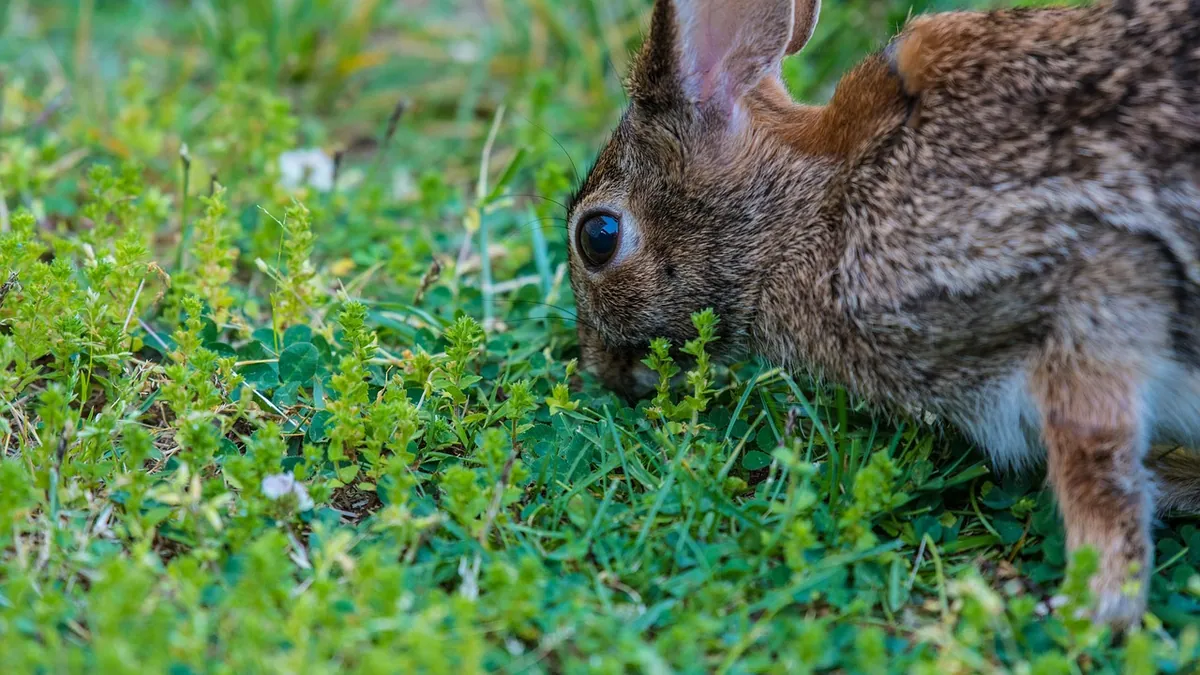
Rabbits dig because digging is built into who they are. It is normal burrowing and nesting behavior, not misbehavior, and it shows up most in intact females, in bored rabbits, and in rabbits who lack a safe place to dig. Your job is not to stop the behavior but to give it a safe outlet and to rule out health problems that can trigger it.
This article is educational and is not a substitute for veterinary diagnosis or treatment.
Quick Answer
- Digging is a natural behavior for rabbits and many small mammals. Wild lagomorphs dig and use burrows for shelter and reproduction [1].
- Provide a dedicated dig box with safe substrate instead of letting your rabbit dig at carpet, furniture, or flooring.
- Spaying a female rabbit often reduces nest-building and digging driven by hormones, though some digging will remain.
- Sudden new digging, especially with pawing at the mouth, drooling, or not eating, can signal pain or dental disease and needs a vet visit.
- Never punish digging with yelling, spraying, or hitting. Punishment does not remove the urge and damages your bond with your rabbit.
Why Is My Rabbit Digging? The Normal Reasons First
Digging is a species-typical behavior. Rabbits are prey animals, and burrows give them protection from predators and a controlled temperature. A wild lagomorph in the Annamite Mountains of Vietnam was recorded opening, closing, and concealing its burrow entrance, even placing compacted soil and small rocks over the opening [1]. That is the same motor pattern your pet rabbit performs on your couch cushion.
Nesting and hormonal drives
Intact female rabbits dig to prepare a nest, especially when they are pregnant or having a false pregnancy. In the wild, a female was recorded leaving her burrow with two juveniles 46 days after a behavior event that researchers interpreted as parturition [1]. Your unspayed female may pull fur, gather hay in her mouth, and dig in corners for the same reason. Spaying removes the hormonal trigger for most of this behavior.
Boredom and lack of enrichment
Rabbits are highly susceptible to environmental stress, and conventional housing that does not meet their behavioral needs can lead to behavior problems [2]. A rabbit with nothing to do will dig at the cage floor, the litter box, or the wall. Environmental enrichment means changing your rabbit's space so it can express natural behaviors and avoid frustration [2].
Comfort and temperature control
Digging can be a way to reach a cooler surface or to rearrange bedding. Some rabbits dig to fluff blankets or to create a shallow dip to lie in. This is usually harmless and easy to redirect.
Instinct to escape or explore
A rabbit who digs at the base of a fence or the corner of a pen may be trying to get to the other side. This is normal exploratory and escape behavior, and it is a housing problem, not a training problem.
Why Is My Guinea Pig Digging, and What About Other Small Pets?
The same answer applies across species. Guinea pigs, hamsters, and rats dig for shelter, nesting, food storage, and temperature control. A study of black-tailed prairie dogs found that they excavate burrow systems for social organization and predator avoidance, and their forelimbs are built for scratch-digging with alternating power and recovery strokes [3]. That anatomy and drive show up in smaller rodents too.
If you are deciding between species, our guide on Guinea Pig vs Rabbit: Which Pet Is Right for You? covers how their housing and enrichment needs differ. Hamsters dig deep burrows in bedding, rats dig and shred, and guinea pigs often dig at bedding and cage corners. The fix is the same for all of them: give a safe digging substrate and enough space.
Medical Causes to Rule Out
Most digging is normal. Some digging is a sign of a health problem, and those cases need a veterinarian.
Dental pain
Rabbits and guinea pigs with overgrown or sharp teeth often paw at their mouths, drool, drop food, and dig at the floor in discomfort. Dental disease is common in small mammals and can look like restlessness. Our article on Guinea Pig Care: Overgrown Dental Spurs & Tooth Trimming Guide explains the signs.
Skin and ear parasites
Ear mites and other parasites cause intense itching. A rabbit with ear canker from Psoroptes mites can present with thick, grayish-white debris in the ear canal and crusty ear lesions [4]. A rabbit who digs at the floor or scratches constantly may be trying to reach an itch, not to burrow.
Pain, urinary problems, and GI discomfort
A rabbit with bladder stones, urinary tract infection, or gas pain may dig and rearrange bedding, press the belly to the floor, or strain to urinate. Any rabbit who stops eating, stops producing normal droppings, or sits hunched needs same-day veterinary care.
Obesity and body condition
Overweight pets move differently and may dig or paw because they are uncomfortable. In a survey of pet rabbits, guinea pigs, and rats, 28% of rabbits, 23% of guinea pigs, and 28% of rats were overweight [5]. Your veterinarian can body condition score your pet and tell you whether weight is part of the problem.
When Does Digging Become a Problem?
Digging becomes a problem when it damages your home, injures your rabbit, or signals distress.
Watch for these patterns:
- Digging at carpet, baseboards, or drywall to the point of destruction
- Digging at the cage bars or floor until the paws are sore or bleeding
- Digging paired with pacing, bar biting, or over-grooming
- Digging that starts suddenly in an adult rabbit with no history of it
- Digging plus not eating, drooling, or changes in droppings
Destructive digging usually means the environment is not meeting your rabbit's needs. That is fixable. Self-injurious digging or digging with other signs of illness needs a veterinarian.
What to Do Step by Step
Step 1: Set up a proper dig box
Use a sturdy box or bin with low sides so your rabbit can hop in and out. Fill it with safe substrate. Shredded paper, hay, and plain paper bedding work well. Avoid cat litter, clumping litter, cedar shavings, and anything dusty. Place the box where your rabbit already tries to dig.
Step 2: Add enrichment every day
Environmental enrichment is the modification of your pet's space to meet its behavioral needs, and it prevents frustration and negative emotional states [2]. Rotate toys, hide treats in hay, offer cardboard tubes to shred, and give fresh hay in a rack or pile. A busy rabbit digs less out of boredom.
Step 3: Protect the areas you cannot change
Block off carpet edges and baseboards with hard plastic panels or a playpen. Cover the floor under the pen with a washable mat. This is management, not punishment. You are removing the option, not scolding the behavior.
Step 4: Review housing and space
Rabbits need room to run, jump, dig, and stretch. A small cage does not allow any of that. Our guide on Rabbit Housing: Indoor vs. Outdoor Hutches and Enrichment walks through sizing and setup. If your rabbit lives in a hutch, add a secure exercise area with a dig box.
Step 5: Consider spaying
If your female rabbit digs constantly, pulls fur, and builds nests, talk to your veterinarian about spaying. This removes the hormonal drive behind nest building and also protects against uterine disease, which is common in unspayed females.
Step 6: Train with redirection, not punishment
When your rabbit digs in the wrong place, calmly pick them up and place them in the dig box. Reward digging in the box with a small treat or a pet. Rabbits learn through repetition and positive reinforcement. If you are also working on litter habits, see Litter Training Your Pet Rabbit.
Step 7: Track body condition and diet
Feed measured portions of hay, pellets, and greens. Weigh your rabbit monthly or check body condition with your vet. Keeping your rabbit at a healthy weight reduces strain on the joints and makes digging and movement easier [5].
What Not to Do
Do not punish digging. Yelling, spraying water, hitting, or shaking the cage does not teach your rabbit what to do instead. It teaches fear. Punishment also increases stress, and stress in rabbits is linked to disease, poor growth, and behavior problems like aggression [2].
Do not assume digging is spite or dominance. Rabbits do not plan revenge. They dig because the behavior is wired in.
Do not use unsafe substrates. Clumping litter can cause impaction if swallowed. Cedar and pine shavings can irritate the respiratory tract. Dusty bedding can trigger sneezing and eye problems.
Do not skip the vet because "it is just behavior." Sudden digging with drooling, pawing at the mouth, or appetite loss is a medical sign until proven otherwise.
Do not let your rabbit dig outdoors unsupervised. Outdoor digging can lead to escape, contact with predators, and exposure to parasites.
When to Involve a Veterinarian or Behavior Professional
Call your veterinarian if digging is new, intense, or paired with any change in eating, drinking, droppings, or activity. Call sooner if your rabbit is not eating, is drooling, has trouble breathing, or is straining to urinate.
A certified behavior professional can help if your rabbit's digging continues despite a full enrichment plan and a clean bill of health. Behavior problems in rabbits often respond to changes in housing, enrichment, and routine [2].
Limitations and When to Contact a Veterinarian
This article covers common patterns. Your rabbit is an individual, and only a veterinarian who examines your pet can diagnose a medical problem or prescribe treatment. Doses for any medication are calculated by your veterinarian based on your pet's weight and health, so never give a medication without veterinary direction.
Contact a veterinarian the same day if your rabbit:
- Stops eating or stops producing normal droppings
- Drools, paws at the mouth, or drops food
- Digs or scratches at the ears with head shaking or ear debris [4]
- Has sore, bleeding, or swollen paws
- Shows sudden intense digging with pacing or restlessness
Go to an emergency clinic now if your rabbit:
- Is struggling to breathe
- Is collapsed, limp, or unresponsive
- Has a bloated, hard abdomen or is grinding the teeth loudly
- Is straining to urinate with no urine produced
- Has a seizure or sudden paralysis
Schedule a routine visit if:
- Digging is destructive despite enrichment
- Your rabbit is overweight or you are unsure about body condition [5]
- Your female rabbit is unspayed and shows nesting behavior
- You want help building a behavior and enrichment plan
Frequently Asked Questions
Is digging a sign my rabbit is unhappy?
Not by itself. Digging is normal burrowing and nesting behavior, and many happy rabbits dig daily. It becomes a welfare concern when it is constant, destructive, or paired with pacing, bar biting, or appetite changes.
Will my rabbit stop digging if I get it spayed?
Spaying usually reduces hormone-driven nesting and digging in females. It does not remove the behavior completely, because digging is a natural motor pattern. You still need a dig box and daily enrichment.
Can I use a litter box as a dig box?
You can, but expect the litter to end up outside the box. A separate, deeper dig box with shredded paper or hay keeps the litter box cleaner and gives your rabbit a clear place to dig.
Do guinea pigs, hamsters, and rats dig for the same reasons?
Yes, they dig for shelter, nesting, food storage, and temperature control. Prairie dogs, for example, excavate burrow systems for social organization and predator avoidance, and their forelimbs are specialized for scratch-digging [3]. Small rodents kept as pets have the same underlying drive.
Should I punish my rabbit for digging?
No. Punishment does not stop the urge and increases stress, which can lead to health and behavior problems [2]. Redirect your rabbit to a dig box and reward the behavior you want.
Related Articles
- Guinea Pig vs Rabbit: Which Pet Is Right for You?
- Rabbit Housing: Indoor vs. Outdoor Hutches and Enrichment
- Litter Training Your Pet Rabbit
- Spaying and Neutering Your Pet Rabbit
- Why Does My Rabbit Dig? Normal Digging vs Problems
- Why Is My Rabbit Licking or Digging the Floor?
- Why Does My Rabbit Dig and Pee on Me? Behavior Explained
References
- Observations on Burrow Use and Reproduction in the Annamite Striped Rabbit (Nesolagus timminsi) in Vietnam. Ecology and evolution, 2026.
- Environmental Enrichment in Rabbit Husbandry: Comparative Impacts on Performance and Welfare. Animals : an open access journal from MDPI, 2024.
- Scratching beneath the surface: Quantification of muscle architecture and myosin heavy chain content in the forelimbs of black-tailed prairie dogs (Cynomys, Rodentia). Journal of anatomy, 2026.
- Molecular phylogeny of Psoroptes ovis isolated from ear canker in a domestic rabbit from South India. Molecular biology reports, 2025.
- Prevalence and awareness of obesity and related husbandry practices in Estonian rabbits, guinea pigs, and rats. Animal welfare (South Mimms, England), 2025.