Is It Normal for Rabbits and Guinea Pigs to Have Eye Boogers?
By Dr. Zubair Khalid, DVM, MS, PhD ·
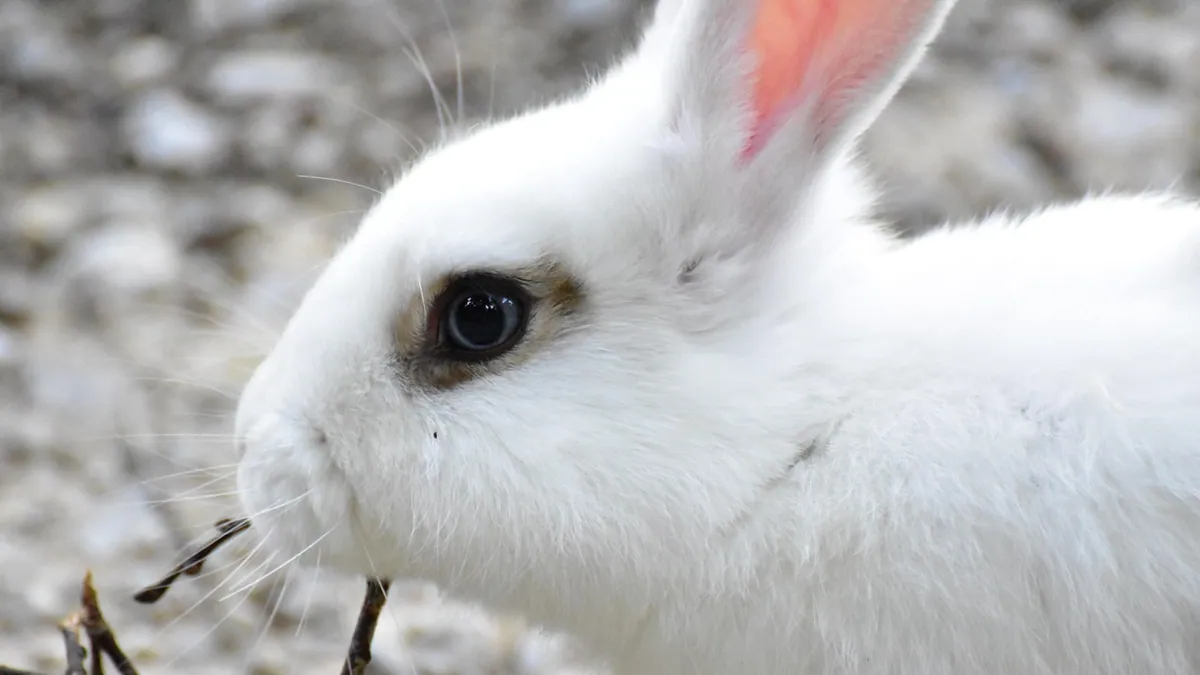
Is it normal for rabbits to have eye boogers? Occasionally, yes. A small amount of soft, white or clear discharge in the corner of the eye can be normal, especially after sleep or after time in a dusty environment. But frequent, thick, colored, or foul-smelling discharge is not normal and often points to a real problem that needs a veterinarian.
This article is educational and is not a substitute for veterinary diagnosis or treatment.
Quick Answer
- A tiny bit of soft white or clear crust in the inner corner of the eye can be normal, particularly in the morning.
- Any yellow, green, gray, or brown discharge is abnormal and suggests infection or another underlying problem.
- Eye discharge in rabbits is often linked to dental disease, tear duct blockage, or conjunctivitis, not just a simple eye issue [1].
- Lop-eared rabbits have higher odds of ocular discharge than erect-eared rabbits, so watch lop breeds closely [2].
- Never use human eye drops or home remedies on a rabbit without veterinary guidance.
What Eye Boogers Look Like in Rabbits and Guinea Pigs
Eye discharge, sometimes called eye boogers, can range from a thin watery tear to a thick paste. The color, texture, and amount all matter.
Normal discharge is usually clear or milky white. It tends to collect in the inner corner of the eye near the nose. You might see a small crust after your pet sleeps, and it wipes away easily with a damp cloth.
Abnormal discharge looks different. It may be yellow, green, or brown. It can be thick, sticky, or pus-like. It may soak the fur around the eye and cause matting. The skin around the eye may look red, swollen, or irritated. Your pet may squint, paw at the eye, or hold it partly closed.
Guinea pigs show similar signs. Eye infections in guinea pigs cause watering, crusting, and redness, and they are often linked to the same bacteria that cause respiratory infections [3]. So a guinea pig with eye boogers may also have a runny nose, sneezing, or trouble breathing.
Is It Normal for Rabbits to Have Eye Boogers?
A small amount of clear or white discharge now and then is common and usually not a concern. The tear system in rabbits drains tears from the eye surface through small ducts into the nose. Rabbits have a lower lacrimal punctum and a lacrimal canaliculus, which are part of this drainage pathway [4]. When that pathway gets partly blocked, tears and debris can build up in the corner of the eye.
That said, rabbits are prone to eye problems for several reasons. They have large eyes and blink less often than many other animals, so the eye surface dries out more easily [1]. Dryness, dust, pollen, and other irritants can all trigger mild discharge.
The tricky part is that eye discharge in rabbits is often a sign of something deeper. In one review of rabbits with eye disease, ocular discharge was the most common eye complaint, reported in 56.5% of cases [5]. Many of those rabbits also had dental disease or nasolacrimal duct disease [5]. So while a little discharge can be normal, ongoing or heavy discharge deserves a closer look.
Why Does My Guinea Pig Have Eye Boogers?
Guinea pigs get eye discharge for many of the same reasons rabbits do. The most common causes include irritants, infection, and dental disease.
Dental problems are common in guinea pigs. Their teeth grow continuously, and misalignment of the upper and lower teeth (malocclusion) can cause overgrowth, sharp edges, pain while chewing, and trouble eating [3]. Dental disease can lead to drooling, weight loss, mouth bleeding, tooth root abscesses, and discharge from the nose or eyes [3].
Eye infections in guinea pigs cause watering, crusting, and redness [3]. These infections are often linked to the bacteria that cause respiratory infections, so eye signs and breathing signs can appear together [3].
If your guinea pig has eye boogers along with a runny nose, sneezing, or noisy breathing, that combination is more concerning than eye discharge alone.
Main Causes of Eye Discharge in Rabbits and Guinea Pigs
| Cause | Typical clues | How urgent |
|---|---|---|
| Mild irritation (dust, pollen, bedding) | Clear or white discharge, no redness, pet is eating and active normally | Monitor for 24 hours, call your vet if it continues |
| Conjunctivitis | Red eyelids, watery or pus-like discharge, squinting | See a vet within a day or two |
| Tear duct blockage (dacryocystitis) | Chronic discharge from one eye, wet fur below the eye, no obvious redness | See a vet soon, ducts may need flushing [1] |
| Dental disease | Drooling, weight loss, trouble chewing, discharge from nose or eyes, swelling along the jaw | See a vet promptly, dental disease can worsen quickly [3] |
| Corneal ulcer | Squinting, tearing, pawing at the eye, cloudy spot on the eye surface | See a vet the same day [1] |
| Respiratory infection | Eye and nasal discharge, sneezing, noisy breathing, lethargy | See a vet the same day |
| Glaucoma (rabbits) | Bulging eye, cloudy cornea, dilated pupil, pain | Emergency, see a vet immediately |
Conjunctivitis is inflammation of the eyelids that causes redness and secretions from the eye. It can be linked to irritants, eyelid problems, or dental disease [1]. Dacryocystitis, or inflammation of the tear ducts, often happens at the same time [1]. These conditions can be caused by bacteria or viruses and can spread through direct contact with affected animals or contaminated bedding [1].
Corneal ulcers are the most common eye problem in rabbits [1]. They can result from trauma, dryness, environmental irritation, or nerve problems that affect blinking [1].
Dental disease deserves special attention. In a study of 435 pedigree rabbits, lop-eared rabbits had higher odds of ocular discharge than erect-eared rabbits [2]. The same study found that more dolichocephalic rabbits (those with longer heads) had increased odds of cheek teeth step or wave mouth [2]. This does not mean every rabbit with eye discharge has dental disease, but the link is strong enough that your vet will likely check the teeth.
Red Flags That Make It an Emergency
Some eye signs mean you should stop reading and call a veterinarian right away.
- Your rabbit or guinea pig is not eating or drinking.
- The eye is bulging outward or looks larger than the other eye.
- The cornea looks cloudy, blue, or white.
- Your pet is squinting constantly or holding the eye completely closed.
- There is thick yellow or green pus.
- Your pet is pawing at the eye or rubbing its face on the ground.
- There is bleeding from the eye.
- Your pet is breathing noisily, sneezing, or has a runny nose along with eye discharge.
- Your pet seems weak, dull, or unresponsive.
A bulging eye with a cloudy cornea and a dilated pupil can be a sign of glaucoma, which is painful and needs urgent care [6]. Respiratory signs with eye discharge can point to a bacterial infection that affects the whole respiratory tract [7].
Safe Things You Can Do at Home While Waiting
You can take a few gentle steps at home, but do not try to treat the eye yourself.
Keep the area clean. Use a clean, damp cotton ball or soft cloth warmed with plain water. Wipe gently from the inner corner outward. Use a fresh cotton ball for each eye so you do not spread infection from one eye to the other.
Check the environment. Dusty bedding, strong scents, and poor ventilation can irritate the eyes. Switch to a low-dust bedding and keep the cage clean and dry.
Check the teeth and mouth. Look for drooling, swelling along the jaw, or dropping food while chewing. These signs point to dental disease and mean you should call your vet [3].
Offer fresh hay and water. Rabbits and guinea pigs need constant access to hay to wear down their teeth. Guinea pigs also need a daily source of vitamin C because they cannot make it on their own. A lack of vitamin C can contribute to dental problems [3].
Do not use human eye drops, saline, or antibiotic ointments. Some products that are safe for people are not safe for small pets. Your veterinarian will choose the right medication and calculate the dose based on your pet's weight and health.
Do not try to flush the tear ducts at home. Tear duct flushing is a veterinary procedure [1].
Watch for changes. Take a photo of the eye each day so you can show your vet whether the discharge is getting better or worse.
If your pet has any red flag sign, skip the home care and call your vet now.
What the Veterinarian Will Check and Test
Your veterinarian will start with a full physical exam. They will look at both eyes, the eyelids, and the tear ducts. They will also check the teeth, because dental disease is a common cause of eye discharge in both rabbits and guinea pigs [1][3].
The exam may include:
- Fluorescein stain. A dye is placed on the eye to check for corneal ulcers. This is how vets find scratches and sores on the eye surface [1].
- Tear duct flushing. The vet may flush the tear ducts with saline to clear a blockage [1].
- Oral exam. The vet will look at the incisors and cheek teeth. Some rabbits need sedation for a full look at the back teeth.
- Eye pressure check. This measures the pressure inside the eye and helps rule out glaucoma [6].
- Imaging. In some cases, a CT scan may be used to look at the eye, the tear ducts, and the teeth. In one review, CT scans showed ophthalmic abnormalities in 96.4% of rabbits with eye signs, and many also had dental disease [5].
- Culture or swab. If infection is suspected, the vet may take a sample to identify the bacteria.
Treatment depends on the cause. Antibiotic eye ointment is common for conjunctivitis and tear duct infections [1]. Corneal ulcers often need antibiotic eye medication and sometimes surgery [1]. Dental disease may need tooth trimming or extraction. Glaucoma needs pressure-lowering medication [6].
Prevention and Monitoring
You cannot prevent every eye problem, but you can lower the risk.
Feed a proper diet. Unlimited grass hay is the foundation for rabbits and guinea pigs. It keeps teeth worn down and supports gut health. Guinea pigs also need daily vitamin C [3].
Keep the cage clean. Dirty bedding and poor ventilation irritate eyes and spread bacteria [1].
Check the eyes daily. A quick look each morning helps you catch changes early. Wipe away normal crust with a damp cloth.
Watch lop-eared rabbits closely. Lop-eared rabbits have higher odds of ocular discharge, so check their eyes often [2].
Schedule routine vet visits. A yearly exam helps your vet catch dental disease and eye problems before they get worse. If your pet has a history of eye discharge, your vet may want to see it more often.
Know the linked conditions. Eye problems in rabbits and guinea pigs often go hand in hand with skin, ear, and dental issues. If you notice eye discharge along with skin crusting or hair loss, see Common Dermatological Conditions in Rabbits and Guinea Pigs. If your rabbit is shaking its head or scratching its ears, read Do Rabbits Get Ear Infections. And if you are still deciding which pet fits your home, Guinea Pig vs Rabbit: Which Pet Is Right for You? can help.
Limitations and When to Contact a Veterinarian
This article gives general information, not a diagnosis. Every pet is different, and only a veterinarian who examines your rabbit or guinea pig can tell you what is going on.
Call your veterinarian the same day if:
- Discharge is yellow, green, or thick.
- The eye is red, swollen, or partly closed.
- Your pet is squinting or pawing at the eye.
- Discharge has lasted more than 24 hours.
- Your pet has drooling, weight loss, or trouble chewing.
- Your pet has a runny nose, sneezing, or noisy breathing.
Go to an emergency clinic now if:
- The eye is bulging or the cornea looks cloudy.
- Your pet is not eating or drinking.
- Your pet is weak, dull, or collapsing.
- There is bleeding from the eye.
- Your pet is breathing with its mouth open or struggling to breathe.
For a routine visit, book an appointment if you notice mild discharge that comes and goes, or if your pet has a history of dental disease. Your vet can check the teeth and tear ducts before a small problem becomes a big one.
Frequently Asked Questions
Should I clean my rabbit's eye boogers?
Yes, you can gently wipe away mild discharge with a warm, damp cotton ball. Use a fresh one for each eye and wipe from the inner corner outward. If the discharge is thick, colored, or keeps coming back, call your vet instead of cleaning it repeatedly.
Can I use human eye drops on my rabbit?
No. Do not put human eye drops or ointments in your rabbit's eye unless your veterinarian tells you to. Some ingredients are not safe for rabbits, and the wrong product can make an ulcer or infection worse.
Why does my guinea pig have eye boogers every day?
Daily eye discharge in a guinea pig is not normal and often points to dental disease, infection, or irritation [3]. Guinea pigs with dental problems may drool, lose weight, or have trouble eating [3]. Have your vet check the teeth and eyes.
Is eye discharge in rabbits always a dental problem?
No, but dental disease is a common cause. Other causes include conjunctivitis, tear duct blockage, corneal ulcers, irritants, and glaucoma [1][6]. Your vet will examine the teeth and eyes to find the reason.
Can eye discharge in rabbits go away on its own?
Mild discharge from dust or a minor irritant may clear up once the irritant is removed. Discharge that lasts more than a day, changes color, or comes with squinting, swelling, or appetite loss will not fix itself. Those signs need veterinary care.
Related Articles
- Common Dermatological Conditions in Rabbits and Guinea Pigs
- Do Rabbits Get Ear Infections
- Guinea Pig vs Rabbit: Which Pet Is Right for You?
- Symptoms Of Ear Infection In Rabbits
References
- Eye and Ear Disorders of Rabbits - All Other Pets. Merck Veterinary Manual.
- Rabbit Dental Abnormalities: Investigation of Conformational Risk Factors in a Pedigree Rabbit Population. Animals : an open access journal from MDPI, 2025.
- Common Health Problems of Guinea Pigs - All Other Pets. Merck Veterinary Manual.
- Suitability for lacrimal duct research: anatomical and histological evidence favors the rabbit model over the rat. International journal of ophthalmology, 2026.
- The Use of CT Scan as a Diagnostic Tool in Pet Rabbits Presenting With Signs of Ophthalmic Disease. Veterinary ophthalmology, 2026.
- Suspected Primary Glaucoma in a French Population of Pet Rabbits: A Retrospective Study (2017-2024) of 4 Cases (8 Eyes). Veterinary ophthalmology, 2026.
- Bacteriological and histopathological study of Raoultella planticola in local rabbits with respiratory distress. Open veterinary journal, 2025.