How to Tell If Your Hamster Is Dead or Hibernating
By Dr. Zubair Khalid, DVM, MS, PhD ·
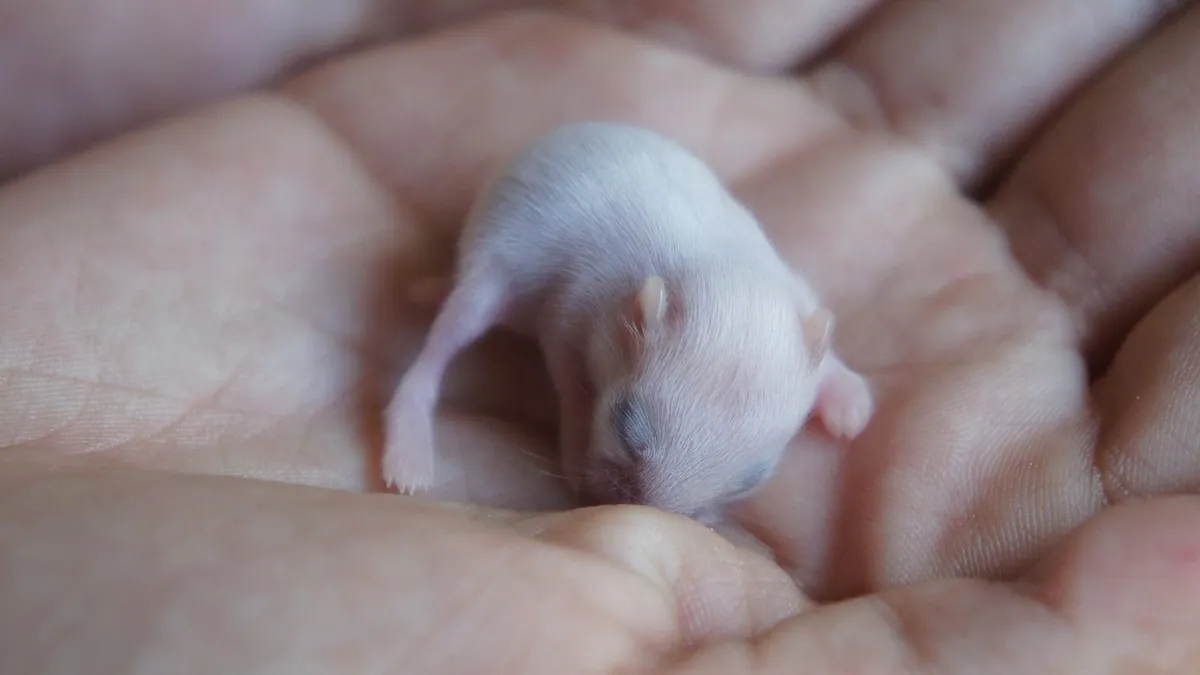
A hamster in deep torpor or hibernation can look completely lifeless, so the only reliable way to know if your hamster has died is to check for breathing, a heartbeat, and a response to gentle warmth. If you are unsure how to tell if my hamster is dead, treat it as alive and warming until a veterinarian confirms otherwise. This article is educational and is not a substitute for veterinary diagnosis or treatment.
Quick Answer
- A hibernating or torpid hamster is cold, still, and slow to respond, but it is not stiff, and its body has not gone rigid.
- Warm your hamster slowly with your hands or a towel at room temperature. Never use a hair dryer, heating pad on high, or hot water.
- A hibernating hamster usually wakes within 15 to 30 minutes of gentle warming and handling [1].
- If there is no breathing, no heartbeat, cold stiffness, or a foul smell after 30 minutes of warming, your hamster has likely died.
- When in doubt, call an exotic pet veterinarian. A quick exam can confirm what is happening.
What a Dead or Hibernating Hamster Looks Like
The normal, awake hamster
A healthy hamster is active in short bursts, mostly at night. It breathes fast, feels warm, and reacts when you touch it or offer food. Syrian hamsters are the largest common pet species, with a head and body length of about 170 to 180 mm and a weight of 110 to 140 g, and females are larger than males [1]. Dwarf hamsters such as the Djungarian and Roborovsky hamsters are much smaller, so their normal stillness and small size can make them harder to read [1].
What torpor and hibernation look like
During torpor, a hamster's metabolic rate and body temperature drop sharply. The animal becomes still, cool to the touch, and slow to respond. In Mongolian hamsters, brain activity can flatten to an almost flat line during deep torpor, and body temperature can fall as low as 10°C (50°F) [2]. That is why a torpid hamster can look dead.
Hibernation is not one long sleep. It happens in repeated torpor bouts separated by brief arousals. In some species, these bouts last up to 48 hours [3]. A hamster in a bout may be unresponsive for many hours, then wake on its own.
What death looks like
A dead hamster does not breathe, has no heartbeat, and does not respond to warmth. Within a short time, the body becomes stiff (rigor mortis), then later goes limp again. The eyes may be sunken and dull. As decomposition begins, the body feels cool and then cold, and a foul odor develops.
Why Does My Hamster Look Dead? Main Causes
| Cause | Typical clues | How urgent |
|---|---|---|
| Torpor or hibernation | Cold, still, slow to respond, wakes with warmth | Urgent, warm and monitor |
| Hypothermia (cold exposure) | Cold, weak, shivering, no waking with warmth | Emergency |
| Illness or infection | Weight loss, poor appetite, labored breathing, discharge | Same-day vet visit |
| Trauma or injury | Visible wound, bleeding, sudden collapse | Emergency |
| Old age or natural death | No breathing, no heartbeat, stiffness, no response to warmth | Confirm with vet |
| Toxic exposure | Sudden collapse, drooling, seizures, known toxin contact | Emergency |
Torpor is a normal energy-saving state, but it can be triggered by cold, food restriction, or short winter-like days. In Djungarian hamsters, spontaneous daily torpor happens mainly in winter-acclimated animals, while short, shallow torpor can also be triggered by food restriction in summer-acclimated animals [4]. If your hamster's environment is too cold or its food supply has been disrupted, torpor becomes more likely.
Cold exposure is the most common trigger. Wild hamsters often hibernate at temperatures below 5°C (41°F), and exposure to cold stimulates them to gather food [1]. A pet hamster in a drafty room or near a window in winter can drop into torpor even indoors.
How to Tell If My Hamster Is Dead: Step-by-Step Checks
Step 1: Look for breathing
Watch the chest and belly for several minutes in good light. A breathing hamster has a slow, shallow rise and fall. A dead hamster has none. Do not rely on a mirror held to the nose, since that test is unreliable.
Step 2: Feel for warmth and a heartbeat
Cup your hamster gently in your hands. A live hamster feels cool but not icy. A dead hamster feels cold and, over time, stiff. You can try to feel a heartbeat by placing a finger lightly on the left side of the chest, just behind the front leg. A heartbeat may be very slow and hard to detect in torpor.
Step 3: Check for a response to warmth
Warm your hamster slowly. Hold it against your skin or wrap it in a soft towel at room temperature. A torpid hamster often begins to stir, twitch, or breathe more deeply as it warms [1]. A dead hamster does not respond.
Step 4: Check for stiffness and smell
Rigor mortis makes the body stiff and hard to move. This is a strong sign of death. A foul odor also points to death. A torpid hamster is limp and relaxed, not stiff.
Step 5: Give it time
Warming can take 15 to 30 minutes or longer. Do not give up too soon. If there is still no breathing, no heartbeat, and no response after 30 minutes of gentle warming, death is likely.
Red Flags That Make It an Emergency
Call an exotic pet veterinarian right away if you see any of these:
- No breathing or no heartbeat after 30 minutes of warming
- Stiff, cold body
- Foul odor
- Labored breathing, open-mouth breathing, or gasping
- Bleeding, a wound, or a suspected fall
- Seizures, tremors, or sudden collapse
- Known or suspected contact with a toxin
- A hamster that was already sick, losing weight, or not eating
If your hamster is alive but weak, cold, or struggling to breathe, do not wait. Small pets can decline quickly. For guidance on what a normal breathing pattern looks like, see How to Check Your Dog's Respiratory Rate and Effort at Home, which explains the same counting method you can adapt for small mammals.
Safe Things You Can Do at Home While Waiting
Warm your hamster slowly
Use your hands, a towel, or a room-temperature blanket. You can also place the hamster in a small box with a towel and keep it near your body. Do not use a hair dryer, a hot water bottle, or a heating pad on a high setting. Rapid warming can cause burns or shock.
Keep the environment quiet
Turn down lights and noise. Stress can make a weak hamster worse. Keep children and other pets away.
Offer a small amount of food and water
If your hamster wakes, offer a small piece of its normal food and a shallow dish of water. Do not force food or water into its mouth. A hamster that is not fully awake can choke.
Do not bury or dispose of the body too soon
If you are unsure, wait. A hamster in torpor can wake hours later. Confirm death with a veterinarian before burial or disposal.
Watch for a full recovery
A hamster that wakes from torpor may be groggy, cold, and slow for a while. Keep it warm and quiet, and watch for normal eating, drinking, and activity over the next day.
What the Veterinarian Will Check and Test
Your veterinarian will start with a physical exam. They will check breathing, heart rate, body temperature, gum color, hydration, and body condition. They will also look for wounds, swelling, or signs of infection.
If the hamster is alive, the vet may recommend:
- Blood work to check organ function and blood sugar
- X-rays to look for injury, fluid, or masses
- Fecal testing for parasites
- A glucose check, since low blood sugar can cause collapse
If the hamster has died, the vet can confirm death and, if you wish, discuss a necropsy (an animal autopsy) to find the cause. This can be helpful if you have other hamsters, since some conditions are contagious.
Your veterinarian will calculate any medication dose based on your hamster's weight and health. Never give human medications or leftover pet medications without veterinary guidance.
Prevention and Monitoring
Keep the cage warm and draft-free
Keep your hamster's cage away from windows, doors, and air conditioning vents. Room temperature should stay comfortably warm. Cold is the main trigger for torpor and hibernation [1].
Feed a complete diet
Feed a balanced pelleted diet made for hamsters. Avoid generic seed mixes, because hamsters pick out the seeds they like and ignore the pellets, which leads to poor nutrition [1]. Good nutrition supports normal metabolism and helps prevent illness.
Watch for early signs of illness
Weigh your hamster weekly on a small kitchen scale. A drop in weight is often the first sign of a problem. Also watch for changes in appetite, activity, breathing, and droppings.
Know your hamster's normal behavior
Learn when your hamster is usually awake and how it acts. That way, you will notice when something is off. If your hamster is older, read Hamster Lifespan: What to Expect and How to Maximize It to understand age-related changes.
Understand torpor versus hypothermia
Torpor is a controlled energy-saving state. Hypothermia is uncontrolled body cooling that can be dangerous. The two can look alike. For a detailed comparison, see Hamster Care: Hibernation torpor vs hypothermia differential guide.
Limitations and When to Contact a Veterinarian
This article cannot confirm whether your individual hamster is alive or dead. Only a veterinarian can do that with an exam.
Contact a veterinarian the same day if your hamster is cold, weak, or slow to respond but does wake with warming. Schedule a routine visit if you notice weight loss, poor appetite, or changes in behavior.
Go to an emergency clinic now if your hamster has no breathing or heartbeat after warming, is stiff and cold, has labored breathing, is bleeding, has seizures, or had contact with a toxin.
If you are unsure whether your hamster is alive, err on the side of caution. Warm it gently and call a veterinarian. Individual cases need a veterinarian's assessment.
Frequently Asked Questions
Can a hamster wake up from hibernation on its own?
Yes, a hibernating hamster can wake on its own, often within hours. Hibernation happens in repeated bouts, and the animal arouses periodically to eat and drink [1]. If your hamster is in torpor, keep it warm and quiet and give it time.
How long can a hamster stay in torpor?
Torpor bouts vary by species and conditions. In some hamster species, bouts last up to 48 hours [3]. Longer bouts are possible in deep hibernation, so do not assume death too quickly if the hamster is cold but not stiff.
Does a dead hamster feel stiff right away?
No, stiffness (rigor mortis) develops over time, usually within a few hours after death. A freshly dead hamster may still feel limp. Coldness, no breathing, and no heartbeat are the earliest signs.
Should I put my hamster in the freezer to check if it is dead?
No. Never put a live hamster in a freezer. Cold can push a torpid hamster deeper into torpor or cause hypothermia. Warm your hamster slowly instead, and let a veterinarian confirm death.
Can illness cause a hamster to look dead?
Yes, severe illness, low blood sugar, dehydration, and hypothermia can all make a hamster collapse and look lifeless. These are emergencies. If your hamster is alive but unresponsive, call an exotic pet veterinarian right away.
Related Articles
- Hamster Lifespan: What to Expect and How to Maximize It
- Hamster Care: Hibernation torpor vs hypothermia differential guide
- Hermit Crab Molting or Dead? How to Tell the Difference
- Do Hamsters Hibernate? Torpor, Length, and Dangers
- Hamster Not Moving but Breathing: Is It Hibernating or Dying?
- My Hamster Is Dying: What to Do Right Now
References
- Hamsters - Exotic and Laboratory Animals. Merck Veterinary Manual.
- Unusual Pattern of Cerebral Electrical Activity in the Mongolian Hamster (Allocricetulus curtatus) During Heterothermia. Doklady biological sciences : proceedings of the Academy of Sciences of the USSR, Biological sciences sections, 2025.
- Influence of facultative hibernation on memory retention in two closely related hamster species. Biologia futura, 2026.
- Daily torpor in summer- and winter-acclimated hamsters: are thermal biology and balancing energy budgets under a different seasonal physiological control?. Journal of comparative physiology. B, Biochemical, systemic, and environmental physiology, 2026.