What Foods Are Poisonous to Guinea Pigs? Safety List
By Dr. Zubair Khalid, DVM, MS, PhD ·
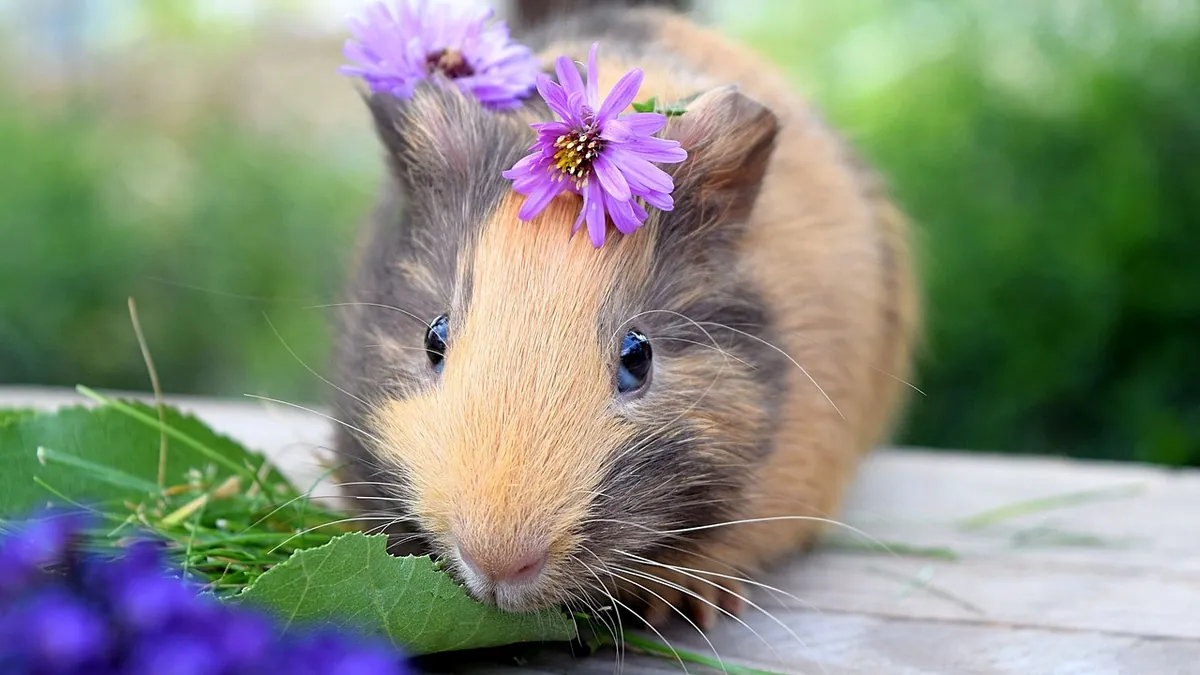
Guinea pigs are herbivores with a sensitive digestive system, and most serious food poisonings in this species come from spoiled hay, moldy pellets, and a handful of specific plants and human foods. Knowing what foods are poisonous to guinea pigs helps you feed with confidence and avoid an emergency. This article is educational and is not a substitute for veterinary diagnosis or treatment.
Quick Answer
- Grass hay (timothy or orchard grass) should be the main food, with about 2 tablespoons of plain guinea pig pellets daily and small amounts of vegetables [1].
- Vinegar is not a poison. Small amounts used to clean water bottles or rinse vegetables are safe, but vinegar is not a food and should not be offered as a drink or meal.
- Potatoes are unsafe. Raw potato, potato peelings, and potato leaves and stems contain solanine, and cooked potato adds starch and fat that guinea pigs do not handle well.
- Never feed moldy hay, moldy pellets, spoiled vegetables, chocolate, caffeine, alcohol, avocado, rhubarb, or any plant grown from a bulb.
- Guinea pigs cannot vomit, so if you suspect poisoning, call a veterinarian, the ASPCA Animal Poison Control Center at (888) 426-4435, or Pet Poison Helpline at (855) 764-7661 right away. Do not try to make your guinea pig vomit.
Which Foods and Plants Are Poisonous to Guinea Pigs?
Guinea pigs evolved to eat grasses and leafy plants, not roots, seeds, dairy, or meat. Their gut depends on constant fiber and a stable bacterial population, so sudden rich or spoiled food can cause serious illness even when the food is not strictly toxic.
Plants and human foods to avoid
- Potatoes and potato plants. Raw potato, green potato, potato peels, and the leaves and stems of the potato plant are unsafe. These contain solanine, a toxin that affects the nervous system and digestive tract. Cooked potato is also a poor choice because of its starch and added fat.
- Rhubarb. Leaves and stems contain oxalates that can damage the kidneys and bind calcium.
- Avocado. Leaves, skin, pit, and flesh are considered unsafe for small herbivores.
- Chocolate, caffeine, alcohol, and sugary or fatty human foods. These can cause digestive upset and, in the case of chocolate and caffeine, signs of stimulant toxicity.
- Bulb plants. Onion, garlic, leek, chives, and ornamental bulbs such as tulip and daffodil.
- Tomato and eggplant leaves and stems. The fruit of a ripe tomato is generally offered in small amounts by some owners, but the foliage is not safe.
- Moldy hay, moldy pellets, and spoiled vegetables. Mold can produce toxins that cause sudden neurologic or digestive signs.
- Any plant you cannot identify. Wild plants, garden clippings, and houseplants should never go in the cage.
Vinegar: is it toxic or safe?
Vinegar is not toxic to guinea pigs. It is acidic, so it is not something to feed as a food or add to drinking water in large amounts, but diluted white vinegar is commonly used to wipe down cages and water bottles, and a weak vinegar rinse on vegetables is fine as long as you rinse the food well afterward. If your guinea pig licks a small amount of vinegar from a clean surface, that is not a poisoning emergency. If a guinea pig drinks a large volume of undiluted vinegar, call your veterinarian or a poison control line for guidance.
High-fat and spicy foods
Rich, high-fat diets and spicy foods are not classic poisons, but they cause real harm. In a controlled study, guinea pigs fed a high-fat diet or a capsicum (chili) diet for 12 weeks developed significantly higher blood lipid levels and inflammatory markers than control animals, and both diets caused damage to the liver, stomach, gallbladder, and colon [2]. The high-fat group was affected most severely [2]. Keep chips, fried food, nuts, seeds, and anything spicy out of reach.
The Toxic Principle and What It Does in the Body
Different poisons act in different ways, so the signs you see depend on what was eaten.
Solanine in potato plants and green potatoes disrupts nerve and muscle function and irritates the gut. Oxalates in rhubarb bind calcium and can injure the kidneys. Mold toxins can attack the liver and nervous system. Chocolate and caffeine overstimulate the heart and nervous system. High-fat and spicy foods trigger inflammation and organ damage over time [2].
Guinea pigs also have a unique nutritional weakness that makes some "safe" foods dangerous by omission. Like humans, guinea pigs cannot make their own vitamin C and must get it from food [3]. A diet low in vitamin C causes scurvy, with appetite loss, dental problems, swollen joints, bleeding under the skin or in organs, weakness, and even death [3]. Signs include a rough coat, lameness, weight loss, diarrhea, and sudden illness [3]. This is why an all-hay or all-pellet diet with no fresh vitamin C source can slowly poison your pet's health even when every individual food is safe.
Vitamin C in pellets is unstable and breaks down with heat, light, and moisture, so a bag of pellets can lose much of its vitamin C within a few months [3]. Guinea pigs need at least 10 mg of vitamin C per kilogram of body weight per day, and pregnant females need 30 mg per kg per day [3]. Because most guinea pigs weigh around 1 kg, giving 10 mg per guinea pig daily and 30 mg to a pregnant female is safe, and vitamin C is safe even at higher doses [3].
Signs of Food Poisoning and Their Timeline
Signs can appear within hours of eating a toxic plant or spoiled food, or they can build over days and weeks with a poor diet.
Watch for:
- Drooling or pawing at the mouth
- Not eating or refusing favorite foods
- Small or no droppings
- Bloating or a hard, distended belly
- Hunching over or pressing the belly to the floor
- Lethargy or weakness
- Diarrhea
- Tremors, wobbling, or seizures
- Bleeding under the skin or in the mouth
- Sudden collapse
Guinea pigs cannot vomit, so you will never see vomiting as a sign, and you should never try to make one vomit. Drooling, not eating, and reduced droppings are the early warning signs that matter most.
Timing varies. Solanine and mold toxin signs often show up within a few hours to a day. Scurvy from chronic vitamin C deficiency develops over weeks [3]. Organ damage from a long-term high-fat or spicy diet develops over months [2].
What to Do Right Now
If you think your guinea pig ate something poisonous:
- Remove the food or plant from the cage immediately.
- Save a sample or a photo of what was eaten. This helps the veterinarian identify the toxin.
- Call your veterinarian, the ASPCA Animal Poison Control Center at (888) 426-4435, or Pet Poison Helpline at (855) 764-7661.
- Do not induce vomiting. Guinea pigs cannot vomit, and forcing anything by mouth can cause choking or aspiration.
- Do not give home remedies, milk, oil, or activated charcoal unless a veterinarian tells you to.
- Keep your guinea pig warm, quiet, and hydrated. Offer fresh water and hay.
- Bring your pet in if the veterinarian advises it. Do not wait for signs to get worse.
If your guinea pig is having seizures, is struggling to breathe, or has collapsed, treat it as an emergency and go to the nearest veterinary hospital now.
Veterinary Treatment
Treatment depends on what was eaten and how sick your guinea pig is. Your veterinarian will ask about the food, the amount, and the timing, then examine your pet and check hydration, gut sounds, and neurologic status.
Supportive care often includes fluids under the skin or into a vein, syringe feeding if your guinea pig is not eating, and medications for pain, nausea, or gut stasis. Blood work may be used to check liver, kidney, and electrolyte values. If a specific antidote exists for the toxin involved, your veterinarian will give it. The dose is calculated from your pet's weight and health, so never use a dose from the internet.
For vitamin C deficiency, your veterinarian will set a supplement plan. The daily maintenance amount is 10 mg per guinea pig, or 30 mg for a pregnant female, and higher doses are safe [3].
Outlook
The outlook is good when a small amount of a mildly unsafe food is caught early and your guinea pig is still eating and passing droppings. The outlook is more guarded with mold toxins, solanine, or oxalate poisoning, with severe bloating, or with any guinea pig that has stopped eating for more than a few hours. Guinea pigs decline quickly when they stop eating, so early treatment matters more than the specific toxin in many cases.
Chronic problems such as scurvy and diet-related organ damage improve with diet correction, but they can leave lasting effects if they go on for months [3].
Prevention and Safer Alternatives
Build the diet around hay first. Offer good-quality grass hay such as timothy or orchard grass as the main food, in a hay rack to keep it clean and dry [1]. Chewing hay wears down continually growing teeth and provides the fiber your guinea pig needs for digestion [1].
Add about 2 tablespoons (1/8 cup) of plain guinea pig pellets daily [1]. Choose pellets high in fiber and low in carbohydrates. Alfalfa-based pellets suit young, growing, or pregnant guinea pigs, while adult guinea pigs do better on timothy-based pellets with less calcium [1]. Ask your veterinarian for pellet recommendations [1].
Offer a variety of small amounts of vegetables and limited fruit [1]. Good staples include leafy greens such as romaine, cilantro, parsley, and bell pepper, which also supplies vitamin C. Introduce new foods slowly, because guinea pigs form food preferences early and can be picky [1].
For a full breakdown of what belongs in the bowl, see What Guinea Pigs Can and Cannot Eat and Guinea Pig Diet Food. If you also live with dogs, it helps to know that the poison list is completely different for them, so compare with What Foods Are Toxic To Dogs List.
Other prevention steps:
- Store hay and pellets dry and use them before they spoil. Throw out anything moldy or musty.
- Keep the cage floor free of dropped human food, especially around children.
- Never feed garden clippings or wild plants you cannot identify.
- Keep chocolate, alcohol, caffeine, and medications locked away.
- Check pellets for freshness. Vitamin C degrades over a few months, so buy smaller bags and rotate stock [3].
- Offer a daily vitamin C source. Many owners meet this with fresh vegetables, and a supplement is an option if your guinea pig refuses them [3].
Limitations and When to Contact a Veterinarian
This article cannot tell you whether your specific guinea pig was poisoned. Only a veterinarian who examines your pet can do that.
Contact a veterinarian the same day if your guinea pig ate a known toxic plant or spoiled food, is drooling, has stopped eating, has fewer or smaller droppings, or seems quieter than usual.
Go to an emergency clinic now if your guinea pig is having seizures, tremors, trouble breathing, bleeding from the mouth or under the skin, has a swollen painful belly, or has collapsed.
Schedule a routine visit if your guinea pig has a rough coat, is losing weight, has dental problems, or has been on a diet low in vitamin C. These can be signs of scurvy that need a diet plan [3].
Frequently Asked Questions
Can guinea pigs eat potato peels?
No. Potato peels, raw potato, green potato, and potato leaves and stems all contain solanine and should never be fed. Even cooked potato is a poor choice because of its starch and any added fat or salt.
Is vinegar safe for guinea pigs?
Vinegar is not toxic, so a small lick or a diluted rinse on vegetables is not a poisoning risk. It is not a food, so do not add it to drinking water or offer it as a meal. If your guinea pig drinks a large amount of undiluted vinegar, call your veterinarian or a poison control line.
What should I do if my guinea pig ate something poisonous?
Remove the food, save a sample, and call your veterinarian, the ASPCA Animal Poison Control Center at (888) 426-4435, or Pet Poison Helpline at (855) 764-7661 right away. Do not try to make your guinea pig vomit, because guinea pigs cannot vomit and this can cause choking.
Can guinea pigs eat fruit every day?
Fruit should be limited and offered only in small amounts, not as a daily staple [1]. Hay, plain pellets, and vegetables should make up the base of the diet. Too much sugar can upset the gut and crowd out more nutritious foods.
How do I know if my guinea pig has scurvy?
Signs include a rough coat, lameness, weight loss, diarrhea, dental problems, and sudden illness [3]. Guinea pigs cannot make vitamin C, so they need it from food every day [3]. If you see these signs, see your veterinarian for a diet and supplement plan.
Related Articles
- What Guinea Pigs Can and Cannot Eat
- Guinea Pig Diet Food
- Can Guinea Pigs Eat Oranges? Citrus Safety and Amounts
- Can Guinea Pigs Eat Bananas and Other Fruits?
- Can Guinea Pigs Eat Collard, Mustard and Turnip Greens?
References
- Diet for a Guinea Pig - All Other Pets. Merck Veterinary Manual.
- Comparative study on the effects of high fat diet and capsicum diet on the digestive organs of guinea pigs. Scientific reports, 2025.
- Nutritional Problems of Guinea Pigs - All Other Pets. Merck Veterinary Manual.