My Guinea Pig or Rabbit Ate Plastic: What to Do
By Dr. Zubair Khalid, DVM, MS, PhD ·
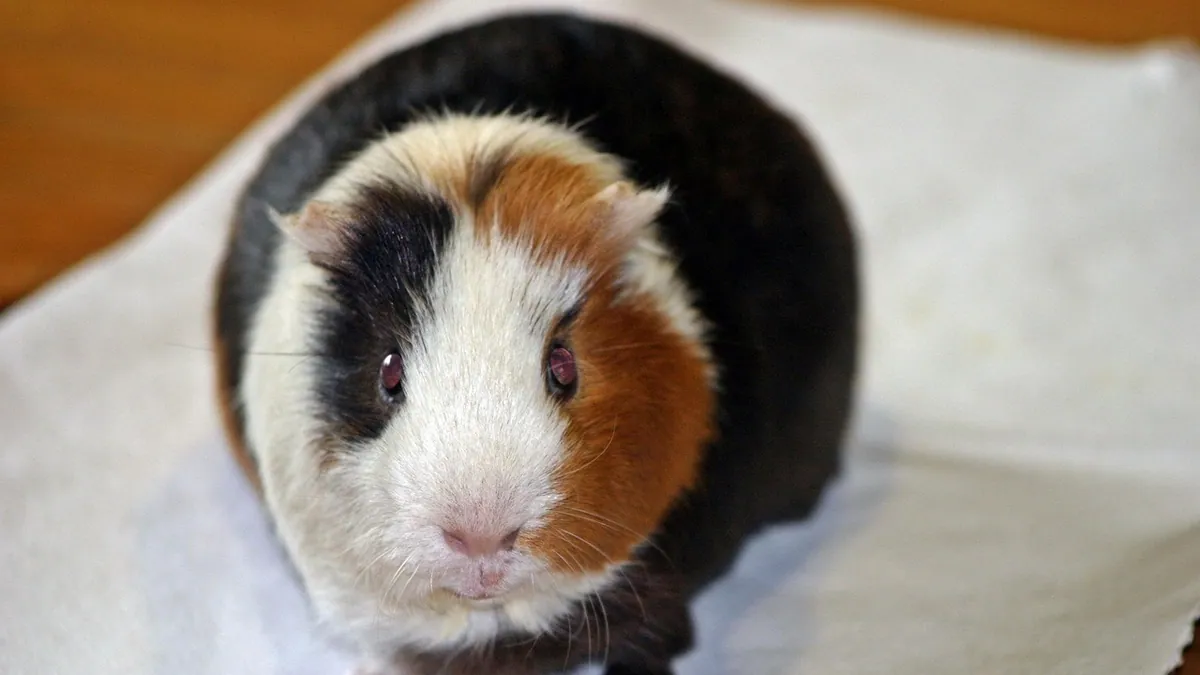
If your guinea pig ate plastic, stay calm and assess what was chewed and how much was swallowed. Small, soft fragments often pass through without problems, but hard pieces or larger amounts can block the digestive tract, which is a medical emergency in these small herbivores. This article is educational and is not a substitute for veterinary diagnosis or treatment.
Quick Answer
- A tiny, soft sliver of plastic often passes through, but any hard or sharp piece, or a chunk larger than a pea, can cause a blockage.
- Guinea pigs cannot vomit, so never try to make your pet throw up.
- Watch for drooling, refusing food, no droppings or tiny droppings, a bloated belly, hunching, or lethargy.
- Call your veterinarian, the ASPCA Animal Poison Control Center at (888) 426-4435, or Pet Poison Helpline at (855) 764-7661 for guidance.
- If your guinea pig stops eating, stops pooping, or seems painful, treat it as an emergency and go in right away.
Is Plastic Toxic to Guinea Pigs?
Plastic itself is generally not poisonous to guinea pigs in the way that some household chemicals are. The main danger is physical, not chemical. A swallowed piece can scrape the mouth or gut, or it can lodge in the intestines and cause an obstruction.
That said, not all plastic items are equal. Some products carry risks beyond the plastic resin:
- Soft plastics (bags, wrap, bubble wrap) can be swallowed in larger amounts and form a mass.
- Hard plastics (cage bases, toys, food bowls, water bottles) tend to break into sharp shards that can injure the mouth, throat, or intestinal lining.
- Plastic with printed inks, coatings, or adhesives may contain other substances, and the risk of those specific chemicals in guinea pigs is not well established in veterinary research.
- Small parts like rubber bands, foam, or plastic caps can wedge in the gut more easily than flat sheets.
If you are unsure what your guinea pig chewed, bring the item or a photo with you to the vet. Your veterinarian can help judge the risk based on the material, size, and shape.
Why a Blockage Is the Real Concern
Guinea pigs are herbivores with a digestive system built for constant fiber intake [1]. Their gut moves food along with muscular contractions, and it depends on a steady flow of hay and other plant material. When a foreign object like plastic gets stuck, that flow can stop.
A blockage, also called a gastrointestinal obstruction, is one of the more serious digestive conditions in small exotic mammals. These patients can decline quickly, and the outlook depends heavily on how fast the problem is found and treated. Surgical conditions such as gastrointestinal obstruction can have a good outcome if diagnosed early [2]. That is why timing matters so much with guinea pigs.
Plastic can also cause irritation and inflammation in the gut wall. In guinea pigs, bowel disorders have been linked to inflammatory changes in the intestines, and those changes can lead to serious problems like intussusception (where one part of the intestine telescopes into another) or obstruction from adhesions [3]. This does not mean every plastic bite leads to that outcome, but it shows how sensitive the guinea pig gut can be to injury and inflammation.
Signs Your Guinea Pig Ate Plastic and Needs Help
Because guinea pigs cannot vomit, you will not see throwing up as a warning sign. Instead, watch for changes in eating, droppings, and behavior. Signs of gastrointestinal disease in guinea pigs can vary widely, and they often start subtly [2].
Early signs (first few hours to 1 to 2 days)
- Drooling or wet fur around the mouth
- Chewing motions with nothing in the mouth
- Picking at food, then dropping it
- Eating less hay than usual
- Smaller or fewer droppings
- Hiding more than usual
- Slight puffiness around the belly
Signs that mean emergency care now
- Not eating at all for more than a few hours
- No droppings, or only tiny, stringy ones
- A belly that looks bloated or feels tight
- Hunching in a corner with squinted eyes
- Grinding teeth (a sign of pain)
- Lethargy, weakness, or a guinea pig that will not move when nudged
- Diarrhea, which can be serious in guinea pigs
- Labored breathing or a rapid, shallow breathing pattern
Any of these signs after chewing plastic should be treated as urgent. Ileus (reduced gut movement) is a common condition in these species and can be a primary problem or a secondary one, and treatment often includes fluids, pain relief, nutritional support, and medications that help the gut move [2]. The sooner that starts, the better.
What to Do Right Now
- Remove the plastic. Take the chewed item away so your guinea pig cannot eat more.
- Check the mouth. Look for shards stuck between the teeth or in the cheeks. Do not put your fingers deep in the mouth, since guinea pigs can bite hard.
- Estimate what was swallowed. Note the size, shape, and material. A photo helps.
- Call for advice. Contact your veterinarian, the ASPCA Animal Poison Control Center at (888) 426-4435, or Pet Poison Helpline at (855) 764-7661. These services can help you decide whether you need to come in.
- Do not induce vomiting. Guinea pigs cannot vomit, and trying to make them do so can cause serious harm.
- Offer normal food and water. Keep hay, pellets, and fresh water available. If your guinea pig is still eating and pooping normally, that is a good sign, but it does not rule out a problem.
- Save the evidence. Bring the chewed plastic or a sample of the same material to your appointment.
If your guinea pig is still bright, eating, and producing normal droppings, your veterinarian may advise monitoring at home for 24 to 48 hours. If any warning sign appears, go in right away.
What Your Veterinarian Will Do
Your veterinarian will start with a full physical exam, including feeling your guinea pig's belly and checking the mouth and teeth. They will ask about the timing, the material, and any changes in appetite or droppings.
Depending on the exam, they may recommend:
- X-rays to look for a foreign object, gas patterns, or a blockage
- Ultrasound to check gut movement and look for fluid or masses
- Bloodwork to check organ function and hydration
- Fluid therapy under the skin or into a vein
- Pain medication and medications to support gut movement
- Syringe feeding if your guinea pig is not eating enough on its own
- Surgery if there is a confirmed obstruction that will not pass
Treatment for gastrointestinal disease in these species is tailored to the individual, and the plan depends on what the exam and imaging show [2]. Your veterinarian will calculate any medication dose based on your guinea pig's weight and health, so never use a dose from the internet or from another pet.
If your guinea pig is not eating, your vet may also discuss supportive nutrition. A healthy guinea pig diet is built on grass hay as the main food, with about 2 tablespoons of high-fiber pellets daily and small amounts of vegetables [1]. During recovery, your vet may adjust this plan to keep the gut moving.
Outlook After Swallowing Plastic
The outlook depends on three things: how much was swallowed, where it is now, and how quickly you got help.
- Small soft fragment, no signs: Often passes within a day or two. Monitor droppings and appetite closely.
- Larger or hard piece, still eating: Your vet may monitor with repeat exams or imaging.
- Blockage or severe inflammation: This is serious. Early diagnosis and treatment give the best chance of a good outcome [2].
Guinea pigs can hide illness well, so a pet that looks "a little off" can be sicker than it seems. Trust your instincts. If something feels wrong, call your vet.
Prevention and Safer Alternatives
The best treatment is prevention. Guinea pigs chew because their teeth grow continuously, and chewing helps wear them down [1]. Give them safe things to chew instead of plastic.
- Offer unlimited grass hay like timothy or orchard grass in a hay rack. This supports tooth wear and digestion [1].
- Use safe chew toys made of untreated wood, plain cardboard, or woven grass.
- Remove plastic bags, wrap, and packaging from reach.
- Check cages and play areas for cracked plastic edges, loose zip ties, and small parts.
- Supervise floor time and block access to wires, cords, and baseboards.
- Rotate chew items so your guinea pig stays interested in safe options.
If your guinea pig chews on plastic often, it may be bored or may need more fiber. Talk with your veterinarian about diet and enrichment. A high-fiber diet with plenty of hay is the foundation of good gut health in guinea pigs [1].
If you also have a rabbit, chinchilla, or another small pet in the home, the same rules apply. A rabbit that ate plastic faces the same obstruction risk, and rabbits need a diet that is about 85 to 90 percent grass hay to support digestion [4]. Chinchillas have similar needs. If any of them chew plastic, treat it the same way: remove the item, watch for signs, and call your vet if anything changes.
For other household ingestion emergencies, see our guides on what to do if your dog ate a cleaning product or ate a silica gel packet.
Limitations and When to Contact a Veterinarian
This article cannot tell you whether your specific guinea pig has a blockage. Only a veterinarian who examines your pet can do that. Individual cases need a veterinarian's assessment.
Call your veterinarian the same day if:
- You saw your guinea pig swallow a piece larger than a pea
- The plastic was hard or sharp
- Your guinea pig is eating less than usual
- Droppings are smaller, fewer, or softer than normal
- You are unsure how much was swallowed
Go to an emergency clinic now if:
- Your guinea pig has stopped eating
- There are no droppings for several hours
- The belly looks bloated or feels hard
- Your guinea pig is hunched, grinding teeth, or lying still
- Breathing looks fast or labored
- There is diarrhea or a sudden drop in activity
Schedule a routine visit if:
- Your guinea pig seems fine but chews plastic often
- You want help choosing safe chew toys and improving the diet
- You need a weight and body condition check
When in doubt, call. A quick phone call can save you hours of worry and may catch a problem early.
Frequently Asked Questions
How much plastic is dangerous for a guinea pig?
There is no single safe amount. A small, soft sliver often passes, but a hard or sharp piece, or anything larger than a pea, can cause a blockage. The risk depends on the size, shape, and material, so call your vet for advice.
My rabbit ate plastic. Is it the same emergency?
Yes, rabbits face the same obstruction risk because they also cannot vomit. Rabbits need a diet that is mostly grass hay to keep the gut moving [4]. If your rabbit stops eating or stops producing droppings, seek emergency care.
My guinea pig chews on plastic but does not swallow it. Is that okay?
Chewing alone can still break off sharp fragments that get swallowed or injure the mouth. Replace plastic items with safe chew toys and unlimited hay. If chewing is constant, ask your vet about boredom and diet.
My chinchilla ate plastic. What should I watch for?
Watch for the same signs: drooling, not eating, small or no droppings, bloating, hunching, and lethargy. Chinchillas are small herbivores with sensitive digestion, so call your vet if anything changes. Do not try to make your chinchilla vomit.
Can I make my guinea pig throw up after eating plastic?
No. Guinea pigs, rabbits, and other small rodents cannot vomit, and trying to force it can cause serious injury. Never give syrup of ipecac or any other vomit-inducing product. Call your veterinarian or a poison control line instead.
Related Articles
- Guinea Pig Not Eating or Drinking: What to Do
- My Dog Ate a Cleaning Product: What Should I Do?
- My Dog Ate a Bee or Wasp: What Should I Do?
- My Dog Ate a Silica Gel Packet: What Should I Do?
- Rabbit Chewing Wood
- What Should I Do If My Dog Eats Chocolate?
- Dog Ate a Toy: When to Worry and What to Do
References
- Diet for a Guinea Pig - All Other Pets. Merck Veterinary Manual.
- Diagnosis and clinical management of gastrointestinal conditions in exotic companion mammals (rabbits, guinea pigs, and chinchillas). The veterinary clinics of North America. Exotic animal practice, 2014.
- Incidental induction of secondary bowel disorders in guinea pigs during a batch safety test of veterinary vaccines. The Journal of veterinary medical science, 2019.
- Diet for Rabbits - All Other Pets. Merck Veterinary Manual.