Why Is My Rat or Hamster Losing Hair? Causes and Care
By Dr. Zubair Khalid, DVM, MS, PhD ·
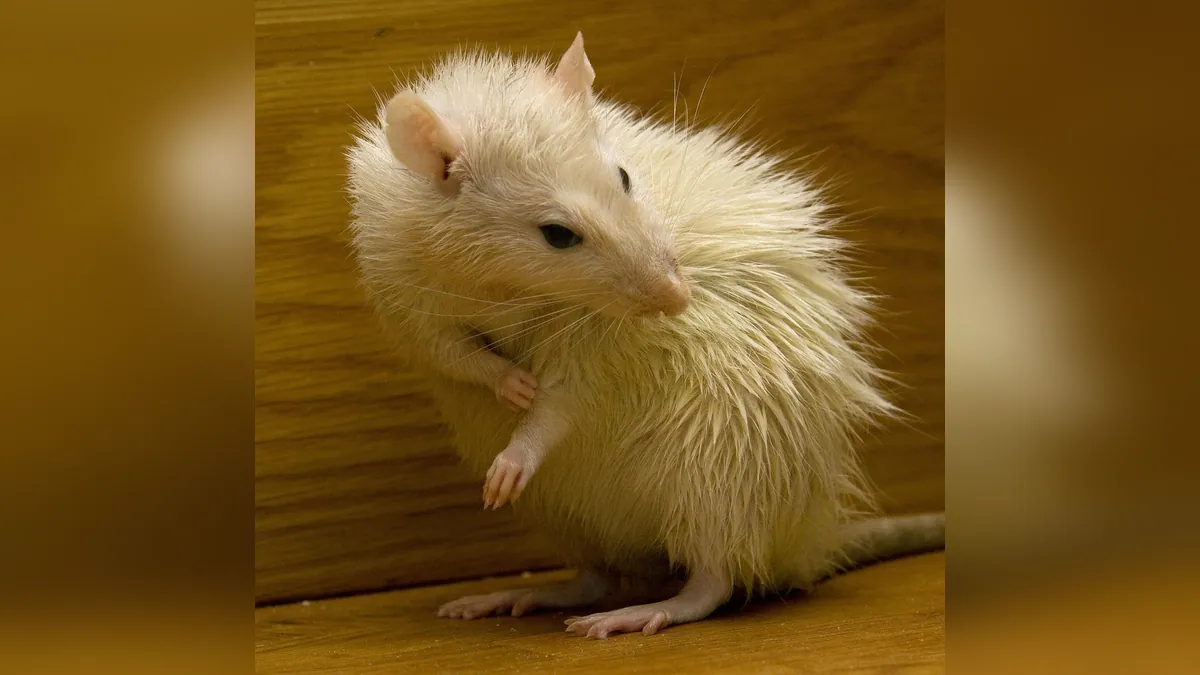
Hair loss in a rat is usually not an emergency, but it always has a reason. The most common causes are barbering (over-grooming by a cage mate), normal aging, mites, ringworm, and hormonal disease. The pattern and location of the bald spots, plus your rat's overall health, tell you a lot about which one you are dealing with.
This article is educational and is not a substitute for veterinary diagnosis or treatment.
Quick Answer
- Symmetrical hair loss on the flanks or belly in an older male rat often points to hormonal disease, not mites.
- Patchy, crusty, or itchy bald spots, especially around the face and shoulders, suggest mites or ringworm.
- A bald rat with no scabs, no itching, and a normal appetite is often just barbering or aging.
- Never give antibiotics or antiparasitic drugs on your own. A veterinarian calculates the dose from your pet's weight and health.
- Any rat or hamster that stops eating, breathes noisily, or has diarrhea needs to be seen promptly.
What Hair Loss Looks Like and What Is Normal
Rats normally have a dense coat that covers the body evenly. Some thinning is expected as a rat gets older, particularly along the back and hindquarters. A healthy older rat may look a little sparse but still has smooth skin with no scabs, redness, or crusting.
Hamsters are a different story. Many owners ask why their hamster is losing hair, and the answer often depends on age and pattern. Older hamsters commonly develop thinner coats, and this can be a normal part of aging. Sudden, patchy, or crusty hair loss is not normal and needs a closer look.
Barbering is one of the most common reasons a rat loses hair. One rat in the group chews or pulls the hair off a cage mate, usually on the back, shoulders, or head. The skin underneath looks clean and healthy. The barbered rat often seems completely unbothered.
You should also check the bedding and cage for loose hair. Some hair loss is just shedding, which is normal. The difference is whether the skin looks healthy or irritated.
Why Is My Rat Losing Hair? The Main Causes
The table below groups the common causes by what you would typically see and how quickly you should act.
| Cause | Typical clues | How urgent |
|---|---|---|
| Barbering | Patchy bald spots on back or head, clean skin, cage mate over-grooms | Routine visit if it spreads |
| Normal aging | Gradual thinning over the back and hindquarters, no itching | Routine, monitor at home |
| Mites | Itching, scabs, crusting, hair loss around face and shoulders | See a vet soon |
| Ringworm | Circular bald patches, scaly or crusty skin, may spread | See a vet soon |
| Hormonal disease | Symmetrical hair loss on flanks or belly, often in older males | See a vet soon |
| Nutritional or iron-related | Poor coat, weight loss, dull fur | See a vet soon |
| Parasites (tapeworms) | Often no signs, sometimes seen in feces | Routine, wash hands after handling |
Barbering
Barbering is a behavior, not a disease. One rat grooms another so much that the hair wears away. The skin stays clean, and the bald rat usually eats and plays normally. Separating the pair for a short time can help you confirm the cause, but reintroduction needs care. If the barbering is severe or the skin becomes raw, a veterinarian should examine both rats.
Mites
Mites are tiny parasites that live on the skin and cause intense itching. A rat with mites will scratch, develop scabs, and lose hair, often around the face, neck, and shoulders. The skin may look red and crusty. Mites are treatable, but the medication must come from a veterinarian who knows the correct drug and dose for a rat.
Ringworm
Ringworm is a fungal infection, not a worm. It causes circular bald patches with scaly or crusty edges. Ringworm can spread to people and other pets, so wash your hands after handling an affected rat. A veterinarian can confirm it with a skin sample and prescribe appropriate treatment.
Hormonal Disease
Older male rats sometimes develop hormonal imbalances that cause symmetrical hair loss on the flanks and belly. The skin looks normal, not itchy or crusty. This pattern is different from mites or barbering. A veterinarian can help determine whether hormone treatment or other care is needed.
Nutrition and Iron
Poor nutrition can affect coat quality. In one study, iron deficiency in mice led to hair loss and abnormal hair follicle structure, and iron supplementation improved hair regrowth [1]. While this research was done in mice, it supports the general idea that a complete, balanced diet matters for healthy fur. If your rat's coat looks dull and thin, review the diet with your veterinarian.
Parasites
Tapeworms are more common in hamsters than in mice and rats, and many infected hamsters show no signs at all [2]. Heavy infections can affect the intestines and may be seen in the feces. Some rodent tapeworms can infect people, so always wash your hands after handling your pet or cleaning the cage [2].
Red Flags That Make It an Emergency
Some signs mean you should not wait. Contact a veterinarian right away if your rat or hamster has any of the following.
- Trouble breathing, wheezing, or open-mouth breathing. Breathing problems can become serious quickly in hamsters, and pneumonia signs include nasal or eye discharge, loss of appetite, and low activity [2].
- Severe diarrhea, especially after any antibiotic. Some antibiotics can be deadly to hamsters because they upset normal gut bacteria, leading to severe diarrhea and death [2].
- Not eating or drinking for more than a few hours.
- Bleeding, open sores, or a wound that will not heal.
- Sudden collapse, extreme weakness, or a body that feels cold.
- Hair loss that spreads rapidly over the whole body.
If your hamster is unusually still or cold, that can be a separate problem. Learn more in Understanding Hamster Torpor: Causes and Safe Treatment.
Safe Things You Can Do at Home While Waiting
You cannot diagnose hair loss at home, but you can keep your pet comfortable and gather useful information for the vet visit.
- Take clear photos of the bald areas in good light. Note whether the skin is red, crusty, or clean.
- Check for itching. Watch your rat for a few minutes and count how often it scratches.
- Look at the cage mates. If one rat is over-grooming another, tell your veterinarian.
- Keep a simple log of appetite, water intake, activity, and droppings.
- Do not apply human shampoos, creams, or oils to your pet. Many are not safe for rodents.
- Do not give any medication, including antibiotics or mite treatments, without veterinary guidance. Antibiotics can be dangerous to hamsters if given incorrectly [2].
- Wash your hands after handling your pet and after cleaning the cage, especially if ringworm or tapeworms are possible [2].
- Keep the cage clean and dry. Damp bedding can worsen skin problems.
If you have other pets with hair loss, the same principles apply. You can read about dogs in Why Is My Dog Losing Hair? and cats in Why Is My Cat Losing Hair?.
What the Veterinarian Will Check and Test
A veterinarian will start with a full physical exam. They will look at the pattern of hair loss, the condition of the skin, and your pet's overall body condition. They will also ask about diet, cage mates, recent changes, and how long the problem has been going on.
Common tests include:
- Skin scraping to look for mites under a microscope.
- Fungal culture or skin sample to check for ringworm.
- Fecal exam to look for tapeworms or other parasites [2].
- Blood work if hormonal disease or nutritional problems are suspected.
- A trial separation from a cage mate if barbering is likely.
Treatment depends on the cause. Mites need specific antiparasitic medication. Ringworm needs antifungal treatment. Hormonal disease may need hormone therapy or other management. Your veterinarian will calculate any dose based on your pet's weight and health, so never guess at a dose yourself.
If your rat is also losing weight, that is a separate warning sign. See Why Is My Dog Losing Weight? for how weight loss is evaluated in another species, though the principles of tracking intake and body condition apply to rodents too.
Prevention and Monitoring
Good husbandry prevents many skin problems.
- Feed a complete, balanced diet made for rats or hamsters. Avoid table scraps and sugary treats.
- Keep the cage clean and dry. Spot-clean daily and do a full clean weekly.
- Provide enough space and hiding spots so cage mates can get away from each other.
- Watch for barbering early. If one rat is losing hair and a cage mate is the groomer, separate them temporarily and talk to your vet.
- Check your pet's coat and skin once a week. Run your fingers through the fur and look for scabs, crusts, or thinning.
- Wash your hands after handling your pet or cleaning the cage, since some rodent parasites can infect people [2].
- Keep new pets separate for a short period before introducing them to your group.
For hamsters, remember that older hamsters often lose hair as part of normal aging. If the skin looks healthy and your hamster is eating and active, monitor at home. If the skin is crusty, itchy, or the hair loss is sudden, see a veterinarian.
Limitations and When to Contact a Veterinarian
This article cannot tell you exactly what is causing your pet's hair loss. Only a veterinarian who examines your rat or hamster can do that. Individual cases need a veterinarian, and the timing depends on the signs.
Contact a veterinarian the same day if:
- Your rat or hamster has trouble breathing, wheezing, or nasal discharge [2].
- There is severe diarrhea, especially after any antibiotic [2].
- Your pet has not eaten for more than a few hours.
- Hair loss is spreading quickly or the skin is raw and bleeding.
Go to an emergency clinic now if:
- Your pet is struggling to breathe or breathing with an open mouth.
- Your pet is collapsed, unresponsive, or feels cold.
- There is heavy bleeding or a large open wound.
Schedule a routine visit if:
- Hair loss is mild, the skin looks clean, and your pet is eating and active normally.
- You suspect barbering and want help managing the group.
- You notice gradual thinning in an older hamster or rat.
Frequently Asked Questions
Is it normal for old hamsters to lose hair?
Yes, some hair thinning is common in older hamsters. If the skin looks healthy and your hamster is eating and active, monitor at home. Sudden or crusty hair loss is not normal and should be checked by a veterinarian.
Is it normal for hamsters to lose hair in general?
Not always. Hamsters can lose hair from aging, mites, ringworm, or other skin problems. The pattern and skin condition help tell the difference. Any hair loss with scabs, itching, or crusting needs a vet visit.
My hamster is losing hair. What should I do first?
Take photos of the bald areas and check the skin for redness, scabs, or crusting. Do not apply human products or give any medication. If the skin looks irritated or your hamster seems unwell, contact a veterinarian.
Can I treat my rat's hair loss at home?
You can keep the cage clean, provide a balanced diet, and gather information for your vet. You should not give antibiotics or antiparasitic drugs on your own. A veterinarian calculates the correct dose from your pet's weight and health.
Will my rat's hair grow back?
Hair often grows back once the cause is treated or removed. Barbering, mites, ringworm, and nutritional problems can all improve with the right care. Hormonal disease may need ongoing management. Your veterinarian can give you a realistic outlook after the exam.
Related Articles
References
- Iron Deficiency-Induced Hair Loss Is Associated with ROS-Mediated Disruption of Wnt/β-Catenin Signaling. Nutrients, 2026.
- Disorders and Diseases of Hamsters - All Other Pets. Merck Veterinary Manual.