Do Hamsters Live in the Wild? Facts and Lifespan
By Dr. Zubair Khalid, DVM, MS, PhD ·
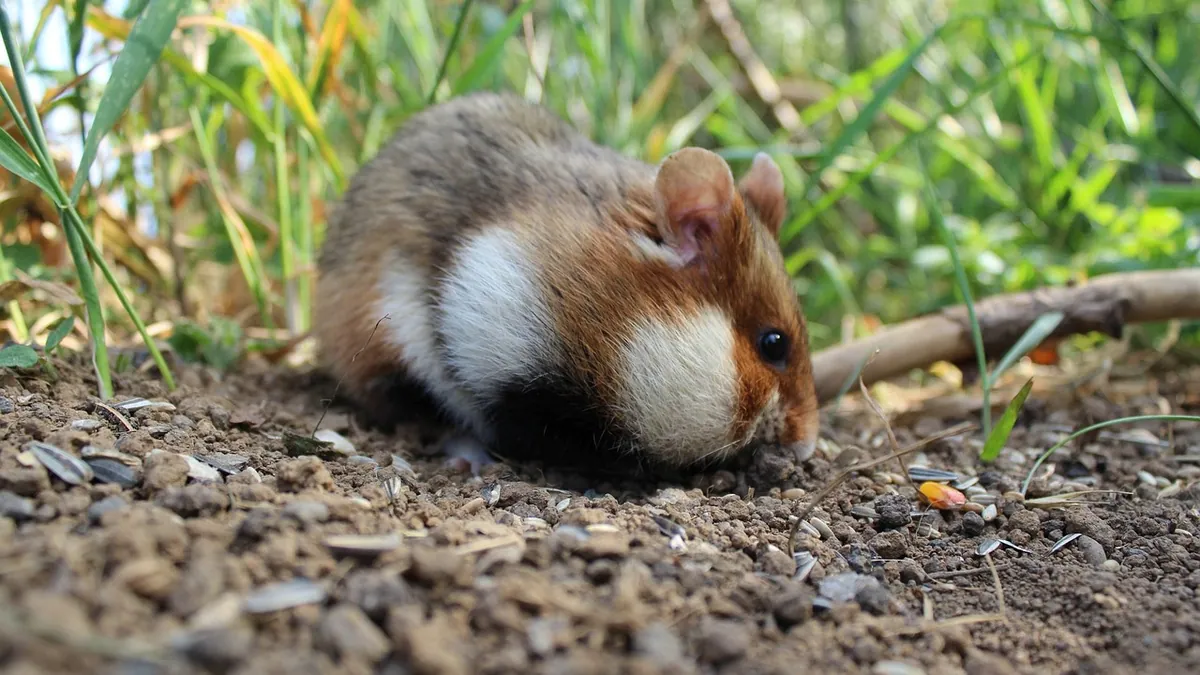
Yes, hamsters do live in the wild. Several species still live free in parts of Europe and Asia, and the pet hamsters you see in American homes are domesticated descendants of those wild populations. This article is educational and is not a substitute for veterinary diagnosis or treatment.
Quick Answer
- Wild hamsters exist today, but most species live in a shrinking range across Europe and Asia, not in the United States [1][2].
- The Syrian hamster, the most common pet hamster, is originally from dry rocky steppes and brushy slopes, where it digs shallow burrows [3].
- Wild hamsters face real threats, including farming, military activity, and habitat loss, and some populations are at risk of local extinction [4].
- Wild hamsters generally live shorter, harder lives than pet hamsters, which usually live 18 months to 3 years with good care [1].
- A pet hamster needs deep bedding, a balanced pelleted diet, and a safe enclosure to mimic the burrowing and foraging it would do in the wild [3].
Do Hamsters Live in the Wild? Where Wild Hamsters Actually Live
Hamsters are small rodents and distant relatives of mice and rats [1]. They did not start out as pets. Wild populations still exist, and the species you keep at home came from those wild ancestors.
The Syrian hamster, also called the golden hamster, is the variety most people keep as a pet [1]. In the wild, Syrian hamsters live on dry rocky steppes or brushy slopes, and they construct shallow burrows [3]. That burrowing instinct did not disappear with domestication. It is why your pet hamster spends so much time digging, rearranging bedding, and stuffing food into its cheeks.
Dwarf hamsters have their own wild roots. The Djungarian hamster and the Roborovski hamster are two dwarf species now common as pets [3]. The genus Phodopus includes Campbell's dwarf hamster, the Djungarian hamster, and the Roborovski hamster, and these animals inhabit steppes, semi-deserts, and deserts in continental Asia [2]. Their native climate swings from moderate to harsh continental conditions, with extreme daily and seasonal changes [2]. That background helps explain why pet dwarf hamsters are sensitive to temperature and light changes in a home.
The European hamster is rarely kept as a pet in the United States [1]. It has been studied for decades in the Strasbourg region of France, where research on this species dates back to 1765 and a long chronobiological research tradition began in the 1930s [5]. That work made the European hamster one of the best studied species with yearly biological cycles [5].
Not every wild hamster species is doing well. The grey dwarf hamster has been studied in the South Caucasus, including Nagorno-Karabakh, where comprehensive data on its distribution and biology are still lacking [4]. Agricultural work can both reduce their numbers and create favorable feeding conditions, while military operations have destroyed habitats and caused significant population declines, contributing to the risk of local extinction [4]. In short, wild hamsters exist, but their world is not stable.
How Long Do Hamsters Live in the Wild?
This is one of the most common questions owners ask, and the honest answer is that wild lifespan is hard to pin down. Researchers rarely track individual wild hamsters from birth to death. What we do know comes from population studies and from what we understand about the dangers these animals face.
Wild hamsters deal with predators, food shortages, harsh weather, and human activity. Captive-bred European hamsters released into the wild often die at high rates soon after release, and one reason is that they lack anti-predator skills [6]. A hamster raised without predators does not automatically know how to avoid a fox. That same gap exists for wild-born hamsters that must learn fast or die young.
Seasonal change also shapes wild hamster life. In dwarf hamsters of the genus Phodopus, body mass and testes size are high in summer and low in winter, and the biggest relative change occurs in the Djungarian hamster [2]. Only Djungarian hamsters showed changes in fur coloration between seasons [2]. These shifts help them survive lean, cold months. A hamster that cannot adapt to the season is less likely to make it to old age.
Temperature matters too. In Syrian hamsters, a mild rise in temperature above the thermoneutral zone inhibited reproductive activation through epigenetic mechanisms [7]. Urbanization is changing habitat, plant and animal life, night light, and temperature, and in the natural habitat photoperiod and temperature are inseparable [7]. When the environment shifts, reproduction and survival can shift with it.
So how long do hamsters live in the wild? Most wild hamsters likely live a fraction of the time a well-cared-for pet does. Predation, disease, weather, and habitat loss all cut life short. Pet hamsters usually live from 18 months to 3 years [1], and Syrian hamsters have a lifespan of 2 to 3 years [3]. If you want a deeper look at what those numbers mean for your own pet, see Hamster Lifespan: What to Expect and How to Maximize It.
What Do Hamsters Do in the Wild?
Wild hamsters spend their time doing four main things: burrowing, foraging, storing food, and avoiding predators.
Burrows give them shelter from heat, cold, and danger. Wild Syrian hamsters dig shallow burrows in dry rocky steppes or brushy slopes [3]. In captivity, deep bedding that is appropriate for burrowing is recommended, and cages with at least 40 to 80 cm (about 15 to 30 inches) of bedding enhance the welfare of Syrian hamsters [3]. That recommendation exists because burrowing is not a hobby for a hamster. It is a core behavior.
Foraging takes up a large part of the day and night. Wild Syrian hamsters are omnivorous, eating many kinds of green vegetation, seeds, fruit, and meat [3]. That is a broader diet than many owners expect. It also explains the cheek pouches. These pouches stretch from the cheeks back toward the shoulders, and in the wild hamsters use them to carry food home to their nests [1]. A full pouch can look strange, and owners sometimes mistake it for swelling or a tumor [1].
Reproduction is another major wild activity. Syrian hamsters are prolific breeders, producing as many as 3 to 5 litters per year, with young weaned at about 20 days and capable of reproducing at 7 to 8 weeks old [3]. That fast turnaround is a survival strategy. When life is short and dangerous, a species that breeds quickly can rebound.
Activity patterns vary by species. In one study of Phodopus hamsters, nearly twice as many Campbell's dwarf hamsters as Djungarian hamsters (25 versus 14 percent) failed to respond to changes in photoperiod, while all Roborovski hamsters responded [2]. In plain terms, different hamster species read the seasons differently. Your pet's daily rhythm and seasonal behavior may reflect the species it came from.
Wild vs. Pet Hamsters: A Side-by-Side Comparison
| Feature | Wild hamster | Pet hamster |
|---|---|---|
| Habitat | Dry rocky steppes, brushy slopes, steppes, semi-deserts, deserts [3][2] | Cage or enclosure with deep bedding [3] |
| Diet | Green vegetation, seeds, fruit, meat [3] | Complete pelleted hamster diet [3] |
| Burrowing | Shallow burrows dug in the ground [3] | Needs 15 to 30 inches of bedding for Syrian hamsters [3] |
| Predators | Foxes and other predators [6] | None, if housed safely indoors |
| Lifespan | Short, limited by predators, weather, and habitat loss | 18 months to 3 years [1], 2 to 3 years for Syrians [3] |
| Breeding | Up to 3 to 5 litters per year for Syrians [3] | Should be planned with a veterinarian, not left to chance |
Setting Up a Pet Hamster to Match Wild Needs
You cannot recreate the steppe in your living room, but you can meet the instincts your hamster was born with. Here is a practical approach.
Step 1: Choose the right species for your home
Syrian hamsters are solitary and larger. Dwarf species are smaller and have different social needs. If you are still deciding, Choosing the Best Hamster for Your Lifestyle walks through the differences. Adult Syrian hamsters are about 6 to 8 inches long and weigh about 4 to 5 ounces (110 to 140 grams) [1]. Females are larger than males [3].
Step 2: Build the enclosure around burrowing
Provide deep bedding. For Syrian hamsters, 40 to 80 cm (about 15 to 30 inches) of bedding improves welfare [3]. Use bedding that holds a tunnel shape. Add a hide, a solid-surface wheel, and safe chew items. For a full setup plan, see Designing the Ideal Hamster Habitat: Size, Substrate, and Enrichment.
Step 3: Feed a complete diet
Feed a complete, balanced, pelleted diet made specifically for hamsters, and avoid generic seed mixes because hamsters selectively pick out seeds and ignore pellets [3]. Treats should be small and occasional. Fresh water should always be available.
Step 4: Control temperature and light
Wild hamsters live with strong seasonal cues, and temperature changes can affect their reproductive biology [7]. Keep your pet's room at a stable, comfortable temperature away from direct sun, drafts, and heat vents. A sudden heat spike is not a normal seasonal shift for a pet in a cage.
Step 5: Handle gently and observe daily
The skin of Syrian hamsters is very loose [3], which means a hamster can slip out of a careless grip or get hurt if held too tightly. Scoop with both hands and keep handling sessions short. Check the cheek pouches, eyes, coat, and droppings each day. For a broader routine, see Hamster Care Guide: Habitat, Diet, and Health.
Signs That Something Is Wrong
Hamsters hide illness well, which is a leftover survival trait. Watch for these changes and act early.
- Not eating or drinking, or sudden weight loss
- Labored breathing, wheezing, or a clicking sound
- A swollen or oddly shaped cheek pouch that does not empty
- Diarrhea, or droppings that look wet or misshapen
- A dull or rough coat, or fur loss
- Eye or nose discharge
- Limping, dragging a limb, or reluctance to move
- A lump anywhere on the body
- Overgrown front teeth or drooling
- Sitting hunched, cold to the touch, or unresponsive
A full cheek pouch can look like a tumor, so do not panic on appearance alone [1]. But if the pouch stays full for hours, or your hamster seems uncomfortable, call your veterinarian.
Common Mistakes Owners Make
- Feeding a seed mix instead of a complete pelleted diet. Hamsters pick out the seeds and leave the pellets, which leads to an unbalanced diet [3].
- Skipping deep bedding. Shallow bedding removes the burrowing behavior a hamster needs [3].
- Assuming wild hamsters live near you. Most wild hamster species are native to Europe and Asia, not the United States [1][2].
- Expecting a wild-caught temperament. Captive-bred hamsters released into the wild often lack anti-predator skills and die at high rates, which shows how different wild and captive life really are [6].
- Mishandling because of loose skin. Syrian hamsters have very loose skin, so a poor grip can cause injury [3].
- Ignoring temperature. A mild temperature rise above the thermoneutral zone inhibited reproductive activation in Syrian hamsters, so heat stress is a real concern [7].
- Assuming all dwarf hamsters behave the same. Species differ in how they respond to seasonal light changes [2].
Supplies and Setup Details That Matter for Health
Bedding depth is the single biggest upgrade most owners can make. Aim for the range that supports burrowing, which is 40 to 80 cm (about 15 to 30 inches) for Syrian hamsters [3].
Diet quality comes next. A complete pelleted hamster diet covers the nutrition a seed mix cannot [3]. Wild Syrian hamsters eat a wide range of foods, including vegetation, seeds, fruit, and meat [3], but that does not mean you should build your pet's diet from table scraps. A formulated diet is safer and easier to balance.
Enclosure size and safety matter too. Solid floors protect feet. Bar spacing should be narrow enough that a dwarf hamster cannot squeeze through. Keep the cage away from cats, dogs, and loud appliances.
Temperature and light control round out the setup. Because photoperiod and temperature are inseparable in the natural habitat [7], your pet does best with a steady routine: consistent room temperature, a predictable light cycle, and no sudden heat exposure.
Limitations and When to Contact a Veterinarian
This article covers general information, not your individual hamster. Every case needs a veterinarian who can examine the animal, ask about diet and housing, and decide on treatment.
Contact a veterinarian the same day if your hamster stops eating, has diarrhea, breathes noisily, has a cheek pouch that stays full, or shows a new lump.
Seek emergency care right away if your hamster is unresponsive, gasping, having seizures, bleeding, or has been attacked by another animal. Small rodents can decline quickly, so waiting overnight is often too long.
Schedule a routine visit if you are unsure about diet, bedding, cage size, or your hamster's weight. A veterinarian can also help you plan breeding or decide whether a second hamster is safe to introduce. Doses of any medication are calculated by the veterinarian based on your pet's weight and health, so never give a medication on your own.
Frequently Asked Questions
Do hamsters exist in the wild today?
Yes, wild hamster populations still exist in parts of Europe and Asia. The Syrian hamster's wild range includes dry rocky steppes and brushy slopes [3], and dwarf species live in steppes, semi-deserts, and deserts in continental Asia [2]. Some populations, like the grey dwarf hamster in the South Caucasus, are under pressure from farming and military activity [4].
Are there wild hamsters in the United States?
No native wild hamster species live in the United States. The hamsters you see in American pet stores are domesticated descendants of species from Europe and Asia [1][2]. If you see a small wild rodent in your yard, it is almost certainly a mouse, rat, vole, or shrew, not a hamster.
Can a pet hamster survive if released outside?
No, releasing a pet hamster outdoors is dangerous and usually fatal. Captive-bred European hamsters released into the wild showed high mortality, partly because they lacked anti-predator behavior [6]. A pet hamster also lacks the burrowing experience, foraging skills, and seasonal conditioning of a wild animal [2].
What do hamsters do in the wild all day?
Wild hamsters dig burrows, search for food, store food in their cheek pouches, and avoid predators [3][1]. They eat a mix of green vegetation, seeds, fruit, and meat [3]. Their daily activity and seasonal behavior vary by species and by the length of daylight [2].
Why does my pet hamster stuff its cheeks if it has a food bowl?
Cheek stuffing is inherited behavior, not hunger. In the wild, hamsters use their cheek pouches to carry food back to the nest [1]. Your pet is acting on the same instinct even when food is always available. A full pouch is normal, but a pouch that stays packed or looks painful needs a veterinary check [1].
Related Articles
- Hamster Lifespan: What to Expect and How to Maximize It
- Hamster Care Guide: Habitat, Diet, and Health
- Choosing the Best Hamster for Your Lifestyle
- Designing the Ideal Hamster Habitat: Size, Substrate, and Enrichment
- Do Hamsters Hibernate? Torpor, Length, and Dangers
References
- Description and Physical Characteristics of Hamsters - All Other Pets. Merck Veterinary Manual.
- Seasonal adaptation of dwarf hamsters (Genus Phodopus): differences between species and their geographic origin. Journal of comparative physiology. B, Biochemical, systemic, and environmental physiology, 2015.
- Hamsters - Exotic and Laboratory Animals. Merck Veterinary Manual.
- Distribution, population dynamics, and current status of the grey dwarf hamster (Cricetulus migratorius (Pallas, 1773)) in the Martakert and Varnkatagh communities of Nagorno-Karabakh. Anais da Academia Brasileira de Ciencias, 2025.
- From Seasonality to Species Conservation: Chronobiological Research on European Hamsters in Strasbourg, France. Journal of pineal research, 2024.
- Improving the success of reinforcement programs: effects of a two-week confinement in a field enclosure on the anti-predator behaviour of captive-bred European hamsters. PeerJ, 2023.
- Mild increase of temperature from the thermoneutral zone inhibits reproductive activation in Syrian hamsters through epigenetic inhibition. Journal of neuroendocrinology, 2025.