Do Gerbil Tails Grow Back? Regrowth Facts and Care
By Dr. Zubair Khalid, DVM, MS, PhD ·
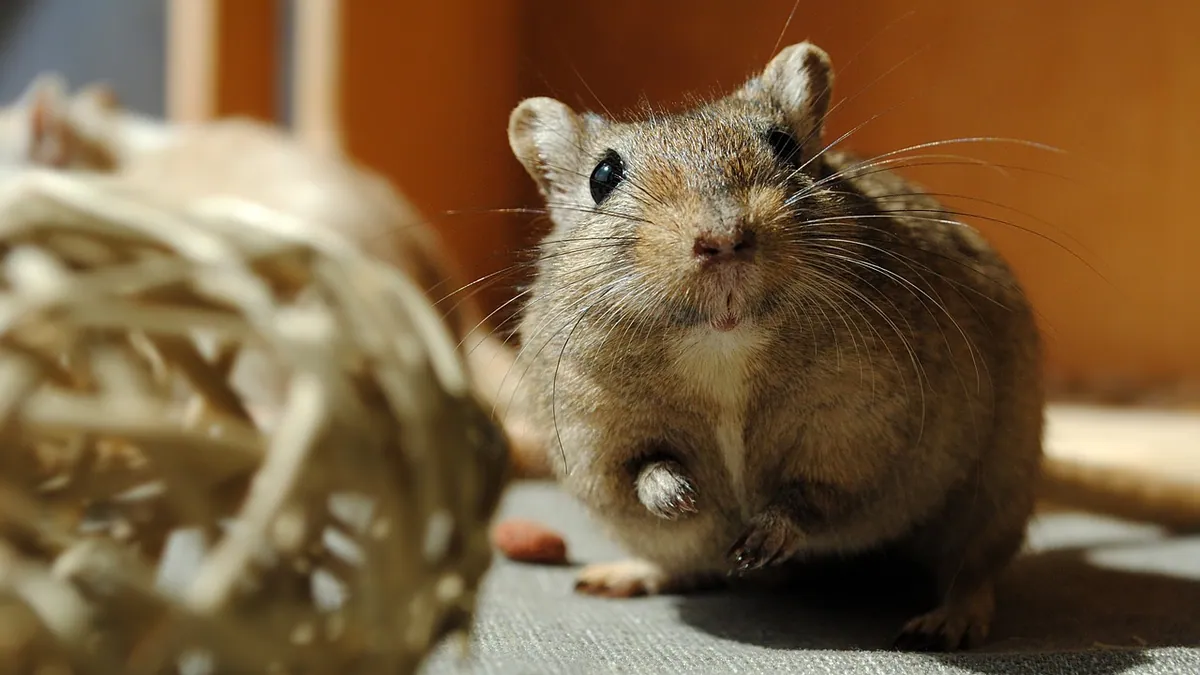
Do gerbils tails grow back? No. Unlike some lizards that drop and regrow a tail, a gerbil's tail cannot grow back after it is lost or amputated. If your gerbil has injured or lost part of its tail, the focus shifts to wound care, pain control, and protecting the remaining tail for the rest of the animal's life.
This article is educational and is not a substitute for veterinary diagnosis or treatment.
Quick Answer
- A gerbil tail does not regrow. Once tail tissue is lost, it is gone permanently.
- Gerbils use the tail for balance, so a shortened tail can change how your pet climbs, jumps, and sits upright.
- The tail also helps with grooming and body awareness, so keep the area clean and watch for skin problems near the stump.
- Any open tail wound, bleeding, dangling tissue, or exposed bone needs same-day veterinary care.
- Never pull on a gerbil's tail or pick the animal up by it, and never try to remove a damaged tail at home.
Do Gerbils Tails Grow Back? The Short Answer
Gerbils cannot regrow a lost tail. Regrowth after tail loss is a trait seen in certain reptiles, such as some geckos, which have specialized tail structures and a fracture plane built for controlled shedding. Gerbils have none of that anatomy. Their tail is a bony, muscular, and vascular extension of the spine, and once that tissue is destroyed or removed, the body heals with scar tissue instead of new tail.
That difference matters because owners sometimes assume a dropped tail will simply return. It will not. What can happen is that the wound closes and the stump heals, which is a very different outcome from regrowth.
What a Tail Injury Looks Like in a Gerbil
A gerbil tail injury can range from a small scrape to a full amputation. Signs owners notice include:
- Bleeding from the tail tip or along the tail
- A bent, kinked, or visibly shortened tail
- A section of tail that looks dark, dry, or shriveled
- Swelling, redness, or crusting at the injury site
- The gerbil holding the tail oddly, or avoiding use of it
- Chewing or biting at the tail
- Reluctance to climb, jump, or balance on cage furniture
- Irritability when the hind end is touched
A degloving injury is one of the most serious patterns. The skin sleeve slips off the underlying bone and tissue, leaving bone exposed. This is a medical emergency, not a wait-and-see problem.
Gerbils are social and active, so a tail injury often shows up as a behavior change first. You may notice your gerbil sitting differently or refusing to use a wheel. For general husbandry that reduces injury risk, see the Gerbil Care Guide.
Why Gerbils Have Tails and Why Losing One Matters
A gerbil's tail is not decorative. It acts as a counterbalance when the animal stands, climbs, and makes quick turns. Gerbils are built to leap and dig, and the tail helps stabilize those movements. After a partial or complete tail loss, some gerbils adjust well, but others become less confident on ramps, wheels, and vertical cage surfaces.
The tail also plays a role in grooming and in sensing the body's position. A shortened tail can make it harder for a gerbil to reach certain areas during grooming, which can lead to matted fur or skin irritation near the hind end.
Gerbils are also known for unusual healing biology. Research on Mongolian gerbil skin wounds shows a healing process that differs from mice, with lower levels of transforming growth factor-beta 1 (TGF-β1) early in healing and fewer integrin signals tied to TGF-β activation [1]. Despite those differences, the overall wound closure in gerbils is similar to that in mice, and gerbil skin shows more re-epithelialization and hair follicle production with less collagen infiltration late in healing [1]. In practical terms, gerbil skin can heal well, but the tissue that is gone does not come back.
Gerbils have also been used as a model for rapid wound healing in surgical settings, with animals showing rapid healing and no signs of infection or fluid buildup after implantation procedures [2]. That tells you gerbil tissue can recover from injury, but it does not mean a tail can regenerate.
Causes and Risk Factors for Tail Loss
Most gerbil tail injuries are preventable and come down to handling or housing.
Handling accidents
Picking a gerbil up by the tail, or grabbing the tail when the animal startles, is the most common cause of serious injury. The tail tip can slip off, or the skin can tear. Children and first-time owners are at higher risk of this mistake.
Cage and exercise hazards
Wheels with gaps, wire mesh floors, sharp cage edges, and narrow tunnels can catch a tail. A gerbil moving at speed can injure itself before you notice anything wrong.
Fighting and overcrowding
Gerbils housed in unsuitable groups, or in cages that are too small, may fight. Tail bites and tail chewing are common results.
Self-trauma and skin disease
Stress, mites, fungal skin disease, or an itchy wound can lead a gerbil to chew its own tail. Once chewing starts, it can escalate quickly.
Age and underlying illness
Older gerbils and animals with arthritis or neurological problems may drag or catch the tail more easily. A gerbil that is already unwell may also heal more slowly.
How a Veterinarian Diagnoses a Tail Problem
Diagnosis starts with a full physical exam. Your veterinarian will look at the tail from base to tip, check blood supply, and assess whether tissue is alive or dead. They will also check the rest of the body for wounds, bite marks, or signs of skin disease.
Depending on what they find, the veterinarian may recommend:
- Wound culture if infection is suspected
- Skin scrapings to check for mites
- Imaging if a fracture or deeper damage is possible
- Blood work before anesthesia if surgery is likely
Gerbils are small and handle stress poorly, so exams are usually kept short. Tell your veterinarian exactly what happened, including whether the tail was pulled, bitten, caught, or chewed.
Treatment Options After Tail Injury or Amputation
Treatment depends on how much tail is damaged and whether the tissue is still viable.
| Situation | Typical approach | What to expect |
|---|---|---|
| Small scrape, no bone exposed | Clean the wound, protect it, monitor | Heals with a small scar, tail shape may change |
| Bleeding tip, tissue intact | Control bleeding, wound care, pain relief | Often heals, tip may stay shortened |
| Dead or dangling tissue | Veterinary trimming or amputation | Tail is permanently shorter |
| Exposed bone or degloving | Urgent surgery | Amputation is usually needed |
| Infected or chewed wound | Antibiotics, wound care, sometimes surgery | Longer recovery, close monitoring |
Pain control is part of good care. Your veterinarian will calculate any medication dose from your gerbil's weight and health status. Do not give human pain relievers, and do not use a leftover prescription from another pet.
Antibiotics may be prescribed if infection is present. The dose and drug choice are always determined by the veterinarian based on weight, because small rodents have narrow safety margins.
If amputation is needed, the surgeon removes only the damaged portion and closes the stump. Gerbils generally tolerate a shortened tail better than an open, painful wound. Your veterinarian will explain how much tail will remain and what that means for balance.
Recovery, Outlook, and Long-Term Management
Most gerbils recover from tail injuries with supportive care. The wound typically needs to stay clean and dry, and your gerbil may need a temporary cage setup with low ramps, no wheel, and soft bedding.
During recovery:
- Keep the cage simple and easy to move around in
- Use paper-based bedding instead of rough shavings near the wound
- Remove wheels and tall climbing structures until healing is confirmed
- Check the stump daily for swelling, discharge, or new chewing
- Keep the gerbil with its companion if the pair is bonded, unless the veterinarian advises separation
- Follow recheck appointments so healing can be assessed
Long-term, a gerbil with a shortened tail may need cage adjustments. Lower ramps, wider platforms, and a solid-surface wheel reduce the chance of falls. Some gerbils adapt within days. Others stay cautious, and that is normal.
Watch for problems near the stump, including overgrowth of skin, chronic irritation, or repeated chewing. Gerbils that chew at a healing tail may need a collar or a temporary separation from cage mates, which your veterinarian can help you plan.
If you keep other small pets, it helps to understand how different species handle injury and aging. The article on Rabbit Lifespan and Aging: What to Expect as Your Rabbit Grows Older covers how age changes care needs in another small mammal. For reptile owners, Leopard Gecko Tail Autotomy: Safe Tail Drop Healing and Nutrition explains true tail regrowth in a species that can do it.
Prevention: Protecting Your Gerbil's Tail
Prevention is straightforward and mostly about handling and habitat.
- Never lift a gerbil by the tail. Scoop it with both hands or use a small cup or tube.
- Support the hind end when you hold your gerbil.
- Choose a solid-surface wheel with no gaps where a tail can catch.
- Avoid wire mesh floors and sharp cage edges.
- Provide enough space and enrichment to reduce fighting.
- Supervise children during handling.
- Check the tail during weekly health checks so small problems are caught early.
- Treat mites and skin disease promptly, since itching can lead to tail chewing.
If your gerbil lives with a companion, watch for bullying. A gerbil that is chased or cornered is more likely to be bitten on the tail or hind end.
Limitations and When to Contact a Veterinarian
No article can assess your gerbil's specific injury. Individual cases need a veterinarian who can examine the tail, check blood supply, and decide whether surgery is needed.
Contact a veterinarian the same day if you see:
- Active bleeding that does not stop with gentle pressure
- Exposed bone or a degloved tail
- A tail that is cold, dark, or dangling
- Swelling, pus, or a bad smell at the injury site
- Your gerbil chewing at the tail or stump
Go to an emergency clinic now if:
- Bleeding is heavy or continues after a few minutes of pressure
- Your gerbil is limp, collapsed, or breathing abnormally
- The tail injury happened with a fall from a height or a serious fight
- Your gerbil is not eating or is hunched and inactive
Schedule a routine visit if:
- The tail looks bent or shortened but your gerbil seems comfortable
- You notice a small scab or bald spot on the tail
- Your gerbil is grooming less effectively than before
- You have questions about cage setup after a tail injury
Frequently Asked Questions
Will my gerbil's tail grow back if only the tip is lost?
No, even a small loss is permanent. The tip will heal into a stump, but new tail tissue will not form. Keep the area clean and watch for chewing or infection.
Do gerbils grow their tails back after amputation?
No. Amputation removes tissue that cannot be replaced. Your gerbil will adapt to a shorter tail, but balance and climbing may change, so adjust the cage to reduce fall risk.
Is a gerbil tail injury painful?
Yes, the tail is living tissue with nerves and blood vessels. Pain control is part of proper treatment, and your veterinarian will calculate the right medication and dose for your gerbil's weight.
Can I just let a damaged tail fall off on its own?
No. Waiting can allow infection, ongoing pain, and self-trauma. A veterinarian should assess whether the tissue is viable and whether trimming or surgery is needed.
How long does healing take after a tail injury?
Healing time varies with the size and type of injury. Gerbil skin can heal efficiently, and surgical studies in gerbils have shown rapid wound healing without signs of infection [2]. Your veterinarian will set recheck timing based on your gerbil's specific wound.
Related Articles
- Gerbil Care Guide
- Do Gerbils Have Tails? Shedding, Wagging, and Facts
- Do Gerbil Tails Fall Off? Tail Loss and Injury Explained
References
- Wound healing mechanism in Mongolian gerbil skin. Histochemistry and cell biology, 2019.
- Canal wall reconstruction with Mimix hydroxyapatite cement: results in an animal model and case study. The Laryngoscope, 2003.