Can Hamsters Eat Onions? Why They Are Toxic
By Dr. Zubair Khalid, DVM, MS, PhD ·
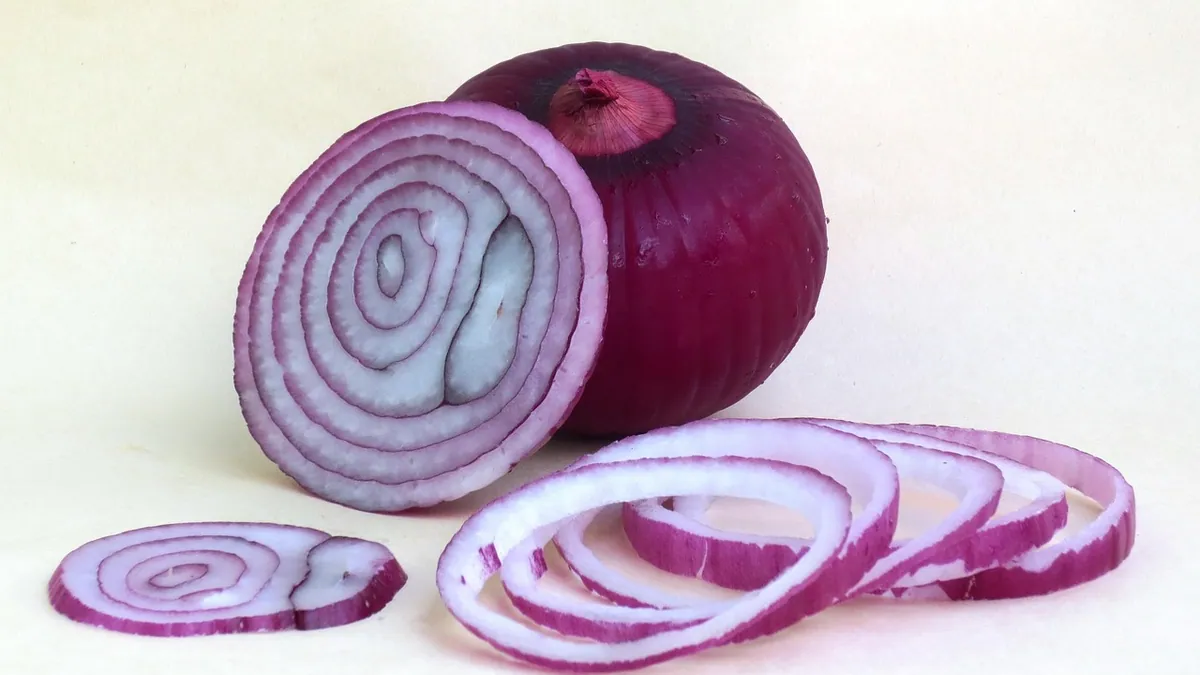
Can hamsters eat onions? No. Onions and all other plants in the Allium family are toxic to hamsters, and every form counts, including raw, cooked, dried, and powdered [1]. Even a small amount can trigger serious problems, so treat any onion exposure as an urgent matter.
This article is educational and is not a substitute for veterinary diagnosis or treatment.
Quick Answer
- Onions, garlic, chives, and leeks are all unsafe for hamsters. Garlic is 3 to 5 times more toxic than onion [1].
- Raw, cooked, dehydrated, granulated, and powdered onion are all dangerous. Cooking does not remove the toxin [1].
- Green onions, spring onions, and red onions are the same plant family and carry the same risk. None are safe.
- The toxin damages red blood cells and causes anemia, which often appears several days after the meal [1].
- If your hamster ate onion, call a veterinarian, the ASPCA Animal Poison Control Center at (888) 426-4435, or Pet Poison Helpline at (855) 764-7661 right away. Do not try to make your hamster vomit.
Are Onions Toxic to Hamsters?
Yes. Onions are toxic to hamsters and to many other animals. The Merck Veterinary Manual lists garlic, onions, chives, and leeks as the Allium species linked to poisoning, with garlic and onions causing the most cases [1]. Toxicosis has been reported in dogs and cats after they ate raw, cooked, dehydrated, or granulated onions and garlic [1]. Hamsters belong to the same group of small mammals that are known to be sensitive to this toxin, and there is no safe amount established for them.
Which Parts of the Onion Are Dangerous?
Every part of the onion plant is a problem. The bulb, the green shoots, and the dried flakes all contain the same toxic compounds. Onion powder and dry soup mixes are especially concentrated, and these concentrated forms are the ones most often tied to poisoning in cats and dogs [1]. A tiny pinch of powder can carry more toxin than a bite of raw onion.
Can Hamsters Eat Green Onions or Spring Onions?
No. Green onions and spring onions are Allium plants, the same family that includes onions and garlic [1]. The green tops are not a safe substitute for the bulb. If your hamster nibbled a green onion, treat it the same way you would treat a bite of a regular onion.
Can Hamsters Eat Cooked Onions?
No. Cooking does not destroy the toxin. Poisoning has been reported in dogs and cats after they ate cooked onions, and cats have shown signs after eating less than a teaspoon of cooked onion [1]. Onion rings, soup, casseroles, and leftovers that contain onion are all off limits.
Can Hamsters Eat Red Onions?
No. Red onions, white onions, and yellow onions are all the same species. Color does not change the toxic principle. Red onion is not safer than any other kind.
Do Hamsters Eat Onions on Their Own?
Hamsters are curious foragers, and a hamster may nibble a piece of onion if it is left within reach. They do not seek out onions because they need them. There is no nutritional reason to feed onion to a hamster, and every reason to keep it away.
What Makes Onions Poisonous to Hamsters?
The toxic principle in onions is a group of sulfur-containing compounds that damage red blood cells. The Merck Veterinary Manual describes the result as acute hemolytic anemia, meaning the body destroys its own red blood cells faster than it can replace them [1]. This is why the signs often do not show up right away. The damage builds over days, and the hamster can look normal at first.
Red blood cells carry oxygen. When they are destroyed, the hamster's tissues do not get enough oxygen. That leads to weakness, pale gums, yellowing of the skin and eyes, and in severe cases collapse [1]. The Merck Veterinary Manual notes that these signs typically develop several days after ingestion [1]. Hamsters are small, so a proportionally small amount of onion can matter a great deal.
One more point matters for hamsters specifically. Rabbits and rodents, including hamsters, guinea pigs, rats, gerbils, and chinchillas, cannot vomit. That means the body has no quick way to empty the stomach after a bad meal. It also means you should never try to make your hamster vomit, and no veterinary source recommends it for this species.
Signs of Onion Poisoning in Hamsters
Signs usually appear several days after the onion was eaten [1]. Watch for any of the following:
- Weakness or wobbliness
- Pale gums, lips, or paw pads
- Yellow tint to the skin, gums, or whites of the eyes
- Fast or labored breathing
- Lethargy, or a hamster that sleeps far more than usual
- Not eating or drinking
- Drooling
- Small or no droppings
- Bloated or tender belly
- Hunching over
- Diarrhea
- Collapse
Vomiting is not on this list because hamsters cannot vomit. If you see drooling, that is the closest thing to nausea a hamster can show. A hamster that has stopped eating and passing droppings is a hamster in trouble, whatever the cause.
How Soon Do Signs Show Up?
The timeline is one of the hardest parts of this poisoning. A hamster can eat onion, act completely normal for a day or two, and then decline quickly. The Merck Veterinary Manual states that clinical signs of acute hemolytic anemia develop several days after ingestion [1]. Do not wait for signs to appear before you call for advice. By the time a hamster looks sick, the anemia may already be significant.
What to Do Right Now If Your Hamster Ate Onion
Call for help immediately, even if your hamster seems fine. You have three good options:
- Your own veterinarian or an emergency veterinary clinic
- ASPCA Animal Poison Control Center at (888) 426-4435
- Pet Poison Helpline at (855) 764-7661
Tell them what your hamster ate, how much, and when. Onion powder and concentrated forms matter more than a single shred of raw onion, so be specific about the form. If you still have the packaging, have it ready.
Do not induce vomiting. Hamsters cannot vomit, and trying to force it can injure your pet. Do not give home remedies, milk, oil, or anything by mouth unless a veterinarian tells you to.
Move your hamster to a quiet, warm enclosure and remove any remaining onion from the cage. Keep the water bottle clean and full. Offer its normal food, but do not be alarmed if it does not eat. Handle your hamster as little as possible so it does not burn energy it needs.
If your hamster is collapsed, struggling to breathe, or unresponsive, go to an emergency clinic now. Call ahead so the team can prepare.
How Veterinarians Treat Onion Poisoning in Hamsters
Treatment depends on how much time has passed and how sick your hamster is. Early on, a veterinarian may focus on gastrointestinal decontamination, which the Merck Veterinary Manual lists as part of treatment [1]. This is done in a clinic, not at home.
After that, care centers on managing the anemia. The Merck Veterinary Manual describes treatment as early GI decontamination plus management of acute hemolytic anemia [1]. Supportive care may include warmth, fluids, oxygen, and nutrition. In severe cases, a veterinarian may consider a blood transfusion, though this is not simple in a hamster and the decision is made case by case.
Your veterinarian will calculate any medication dose from your hamster's weight and health. There is no home dose you can safely use, and no over-the-counter product that treats this poisoning.
Outlook After Onion Exposure
The outlook depends on how much onion was eaten, the form it was in, and how quickly care started. Mild exposures caught early often do well with supportive care. Severe anemia is a serious condition, and hamsters are small enough that they can decline fast.
The Merck Veterinary Manual notes that cats and dogs with Allium toxicosis develop hemolytic anemia and that treatment centers on decontamination and anemia management [1]. The same principles apply to hamsters, but the margin for error is smaller because of their size. There is no published survival rate specific to hamsters and onion poisoning, so no honest number can be given. Your veterinarian can give you a realistic picture after examining your pet.
Preventing Onion Exposure
Prevention is simple and it works. Keep all onion products out of your hamster's reach, including the ones you might not think of as food.
- Never feed onion, garlic, chives, leeks, green onions, or spring onions.
- Check treats and seed mixes for onion or garlic powder in the ingredient list.
- Keep human food, including soups, sauces, and seasoned leftovers, away from the cage.
- Wash your hands after handling onions before you touch your hamster or its food.
- Store onion powder and dried flakes in sealed containers in a cabinet, not on a counter where a hamster could reach them during out-of-cage time.
Safe Alternatives to Onions
Hamsters do not need onion for any nutrient. If you want to offer a fresh treat, stick to plain vegetables that are known to be safe in small amounts, such as a small piece of carrot, cucumber, or broccoli. Introduce any new food one at a time and in tiny portions. A hamster's main diet should be a quality commercial hamster pellet, with treats making up only a small part of the total.
If your hamster seems unwell for any reason, including after a suspected onion nibble, see a veterinarian. For more on small mammal emergencies, see Understanding Hamster Torpor: Causes and Safe Treatment. If you also have a dog at home, onion safety works differently for them, and these guides explain why: Can Dogs Eat Onions? Hemolytic Anemia Emergency Guide and Dog Ate Onions.
Limitations and When to Contact a Veterinarian
No article can tell you how much onion your specific hamster ate or how its body will respond. Individual cases need a veterinarian who can examine your pet.
Call the same day if your hamster ate any amount of onion, even a small piece, and even if it seems fine right now. Signs can take several days to appear [1], so early advice matters.
Go to an emergency clinic now if your hamster is collapsed, unresponsive, breathing hard, has pale or yellow gums, or cannot stand. These are signs of severe anemia and they do not wait.
Schedule a routine visit if your hamster had a possible exposure days ago and now seems a little quieter than usual, is eating less, or is passing fewer droppings. A physical exam and blood work can show whether anemia is developing.
Frequently Asked Questions
Can hamsters eat onions?
No. Onions are toxic to hamsters in every form, including raw, cooked, dried, and powdered. The toxin damages red blood cells and can cause anemia that shows up days later. Keep all onion products away from your hamster.
Can hamsters eat green onions or spring onions?
No. Green onions and spring onions belong to the same plant family as onions and garlic, and they carry the same toxic compounds. There is no safe version of this plant for a hamster.
Can hamsters eat cooked onions?
No. Cooking does not remove the toxin. Poisoning has been reported in other pets after they ate cooked onion, so cooked onion is just as unsafe as raw. Onion rings, soups, and seasoned leftovers are all off limits.
Can hamsters eat red onions?
No. Red onions are the same species as white and yellow onions, and the color does not change the risk. Any onion, whatever its color, is unsafe for a hamster.
What should I do if my hamster ate onion?
Call a veterinarian, the ASPCA Animal Poison Control Center at (888) 426-4435, or Pet Poison Helpline at (855) 764-7661 right away. Do not try to make your hamster vomit, because hamsters cannot vomit and forcing it can cause injury. Keep your hamster warm and quiet, remove any remaining onion, and follow the advice you are given.
Related Articles
- Understanding Hamster Torpor: Causes and Safe Treatment
- Can Hamsters Eat Carrots? How Much Is Safe
- Can Hamsters Eat Cucumbers? Safe Amounts and Risks
References
- Garlic and Onion (Allium spp) Toxicosis in Animals - Toxicology. Merck Veterinary Manual.