Can Hamsters Eat Noodles or Pasta? Cooked vs Raw Safety
By Dr. Zubair Khalid, DVM, MS, PhD ·
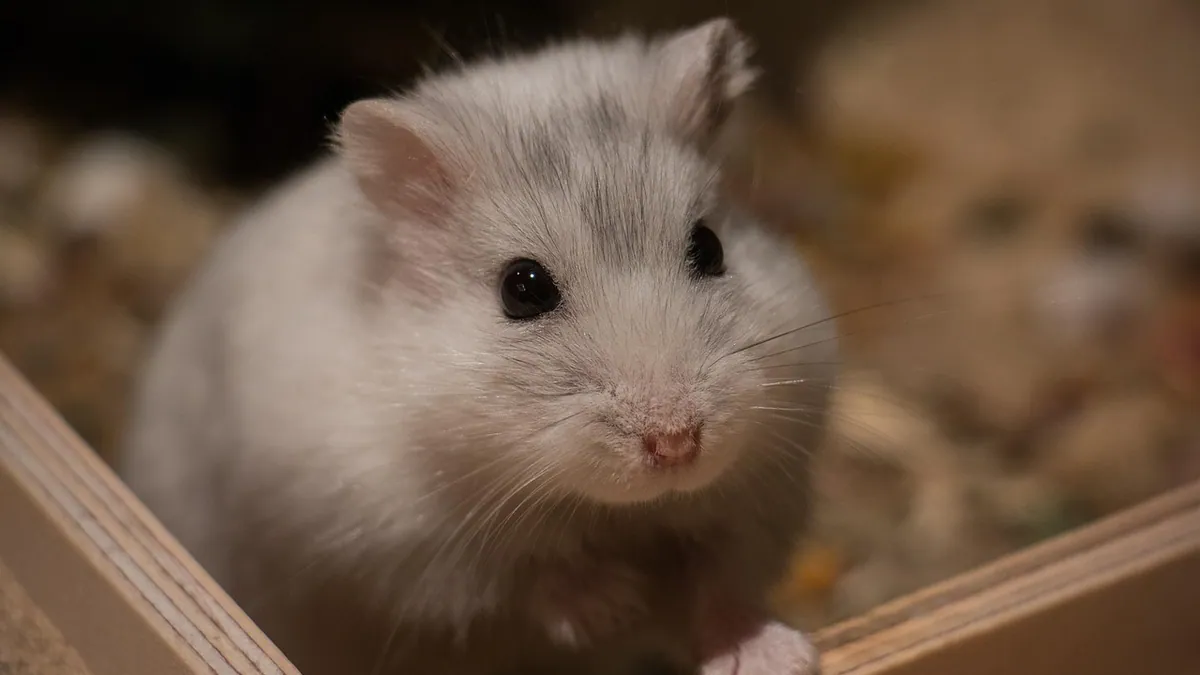
Can hamsters eat noodles? Yes, in one narrow form. A small piece of plain, fully cooked pasta is a safe occasional treat for a healthy hamster. Raw noodles, seasoned noodles, and anything coated in sauce are not safe. This article is educational and is not a substitute for veterinary diagnosis or treatment.
Quick Answer
- Plain, fully cooked pasta (no salt, oil, butter, or sauce) is safe as a rare treat, about the size of your hamster's ear or smaller.
- Raw, uncooked noodles are unsafe. They are hard enough to chip teeth and can swell after swallowing, which risks a blockage.
- Never feed noodles with garlic, onion, xylitol, salt, or heavy sauce. These can cause serious harm.
- Rice noodles and egg noodles follow the same rule: plain and cooked only, in a tiny amount.
- If your hamster ate a large amount of raw or seasoned noodles, call your veterinarian or a pet poison hotline right away.
The Verdict: Cooked Plain Pasta vs Everything Else
The answer to "can hamsters eat pasta noodles" depends entirely on how the pasta is prepared. Plain pasta that has been boiled until soft and cooled is safe for hamsters in small amounts. It is a carbohydrate treat, not a meal. Your hamster's main diet should stay a commercial hamster pellet plus a small amount of fresh vegetables and an occasional seed or nut.
Everything else is off the table. Dry pasta straight from the box is hard and brittle. Saucy pasta, buttered pasta, and pasta from a restaurant or your dinner plate carries salt, fat, and seasonings that a hamster's small body cannot handle. Chicken noodle soup is a clear no. The broth alone contains far too much sodium, and the noodles have soaked up that salt.
If you are already careful about what your pets eat, the same caution applies across species. Cooking and preparation methods change food safety in big ways, as with raw pork for dogs and raw chicken for dogs. The principle is simple: how a food is handled matters as much as what the food is.
Nutrition: What Pasta Does and Does Not Offer
Plain cooked pasta is mostly starch with a little protein. It gives your hamster calories and not much else. There is no vitamin or mineral in pasta that your hamster cannot get from a balanced pellet diet. So the real benefit is enrichment. A new texture and taste can break up the routine for a hamster that mostly eats the same kibble every day.
That said, hamsters are sensitive to dietary carbohydrate sources. In one laboratory study, changing the dietary carbohydrate from sucrose to starch stopped a serious intestinal problem (intussusception) from developing in young Syrian hamsters [1]. This does not mean pasta is medicinal. It does mean that the type and amount of carbohydrate in a hamster's diet can affect gut health in ways that are not fully understood. Treat pasta as a rare extra, not a dietary staple.
Fructose, a sugar found in fruit and many sweeteners, caused obesity and reduced glucose clearance in golden Syrian hamsters fed a high-fructose diet [2]. Pasta itself is not high in fructose, but this finding is a reminder that hamsters do not process concentrated carbohydrates the way humans do. Keep sugary and starchy extras small.
Risks of Feeding Noodles to Hamsters
Choking and Tooth Damage
Raw pasta is hard. A hamster's incisors grow continuously and are strong, but dry noodles can still chip or crack a tooth. Broken teeth make eating painful and can lead to weight loss. Soft cooked pasta does not carry this risk.
Gut Blockage From Expanding Pasta
This is the biggest concern with uncooked noodles. Dry pasta absorbs water and swells. If a hamster swallows a piece of dry pasta, it can expand in the stomach or intestine. A large enough piece could contribute to a blockage. Hamsters cannot vomit, so they cannot clear a problem the way a dog or cat might. A blockage is a medical emergency.
Digestive Upset
Too much pasta at once can cause diarrhea or soft stools. Hamsters have a delicate digestive system, and sudden diet changes are a common trigger for gut problems. In one study, 13% of young male Syrian hamsters developed lethargy, loss of appetite, diarrhea, and a serious intestinal condition after their diet was abruptly changed from standard rodent chow to a different formula [1]. Slow, small introductions are always safer than sudden large ones.
Toxic Additives
Many noodle dishes contain ingredients that are dangerous for hamsters:
- Xylitol. A sugar alcohol used in some low-sugar sauces and peanut noodles. It is toxic to small mammals.
- Garlic and onion. Both can damage red blood cells. This applies to powder and fresh forms.
- Salt. High sodium can cause serious problems in a tiny animal.
- Oil and butter. High-fat foods can lead to obesity and liver issues. One study found that striped hamsters on a long-term high-fat diet showed wide individual differences, with some gaining significant weight and others resisting it [3]. You cannot predict which way your hamster will go.
- Soy sauce, teriyaki, and broth. All are salt bombs.
Cooked-Food Compounds
Cooking at high heat can create compounds that are genotoxic in hamster liver cells in the laboratory. One study found that two cooked-food mutagens, IQ and MeIQ, triggered DNA repair responses in hamster hepatocytes [4]. These are lab findings, not proof that a bite of boiled pasta harms your pet. Still, it supports keeping cooked, browned, or fried foods to a minimum in a small herbivore-style diet.
How to Offer Pasta Safely
If you want to give your hamster a pasta treat, follow these steps.
- Choose plain pasta. Plain semolina, rice, or egg noodles with nothing added.
- Boil until fully soft. No firm or al dente texture. Soft enough to squish between your fingers.
- Cool completely. Never serve warm food.
- Cut a tiny piece. No bigger than your hamster's ear, roughly a quarter-inch for a Syrian, smaller for a dwarf.
- Offer once or twice a week at most. Less often is better.
- Remove leftovers. Do not leave pasta in the cage. It spoils quickly and can grow bacteria.
- Watch for reactions. Check for diarrhea, drooling, or changes in eating over the next 24 hours.
What to Avoid
- Raw or partially cooked noodles of any kind
- Instant ramen, including the seasoning packet
- Pasta salad, macaroni and cheese, and any dish with dressing or cheese sauce
- Chicken noodle soup, even the noodles picked out (they absorb salty broth)
- Fried noodles, chow mein, and lo mein
- Any pasta containing xylitol, garlic, onion, or artificial sweeteners
A Quick Reference
| Form | Safe? | Notes |
|---|---|---|
| Plain cooked pasta | Yes, rarely | Tiny piece, fully soft, no additives |
| Plain cooked rice noodles | Yes, rarely | Same rules as wheat pasta |
| Plain cooked egg noodles | Yes, rarely | Egg adds protein, still a treat only |
| Raw or dry pasta | No | Hard on teeth, can swell in the gut |
| Buttered or oiled pasta | No | Too much fat |
| Sauced or seasoned pasta | No | Salt, garlic, onion, xylitol risk |
| Chicken noodle soup | No | High sodium, plus garlic and onion |
| Instant ramen | No | Seasoning packet is unsafe |
What to Do If Your Hamster Ate Too Much or the Wrong Kind
Stay calm and assess what happened.
If your hamster ate a small piece of plain cooked pasta, no action is needed beyond watching for loose stool over the next day.
If your hamster ate raw pasta, a large amount of cooked pasta, or anything seasoned, call your veterinarian or an animal poison control service right away. Do not wait for signs to appear. Hamsters cannot vomit, so you should never try to make your hamster throw up. That advice applies to all rodents and rabbits.
If your hamster ate something containing xylitol, garlic, or onion, treat it as an emergency. Call your veterinarian or a pet poison hotline immediately.
Signs that need urgent care include:
- Drooling or pawing at the mouth
- Not eating or drinking
- Small or no droppings
- A bloated or tight belly
- Hunching over
- Lethargy or unresponsiveness
- Diarrhea that lasts more than a few hours
A hamster that stops producing droppings may have a gut blockage. This is life threatening and needs same-day veterinary care.
Safer Alternatives to Noodles
If you want to give your hamster a treat, these options are better than pasta:
- A small piece of plain cooked oatmeal
- A thumbnail-sized piece of carrot, broccoli, or cucumber
- A plain cooked piece of sweet potato
- A single unsalted sunflower seed or pumpkin seed
- A small piece of plain hard-boiled egg, cooked with no salt or butter
For more on what is safe to give a hamster and how medications and treatments are handled in this species, see Hamster Medicine: Safe Use and Common Treatments. The same care you take with your dog's food, such as with shrimp and shellfish safety, applies to your hamster's treats. Small bodies tolerate mistakes poorly.
Limitations and When to Contact a Veterinarian
No article can tell you whether your specific hamster will be fine after eating a particular food. Individual cases need a veterinarian who can examine your pet, ask about the amount eaten, and decide on treatment. Hamsters are small and decline quickly when something is wrong.
Contact your veterinarian the same day if:
- Your hamster ate raw pasta or a large amount of cooked pasta
- Your hamster ate pasta with sauce, butter, or seasoning
- You see soft stool, drooling, or reduced appetite
- Your hamster seems quieter than usual
Go to an emergency clinic now if:
- Your hamster is not eating at all
- There are no droppings in the cage for 12 hours or more
- The belly looks swollen or feels tight
- Your hamster is hunched, cold, or barely moving
- You know or suspect xylitol, garlic, or onion exposure
Schedule a routine visit if:
- Your hamster has had repeated soft stools after treats
- You want help building a safe treat list for your pet
- Your hamster has dental problems or a history of gut issues
Frequently Asked Questions
Can hamsters eat rice noodles?
Yes, plain cooked rice noodles are safe in the same tiny portion as wheat pasta. The rules do not change: fully cooked, no sauce, no salt, and only as a rare treat. Rice noodles offer starch and little nutrition, so they should never replace pellets.
Can hamsters eat uncooked noodles?
No. Dry noodles are hard enough to damage teeth, and they absorb water and swell after swallowing. Because hamsters cannot vomit, a piece that expands in the gut could contribute to a blockage. Call your veterinarian if your hamster ate raw pasta.
Can hamsters eat egg noodles?
Yes, plain cooked egg noodles are safe in a small amount. The egg adds a little protein, but the noodle is still mostly starch. Avoid egg noodles prepared with butter, cheese, or broth.
Can hamsters eat chicken noodles?
No. Chicken noodle soup and chicken-flavored noodle dishes contain broth, salt, garlic, and onion, all of which are unsafe for hamsters. Even picking out plain-looking noodles is risky because they soak up the seasoned liquid.
How much pasta can a hamster have?
A piece no larger than your hamster's ear, offered once or twice a week at most. For a dwarf hamster, that means a piece smaller than a quarter-inch. If you are unsure, ask your veterinarian, who can set a portion based on your hamster's weight and health.
Related Articles
- Hamster Medicine: Safe Use and Common Treatments
- Can Hamsters Eat Rice? Raw, Cooked, and Brown
- Can Hamsters Eat Oatmeal? Raw, Cooked, and Plain
- Can Hamsters Eat Bread? Types and Safe Limits
References
- Intussusception in the Syrian golden hamster. The British journal of nutrition, 1990.
- Effects of dietary carbohydrates on glucose and lipid metabolism in golden Syrian hamsters. The Journal of laboratory and clinical medicine, 1996.
- Individual differences in response to a chronic high-fat diet in striped hamsters (Cricetulus barabensis). Comparative biochemistry and physiology. Part A, Molecular & integrative physiology, 2025.
- Genotoxicity of the cooked-food mutagens IQ and MeIQ in primary cultures of rat, hamster, and guinea pig hepatocytes. Environmental mutagenesis, 1985.