Can Hamsters Eat Cheese? Dairy Risks Explained
By Dr. Zubair Khalid, DVM, MS, PhD ·
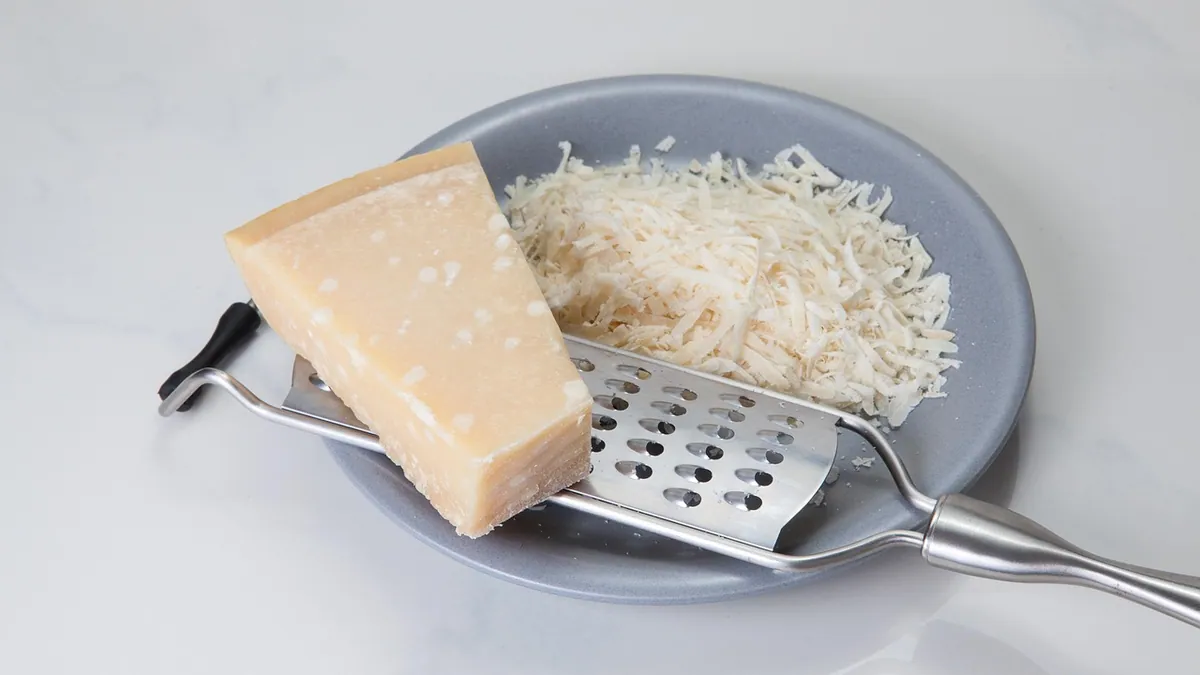
Can hamsters eat cheese? Technically, a hamster can nibble a pinhead-sized piece of plain hard cheese without dropping dead, but cheese is not a food they need and it is not a food they should eat often. The cartoon image of a hamster living on cheese is a myth. A hamster's digestive tract is built for seeds, grains, greens, and a little animal protein, not for dairy.
This article is educational and is not a substitute for veterinary diagnosis or treatment.
Quick Answer
- Cheese is not a natural or necessary part of a hamster's diet. Wild Syrian hamsters eat green vegetation, seeds, fruit, and meat [1].
- Most hamsters are lactose intolerant to some degree, so dairy often causes diarrhea, gas, and bloating.
- If you offer cheese at all, keep it to a piece no bigger than a grain of rice, plain and low in salt, no more than once or twice a month.
- Never give soft cheese, macaroni and cheese, pepper jack, or any cheese with herbs, garlic, onion, or xylitol.
- A complete pelleted hamster diet should make up the bulk of the meal plan, not treats [1].
The Honest Verdict: Can Hamsters Eat Cheese?
The short answer is that cheese is not toxic to hamsters, but it is a poor food choice. A healthy adult hamster can survive a tiny taste of plain hard cheese. That does not make cheese a good treat.
Hamsters are omnivores, which means they eat plant material and some animal matter [1]. In the wild, that animal matter comes from insects and small prey, not from a cow. Their bodies did not evolve to process large amounts of lactose, the sugar in milk.
Captive hamsters should eat a complete, balanced, pelleted diet made specifically for hamsters [1]. Treats are a small side note, not a food group. When owners ask me whether their hamster can have cheese, the real question is usually about protein. There are much better ways to meet that need.
Why the Cartoon Myth Persists
Tom and Jerry, pet store posters, and children's books all show hamsters with a wedge of cheese. It is a cute image. It is also misleading. A hamster's natural diet is closer to a mix of seeds, greens, and insects than to a dairy plate.
If your hamster grabs a crumb of cheese off the floor, do not panic. One small piece is unlikely to cause serious harm. The problem comes from making cheese a regular part of the diet.
Dairy and Lactose Intolerance in Hamsters
Lactose is a sugar found in milk and most cheeses. To digest it, an animal needs the enzyme lactase. Many adult mammals, including hamsters, produce less lactase as they grow up. When lactose reaches the large intestine undigested, gut bacteria ferment it. That process pulls water into the gut and produces gas.
The result in a hamster is diarrhea, a soft or wet bottom, bloating, and discomfort. Hamsters cannot vomit, so they cannot clear a bad meal the way a dog or cat can. Whatever they swallow has to move through the digestive tract.
Diarrhea is more dangerous in a small animal than in a large one. A hamster weighs only about 110 to 140 grams as an adult Syrian [1]. Losing fluid that fast can lead to dehydration within a day. If your hamster has watery droppings after eating cheese, treat it as a same-day concern.
Soft Cheese Is Worse Than Hard Cheese
Soft cheeses such as brie, camembert, cream cheese, and ricotta contain more moisture, more lactose, and often more fat and salt. They are a worse choice than a hard aged cheese, which has less lactose.
Even so, "less lactose" is not the same as "safe." A hamster's gut is small, and the margin for error is tiny.
Fat and the High-Fat Diet Problem
Cheese is high in fat. Research on striped hamsters fed a high-fat diet for 12 weeks found wide individual differences in response. Some hamsters gained weight and developed obesity, some stayed stable, and some lost weight and seemed to avoid the diet [2]. That study used a controlled high-fat diet, not cheese, so it does not tell us exactly what a cube of cheddar does to a pet hamster. It does show that hamsters vary a lot in how they handle extra fat.
Obesity in hamsters is linked to other health problems. In a hamster model of diet-induced obesity, researchers studied metabolic disease, liver disease, and heart changes together [3]. Pet hamsters are not lab animals, but the underlying biology is a warning. Extra fat and calories add up fast in a pet that only weighs a few ounces.
Can Hamsters Eat Soft Cheese?
No. Soft cheese is one of the worst dairy choices for a hamster. It packs lactose, fat, and salt into a soft texture that is easy for a hamster to overeat.
Soft cheeses to avoid include cream cheese, brie, camembert, feta, blue cheese, ricotta, cottage cheese, and any spreadable cheese product. Many of these also carry added herbs, garlic, or onion powder, which are not safe for hamsters.
If you want a mental rule, think of it this way. The softer and saltier the cheese, the worse it is for a hamster.
Can Hamsters Eat Macaroni and Cheese?
No. Macaroni and cheese is not a safe treat for a hamster. It combines several problems in one bite.
First, the cheese sauce is soft, salty, and high in lactose and fat. Second, the pasta is cooked and often buttered, which adds more fat. Third, boxed macaroni and cheese usually contains milk powder, salt, preservatives, and sometimes onion or garlic powder. Onion and garlic can damage red blood cells in small animals.
There is also a choking risk. Cooked pasta is soft and sticky. A hamster stuffs food into its cheek pouches, and a clump of macaroni can lodge there or be swallowed in a way that blocks the airway.
If your hamster licked a bit of macaroni and cheese off the floor, watch it closely for the next 24 hours. If it ate a real portion, call your veterinarian or an animal poison control line the same day.
Can Robo Hamsters Eat Cheese?
Roborovski hamsters are the smallest common pet hamster, often weighing well under 30 grams as adults. That small body size changes the math.
A piece of cheese that is a minor snack for a Syrian hamster is a much larger dose of fat, salt, and lactose for a Robo hamster. The risk of diarrhea and dehydration is higher because there is less body water to lose.
The safest answer for Robo hamsters is no cheese at all. If you feel you must offer a taste, a crumb smaller than a grain of rice, once, is the absolute ceiling. Even that is not necessary. Robo hamsters do perfectly well on a quality pelleted diet plus tiny insect-based protein treats.
Can Hamsters Eat Pepper Jack Cheese?
No. Pepper jack cheese is a poor choice for two reasons.
The first is the cheese itself. Pepper jack is a soft-to-semi-soft cheese with more moisture, fat, and lactose than a hard aged cheese. The second is the pepper. Hot peppers contain capsaicin, which irritates the mouth, stomach, and gut. Hamsters have a sensitive digestive tract, and a burning sensation in the mouth is not a fair trade for a treat.
Pepper jack also tends to be saltier than plain cheddar or Swiss. Salt is a real concern in small animals. A hamster's daily sodium need is tiny, and a single salty bite can be a large fraction of it.
Skip pepper jack. Skip all flavored and spiced cheeses.
Cheese Forms at a Glance
| Form | Safe? | Notes |
|---|---|---|
| Plain hard cheese (cheddar, Swiss) | Tiny taste only | Pinhead-sized piece, no more than once or twice a month |
| Soft cheese (brie, cream cheese, feta) | No | High lactose, fat, and salt |
| Macaroni and cheese | No | Soft cheese plus pasta, butter, salt, and possible onion or garlic |
| Pepper jack or spiced cheese | No | Capsaicin irritates the gut, plus added salt |
| Cheese with herbs, garlic, or onion | No | Onion and garlic can harm red blood cells |
| Cheese containing xylitol | No | Xylitol is toxic to small animals |
| Processed cheese slices or spreads | No | High salt, additives, and soft texture |
Hidden Risks Beyond Lactose
Lactose is the headline problem, but it is not the only one.
Choking and Cheek Pouch Problems
Hamsters stuff food into their cheek pouches. A sticky or sharp piece of cheese can get lodged there. If food sits in a pouch, it can cause irritation, swelling, or infection. Signs include a one-sided bulge that does not go down, drooling, pawing at the mouth, or refusing to eat.
Additives, Salt, and Xylitol
Read the label on any cheese you consider. Xylitol is a sugar alcohol used in some sugar-free products, and it is dangerous to small animals. Garlic and onion powder appear in many flavored cheeses and can damage red blood cells. Salt is added to almost all commercial cheese, and a hamster's body is not built to handle it.
Gut Upset and Dehydration
Diarrhea is the most common reaction to dairy in hamsters. Because hamsters cannot vomit, there is no way for them to bring the food back up. Watch for wet droppings, a messy bottom, bloating, hunching, and low energy.
Behavior and Stress
Stress changes how hamsters eat. In one study, adolescent male hamsters exposed to chronic social stress ate more, gained weight, and hoarded more food [4]. Another study found that stress during adolescence led to lasting weight gain and obesity [5]. A hamster that is stressed, overcrowded, or newly rehomed may overeat treats. That is another reason to keep cheese out of the cage.
How to Offer Cheese Safely (If You Choose To)
If you decide to let your hamster try cheese, follow these rules.
- Choose a plain hard cheese with no herbs, spices, garlic, onion, or xylitol.
- Cut a piece no larger than a grain of rice. For a Robo hamster, go smaller.
- Offer it once, then wait 24 hours and watch the droppings.
- Remove any uneaten cheese within an hour so it does not spoil in the cage.
- Never leave cheese as a free-fed item in the bowl.
- Do not offer cheese on the same day as other new treats. If something goes wrong, you want to know the cause.
Parts and Preparations to Avoid
Avoid the rind, the moldy edges, and any melted or cooked cheese. Avoid cheese sauces, cheese dips, cheese-flavored crackers, and cheese-flavored pet treats. Avoid string cheese, which is soft and salty. Avoid any cheese that has been left out at room temperature.
What to Do If Your Hamster Ate Too Much Cheese
If your hamster ate a large piece of cheese or a cheese product with garlic, onion, or xylitol, act the same day. Call your veterinarian or an animal poison control service right away.
Do not try to make your hamster vomit. Hamsters cannot vomit, and forcing the issue can cause serious harm.
While you wait for advice, do these things.
- Remove all remaining cheese and other treats from the cage.
- Offer fresh water in a clean bottle or bowl.
- Check the droppings and the bottom area for wetness or diarrhea.
- Keep the hamster warm and quiet, and limit handling.
- Note the time and amount eaten so you can tell the veterinarian.
If you see drooling, no droppings, small droppings, bloating, hunching, or lethargy, treat it as an emergency. These signs mean the gut has slowed or stopped, and a small hamster can decline quickly.
Safer Protein Treats for Hamsters
You do not need cheese to meet your hamster's protein needs. A complete pelleted diet made for hamsters already provides balanced nutrition [1]. Treats should stay under about 10 percent of daily calories, though your veterinarian can give you a specific target for your pet.
Better treat options include:
- A single small mealworm or cricket, offered a few times a week.
- A tiny piece of plain cooked egg white.
- A small piece of plain cooked chicken with no salt, oil, or seasoning.
- A pinch of plain rolled oats.
- A small piece of broccoli, carrot, or apple.
Keep portions tiny. A hamster's stomach is about the size of a pea.
If you also have a dog or cat at home, dairy questions come up there too. You can read more about how different species handle cheese in these articles: Can Dogs Eat Cheese, Can Cats Eat Cheese, and Can Dogs Eat Cheddar cheese? Lactose Intolerance & Fat.
Limitations and When to Contact a Veterinarian
No article can tell you what is happening inside your specific hamster. A veterinarian who examines your pet can check hydration, gut sounds, body weight, and cheek pouches. Individual cases need a veterinarian.
Call your veterinarian the same day if your hamster:
- Ate a large amount of cheese or any cheese with garlic, onion, or xylitol.
- Has diarrhea, a wet bottom, or a strong smell around the tail.
- Is drooling or pawing at the mouth.
- Has a one-sided cheek pouch bulge that does not go down.
- Is eating less than usual.
Go to an emergency clinic now if your hamster:
- Is limp, cold, or barely moving.
- Has not passed droppings in 12 to 24 hours.
- Has a bloated, tight belly and is hunched over.
- Is breathing fast or open-mouthed.
- Collapses or has a seizure.
Schedule a routine visit if your hamster has had repeated soft droppings, is losing weight, or you are unsure whether the diet is balanced.
Frequently Asked Questions
Can a hamster eat a tiny piece of cheddar once?
A pinhead-sized piece of plain cheddar is unlikely to cause serious harm in a healthy adult hamster. It is still not a recommended treat, and it should not become a habit. Watch the droppings for 24 hours afterward.
Do all hamsters react to lactose the same way?
No. Individual hamsters vary in how they handle fat and dairy, just as the striped hamster study showed wide differences in response to a high-fat diet [2]. Some may show no signs, while others get diarrhea from a small amount. Because you cannot predict the reaction, the safest choice is to avoid dairy.
Is cheese a good source of protein for a hamster?
No. A complete pelleted hamster diet already provides balanced protein [1]. Insects, plain egg white, and small bits of unseasoned cooked meat are better protein treats. Cheese adds fat, salt, and lactose along with the protein.
Can I give my hamster cheese if it is lactose-free?
Lactose-free cheese still contains fat, salt, and often additives. It is not a necessary food, and it offers no benefit over a proper pelleted diet. If you want to offer a treat, choose an insect or a small vegetable piece instead.
What should I feed my hamster instead of cheese?
Feed a complete, balanced, pelleted diet made for hamsters, and avoid generic seed mixes because hamsters pick out the seeds and leave the pellets [1]. Add tiny amounts of safe vegetables, a small insect now and then, and fresh water in a stainless steel sipper tube placed close to the floor [1].
Related Articles
- Understanding Hamster Torpor: Causes and Safe Treatment
- Can Hamsters Eat Ice Cream? Dairy and Sugar Risks
- Can Hamsters Eat Yogurt? Greek, Plain, and Flavored
- Can Hamsters Eat Nuts? Macadamia, Almond, and Salted
References
- Hamsters - Exotic and Laboratory Animals. Merck Veterinary Manual.
- Individual differences in response to a chronic high-fat diet in striped hamsters (Cricetulus barabensis). Comparative biochemistry and physiology. Part A, Molecular & integrative physiology, 2025.
- Lanifibranor and semaglutide demonstrate multiple metabolic benefits in free-choice diet induced obese hamster models of MASH and MetALD. European journal of pharmacology, 2025.
- Adolescent social stress alters the role of orexin innervation in the hindbrain in male hamsters. Journal of neuroendocrinology, 2025.
- Blunted food conditioned place preference-like behavior in adolescent-stressed male hamsters. Behavioural brain research, 2025.