Can Guinea Pigs Eat Peaches? Fresh, White and Flat Types
By Dr. Zubair Khalid, DVM, MS, PhD ·
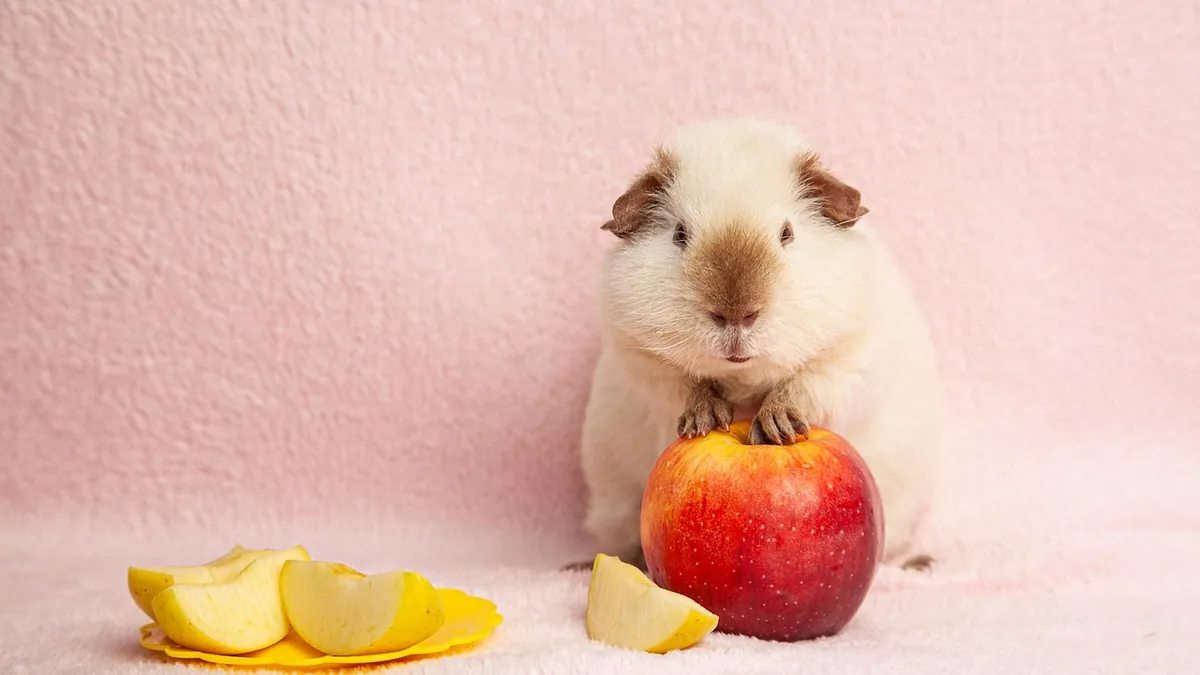
Yes, guinea pigs can eat peaches, but only as a small, occasional treat. Peaches are sugary fruit, and guinea pigs need a diet built mostly on grass hay, with limited fruit. This article is educational and is not a substitute for veterinary diagnosis or treatment.
Quick Answer
- Peaches are safe for guinea pigs in small amounts, but they are a treat, not a staple food.
- Remove the pit, stem, and leaves every time. The pit is a choking and blockage risk.
- Offer a piece about the size of a thumbnail, no more than once or twice a week.
- Fresh, white, yellow, and flat (donut) peaches are all acceptable. The type matters less than the portion.
- Never feed canned peaches, peach pie filling, or any peach product with added sugar, syrup, or sweeteners.
Can Guinea Pigs Eat Peaches? The Safe or Unsafe Verdict
Peaches are not toxic to guinea pigs. A small piece of fresh, ripe peach flesh is safe for most healthy adult guinea pigs. The fruit gives them a little vitamin C and some fiber, and many guinea pigs enjoy the sweetness.
The problem is sugar and water content. Guinea pigs are herbivores whose digestive systems are built for grass hay and fibrous vegetables [1]. Fruit is a minor part of that picture. Too much fruit can upset the gut, cause soft droppings or diarrhea, and add unwanted calories. Over time, a high-sugar diet can contribute to obesity and dental problems.
So the verdict is simple. Peaches are safe in tiny amounts and unsafe in large amounts. Treat them like a rare dessert, not a daily snack.
If you want a broader list of what belongs on the plate, see What Guinea Pigs Can and Cannot Eat.
Are Donut Peaches Safe?
Yes. Donut peaches, also called flat peaches, are a variety of the same fruit. They are safe in the same small portion as any other peach. Their shape makes them easy to cut into thin slices, which is helpful because guinea pigs have small mouths.
Are White Peaches Safe?
Yes. White peaches are safe. They tend to be sweeter and less acidic than yellow peaches, but the sugar content is still too high for a large serving. Keep the piece small.
Are Yellow Peaches Safe?
Yes. Yellow peaches are safe. They are the most common type in U.S. grocery stores. The slightly tangy flavor does not change the safety rules. Remove the pit and cut a small piece of flesh.
Can Guinea Pigs Eat Fresh Peaches?
Yes, fresh peaches are the best form to offer. Fresh fruit has no added sugar or preservatives. Canned, dried, or processed peaches are a different story and should be avoided.
Nutrition: What Peaches Do and Do Not Provide
Peaches are mostly water and carbohydrate. They contain some vitamin C, some vitamin A, and a small amount of fiber. That sounds good, but the amounts are modest compared with what guinea pigs need.
Guinea pigs cannot make their own vitamin C, so they must get it from food every day [2]. Without enough, they can develop scurvy, which causes a rough coat, lameness, weight loss, diarrhea, dental problems, and sudden illness [2]. A peach is not a reliable vitamin C source. The amount varies with ripeness and storage, and it is not enough to meet daily needs.
Adult guinea pigs need at least 10 mg of vitamin C per kilogram of body weight per day, and pregnant females need 30 mg per kg per day [2]. Because most guinea pigs weigh around 1 kg, giving 10 mg per guinea pig daily is safe, and 30 mg is safe for a pregnant female [2]. Your veterinarian can help you choose a vitamin C source and confirm the right amount for your pet.
The real nutritional benefit of peaches is enjoyment and variety. They can make a picky guinea pig more interested in food, which matters because guinea pigs often form food preferences early and can be stubborn about new items [1]. Introduce any new food slowly.
For the full daily diet plan, see Guinea Pig Diet Food.
Risks of Feeding Peaches to Guinea Pigs
Choking and Blockage
The pit is the biggest danger. A guinea pig cannot vomit, so anything that gets stuck stays stuck. A swallowed pit can block the throat or the gut and become a surgical emergency. Always remove the pit before the fruit goes anywhere near your pet.
Digestive Upset
Too much fruit can cause soft droppings, diarrhea, bloating, or a drop in appetite. Guinea pigs have a sensitive gut, and sudden diet changes are a common trigger. A guinea pig that stops eating can go downhill fast.
Sugar and Long-Term Health
Fruit sugar adds up. A guinea pig that gets fruit every day may eat less hay, which is the main food in a healthy diet [1]. Hay wears down their constantly growing teeth and provides the fiber they need for digestion [1]. Less hay means more dental and digestive trouble.
Added Ingredients
Never feed canned peaches in syrup, peach jam, peach yogurt treats, or baked goods with peach. These often contain added sugar, salt, or preservatives. Some sugar-free products contain xylitol, which is dangerous for small pets. Onion, garlic, and salty seasonings are also unsafe. Stick to plain fresh fruit.
Cyanide Concerns
Peach pits contain compounds that can release cyanide. This hazard is well documented in dogs, and the same pit should never be offered to a guinea pig. For a detailed explanation of how peach pits affect pets, see Can Dogs Eat Peaches? Cyanide Pit Hazards & Portions.
How to Offer Peaches Safely
| Form | Safe? | Notes |
|---|---|---|
| Fresh ripe peach flesh | Yes, small amount | Remove pit, stem, and leaves. Cut a thumbnail-sized piece. |
| White peach | Yes, small amount | Same portion rules. Often sweeter. |
| Yellow peach | Yes, small amount | Same portion rules. Most common type. |
| Donut (flat) peach | Yes, small amount | Easy to slice thin. Same portion rules. |
| Peach skin | Yes, in small amounts | Wash well. Some guinea pigs ignore it. |
| Peach pit | No | Choking and blockage risk. Contains cyanide-releasing compounds. |
| Peach stem and leaves | No | Remove completely. |
| Canned peaches in syrup | No | Added sugar and preservatives. |
| Dried peaches | No | Concentrated sugar, often sulfites added. |
| Peach pie, jam, or yogurt treats | No | Added sugar, salt, and other unsafe ingredients. |
Step-by-Step Serving
- Wash the peach under running water.
- Remove the stem, leaves, and pit.
- Cut a piece of flesh about the size of your thumbnail.
- Cut it into thin, flat slices so it is easy to chew.
- Offer it in a clean bowl, not on the bedding.
- Remove any uneaten fruit after a couple of hours so it does not spoil.
How Much and How Often
Keep fruit to a very small part of the weekly diet. One thumbnail-sized piece once or twice a week is plenty for most adult guinea pigs. Some veterinarians suggest even less. If your guinea pig has never had peach, start with a piece the size of a pea and watch for any reaction over the next day.
Young, pregnant, nursing, overweight, or ill guinea pigs may need different limits. Your veterinarian can set the right amount for your pet.
What to Do If Your Guinea Pig Ate Too Much
If your guinea pig ate a larger piece than planned, stay calm and watch closely. Remove any remaining fruit. Check for soft droppings, diarrhea, bloating, drooling, hunching, or a drop in appetite. Make sure fresh hay and water are available.
If your guinea pig ate a pit, a stem, or a processed peach product, call your veterinarian or an animal poison control service right away. Do not try to make your guinea pig vomit. Guinea pigs cannot vomit, and forcing it can cause serious harm.
If you see drooling, no droppings, a swollen belly, or a guinea pig that will not eat, treat it as an emergency. These signs can point to a blockage or serious gut problem.
Safer Alternatives to Peaches
If you want to give fruit, choose small amounts of other guinea pig-safe fruits. Good options include a small piece of apple without seeds, a slice of strawberry, a bit of blueberry, or a small piece of orange. Citrus is acidic, so keep it rare and small. For more on citrus, see Can Dogs Eat Oranges, which explains why acidic fruit should stay a minor treat.
Vegetables are a better everyday choice than fruit. Leafy greens, bell pepper, and other low-sugar vegetables give fiber and vitamin C without the sugar load. Bell pepper is a well-known vitamin C source for guinea pigs.
Hay should always be the main food. Offer good-quality grass hay such as timothy or orchard grass in a hay rack to keep it clean and dry [1]. Feed about 2 tablespoons (1/8 cup) of good-quality guinea pig pellets daily, choosing high-fiber, low-carbohydrate pellets [1]. Alfalfa-based pellets suit young, growing, or pregnant guinea pigs, while adult guinea pigs do better on timothy-based pellets with less calcium [1].
If you are still learning about your pet, the Guinea Pig Breeds Guide can help you understand breed differences, though diet rules stay the same for all guinea pigs.
Limitations and When to Contact a Veterinarian
This article covers general feeding guidance. It cannot tell you what is happening inside your specific guinea pig. Individual cases need a veterinarian who can examine your pet, ask about the full diet, and run tests if needed.
Call your veterinarian the same day if your guinea pig:
- Ate a peach pit, stem, or leaf
- Ate canned, dried, or processed peach products
- Has soft droppings or diarrhea that lasts more than a few hours
- Is drooling or having trouble swallowing
- Is eating less than usual or refusing food
- Has small or no droppings
- Seems bloated, hunched, or uncomfortable
Go to an emergency clinic right away if your guinea pig:
- Cannot swallow or is gagging
- Has a swollen, hard belly
- Is limp, weak, or unresponsive
- Has not passed droppings for many hours
- Is breathing with effort
Schedule a routine visit if your guinea pig has had repeated fruit treats and you want to review the diet, weight, or dental health. Guinea pigs hide illness well, so a small change in eating or droppings is often the first sign of a real problem.
Frequently Asked Questions
Can guinea pigs eat peach skin?
Yes, a small amount of washed peach skin is safe. Some guinea pigs eat it and some leave it behind. The skin does not add much nutrition, so it is fine either way.
Can guinea pigs eat frozen peaches?
No, frozen peaches are not a good choice. Cold food can upset the gut, and frozen fruit often contains added sugar or syrup. Offer fresh fruit at room temperature instead.
Can guinea pigs eat peach leaves or the pit?
No. The pit is a choking and blockage hazard, and peach leaves and stems should be removed. Keep the whole pit and plant material away from your pet.
How often can guinea pigs have fruit?
Fruit should be a rare treat, not a daily food. Once or twice a week in tiny amounts is a reasonable guide for most healthy adult guinea pigs. Your veterinarian can adjust this based on your pet's weight and health.
Do guinea pigs need vitamin C if they eat fruit?
Yes. Fruit does not provide enough vitamin C to meet daily needs. Guinea pigs need at least 10 mg per kg per day, and pregnant females need 30 mg per kg per day [2]. Ask your veterinarian about the best vitamin C source for your pet.
Related Articles
- What Guinea Pigs Can and Cannot Eat
- Guinea Pig Diet Food
- Guinea Pig Breeds Guide
- Guinea Pig Care: Bloat GI dysfunction and simethicone protocol
- Can Guinea Pigs Eat Bananas and Other Fruits?
- Can Guinea Pigs Eat Strawberries? Seeds and Serving Limits
- Can Guinea Pigs Eat Blueberries and Other Berries?
References
- Diet for a Guinea Pig - All Other Pets. Merck Veterinary Manual.
- Nutritional Problems of Guinea Pigs - All Other Pets. Merck Veterinary Manual.