Can Guinea Pigs Eat Blueberries and Other Berries?
By Dr. Zubair Khalid, DVM, MS, PhD ·
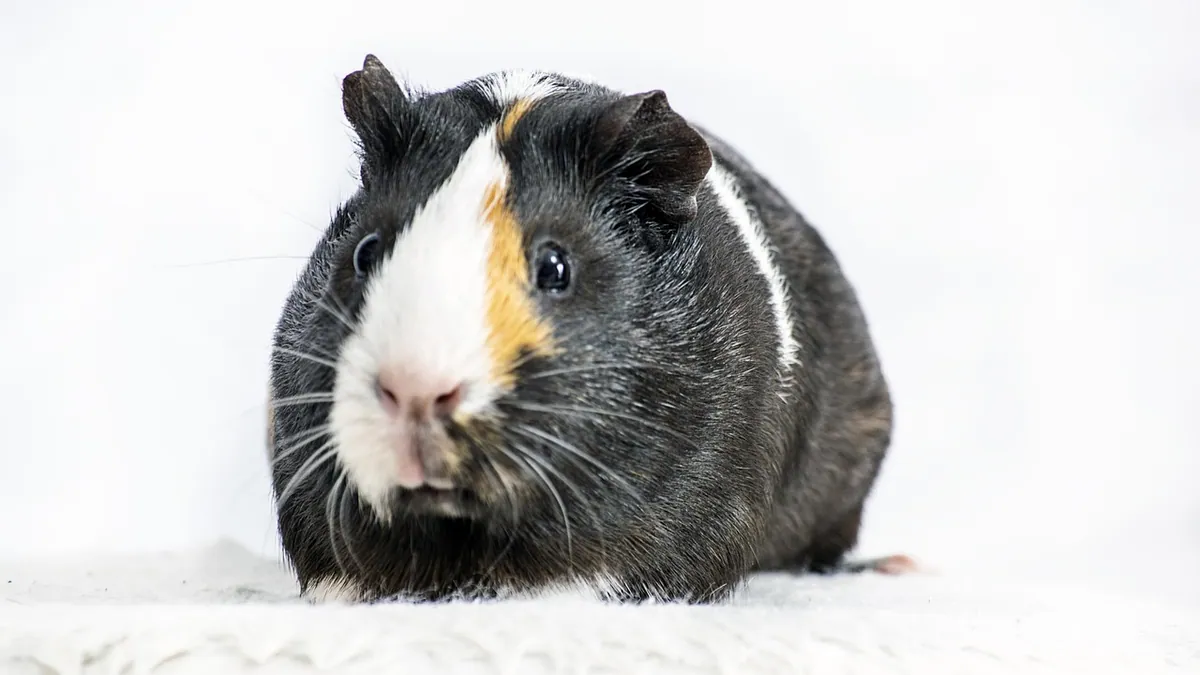
Guinea pigs can eat blueberries, but only as a small occasional treat. Berries are lower in sugar than many fruits, so a few pieces a week fit into a healthy diet without much trouble. The bigger issue is portion size, because guinea pigs need hay, pellets, and vegetables far more than they need fruit.
This article is educational and is not a substitute for veterinary diagnosis or treatment.
Quick Answer
- Yes, guinea pigs can have blueberries, raspberries, strawberries, and blackberries in small amounts.
- Fruit should stay a minor part of the diet. Hay is the main food, with about 2 tablespoons of pellets daily and a variety of vegetables [1].
- Offer one or two small pieces of berry at a time, no more than a few times a week. Treats should never crowd out hay or vegetables.
- Wash all berries and cut them into guinea pig sized pieces. Remove stems, leaves, and any added sugar, syrup, or artificial sweetener.
- Grapes are higher in sugar than berries and should be offered less often. Never feed raisins, which are concentrated sugar and a choking risk.
Can Guinea Pigs Eat Blueberries? The Short Answer
Blueberries are safe for guinea pigs. They are a fruit, so they belong in the treat category, not the meal category. A healthy guinea pig diet is built on grass hay such as timothy or orchard grass, about 2 tablespoons of quality pellets daily, and small amounts of vegetables [1]. Fruit is a limited extra.
The word limited matters. Guinea pigs are often picky and form food preferences early, so a pet that learns to expect sweet fruit may start refusing hay and vegetables [1]. That shift is a real health problem, because hay wears down continually growing teeth and provides the fiber needed for proper digestion [1].
If you are new to guinea pig feeding, a broader guide to safe and unsafe foods can help you plan meals. See What Guinea Pigs Can and Cannot Eat.
How Many Blueberries Can a Guinea Pig Have?
There is no official daily berry dose in the veterinary literature. A practical approach is one or two small blueberries as a treat, a few times a week at most. Some owners offer a single berry every other day. Either pattern is fine as long as fruit stays a tiny fraction of total food intake.
Watch the whole diet, not just the berry count. If your guinea pig gets blueberries, skip other fruit that day. If your guinea pig is overweight, has dental disease, or has digestive problems, ask your veterinarian how to handle treats.
Can Guinea Pigs Eat Raspberries and Blueberries?
Yes. Raspberries and blueberries are both safe in small amounts. Raspberries are soft and easy to break into pieces, which makes portion control simple. Blueberries are small enough that one berry is already a reasonable treat size.
Both fruits contain fiber and plant compounds called polyphenols. Berries have high amounts of polyphenols, which act as antioxidants [2]. That sounds appealing, but it does not mean berries are medicine. Your guinea pig gets the nutrients it truly needs from hay, pellets, and vegetables.
Can Guinea Pigs Eat Strawberries and Blueberries?
Yes, both are safe as occasional treats. Strawberries are larger, so cut them into small pieces and offer just one piece at a time. Blueberries can be given whole if your guinea pig is a normal size, or cut in half for a smaller pet.
Strawberries are a little higher in sugar than blueberries, so keep them less frequent. If you also have a dog at home, the same fruit can often be shared safely. For dogs, see Can Dogs Eat Strawberries Or Blueberries.
Can Guinea Pigs Eat Blackberries and Blueberries?
Yes. Blackberries and blueberries are both safe in small amounts. Blackberries have small seeds, which are fine for most guinea pigs. Cut larger blackberries in half and remove any firm core.
Blackberries can be tart, and some guinea pigs refuse them. That is fine. Never force a new food. Introduce any new item slowly, because guinea pigs do best when diet changes are gradual [1].
Can Guinea Pigs Eat Grapes and Blueberries?
Yes, guinea pigs can eat both grapes and blueberries, but grapes are higher in sugar. Offer grapes less often than berries, and cut each grape into small pieces to reduce choking risk. Never feed raisins. Raisins are dried grapes with concentrated sugar, and they can stick in the mouth or throat.
Some owners worry about kidney problems from grapes because of concerns in dogs. That concern is specific to dogs, and it is not a documented issue for guinea pigs. The real reason to limit grapes is sugar and calories.
Nutritional Value and Real Benefits of Berries
Berries are mostly water, with some fiber, vitamin C, and polyphenols. Vitamin C deserves attention because guinea pigs cannot make it and must get it from food [3]. Without enough vitamin C, guinea pigs can lose appetite, develop dental problems, have swollen joints, bleed under the skin or in organs, become weak, and possibly die [3].
That does not make berries a vitamin C plan. The reliable sources are fresh vegetables and a balanced diet, plus a veterinarian recommended supplement if needed. Guinea pigs need at least 10 mg of vitamin C per kilogram of body weight per day, and pregnant females need 30 mg per kg per day [3]. Because most guinea pigs weigh around 1 kg, giving 10 mg per guinea pig and 30 mg to a pregnant female is safe even at higher doses [3].
Blueberries have been studied for antioxidant effects. In guinea pigs fed a high cholesterol diet, blueberry supplementation reduced oxidative stress and cholesterol accumulation in the aorta and liver [4]. That study used a high cholesterol diet and a 75 day feeding period, so it does not tell you how many berries to feed a healthy pet at home. Other research on berries points to antioxidant and anti-inflammatory properties from polyphenols [2]. Blueberry polyphenols have also shown protective effects on gut barrier function in laboratory cell models [5].
The honest summary is this. Berries are a pleasant, low sugar treat with some interesting plant compounds. They are not a treatment, and they cannot replace hay, pellets, vegetables, or veterinary care.
Risks and What to Avoid
The main risk with berries is overfeeding. Too much fruit can cause soft stool, gas, and a guinea pig that fills up on sweets and skips hay. Digestive upset is uncomfortable and can become serious if it continues.
Choking is a smaller but real risk. Cut round fruits and large berries into pieces. Do not feed sticky dried fruit.
Toxicity risk comes from what is added to the fruit, not the fruit itself. Never feed berries from a jar of jam, a pie filling, a yogurt covered treat, or a syrup. These products can contain added sugar, salt, and preservatives. Sugar free products may contain xylitol, which is dangerous for pets. Some packaged treats also contain garlic or onion powder, which are not safe for guinea pigs.
Other foods to avoid include avocado, chocolate, caffeine, alcohol, and any moldy or spoiled produce. If you are unsure about a specific food, ask your veterinarian before offering it.
Form and Safety Table
| Form | Safe? | Notes |
|---|---|---|
| Fresh blueberry, washed | Yes | One or two small berries as an occasional treat |
| Fresh raspberry | Yes | Soft and easy to portion |
| Fresh strawberry | Yes | Cut into small pieces, offer less often than blueberries |
| Fresh blackberry | Yes | Cut in half, remove firm core |
| Fresh grape | Yes, limited | Higher in sugar, cut into small pieces |
| Raisins | No | Concentrated sugar and choking risk |
| Dried berries with added sugar | No | Added sugar and preservatives |
| Jam, jelly, pie filling | No | Sugar, additives, possible xylitol |
| Berries with yogurt coating | No | Dairy and sugar are not appropriate |
| Canned berries in syrup | No | Syrup adds sugar and sometimes salt |
How to Offer Berries Safely
Start with one small piece. Wash the berry under running water and pat it dry. Cut it into a size your guinea pig can chew easily. Place it in a clean food dish or offer it by hand.
Watch your guinea pig eat. If it coughs, paws at its mouth, or seems to struggle, remove the food and offer smaller pieces next time. If choking continues or your guinea pig has trouble breathing, treat it as an emergency.
Keep a simple routine. Hay available at all times. About 2 tablespoons of pellets daily [1]. A small portion of vegetables each day. Fruit as a treat a few times a week. Fresh water always available.
Track what you feed for a week if you are unsure. Many owners do not realize how much fruit their guinea pig gets from multiple family members. Write it down, then adjust.
What to Do If Your Guinea Pig Ate Too Much
If your guinea pig ate several berries, do not panic. Most healthy guinea pigs handle a one time extra serving with mild soft stool. Remove all fruit for the next few days. Offer hay and water, and keep pellets at the normal amount.
Call your veterinarian if diarrhea lasts more than a day, if your guinea pig stops eating, if it seems painful or bloated, or if it becomes weak. Young, old, pregnant, and already ill guinea pigs can decline faster, so contact your veterinarian sooner for those pets.
If your guinea pig ate a product containing xylitol, chocolate, garlic, onion, or another suspected toxin, call your veterinarian or a pet poison control service right away. Do not wait for symptoms.
Safer Alternatives to Berries
Vegetables are the better everyday treat. Good options include bell pepper, which is a useful source of vitamin C, plus leafy greens such as romaine lettuce and cilantro. Introduce new vegetables one at a time so you can spot any digestive reaction.
Herbs can also work as treats. Small amounts of parsley, basil, or mint add variety without much sugar. Some guinea pigs enjoy them, and some ignore them. Both responses are normal.
If you want to compare how other pets handle berries, these guides may help. For dogs, see Can Dogs Eat Blueberries and Can Dogs Eat Blueberries? Antioxidants & Daily Limits. For a fruit comparison in dogs, see Can Dogs Eat Strawberries And Bananas.
Limitations and When to Contact a Veterinarian
This article gives general guidance for healthy adult guinea pigs. It cannot account for your pet's weight, dental health, digestive history, or medications. Individual cases need a veterinarian who can examine your guinea pig and review its full diet.
Contact your veterinarian the same day if your guinea pig has diarrhea that lasts more than a day, stops eating, drools, has trouble chewing, or seems uncomfortable when you touch its belly.
Go to an emergency clinic now if your guinea pig is struggling to breathe, has a swollen or hard abdomen, cannot stand, has seizures, or is unresponsive. Also treat any suspected poisoning as an emergency.
Schedule a routine visit if your guinea pig has gradual weight loss, a rough coat, or repeated soft stool after treats. These signs can point to diet problems or vitamin C deficiency, and early care is easier than late care [3].
Frequently Asked Questions
Can guinea pigs have blueberries every day?
No, daily fruit is too much sugar for most guinea pigs. Offer berries a few times a week at most, and keep the portion to one or two small pieces. If your guinea pig has weight or digestive issues, ask your veterinarian before making fruit a routine.
Are blueberries or strawberries better for guinea pigs?
Blueberries are the better default choice because they are smaller and slightly lower in sugar. Strawberries are still safe, but cut them into pieces and offer them less often. Neither fruit replaces vegetables as the main source of vitamin C.
Do guinea pigs need berries for vitamin C?
No. Guinea pigs need vitamin C every day, but berries are not a dependable source. A balanced diet with fresh vegetables, plus a supplement if your veterinarian recommends one, is the reliable plan [3].
Can baby guinea pigs eat blueberries?
Young guinea pigs can eat small pieces of berry once they are eating solid food well. Keep portions tiny and watch for soft stool. Pregnant females have higher vitamin C needs, so ask your veterinarian about the right diet for a pregnant or nursing guinea pig [3].
What happens if my guinea pig eats a whole container of blueberries?
A large amount can cause gas, bloating, and diarrhea. Remove all fruit, offer hay and water, and watch closely. Call your veterinarian if diarrhea lasts more than a day or if your guinea pig stops eating.
Related Articles
- What Guinea Pigs Can and Cannot Eat
- Can Guinea Pigs Eat Strawberries? Seeds and Serving Limits
- Can Guinea Pigs Eat Bananas and Other Fruits?
- Can Guinea Pigs Eat Oranges? Citrus Safety and Amounts
References
- Diet for a Guinea Pig - All Other Pets. Merck Veterinary Manual.
- Biochemical Properties and Neuroprotective Effects of Compounds in Various Species of Berries. Molecules (Basel, Switzerland), 2017.
- Nutritional Problems of Guinea Pigs - All Other Pets. Merck Veterinary Manual.
- Effect of blueberry feeding on lipids and oxidative stress in the serum, liver and aorta of guinea pigs fed on a high-cholesterol diet. Bioscience, biotechnology, and biochemistry, 2013.
- Crude Blueberry Phenolic Extracts Improve Gut Barrier Integrity and Exert Anti-Inflammatory and Antimicrobial Activity in an In Vitro Weaning Stress Model. Antioxidants (Basel, Switzerland), 2024.