Can Guinea Pigs Eat Kiwi? Fruit Safety and Limits
By Dr. Zubair Khalid, DVM, MS, PhD ·
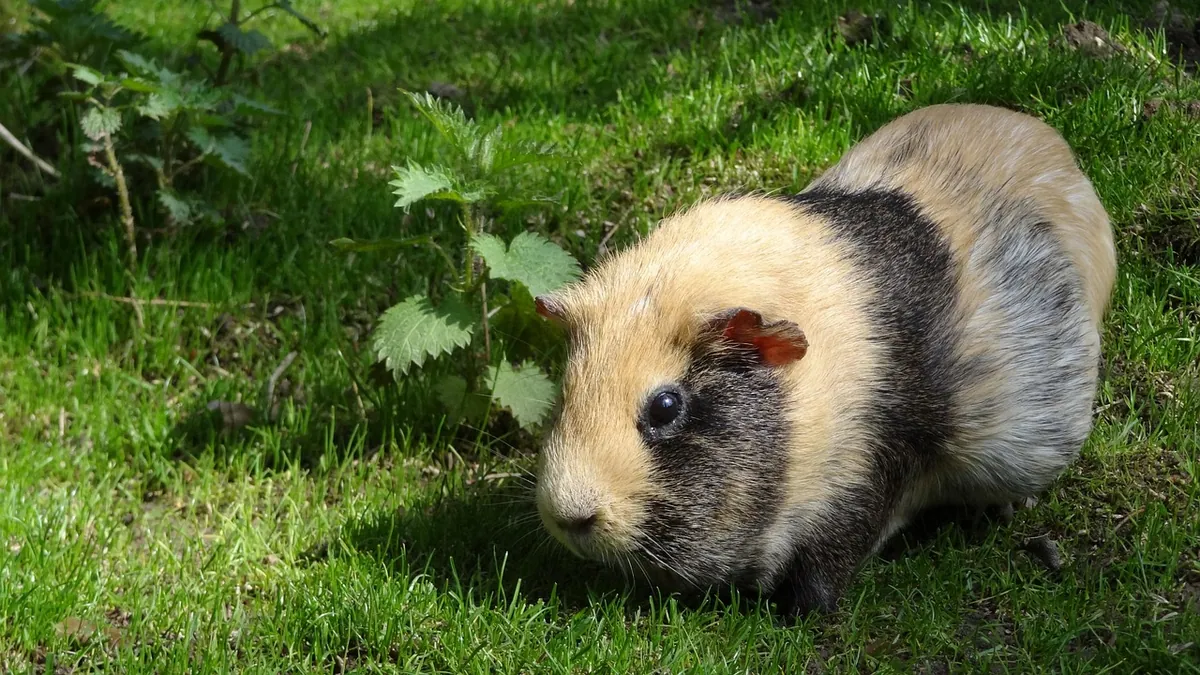
Yes, guinea pigs can eat kiwi, but only as a rare, tiny treat. Kiwi is acidic, sugary, and high in vitamin C, so a small piece once or twice a week is plenty for most healthy adult guinea pigs. This article is educational and is not a substitute for veterinary diagnosis or treatment.
Quick Answer
- Safe in very small amounts: one small slice or a few small chunks, no more than once or twice a week.
- Peel it and remove all seeds if you can. The skin is tough, and the seeds can be a choking risk for small guinea pigs.
- Never feed kiwi that has added sugar, syrup, yogurt coating, or dried fruit mixes with preservatives.
- Kiwi does not replace hay, pellets, or fresh water. Hay must stay the main food in the diet [1].
- If your guinea pig has dental problems, diabetes-like conditions, or digestive issues, ask your veterinarian before offering any fruit.
Can Guinea Pigs Eat Kiwi? The Short Answer
Yes, guinea pigs can eat kiwi, but it should be a very occasional treat. Guinea pigs are herbivores, and their diet should be built around grass hay, a measured amount of pellets, and small amounts of vegetables [1]. Fruit is a minor part of that plan.
Kiwi is not toxic to guinea pigs. The bigger concerns are the fruit's acidity, sugar content, and texture. A large piece can cause mouth irritation, soft stool, or an upset stomach. The seeds and skin add extra risk because guinea pigs have small mouths and a sensitive digestive tract.
If you are unsure whether a food belongs in your guinea pig's bowl, a good general guide is What Guinea Pigs Can and Cannot Eat. It covers the basics of a safe guinea pig diet.
Nutritional Content of Kiwi
Kiwi is best known for vitamin C. Guinea pigs cannot make their own vitamin C, so they need it from food. That makes kiwi sound appealing, but it is not the best source. Kiwi is also high in sugar and acid compared with the vegetables guinea pigs should eat daily.
A small piece of kiwi can add a little vitamin C, fiber, and water to the diet. That is the main benefit. It is not a meal replacement and should not be used as the primary vitamin C source.
Most guinea pigs get vitamin C from fresh vegetables, fortified pellets, or a veterinarian-recommended supplement. If your guinea pig needs extra vitamin C, ask your veterinarian for the right product and amount. The dose depends on your pet's weight and health, so your veterinarian will calculate it.
Risks of Feeding Kiwi to Guinea Pigs
Acidity and Mouth Irritation
Kiwi is acidic. Some guinea pigs may drool, paw at their mouth, or refuse food after eating it. If your guinea pig seems uncomfortable after a piece of kiwi, stop offering it.
Sugar and Digestive Upset
Fruit sugar can upset the balance of bacteria in the gut. A guinea pig that eats too much kiwi may develop soft stool, diarrhea, or a bloated belly. Digestive upset in guinea pigs can become serious quickly because they are small animals.
Choking and Seeds
Kiwi seeds are small but firm. They can be a choking hazard, especially for a guinea pig that eats quickly. Peel the fruit and remove the seeds when possible. Cut the fruit into very small, thin pieces.
Skin and Tough Textures
Kiwi skin is fuzzy and tough. It is hard for guinea pigs to chew and can cause mouth discomfort. Peel kiwi before offering it.
Additives and Flavorings
Dried kiwi, candied kiwi, and fruit snacks often contain added sugar, sulfites, or other preservatives. Some processed fruit products contain xylitol, which is toxic to pets. Never feed your guinea pig any fruit product that lists xylitol, garlic, onion, salt, or artificial sweeteners on the label.
High-Fat and Spicy Foods
Guinea pigs should not eat high-fat or spicy human foods. A study in guinea pigs found that high-fat and capsicum diets caused damage to the liver, stomach, gallbladder, and colon [2]. Keep kiwi plain and free of any seasoning, chili, or oil.
Can Guinea Pigs Eat Golden Kiwi or Yellow Kiwi?
Yes, guinea pigs can eat golden kiwi or yellow kiwi, but the same rules apply. Golden kiwi tends to be sweeter and less acidic than green kiwi. That does not make it a free food. It still contains sugar and should be limited to a tiny piece.
Some owners ask if yellow kiwi is safer because it is less tart. Less acid does not mean less sugar. A guinea pig's digestive system is built for hay and vegetables, not sweet fruit. Treat golden and yellow kiwi exactly like green kiwi: small piece, peeled, seeds removed, once or twice a week at most.
How to Offer Kiwi Safely
Serving Size
Offer one small slice or two to three small chunks. A piece about the size of your thumbnail is a reasonable guide for an adult guinea pig. Do not feed kiwi every day.
Preparation Steps
- Wash the kiwi.
- Peel the skin completely.
- Remove the seeds if you can.
- Cut the fruit into small, thin pieces.
- Offer it at room temperature, not cold from the fridge.
- Remove any uneaten kiwi after 20 to 30 minutes.
What to Avoid
- Kiwi skin
- Kiwi seeds in large amounts
- Dried or candied kiwi
- Kiwi with yogurt coating or chocolate
- Kiwi in smoothies or juice
- Any fruit product with xylitol, garlic, onion, or salt
How Often
Once or twice a week is enough for most healthy adult guinea pigs. Some veterinarians suggest fruit only as a rare treat. If your guinea pig is overweight, has dental disease, or has a history of digestive problems, ask your veterinarian first.
What to Do If Your Guinea Pig Ate Too Much Kiwi
If your guinea pig ate a large amount of kiwi, stay calm and watch closely. Mild stomach upset may cause soft stool or a slightly reduced appetite. Remove all remaining fruit and offer fresh hay and water.
Call your veterinarian if you see diarrhea, bloating, drooling, pawing at the mouth, or refusal to eat. These signs can worsen quickly in guinea pigs. Do not wait several days to see if it improves.
If your guinea pig ate kiwi that contained xylitol, chocolate, garlic, onion, or another toxic ingredient, call your veterinarian or a pet poison control hotline right away. Have the product label ready.
Safer Alternatives to Kiwi
Several foods give guinea pigs vitamin C with less sugar and acid. Good options include:
- Bell pepper (especially red or yellow)
- Cilantro
- Parsley
- Romaine lettuce
- Leafy greens such as kale or mustard greens in small amounts
- A small piece of apple or banana as an occasional treat
For a full list of safe and unsafe foods, see Guinea Pig Diet Food. If you also have a dog at home, you may wonder about sharing fruit. Kiwi is safe for dogs in small amounts, but the rules are different. See Can Dogs Eat Kiwi? Enzymes & Seed Digestibility for that topic.
Kiwi Form and Safety Table
| Form | Safe? | Notes |
|---|---|---|
| Fresh green kiwi, peeled | Yes, tiny amounts | Remove seeds if possible. Cut into small pieces. |
| Fresh golden or yellow kiwi, peeled | Yes, tiny amounts | Sweeter than green kiwi. Same limits apply. |
| Kiwi skin | No | Tough and fuzzy. Hard to chew. |
| Kiwi seeds | Avoid | Choking risk. Remove when possible. |
| Dried kiwi | No | Often has added sugar or preservatives. |
| Candied kiwi | No | High sugar. Can cause digestive upset. |
| Kiwi with yogurt or chocolate | No | Dairy and chocolate are not safe for guinea pigs. |
| Kiwi juice or smoothie | No | Concentrated sugar. No fiber. |
| Kiwi with xylitol | No | Xylitol is toxic to pets. |
Limitations and When to Contact a Veterinarian
Every guinea pig is different. A treat that is fine for one pet may cause problems for another. Your veterinarian can give advice based on your guinea pig's weight, age, and health history.
Contact your veterinarian the same day if your guinea pig:
- Has soft stool or diarrhea after eating kiwi
- Refuses to eat or drink
- Seems bloated or has a hard, painful belly
- Drools or paws at the mouth
- Is less active than usual
Go to an emergency veterinarian now if your guinea pig:
- Collapses or has trouble breathing
- Has severe diarrhea or bloody stool
- Shows signs of choking, such as gagging or pawing at the mouth
- Ate a product containing xylitol, chocolate, garlic, onion, or another toxic ingredient
For a routine visit, ask your veterinarian about the right diet for your guinea pig. A well-balanced diet with hay as the main food helps prevent many digestive and dental problems [1]. Housing and nutrition go together, and your veterinarian can review both [3].
Frequently Asked Questions
Can guinea pigs eat kiwi every day?
No, kiwi should not be a daily food. It is high in sugar and acid, so it is best as a rare treat. Offer a tiny piece once or twice a week at most.
Do guinea pigs eat kiwi in the wild?
Guinea pigs are domesticated animals, and their wild ancestors ate grasses and plants, not fruit. In home care, hay and vegetables should make up most of the diet. Fruit is a small extra.
Can guinea pigs eat golden kiwi or yellow kiwi?
Yes, but the same limits apply. Golden and yellow kiwi are often sweeter than green kiwi. Peel it, remove seeds, and offer only a small piece.
What happens if a guinea pig eats too much kiwi?
Too much kiwi can cause soft stool, diarrhea, bloating, or mouth irritation. If you see these signs, remove the fruit and call your veterinarian. Do not wait if your guinea pig stops eating.
Is kiwi a good source of vitamin C for guinea pigs?
Kiwi does contain vitamin C, but it is not the best source because of its sugar and acid. Bell peppers and leafy greens are better daily options. Ask your veterinarian if your guinea pig needs a vitamin C supplement.
Related Articles
- What Guinea Pigs Can and Cannot Eat
- Guinea Pig Diet Food
- Can Guinea Pigs Eat Bananas and Other Fruits?
- Can Guinea Pigs Eat Oranges? Citrus Safety and Amounts
- Can Guinea Pigs Eat Strawberries? Seeds and Serving Limits
References
- Diet for a Guinea Pig - All Other Pets. Merck Veterinary Manual.
- Comparative study on the effects of high fat diet and capsicum diet on the digestive organs of guinea pigs. Scientific reports, 2025.
- Housing and Nutrition of Guinea Pigs - Exotic and Laboratory Animals. Merck Veterinary Manual.