Zinc Deficiency in Dogs: Signs, Causes, and Treatment
By Dr. Zubair Khalid, DVM, MS, PhD ·
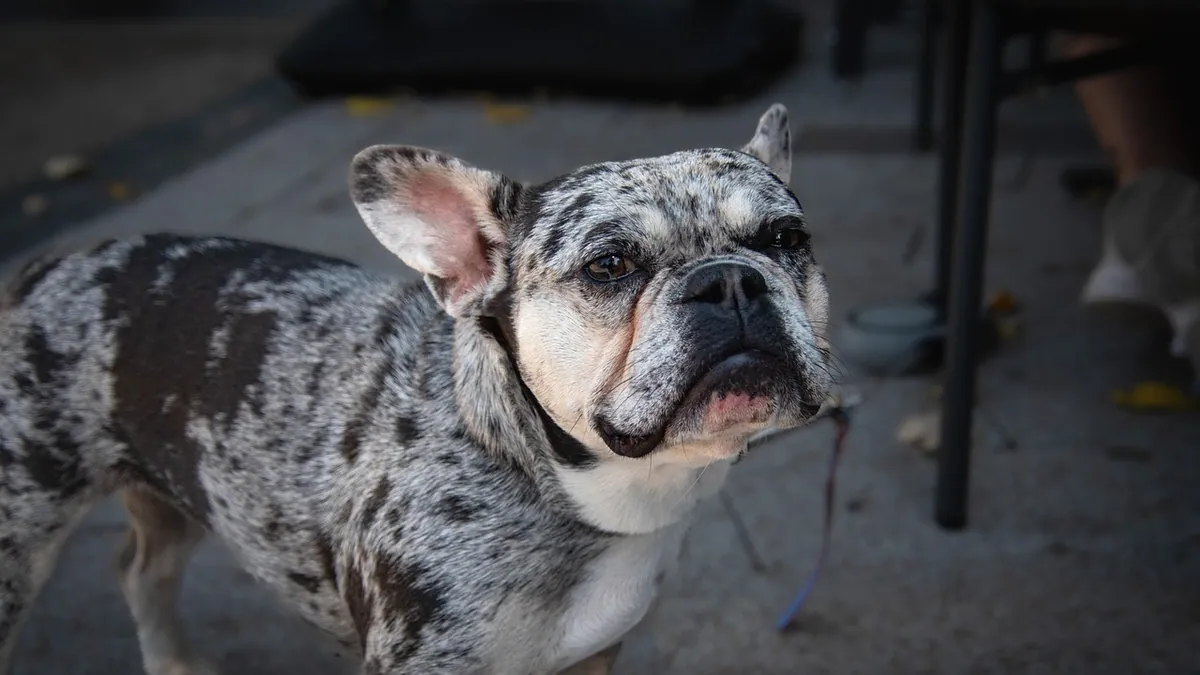
Zinc is a trace mineral your dog needs in small amounts for healthy skin, a shiny coat, and normal immune function. When zinc runs low, the first problems usually show up on the skin and coat, especially crusty, thickened pads and scaly patches around the face and paws. Knowing how to tell if your dog has a zinc deficiency starts with recognizing those skin changes and understanding which dogs are most at risk.
This article is educational and is not a substitute for veterinary diagnosis or treatment.
Quick Answer
- The classic skin signs are thick, crusty, cracked paw pads, scaly red patches around the eyes, mouth, and nose, and a dull, rough coat.
- Arctic breeds and some other bloodlines (Huskies, Malamutes, Samoyeds, and certain Bulldogs) are more likely to develop zinc-responsive skin disease.
- Poor absorption from intestinal disease can also drop zinc levels, and low zinc in dogs with lymphocytic-plasmacytic enteritis was linked to more severe disease and shorter survival in one study [1].
- Zinc deficiency is diagnosed mainly by history, breed, skin exam, and response to zinc supplementation, with blood or skin testing used in some cases.
- Never guess at a zinc dose. Too much zinc is toxic to dogs, so your veterinarian calculates the amount based on your dog's weight and health [2].
What Zinc Deficiency in Dogs Actually Means
Zinc is an essential trace element, which means your dog's body cannot make it and must get it from food [3]. It supports many biological processes, including skin repair, immune defense, and antioxidant protection [3]. When zinc is low, those systems do not work as well as they should.
In dogs, the most visible result is a condition veterinarians call zinc-responsive dermatosis. The skin becomes inflamed and thickened, especially where there is friction or pressure, such as the paw pads and the skin around the face. Research suggests that zinc helps protect skin against free radical damage, and dogs with zinc-responsive dermatosis show signs of oxidative stress in the affected skin [4]. That helps explain why the skin is one of the first places a shortage shows up.
Zinc deficiency can also happen alongside other illnesses. In dogs with lymphocytic-plasmacytic enteritis, an inflammatory bowel condition, about half had low zinc levels in the blood [1]. The lower the zinc, the more severe the disease tended to be [1]. So zinc status can be a clue about what is happening deeper in the body, not just on the skin.
Signs of Zinc Deficiency in Dog: What Owners Notice First
The signs of zinc deficiency in dog cases usually develop gradually. You may notice your dog licking or chewing at the paws before you see anything obvious.
Skin and coat changes
- Thick, hard, crusty paw pads that may crack or peel
- Scaly, red, or crusted skin around the eyes, muzzle, lips, and chin
- Rough, dry, or dull coat, sometimes with patchy hair loss
- Darkened or thickened skin in areas of repeated rubbing
- Sores that seem slow to heal
These changes often appear on both sides of the body in a fairly symmetrical pattern, which is one reason vets suspect a nutritional or metabolic cause instead of a simple infection.
Other signs to watch for
- Persistent itching or discomfort, especially on the feet
- Reluctance to walk on hard surfaces if the pads are painful
- Poor appetite or weight loss if an intestinal problem is involved
- Chronic diarrhea or soft stool, which points toward poor absorption [1]
If your dog has long-standing digestive issues along with skin problems, tell your vet about both. Gut disease and skin disease can be connected. Conditions like Symptoms Of Pancreatic Enzyme Deficiency In Dogs can also cause chronic digestive signs that overlap with what you might see here.
How this differs from other skin problems
Many skin conditions look alike at home. Allergies, mites, bacterial infections, and yeast overgrowth can all cause redness, crusting, and hair loss. You cannot tell them apart by looking. A dog with a nail or paw problem, for example, might have an infection instead. If the toes or nails look swollen or discharge is present, see Dog Nail Infection: Signs, Causes, and Treatment. Your vet can sort out which problem you are dealing with.
Causes and Risk Factors
Zinc problems in dogs usually fall into a few categories.
Breed predisposition
Some breeds are genetically prone to zinc-responsive dermatosis. These include Siberian Huskies, Alaskan Malamutes, Samoyeds, and certain lines of Bulldogs. In these dogs, the problem is often an inherited difficulty absorbing or using zinc from the diet, even when the food contains enough.
Poor absorption from the gut
Any disease that damages the intestinal lining can reduce zinc absorption. Lymphocytic-plasmacytic enteritis is a well-documented example, and low blood zinc in those dogs is linked to worse disease severity and a poorer outlook [1]. Malabsorption can affect other nutrients too. One report described a German Shepherd with this condition who developed bleeding because of vitamin K deficiency from poor absorption [5]. That case shows how one gut problem can snowball into several deficiencies.
Diet and life stage
A complete and balanced commercial diet normally supplies enough zinc. Problems are more likely with homemade diets that are not properly formulated, very high-fiber diets that bind zinc, or diets heavy in certain minerals that compete with zinc absorption. Growing puppies have higher zinc needs than adults.
What zinc deficiency is not
It is easy to confuse low zinc with zinc poisoning. They are opposites. Zinc toxicosis happens when a dog swallows something containing zinc, most often metal objects or coins, and it causes vomiting, diarrhea, blood damage, organ failure, and sometimes death [2][6]. One report described a dog with zinc poisoning who also developed methemoglobinemia, a blood disorder that reduces oxygen delivery [6]. Do not give zinc supplements hoping to help a sick dog without veterinary guidance. The dose that helps is far below the dose that harms.
How Veterinarians Diagnose Zinc Deficiency
There is no single perfect test, so vets piece the diagnosis together.
History and physical exam
Your vet will ask about diet, supplements, chewing habits, and any long-term digestive problems. They will examine the skin closely, looking at the paw pads, face, and pressure points. Breed and age matter a great deal here.
Testing
Blood zinc levels can be measured, and low serum zinc has been documented in dogs with intestinal disease [1]. However, blood zinc does not always reflect what is happening in the skin, so a normal result does not rule the condition out. Your vet may also run:
- Skin scrapings and cultures to rule out mites, bacteria, and yeast
- Blood work to check organ function and look for other causes
- Intestinal testing if chronic diarrhea is present
- A skin biopsy in stubborn cases
The treatment trial
Often the most practical test is a supervised trial of zinc supplementation. If the skin improves, zinc-responsive dermatosis becomes the working diagnosis. This is why vets sometimes call it a diagnosis by response.
| What your vet checks | Why it matters |
|---|---|
| Diet and supplement history | Finds gaps or excesses that affect zinc |
| Breed and age | Flags genetic risk in Huskies, Malamutes, and similar breeds |
| Skin exam of pads and face | Identifies the classic pattern of zinc-responsive dermatosis |
| Blood zinc level | Supports the diagnosis but can miss skin-level deficiency [1] |
| Gut testing | Looks for malabsorption from enteritis or other disease [1] |
| Response to zinc trial | Confirms the diagnosis when skin improves |
Treatment Options
Treatment depends on the cause, but most plans combine zinc replacement with care for any underlying disease.
Zinc supplementation
Your veterinarian will choose the form and amount of zinc. Absorption varies by form, and one study in healthy adult dogs found that an organic zinc proteinate raised blood zinc levels significantly, confirming good bioavailability [3]. That does not mean you should pick a product yourself. The right dose depends on your dog's weight, the type of zinc, and whether other minerals in the diet interfere. Your vet calculates it for your pet.
Diet changes
If the diet is the problem, switching to a complete and balanced food formulated for your dog's life stage often helps. In some cases, vets recommend a specific therapeutic diet. Do not add random supplements to a balanced diet, because excess zinc or competing minerals can cause new problems [2].
Treating underlying disease
If intestinal disease is driving the deficiency, it needs its own treatment. Managing the gut condition can improve zinc absorption and overall health. Dogs with chronic enteritis may need long-term monitoring, and low zinc in these cases has been linked to a worse prognosis [1]. If your dog also has chronic digestive or parasite issues, related articles like What Are The Signs And Symptoms Of A Dog With Worms and How Do You Know If Your Dog Has Worms Symptoms can help you spot overlapping signs.
Skin support
Your vet may also treat secondary infections with medicated shampoos, topical treatments, or antibiotics if bacteria are involved. These support recovery but do not fix the zinc problem itself.
Recovery, Outlook, and Long-Term Management
Many dogs with zinc-responsive dermatosis improve within weeks of starting supplementation, though the exact timeline varies by dog and by cause. Skin that has been thickened for a long time may take longer to return to normal.
Dogs with a genetic form often need lifelong zinc support, because the underlying absorption problem does not go away. Dogs whose deficiency came from a diet issue may recover fully once the diet is corrected.
If intestinal disease is the root cause, the outlook is more guarded. In one study, dogs with lymphocytic-plasmacytic enteritis and low blood zinc had significantly shorter overall survival than dogs with normal zinc [1]. That makes early diagnosis and consistent management important.
Keep all follow-up appointments. Your vet may recheck blood work, adjust the zinc dose, and watch for side effects. Report any new vomiting, diarrhea, or appetite loss right away, since those can signal too much zinc or a worsening gut problem [2].
Prevention
You cannot prevent every case, especially the inherited form, but you can lower the risk.
- Feed a complete and balanced diet that meets your dog's life stage needs.
- Avoid homemade diets unless they are formulated by a veterinary nutritionist.
- Do not give zinc or multivitamin supplements without veterinary advice, since excess zinc is toxic [2].
- Keep coins, metal hardware, and galvanized objects out of reach, because swallowed zinc objects cause poisoning [2].
- Treat chronic digestive disease promptly, since malabsorption can drain zinc and other nutrients [1][5].
- Ask your vet about zinc status if you have a high-risk breed with recurring skin problems.
Limitations and When to Contact a Veterinarian
No article can diagnose your dog. Skin disease has many causes that look similar, and only your veterinarian can examine your dog, run tests, and set a safe treatment plan. Individual cases need a veterinarian.
Contact your vet the same day if your dog has:
- Sudden severe itching, swelling, or open sores on the paws
- Refusing to walk or limping because of painful pads
- Vomiting, diarrhea, or not eating for more than a day
Go to an emergency clinic now if your dog:
- Swallowed a coin, battery, or metal object
- Has pale gums, weakness, collapse, or trouble breathing
- Has bloody vomit or stool, or a swollen, painful belly
Those signs can point to zinc poisoning or another emergency, and they need immediate care [2][6]. For routine concerns like a dull coat, mild scaling, or a breed-related skin history, book a regular appointment.
Frequently Asked Questions
Can I test my dog for zinc deficiency at home?
No, there is no reliable at-home test for zinc deficiency in dogs. Diagnosis requires a veterinary exam, and often blood work, skin testing, or a supervised supplement trial. If you suspect a problem, start with your vet.
Is zinc deficiency the same as zinc poisoning in dogs?
No, they are opposite problems. Deficiency means too little zinc, which mainly affects the skin and coat. Poisoning means too much zinc, usually from swallowing metal objects, and it can cause organ failure and death [2][6].
Will a better food alone fix my dog's zinc problem?
Sometimes, if the diet was the only issue. Many dogs, especially those with a genetic form or intestinal disease, also need zinc supplementation and treatment for the underlying condition. Your vet will decide what your dog needs.
Are certain breeds more likely to have zinc problems?
Yes. Siberian Huskies, Alaskan Malamutes, Samoyeds, and some Bulldogs are known to be at higher risk for zinc-responsive dermatosis. If you have one of these breeds, mention any recurring skin or paw issues to your vet early.
Can zinc deficiency cause problems beyond the skin?
Yes. Zinc supports immune function and antioxidant defense, and low levels have been linked to more severe intestinal disease and shorter survival in dogs with lymphocytic-plasmacytic enteritis [1]. That is why vets look at the whole dog, not just the coat.
Related Articles
- Symptoms Of Pancreatic Enzyme Deficiency In Dogs
- How Do I Know If My Dog Has A Uti
- Dog Nail Infection: Signs, Causes, and Treatment
- What Are The Signs And Symptoms Of A Dog With Worms
- How Do You Know If Your Dog Has Worms Symptoms
- How To Tell If My Dog Has An Inner Ear Infection
- Pica in Dogs: Causes, Symptoms, and Treatment
- Puppy Not Thriving: Signs, Causes, and What to Do
- Anemia in Dogs: Causes, Symptoms, and What It Means
References
- Decreased serum zinc concentration in dogs with lymphocytic-plasmacytic enteritis, and its associations with disease severity and prognosis. The Journal of veterinary medical science, 2020.
- Zinc Toxicosis in Animals - Toxicology. Merck Veterinary Manual.
- Effects of Organic Zinc Supplementation on Gut Microbiota and Health-Related Biomarkers in Healthy Adult Dogs. Biological trace element research, 2026.
- Oxidative stress in the pathogenesis of canine zinc-responsive dermatosis. Veterinary dermatology, 2011.
- Vitamin K deficiency as a cause of oral bleeding in a dog with intestinal malabsorption due to lymphocytic-plasmacytic enteritis. Open veterinary journal, 2025.
- Methemoglobinemia Secondary to Zinc Foreign Body Ingestion in a Dog. Journal of veterinary emergency and critical care (San Antonio, Tex. : 2001), 2026.