Pica in Dogs: Causes, Symptoms, and Treatment
By Dr. Zubair Khalid, DVM, MS, PhD ·
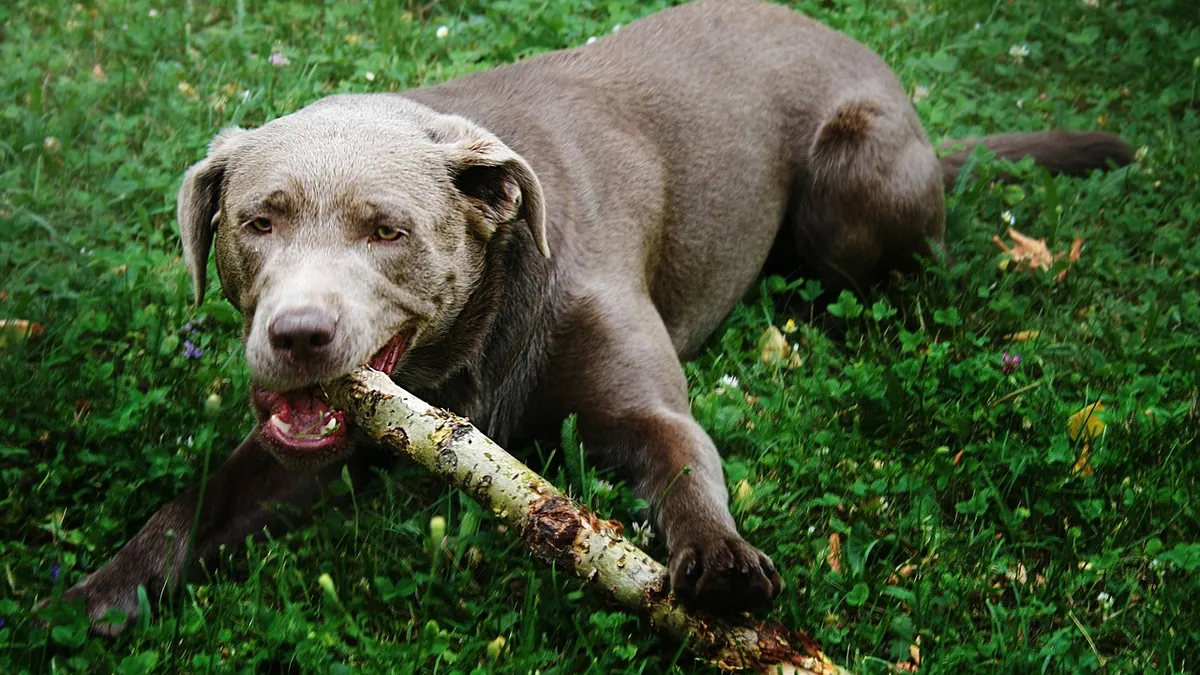
Pica in dogs treatment depends on why your dog is eating non-food items. Some dogs chew and swallow rocks, socks, or plastic out of boredom or stress, while others do it because of an underlying medical problem. The right plan starts with a veterinary exam, then moves to behavior and environment changes.
This article is educational and is not a substitute for veterinary diagnosis or treatment.
Quick Answer
- Pica means your dog repeatedly eats things that are not food, such as rocks, fabric, plastic, or dirt.
- A veterinary exam is the first step, because gastrointestinal disease is common in dogs who swallow foreign objects. In one review, all 41 dogs and cats that had gastrointestinal biopsies showed chronic enteritis, and 80% had chronic gastritis [1].
- Punishment does not fix pica and often makes anxiety worse.
- Most treatment combines medical care for any underlying disease with management, enrichment, and behavior training.
- Go to the emergency clinic right away if your dog ate something that could block the gut, is vomiting, or has a painful belly.
What Pica in Dogs Means
Pica is the repeated eating of non-food items. It is different from normal puppy chewing, which usually fades as the dog matures and learns what is safe to mouth. It is also different from a one-time mistake, like swallowing a sock left on the floor.
A dog with pica seeks out and eats items such as rocks, dirt, paper, wood, cloth, or plastic. The behavior is persistent, and it often happens even when the dog has plenty of food and toys.
The median age in one review of dogs and cats with pica and gastric foreign bodies was 8 years in dogs [1]. That tells you pica is not only a puppy problem. Adult dogs can develop it too.
Pica in Dogs Causes: Why the Behavior Happens
Normal Reasons First
Some non-food eating has a simple explanation. Puppies explore with their mouths. Herding breeds may nip and grab at moving objects. Dogs who are under-exercised or under-stimulated may chew whatever they can reach.
Hunger can also play a role. A dog on a calorie-restricted diet, or one fed at long intervals, may scavenge more. Boredom, a sudden change in routine, and lack of mental work are common triggers.
Stress matters too. Fearful dogs show body language like trembling, hiding, flinching at noises, panting, and ears held back [2]. A dog in that state may chew and swallow objects as a way to cope. Pain, a poor environment, and medical conditions can all make fear worse [2].
Medical Causes to Rule Out
This is where pica gets serious. A growing body of evidence links pica to chronic gastrointestinal disease. In a review of 133 dogs and cats who needed endoscopic removal of a gastric foreign body, every animal that had biopsies showed histologic chronic enteritis, and 80% had chronic gastritis [1]. Helicobacter bacteria were found in 49% of the biopsied animals [1].
That does not mean every dog who eats a sock has gut disease. It does mean that when pica is repeated, your veterinarian will want to look at the stomach and intestines, not just the behavior.
Other medical problems can drive the behavior. Anemia can cause lethargy, reduced appetite, weight loss, and a dull coat [3]. A dog who feels unwell may eat odd things.
Nutritional gaps are another possibility. In an in vitro model of iron-deficiency anemia, taurine and betaine helped canine red blood cells resist lysis [3]. That is lab work, not a feeding recommendation, but it shows how closely nutrition and blood health are tied.
Your veterinarian may check blood work, stool, and imaging. If signs point to the gut, endoscopy and biopsies may be needed [1].
When Pica Becomes a Problem
Pica becomes a problem when it puts your dog at risk. Swallowed objects can block the intestine, tear the stomach lining, or cause choking. Surgery and endoscopy are sometimes needed to remove them [1].
It is also a problem when the behavior is frequent, when it happens even when you are watching, or when your dog seems anxious or unwell. Repeated pica is a sign that something needs attention, whether that is the gut, the diet, the daily routine, or your dog's emotional state.
Some skin and ear problems can also make a dog uncomfortable enough to chew and lick at things. If your dog is also itchy or losing hair, see our guide to Dog Paw Allergies: Signs, Causes, and Treatment and Dog Hair Loss on Nose: Causes and When to Worry.
Pica in Dogs Treatment: What Actually Works
Treatment has two tracks. One track treats any medical problem. The other track changes the behavior and the environment. Most dogs need both.
Step 1: Get a Veterinary Exam
Book an appointment before you try home remedies. Your veterinarian will ask what your dog eats, how often, and what items get swallowed. They will check for pain, anemia, and gastrointestinal signs. Blood work and imaging are common next steps.
If chronic enteropathy is suspected, endoscopy with biopsies may be recommended [1]. This is the only way to confirm what is happening inside the gut.
Step 2: Treat the Medical Cause
If gut disease is found, your veterinarian will build a plan. That may include diet changes, medications for inflammation, or treatment for Helicobacter [1]. If anemia is part of the picture, the cause gets treated first. Your veterinarian calculates any medication dose from your dog's weight and health, so never guess at a dose yourself.
Step 3: Manage the Environment
Management is the fastest way to keep your dog safe while training is underway.
- Pick up socks, shoes, trash, and small objects.
- Use a covered trash can and secure cabinets.
- Block access to rocks, mulch, and gravel with fencing or a leash.
- Supervise outdoor time and use a basket muzzle if your dog eats rocks or sticks.
- Offer safe chew toys that are harder to destroy than the items your dog targets.
Step 4: Build a Better Daily Routine
Dogs who are bored or stressed need more to do. Add sniff walks, food puzzles, and short training sessions. Feed meals at consistent times so hunger is not driving the scavenging.
If fear is part of the picture, keep the home calm and predictable. Fearful dogs often do better with a set routine and a quiet space to retreat to [2]. Avoid crowded, noisy settings until your dog is more settled.
Step 5: Train an Alternative Behavior
Teach your dog what to do instead of grabbing items. A strong "leave it" and "drop it" gives you control in the moment. Reward your dog for choosing a toy or for checking in with you.
Keep sessions short and reward often. If your dog grabs something dangerous, do not chase. Trade for a high-value treat so your dog learns that letting go pays off.
Step 6: Ask About Medication
There is no single drug approved for pica. Pica in dogs medication is used only when a veterinarian identifies a specific target, such as gut inflammation, anxiety, or another diagnosed condition. The choice and dose depend on your dog's weight, health, and diagnosis.
Behavior medications may be considered for severe anxiety, often alongside a training plan. Your veterinarian decides whether that is appropriate for your dog.
Step 7: Home Remedies and What They Can Do
Owners often search for pica in dogs treatment home remedies. The honest answer is that no home remedy replaces a diagnosis. A few supportive steps can help while you wait for your appointment.
- Feed a complete, balanced diet in measured meals.
- Increase exercise and mental work.
- Remove access to the items your dog targets.
- Keep a log of what your dog eats, when, and what happened before.
Do not add supplements or change your dog's diet on your own. Some nutrients interact with health conditions, and the right amount depends on your dog's lab work. Your veterinarian sets that plan.
What Not to Do
Do not punish pica. Yelling, hitting, or scaring your dog does not stop the behavior. It adds stress, and stress can make pica worse [2]. Punishment also teaches your dog to hide the behavior, which makes it harder to catch and more dangerous.
Do not assume your dog is just being bad. Repeated pica often has a medical or emotional driver [1][2].
Do not rely on myths. There is no proof that a dog eats rocks because of a "mineral craving" that you can fix with a random supplement. There is no safe home trick that removes a swallowed object. If your dog ate something that could block the gut, go to the vet.
Do not wait for the object to pass on its own. Some objects never pass, and waiting can turn a simple problem into an emergency.
When to Involve a Veterinarian or Behavior Professional
Call your veterinarian if pica is new, frequent, or getting worse. Call sooner if your dog has lost weight, has a dull coat, seems tired, or has changes in appetite or stool [3].
Ask for a referral to a veterinary behaviorist if the behavior continues after medical causes are treated and management is in place. A certified behavior professional can build a plan for anxiety, fear, and compulsive behavior.
If your dog is also coughing or has other respiratory signs, see Dog Kennel Cough Symptoms And Treatment. If your dog is overheating during outdoor time, see Heat Stroke In Dogs Symptoms And Treatment.
Limitations and When to Contact a Veterinarian
Pica is a sign, not a diagnosis. The cause can be behavioral, medical, or both, and the right plan depends on your dog's exam and test results. Individual cases need a veterinarian who can examine your dog and review the full history.
Go to the emergency clinic now if your dog:
- Ate a sharp object, string, or anything that could block the gut
- Is vomiting, retching, or drooling
- Has a hard, painful, or swollen belly
- Is pacing, restless, or unable to get comfortable
- Is choking, gagging, or having trouble breathing
- Collapsed or seems weak
Call your veterinarian the same day if your dog:
- Ate a non-food item but seems otherwise normal
- Has repeated pica episodes in a short time
- Has diarrhea, constipation, or a change in appetite
- Seems anxious, fearful, or stressed
Book a routine visit if pica has been going on for weeks, if you keep finding chewed items, or if your dog has a dull coat, weight loss, or low energy [3].
Frequently Asked Questions
Is pica in dogs a behavioral problem or a medical problem?
It can be either one, and often it is both. Chronic gastrointestinal disease is common in dogs who swallow foreign objects, so a medical workup comes first [1]. If the exam and tests are normal, the focus shifts to behavior, stress, and environment.
Can pica in dogs go away on its own?
Sometimes puppy mouthing fades with age and training, but true pica usually needs a plan. If a medical cause is present, it will not resolve without treatment [1]. If the cause is behavioral, the behavior tends to continue until the routine and environment change.
What should I feed a dog with pica?
Feed a complete, balanced diet in measured meals at consistent times. Do not add supplements or switch foods on your own, because the right choice depends on your dog's diagnosis and lab work. Your veterinarian will set the diet plan.
Are there home remedies for pica in dogs?
No home remedy replaces a veterinary exam. You can reduce risk by removing access to target items, adding exercise and enrichment, and keeping a log of episodes. Any supplement or diet change should be cleared by your veterinarian first.
Can pica in dogs be prevented?
You can lower the risk by puppy-proofing your home, supervising outdoor time, and giving your dog enough exercise and mental work. Regular veterinary visits help catch anemia, gut disease, and other problems early [1][3]. If your dog has a history of swallowing objects, keep using management tools like leashes and covered trash cans.
Related Articles
- Dog Paw Allergies: Signs, Causes, and Treatment
- Dog Hot Spot Treatment Pictures
- Dog Kennel Cough Symptoms And Treatment
- Dog Hair Loss on Nose: Causes and When to Worry
- Heat Stroke In Dogs Symptoms And Treatment
- Canine Hyperthyroidism: Causes, Diagnosis, and Treatment
- Pica in Cats: Causes, Symptoms and How to Treat It
- Why Does My Puppy Eat Everything? Pica and Safety
- Pica in Dogs and Cats: Why Pets Eat Non-Food Items
References
- Pica as a clinical sign of a chronic enteropathy in dogs and cats. Journal of the American Veterinary Medical Association, 2025.
- Targeted lipidomics showed altered serum phosphatidylcholine levels in fearful dogs. PloS one, 2026.
- Taurine and Betaine, Alone and in Combination, Mitigate Lysis of Canine Erythrocytes in an In Vitro Model of Iron-Deficiency Anemia. Veterinary and animal science, 2026.