How to Treat Dog Interdigital Cysts at Home
By Dr. Zubair Khalid, DVM, MS, PhD ·
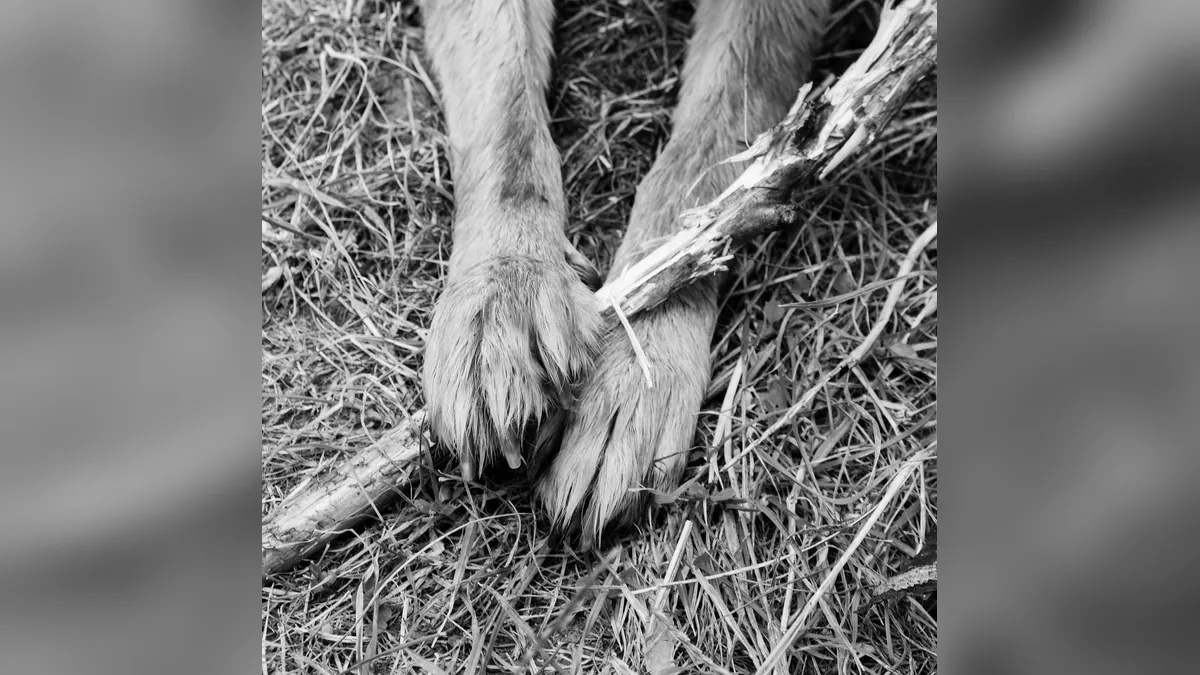
If you want to know how to treat dog interdigital cysts at home, start with gentle warm-water soaks, keep the paw clean and dry, and stop your dog from licking the area. These lumps between the toes are painful deep infections, not simple pimples, so home care only works as part of a plan that also addresses the cause. This article is educational and is not a substitute for veterinary diagnosis or treatment.
Quick Answer
- Soak the affected paw in warm water for about 5 to 10 minutes, once or twice daily, then pat it completely dry [1].
- Prevent licking with a cone, a soft collar, or a clean sock, because licking keeps the infection going and adds moisture.
- Do not squeeze, pop, or try to cut out the lump yourself. That pushes infection deeper and can cause serious damage.
- See a veterinarian if the lump is large, draining, bleeding, or your dog is limping, because many cases need oral antibiotics for 4 to 6 weeks or longer [1].
- If lumps keep coming back, the real problem is usually an underlying trigger such as allergies or paw shape, and that trigger needs treatment [2].
What Interdigital Cysts Really Are
Veterinarians often call these lesions interdigital furuncles or interdigital furunculosis. The word "cyst" is common among pet owners, but it is not accurate. These lumps are areas of deep infection and inflammation in the skin between the toes, and they are almost never true cysts [2].
A useful comparison is a severely infected pimple or boil, but one buried in the webbing of a paw [1]. The tissue becomes swollen, painful, and filled with pus and inflammatory cells. In many cases, hair shafts break off and get pushed into the skin, and the body reacts to that embedded hair, which keeps the infection alive [2].
Because the lesions sit in thick, tough skin that bears weight, they are hard to clear. They also tend to come back if the reason they started is never found and managed [2].
Signs Owners Notice
The first clue is often licking. Your dog may chew at one paw constantly, hold it up, or refuse to let you touch it. Between the toes you may see:
- A firm, red, painful lump or several lumps in the webbing
- Swelling that makes the toes look spread apart
- A draining opening that leaks pus or bloody fluid
- Crusts, ulcers, or small holes in the skin
- Limping or reluctance to walk on hard floors
In one study of dogs with these lesions, licking or itching was reported in about 74 percent of dogs with interdigital furunculosis, and a discharging wound was seen in about 63 percent [3]. The front paws were involved in about 88 percent of those dogs [3]. So if your dog is obsessively licking a front paw, this condition belongs on the list of possibilities.
Causes and Risk Factors
Several things can set off these lumps, and often more than one is involved.
Embedded hair and friction. Short-coated breeds with tight webbing, extra weight, or splayed toes may trap hair and debris between the toes. Friction and pressure then damage the skin, and infection follows [2].
Allergies. Allergic skin disease is one of the most common underlying triggers. Dogs with atopic dermatitis often develop red, itchy skin between the toes, and that itch drives licking, which starts the cycle [2][4].
Foreign material. Grass awns and other plant material can work their way into the paw and create an abscess that looks very similar to a furuncle. In one study, grass awn abscesses and interdigital furunculosis looked alike on exam, with licking and a discharging wound in both groups [3]. The treatments differ, which is one reason an exam matters.
Bacterial and fungal infection. These lesions are deep bacterial infections by definition, and secondary fungal infections can also develop, which may need extra treatment [2][1].
Conformation. Some dogs simply have paw anatomy that traps moisture and creates pressure points. That is a lifelong factor you manage instead of cure [2].
If your dog also has itchy skin, ear problems, or hair loss elsewhere, those clues point toward an allergy or parasite issue. You can read more about how to treat a dog with ear mites at home and how to treat dog ear infection at home if those are part of the picture.
How Veterinarians Diagnose These Lumps
Diagnosis often starts with a physical exam, because the signs are fairly distinctive [1]. Your veterinarian will look between every toe, not just the swollen one, and will check all four paws.
Common tests include:
- Cytology, which looks at cells and bacteria from the lesion
- A hair trichogram to check for embedded hair shafts
- Bacterial culture and susceptibility testing to pick the right antibiotic
- Skin biopsy in unusual or stubborn cases
- Radiographs or ultrasound in selected cases, especially when a foreign body is suspected [2][3]
Ultrasound can help tell a grass awn abscess apart from interdigital furunculosis, since the two can look nearly identical on the outside [3]. If a lump does not respond to treatment, a biopsy helps rule out abnormal growths [1].
Home Treatment Options for Interdigital Cysts in Dogs
Home care has a real role, but it works best alongside veterinary treatment. Here is what you can safely do.
Warm Water Soaks
Soaking the foot in warm water is one of the most commonly recommended home measures [1]. Use a clean bowl or basin, plain warm water, and let the paw soak for about 5 to 10 minutes. Your veterinarian may add an antibiotic solution or recommend a specific soak product [1]. Pat the paw fully dry afterward, because trapped moisture makes infection worse.
Do not use human antibiotic ointments unless your veterinarian approves them, and never use human pain creams. Some of those ingredients are toxic to dogs when licked off.
Stop the Licking
Licking is the single biggest obstacle to healing. It adds moisture, trauma, and bacteria. Use an Elizabethan collar, a soft recovery collar, or a clean, dry sock that you change often. Keep it up until the lesion is fully healed, not just until it looks better.
Keep the Paw Clean and Dry
Rinse mud and debris off after walks, dry between the toes, and keep your dog out of standing water. Trim the hair between the pads if your groomer or veterinarian recommends it, since less hair means less trapping.
Manage Allergies
If allergies are the trigger, controlling them reduces new lesions. Your veterinarian may recommend prescription allergy medication, medicated shampoos, or specific diets. Over-the-counter human antihistamines are not a reliable fix and the dose must come from your veterinarian based on your dog's weight and health.
Consider Paw Protection
Boots or paw wraps can reduce friction on walks, and some dogs benefit from antibiotic wraps or bandaging placed by a veterinarian [1]. Change any wrap daily, keep it dry, and check for rubbing.
What Not to Do
Do not squeeze, lance, or cut the lump at home. Do not use hydrogen peroxide repeatedly, do not apply essential oils, and do not give human pain relievers such as ibuprofen or acetaminophen. These can cause serious harm.
Veterinary Treatment Options
When home care is not enough, your veterinarian has several tools.
Antibiotics. Oral antibiotics are frequently prescribed for an initial course of 4 to 6 weeks, and more than 8 weeks may be needed because the drugs penetrate these lesions poorly [1]. Always finish the full course.
Topical treatment. Medicated shampoos, sprays, ointments, and medicated soaks are used along with oral drugs [2][1].
Lancing or flushing. A veterinarian may open a lesion to find and remove a foreign object such as a grass awn [1].
Pain control. These lesions hurt, and pain medication may be needed [1].
Light and laser-type therapies. Fluorescent light energy applied weekly as an add-on to antibiotics has been studied in dogs with interdigital furunculosis, and one trial found it could shorten time to resolution and reduce antibiotic use [5]. A separate study found that once-weekly application worked as well as twice-weekly [6]. These are add-on options, not replacements for antibiotics.
Cryotherapy. Focal cryotherapy has been studied in dogs with atopic interdigital dermatitis, and treated dogs showed improvement in redness and severity scores [4]. This is a newer option your dermatologist may discuss.
Surgery. When lesions keep coming back despite good medical care, surgery is sometimes the answer. A procedure called fusion podoplasty has been used in dogs with chronic interdigital follicular cysts that did not respond to medical management, and in one review all treated paws healed [7]. This is a major procedure with a real recovery period, so it is reserved for stubborn cases.
| Situation | Typical Approach | Notes |
|---|---|---|
| First small lump, mild licking | Warm soaks, licking prevention, vet exam | Many cases still need antibiotics [1] |
| Draining or very painful lump | Exam, cytology or culture, oral antibiotics | Course often 4 to 6 weeks or longer [1] |
| Suspected grass awn | Ultrasound, possible lancing | Treatment differs from furunculosis [3] |
| Recurring lumps, allergy trigger | Allergy management plus topical care | Underlying trigger must be treated [2] |
| Chronic, unresponsive lesions | Possible surgery such as fusion podoplasty | Reserved for refractory cases [7] |
Recovery, Outlook, and Long-Term Management
Expect weeks, not days. Deep infections in the paw are slow to clear, and treatment often runs 3 to 6 weeks or longer [2][1]. Improvement can be gradual, and a lesion may look better before it is fully healed. Stopping antibiotics early is a common reason for relapse.
Long-term, the goal shifts to prevention. If allergies are the trigger, that condition needs ongoing management. If conformation is the trigger, you manage friction, weight, and moisture for life. Many dogs do well with a maintenance routine of regular paw checks, drying after walks, and prompt treatment of any new lump.
Prevention
- Check all four paws weekly, especially between the toes.
- Dry paws thoroughly after baths, swimming, and rainy walks.
- Keep your dog at a healthy weight to reduce pressure on the paws.
- Treat allergies and skin disease early instead of waiting for lumps to form.
- Keep the hair between the pads trimmed if your veterinarian recommends it.
- Use boots in rough terrain if your dog gets repeated paw irritation.
- Address itching anywhere on the body, since itchy skin and paw licking often go together. If you are dealing with a skin infection elsewhere, our guide on how to treat ringworm in dogs at home covers a different but sometimes confusing skin problem.
Limitations and When to Contact a Veterinarian
Home treatment has limits. These are deep infections, and topical care alone often fails. If you are not seeing clear improvement within a few days of starting soaks and licking prevention, call your veterinarian.
Contact your veterinarian the same day if:
- The lump is large, very swollen, or clearly painful
- Your dog is limping or refusing to walk
- You see pus, blood, or a draining tract
- Your dog is licking the paw constantly despite your efforts
- Your dog has a fever, is lethargic, or is not eating
Seek emergency care now if:
- The swelling spreads up the leg
- The skin turns dark, cool, or starts to slough
- Your dog is in severe pain or cannot bear weight at all
- You suspect your dog swallowed a foreign object or ate something toxic
Schedule a routine visit if:
- Lumps keep returning after treatment
- Multiple toes or multiple paws are involved
- Your dog has other itchy skin, ear, or allergy signs
- A lump has been present for more than a week without improving
Every case is different, and your dog needs a veterinarian who can examine the paw, run the right tests, and pick a treatment plan for that individual dog.
Frequently Asked Questions
Can I pop an interdigital cyst on my dog?
No, you should never pop or squeeze one. These are deep infections in thick tissue, and squeezing pushes bacteria and debris deeper into the paw. It also causes severe pain and can turn a manageable problem into a serious one.
How long does it take for these lumps to heal?
Healing usually takes weeks. Deep infections in the paw often need 3 to 6 weeks of treatment, and some dogs need longer courses of medication because the drugs do not penetrate the tissue well [2][1]. Plan for a slow recovery and finish all medication as directed.
Are interdigital cysts contagious to other pets or to people?
No, they are not contagious. They come from the dog's own skin bacteria, embedded hair, friction, or allergies, not from an infection passed between animals [2]. Other pets in the home do not need to be separated.
Can I use human antibiotic ointment on my dog's paw?
Only if your veterinarian specifically approves it. Dogs lick their paws, so anything you apply can be swallowed. Some human products contain ingredients that are harmful to dogs, and your veterinarian can recommend a product made for pets.
Will my dog need surgery for this?
Most dogs do not need surgery. Surgery is reserved for chronic cases that do not respond to medical treatment, and procedures such as fusion podoplasty have shown good healing in those selected dogs [7]. Your veterinarian will try medical management first in most situations.
Related Articles
- How To Treat Ringworm In Dogs At Home
- How To Treat Ringworm At Home On Dogs
- How To Treat A Dog With Ear Mites At Home
- How To Treat Ear Mites At Home For Dogs
- How To Treat Dog Ear Infection At Home
- How To Treat Worms In Dog Poop At Home
- Interdigital Cysts in Dogs: Causes, Signs, and Treatment
- Dog Cyst on the Paw: Treatment and Home Care Tips
- Dog Skin Problems at Home: What You Can Safely Treat
References
- Abscesses Between the Toes (Interdigital Furunculosis) in Dogs - Dog Owners. Merck Veterinary Manual.
- Interdigital Furunculosis in Dogs - Integumentary System. Merck Veterinary Manual.
- Ultrasonographic findings may be useful for differentiating interdigital abscesses secondary to migrating grass awns and interdigital furunculosis in dogs. Veterinary radiology & ultrasound : the official journal of the American College of Veterinary Radiology and the International Veterinary Radiology Association, 2023.
- Effect of localized cryotherapy on interdigital pruritus of dogs with canine atopic dermatitis. Journal of veterinary science, 2025.
- A blinded randomised split-body clinical trial evaluating the effect of fluorescent light energy on antimicrobial management of canine interdigital furunculosis. Veterinary dermatology, 2025.
- Fluorescence Biomodulation for Canine Interdigital Furunculosis: Updates for Once-Weekly Schedule. Frontiers in veterinary science, 2022.
- Fusion podoplasty provides favorable long-term outcomes in dogs with interdigital follicular cysts unresponsive to medical therapy: a retrospective study of 16 cases. American journal of veterinary research, 2026.