Interdigital Cysts in Dogs: Causes, Signs, and Treatment
By Dr. Zubair Khalid, DVM, MS, PhD ·
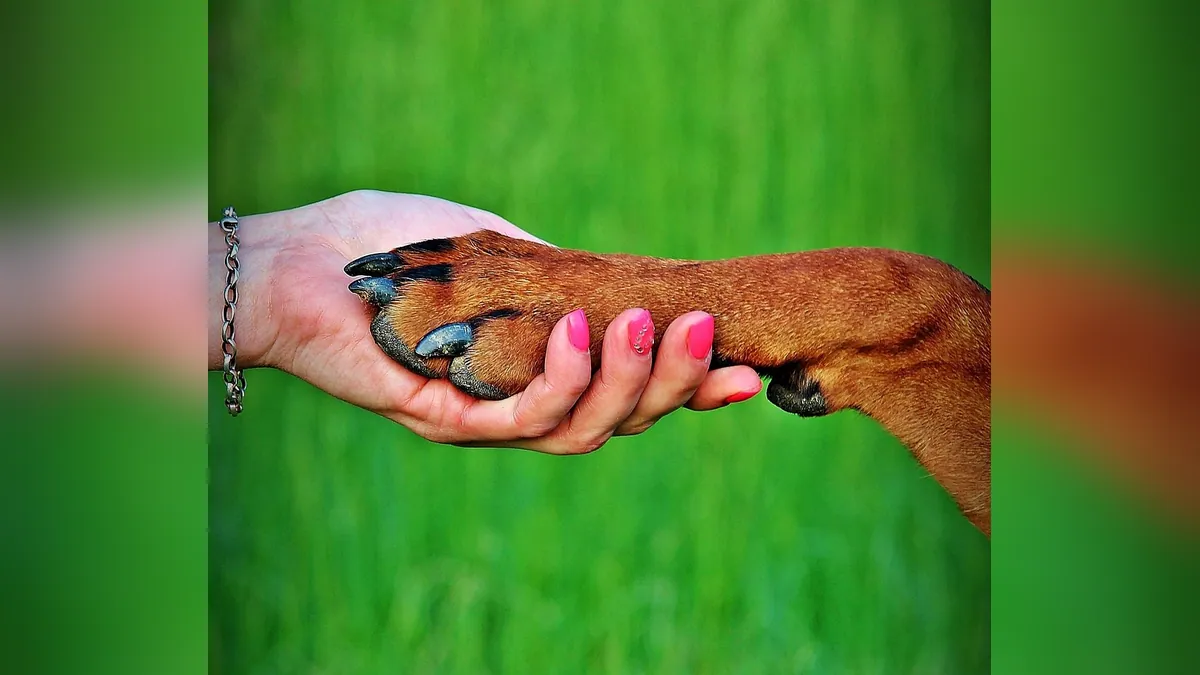
An interdigital cyst in dogs treatment plan almost always starts with one question: what is driving the swelling between the toes? These bumps are usually not true cysts at all. They are painful, infected nodules caused by hair pushed into the skin, allergies, or bacteria, and they need both a trigger fix and direct treatment of the lesion [1][2].
This article is educational and is not a substitute for veterinary diagnosis or treatment.
Quick Answer
- What owners call an "interdigital cyst" is a deep infection called an interdigital furuncle, and it is almost never a real cyst [1].
- The most common driver is a deep bacterial infection, often set off by short, bristly hairs that get pushed backward into the hair follicles while your dog walks [2].
- These lesions hurt. They are painful nodules, not harmless bumps, so licking and limping are expected signs [1].
- Treatment usually combines topical antimicrobials with oral antibiotics for 3 to 6 weeks when the infection is severe [1].
- If the bumps keep coming back, the real problem is often an underlying trigger such as allergies or paw conformation, and that trigger has to be identified [1].
What Is an Interdigital Cyst in Dogs?
The medical term is interdigital furunculosis. A furuncle is a deep infection of a hair follicle and the tissue around it, similar to a severely infected pimple or boil [2]. In dogs, these form in the webbing between the toes, which is why owners describe them as an interdigital cyst in dogs paw tissue [2].
Here is the part that surprises many owners. Even though everyone calls them cysts, these lesions are almost never cystic [1]. When a veterinarian looks at the tissue under a microscope, they see nodular pyogranulomatous inflammation, which is a mix of pus and inflammatory cells [1]. A true cyst has a fluid or keratin-filled cavity with a lining. These bumps do not.
That distinction matters for treatment. A cyst might be drained or removed. An interdigital furuncle needs antimicrobial therapy and control of the underlying cause, because the infection runs deep and keeps feeding itself [1].
Interdigital Cyst Symptoms in Dogs: What You Will Notice
The bump itself
You will usually find a firm, red, swollen nodule in the webbing between two toes. There may be one, or several across different paws [1]. The skin over it can look shiny, dark, or crusted. Sometimes it opens and drains pus or blood.
The behavior changes
These lesions are painful [1]. A dog with an interdigital furuncle often:
- Licks the paw constantly, sometimes to the point of staining the fur
- Chews at the space between the toes
- Limps or refuses to put full weight on the paw
- Pulls the paw away when you touch the toes
- Becomes irritable when the feet are handled
The paw overall
The whole paw may look puffy, warm, and red. Fur between the toes can be matted or stained brown from saliva. If the problem has been going on a while, the nails and nail beds may also look abnormal.
If your dog's paw swells suddenly after a walk, a sting or a foreign object such as a foxtail can look very similar, so it helps to know why is my dog having swollen paw after walk? Bee Sting Foxtail and Interdigital Cyst.
What Causes Interdigital Cysts in Dogs?
Hair pushed into the skin
The leading cause is a deep bacterial infection that starts when short, bristly hairs on the webbing get forced backward into the hair follicles as the dog walks [2]. Once inside the skin, those hair shafts trigger intense inflammation, and bacteria move in behind them [2]. This is why breeds with short, stiff paw hair or heavy webbing, such as Chinese Shar-Peis, Labrador Retrievers, and English Bulldogs, are predisposed [2].
Foreign material
Less often, something from outside gets embedded in the skin, such as a splinter or a burr, and that becomes the seed of the infection [2].
Allergies
Allergic skin disease is a major underlying trigger for multifocal lesions [1]. When allergies make the paws itchy, the dog licks and chews, and that trauma damages the skin barrier and drives hairs deeper into the follicles. Interdigital dermatitis is a common and stubborn problem in dogs with atopic dermatitis [3].
Yeast overgrowth
The yeast Malassezia pachydermatis normally lives on dog skin. In pododermatitis, it can overgrow and act as an opportunistic pathogen, adding to the inflammation and itching [4]. Samples from affected interdigital spaces show higher yeast counts than samples from healthy dogs [4].
Environment and conformation
Flooring and moisture matter. In one assessment of dogs housed in commercial breeding facilities, wet paws were found in 12.6 percent of dogs, and wet paws were associated with higher odds of paw problems [5]. Matted paw fur also increased with age in that group [5]. Heavy webbing and a broad paw shape trap moisture and create friction, which sets the stage for these lesions [1][2].
Other causes
Rarely, a cyst-like lesion in the toe can involve bone. An intraosseous epidermoid cyst has been reported in a dog with atopic dermatitis and chronic pododermatitis, and it had to be distinguished from malignant tumors of the digit [6]. This is uncommon, but it is one reason a lump that does not respond to treatment needs a closer look.
If you are trying to sort out a lump on the paw from other skin bumps, this guide on why is my dog having lumps on skin? Lipoma vs Mast Cell vs Cyst Diagnosis covers how veterinarians tell them apart.
How Veterinarians Diagnose Interdigital Furunculosis
Diagnosis is not just looking at the bump. Your veterinarian will want to know what is growing inside it and what is driving it.
| Test | What it looks for |
|---|---|
| Cytology | Bacteria, inflammatory cells, and yeast such as Malassezia [1][4] |
| Hair trichogram | Abnormal hair shafts that may be embedding in the skin [1] |
| Culture and susceptibility | Which bacteria are present and which antibiotics will work [1] |
| Skin biopsy | Confirms deep pyoderma and rules out other nodular diseases [1] |
| Radiographs | Used less often, to check the bone when a lesion is severe or atypical [1] |
Your veterinarian may also ask about diet, seasonality, licking habits, flooring, and whether the problem started after a walk in tall grass. Those details point toward allergy, foreign body, or environment.
Interdigital Cyst in Dogs Treatment Options
Treatment has two halves. One half treats the lesion you can see. The other half treats the reason it formed.
Topical antimicrobial treatment
Topical therapy is a core part of management, and it is used along with systemic treatment when lesions are severe [1]. Depending on your dog, this may mean medicated shampoos, sprays, wipes, or paw soaks. Your veterinarian will choose the product based on what the cytology shows. Follow the contact time on the label, because a quick rinse does not do the job.
Systemic antibiotics
When the infection is deep or widespread, oral antibiotics are added to the topical plan [1]. These lesions need aggressive, long-term treatment, typically 3 to 6 weeks [1]. Stopping early is one of the most common reasons the bumps come right back. Give the full course exactly as prescribed.
Your veterinarian calculates the dose from your dog's weight and health, so never use leftover antibiotics from a previous illness or from another pet.
Treating yeast
If cytology shows Malassezia overgrowth, that yeast needs its own treatment [4]. Yeast and bacteria often travel together, and treating only one leaves the itch and inflammation in place.
Allergy management
When allergies are the trigger, controlling the allergy is what stops the cycle [1]. That may involve prescription allergy medication, a hypoallergenic diet trial, or immunotherapy. Interdigital dermatitis in atopic dogs can be stubborn, and newer options are being studied. Localized cryotherapy applied to the interdigital spaces improved redness and severity scores in dogs with atopic interdigital dermatitis in one trial [3]. Ask your veterinarian whether your dog is a candidate for any newer approach.
Procedures for stubborn cases
When chronic interdigital follicular cysts do not respond to multimodal medical management, surgery is an option. A procedure called fusion podoplasty has been used in these refractory cases, and in a review of 16 paws, all healed after surgery [7]. This is a referral-level decision, not a first step.
Home care that helps
- Keep the paws dry. Wet webbing softens skin and worsens friction [5].
- Clip the hair between the pads if your veterinarian recommends it, since matted fur traps moisture [5].
- Use an Elizabethan collar or a cone if your dog will not stop licking.
- Rinse and dry paws after walks in grass, mud, or snow.
- Do not squeeze, lance, or pop the bump at home. You can push infection deeper and cause more pain.
Recovery, Outlook, and Long-Term Management
A single lesion that gets proper treatment often improves within the first couple of weeks, but the full course runs 3 to 6 weeks [1]. Do not judge success by how the paw looks on day five.
Multifocal lesions are a different story. When bumps appear on several toes or several paws, the outlook depends on whether the underlying trigger can be controlled [1]. If allergies are the driver and they are managed well, flare-ups become less frequent and less severe. If the trigger is never identified, the lesions tend to return.
Some dogs need ongoing maintenance, such as regular medicated paw wipes, routine drying after outdoor time, and periodic rechecks. Your veterinarian may want to recheck cytology before stopping treatment, because infection can persist under skin that looks normal.
Prevention
You cannot prevent every case, but you can lower the odds.
- Dry the paws after every walk in wet conditions. Moisture is a known risk factor for paw problems [5].
- Keep interdigital hair trimmed if your dog has thick or matted fur between the pads [5].
- Manage allergies aggressively instead of waiting for the paws to flare.
- Control licking early. A few days of licking can turn a small itch into a deep infection.
- Check the paws weekly. Run your fingers between each pair of toes so you catch a small bump before it becomes a large one.
- Avoid rough or abrasive flooring for long periods if your dog is prone to paw problems [5].
Limitations and When to Contact a Veterinarian
No article can tell you what is growing in your dog's paw. Individual cases need a veterinarian who can examine the lesion, run cytology, and look at the whole dog.
Contact your veterinarian the same day if:
- Your dog is limping badly or will not bear weight
- The bump is rapidly getting bigger
- You see pus, blood, or an open draining wound
- Your dog has a fever, is lethargic, or is not eating
Go to an emergency clinic now if:
- The swelling spreads up the leg
- The paw is cold, pale, or has a foul smell
- Your dog is in severe pain or crying when the foot is touched
- You see swelling of the face, hives, or trouble breathing after a walk, which can signal a severe allergic reaction
Schedule a routine visit if:
- A bump between the toes has been there more than a few days
- Your dog keeps licking one paw
- Bumps have come back after a previous round of treatment
- You notice similar bumps on other paws
Frequently Asked Questions
Do interdigital cysts hurt dogs?
Yes, these lesions are painful. They are areas of deep inflammation and infection in the webbing, and dogs often limp, lick, or pull the paw away when it is touched [1]. If your dog is showing pain, that is a sign to get the paw checked instead of wait.
Can an interdigital cyst go away on its own?
Small lesions sometimes improve, but deep infections usually need treatment. Because these are deep pyoderma lesions that require aggressive long-term therapy, waiting often lets the problem spread to other toes [1]. Early treatment is simpler and less expensive than treating a chronic case.
Is it contagious to my other pets or to me?
Interdigital furunculosis is not a contagious condition that passes between pets or to people. It starts from the dog's own hair shafts, bacteria on the skin, and underlying triggers such as allergies [1][2]. That said, if one dog in the house has allergies, others may too, so watch their paws as well.
Should I pop or drain the bump myself?
No. Do not squeeze, lance, or open the lesion at home. These are deep infections, and manipulating them can push bacteria and hair deeper into the tissue and increase pain [1]. Let your veterinarian decide whether any drainage or procedure is needed.
Will my dog need antibiotics forever?
Most dogs do not. A typical course runs 3 to 6 weeks, and the goal is to resolve the infection and then control the underlying trigger [1]. Some dogs with allergies need long-term allergy management, but that is different from staying on antibiotics indefinitely.
Can I use human antibiotic ointment on my dog's paw?
Do not use human medications on your dog's paw without asking your veterinarian first. The right product depends on whether bacteria, yeast, or both are involved, and some human products are toxic to dogs if licked off [4]. Your veterinarian can recommend a pet-safe topical that matches your dog's cytology results.
Related Articles
- Why Is My Dog having swollen paw after walk? Bee Sting Foxtail and Interdigital Cyst
- Signs Of Pancreatitis In Dogs
- Giardia in Dogs: Cyst Shedding Diagnosis and Treatment Protocol
- Why Is My Dog having lumps on skin? Lipoma vs Mast Cell vs Cyst Diagnosis
- Dog Follicular Cyst: Comprehensive Veterinary Reference Guide
- Dog Nail Infection: Signs, Causes, and Treatment
- How to Treat Dog Interdigital Cysts at Home
- Dog Cyst on the Leg or Joint: Causes and Treatment
- Dog Cyst Draining: What Vets Do and When It Is Needed
References
- Interdigital Furunculosis in Dogs - Integumentary System. Merck Veterinary Manual.
- Abscesses Between the Toes (Interdigital Furunculosis) in Dogs - Dog Owners. Merck Veterinary Manual.
- Effect of localized cryotherapy on interdigital pruritus of dogs with canine atopic dermatitis. Journal of veterinary science, 2025.
- Study of the variation of the Malassezia load in the interdigital fold of dogs with pododermatitis. Veterinary research communications, 2023.
- A cross-sectional study to investigate associations between flooring substrates and prevalence of limb and paw abnormalities of dogs housed in commercial breeding facilities. Frontiers in veterinary science, 2025.
- Intraosseous epidermoid cyst in the digit of an atopic dog with chronic pododermatitis: case report. Brazilian journal of veterinary medicine, 2026.
- Fusion podoplasty provides favorable long-term outcomes in dogs with interdigital follicular cysts unresponsive to medical therapy: a retrospective study of 16 cases. American journal of veterinary research, 2026.