Interdigital Cyst in Cats: Treatment and Home Care
By Dr. Zubair Khalid, DVM, MS, PhD ·
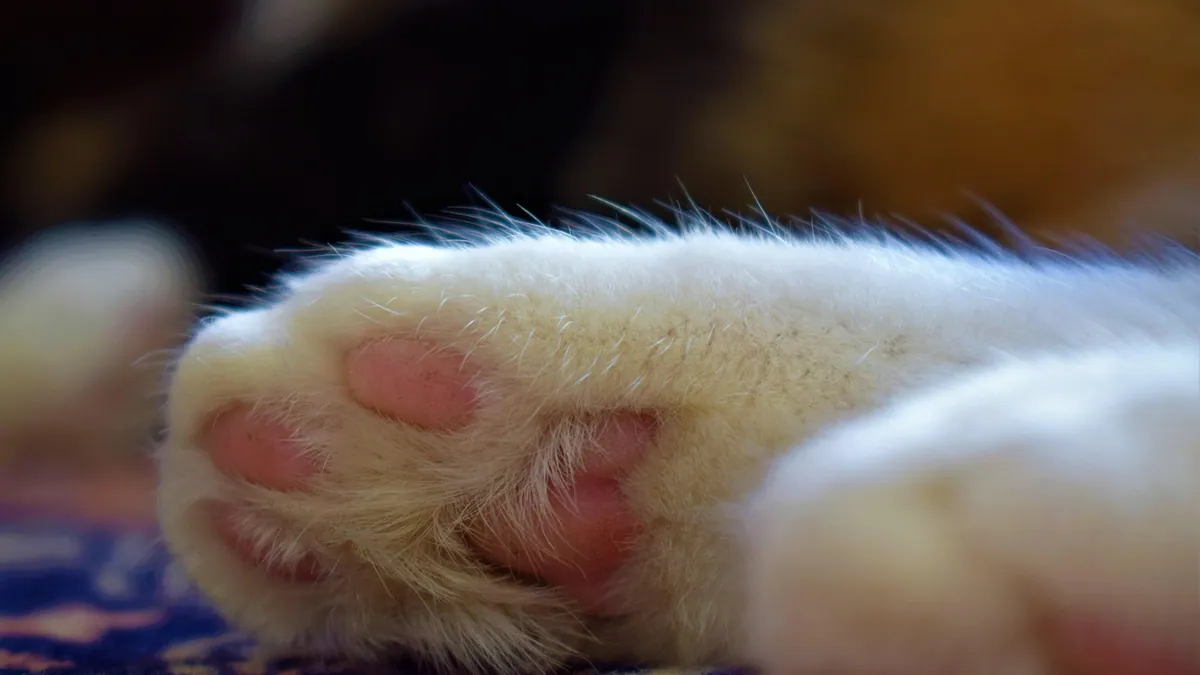
Interdigital cyst cat treatment usually starts with a veterinary exam to find the trigger, because these painful lumps between the toes are almost never true cysts. Most are deep infections or inflamed nodules caused by bacteria, allergies, or embedded debris. Home care supports the paws, but it does not replace diagnosis and prescription treatment.
This article is educational and is not a substitute for veterinary diagnosis or treatment.
Quick Answer
- A lump between your cat's toes is more accurately called an interdigital furuncle or nodule, a painful area of deep inflammation that is almost never a true cyst [1].
- Common triggers include allergies, embedded foreign material like hair shafts or silica cat litter, and skin infections [1][2].
- Diagnosis often involves cytology, skin scrapings, hair evaluation, and sometimes culture or biopsy, not just a visual look [1][3].
- Treatment usually combines topical antimicrobial care with systemic antibiotics for severe cases, and lesions often need 3 to 6 weeks of aggressive treatment [1].
- Home care means keeping the paw clean and dry, stopping licking, and following your vet's plan exactly, since stopping early lets the problem return.
What Is an Interdigital Cyst in Cats?
An interdigital cyst is a lump that forms in the webbing between a cat's toes. The name is a little misleading. In dogs, veterinarians describe these lesions as interdigital furuncles, which are areas of deep pyoderma and are often incorrectly called cysts [1]. When tissue from these lesions is examined under a microscope, it shows nodular pyogranulomatous inflammation, meaning a mix of inflammatory cells, and the lesions are almost never cystic [1].
In cats, the same general problem shows up as swelling, nodules, or draining sores between the toes and on the paw pads. One study of paw biopsies from 13 cats found chronic or intermittent paw pad swelling, ulceration, bleeding, or draining tracts, especially on the front paws [2]. So when you see a "cat paw cyst between toes," you are usually looking at inflamed tissue, not a fluid-filled sac.
The practical point is simple. These lumps hurt. A cat with an interdigital problem may limp, lick constantly, or refuse to let you touch the paw.
Signs Owners Notice
Cats hide discomfort well, so paw problems often show up as behavior changes first. Watch for these signs.
- A visible lump, swelling, or red area between the toes or on a paw pad
- Limping or shifting weight off one paw
- Constant licking or chewing at the paw
- A moist, weeping, or crusty spot that will not heal
- Bleeding or a draining tract from the paw [2]
- Foul odor from the paw
- Reluctance to jump, walk, or have the paw handled
- Hair loss or dark staining around the affected toes
Some cats also develop crusty pododermatitis, which means crusting and inflammation of the paws, as part of a broader skin condition [3]. If your cat has crusts on the ears, nose, or tail along with paw lesions, that pattern points toward a skin-wide problem instead of a single injured toe.
Causes and Risk Factors
An interdigital cyst in a cat is a reaction, not a disease by itself. Something irritates or infects the skin between the toes, and the body responds with deep inflammation. Common triggers include the following.
Allergies
Allergic skin disease is a leading reason these lesions become multifocal, meaning they appear on more than one paw [1]. Environmental allergens, food ingredients, and flea bites can all drive itching and inflammation that damages the skin barrier between the toes.
Foreign Bodies and Embedded Material
Foreign body reactions prolong infection. Embedded hair shafts are a well-known trigger in dogs, and the same principle applies to cats [1]. A study of paw biopsies from cats found silica-containing material inside inflamed tissue, and the material matched silica-based cat litter on spectral analysis [2]. Ten of those 13 biopsies also showed evidence of plasma cell pododermatitis, a separate inflammatory paw condition [2]. This suggests that litter particles can work their way into paw tissue and keep inflammation going.
Infections
Bacterial infection is common in these lesions, and deep infections often need systemic treatment [1]. Parasites can also cause paw disease. Sarcoptic mange, which is rare in cats, caused crusty pododermatitis in three of five affected cats in one case series [3]. Fungal infections such as ringworm can also affect the paws, so if your cat has circular hair loss or scaly patches along with paw trouble, see our guide to Ringworm Treatment For Cats At Home.
Conformation and Paw Shape
Body structure plays a role in dogs, and it can matter in cats too [1]. Extra skin folds, splayed toes, or a heavy build can trap moisture and debris between the toes.
Irritants and Trauma
Stepping on sharp litter, hot pavement, rough ground, or a splinter can start the cycle. Once the skin is broken, bacteria move in and inflammation deepens.
How It Is Diagnosed
Your veterinarian will not rely on appearance alone, because many paw conditions look alike. Expect a stepwise approach.
Physical and Paw Exam
The vet examines all four paws, checks for symmetry, feels for nodules, and looks for draining tracts. They also check the rest of the skin, ears, and coat for clues about allergies or parasites.
Skin Testing
Cytology (examining cells from the lesion) helps identify bacteria and inflammatory cells. Deep skin scrapings can find mites such as Sarcoptes scabiei, which was diagnosed this way in affected cats [3]. A hair trichogram evaluates hair shafts and can reveal embedded hair that keeps infection alive [1].
Culture and Sensitivity
When infection is deep or not responding, your vet may send a sample for bacterial culture and susceptibility testing to choose the right antibiotic [1]. This matters because resistant bacteria exist. One report described a cat with a Staphylococcus pseudintermedius infection resistant to benzylpenicillin that required a specific antibiotic after surgery [4].
Biopsy and Imaging
Skin biopsy may be needed in some cases, and radiographs are used less often [1]. Biopsy is especially useful when silica granulomas or plasma cell pododermatitis are suspected, since those are confirmed by tissue examination [2].
| Diagnostic Test | What It Looks For | Why It Matters |
|---|---|---|
| Cytology | Bacteria, inflammatory cells | Guides antibiotic choice |
| Deep skin scraping | Mites such as Sarcoptes | Finds parasitic causes [3] |
| Hair trichogram | Embedded hair shafts | Explains ongoing infection [1] |
| Culture and sensitivity | Specific bacteria and drug resistance | Prevents treatment failure [1][4] |
| Skin biopsy | Silica granulomas, plasma cell pododermatitis, deep inflammation | Confirms hard-to-treat causes [1][2] |
Interdigital Cyst Cat Treatment Options
Treatment depends on the trigger, the depth of infection, and how many paws are involved. Your veterinarian sets the plan, and the dose of any medication is calculated from your cat's weight and health status.
Topical Antimicrobial Treatment
Topical therapy is a core part of care. Lesions are treated with topical antimicrobial treatment, and severe cases also need systemic antimicrobials [1]. Topicals may include medicated shampoos, sprays, wipes, or ointments. Some cats need the hair around the lesion clipped so the product reaches the skin.
Systemic Antibiotics
When infection is deep, oral antibiotics are added [1]. A common question is whether an interdigital cyst in a cat needs antibiotics. The answer depends on whether bacteria are involved and how deep the infection goes. Your vet may choose to culture first, since resistant bacteria can require a different drug [4]. Never use leftover antibiotics from another pet or a previous illness.
Treating the Underlying Trigger
If allergies are driving the problem, they need their own plan, which may include flea control, diet changes, or allergy medication. If a foreign body is embedded, it may need to be removed. If mites are present, targeted antiparasitic treatment is used. In one case series, five cats with sarcoptic mange improved after the first application of a spot-on product and reached clinical remission after the third application, given every 2 weeks for three applications [3].
Pain Control and Paw Protection
These lesions are painful. Your vet may prescribe pain medication and recommend a soft bandage or boot to protect the paw during healing. A cone or soft collar prevents licking, which is often the biggest obstacle to recovery.
When Surgery Is Considered
Surgery is uncommon for simple cases. It may be considered when a nodule will not resolve, when a deep mass needs removal, or when a foreign body must be extracted. In one report, a cat with a resistant Staphylococcus pseudintermedius infection recovered fully after splenectomy and a 4-week course of pradofloxacin at 5 mg/kg given by mouth every 24 hours [4]. That case involved the spleen, not the paw, but it shows how deep infections sometimes need surgical and long-term antibiotic management.
Recovery, Outlook, and Long-Term Management
Expect a slow recovery. Lesions need aggressive long-term treatment lasting 3 to 6 weeks [1]. Many owners stop too early because the paw looks better after a week. Stopping early allows the infection to return, often worse.
What Recovery Looks Like
- Week 1: less licking, less limping, reduced redness
- Weeks 2 to 3: lump shrinks, drainage stops
- Weeks 3 to 6: skin normalizes, hair regrows
- After treatment: monitor for recurrence, especially if allergies are the trigger
Long-Term Management
If the cause is allergic skin disease, the problem can flare for life. Keep up flea prevention, follow the allergy plan, and check the paws weekly. If silica litter contributed to the problem, your vet may suggest switching to a different litter substrate, since silica particles were found inside inflamed paw tissue in affected cats [2]. If ringworm was part of the picture, our guides on How To Treat Ringworm At Home In Cats and How Do You Treat Ringworm In Cats At Home cover home steps.
Prevention
You cannot prevent every paw problem, but you can lower the odds.
- Keep the fur between the toes trimmed if your vet recommends it
- Dry paws after baths, rain, or swimming
- Use litter that does not crumble into sharp or dusty particles
- Control fleas year-round if your cat has allergies
- Check paws weekly for redness, swelling, or licking
- Treat any skin infection promptly instead of waiting
- Keep your cat at a healthy weight to reduce pressure on the paws
- Avoid rough surfaces and hot pavement
Limitations and When to Contact a Veterinarian
Home care has limits. You can clean and protect the paw, but you cannot diagnose the cause or prescribe the right antibiotic. Every individual case needs a veterinarian to confirm what is happening and set treatment.
Contact your veterinarian the same day if you notice:
- A new lump or swelling between the toes
- Limping that lasts more than 24 hours
- Licking or chewing that leaves the paw raw
- Mild drainage or crusting
Go to an emergency clinic now if you see:
- Heavy bleeding that will not stop
- A deep cut, exposed tissue, or a foreign object stuck in the paw
- Sudden severe swelling with fever, lethargy, or refusal to eat
- A paw that is hot, swollen, and extremely painful to touch
- Trouble walking on more than one leg
Schedule a routine visit if the problem keeps coming back, if multiple paws are involved, or if your cat has a history of allergies. Recurring lesions often mean an underlying trigger has not been found yet [1].
Frequently Asked Questions
Is an interdigital cyst in a cat the same as a cyst in a dog?
It is essentially the same type of lesion, and the name is misleading in both species. These are deep areas of inflammation called furuncles, and they are almost never true cysts when examined under a microscope [1].
Can I treat my cat's paw lump at home without a vet visit?
You can provide supportive care, but you cannot treat the cause at home. Topical cleaning and licking prevention help, yet deep infections need prescription treatment, and lesions often require weeks of therapy [1].
Does my cat need antibiotics for a paw lump between the toes?
Not always. Antibiotics are used when bacterial infection is confirmed or strongly suspected, and severe lesions often need both topical and systemic antimicrobials [1]. Your vet decides based on exam findings and testing.
Will the lump go away on its own?
Some mild lesions improve, but deep ones usually worsen without treatment. Because these lesions need aggressive long-term treatment, waiting can let the infection spread deeper into the paw [1].
Can cat litter cause paw problems?
It can contribute in some cats. Silica particles from clay-based litter were found inside inflamed paw tissue in affected cats, and most of those biopsies also showed plasma cell pododermatitis [2]. If your cat has repeated paw trouble, ask your vet about litter choices.
Related Articles
- Ringworm Treatment For Cats At Home
- How To Treat Ringworm At Home In Cats
- How To Treat Ringworm In A Cat At Home
- How Do You Treat Ringworm In Cats At Home
- How To Treat Ringworm At Home Cats
- How To Treat Cats With Ringworm At Home
- Cat Cyst: How to Treat It and What to Do Next
- Cat Cyst Draining: What It Involves and When It's Needed
- Lump or Cyst on a Cat's Eyelid: What to Do
References
- Interdigital Furunculosis in Dogs - Integumentary System. Merck Veterinary Manual.
- Cutaneous silica-associated (cat litter) granulomas in the paws of 13 domestic cats. Veterinary pathology, 2026.
- Feline sarcoptic mange in Taiwan: a case series of five cats. Veterinary dermatology, 2013.
- Successful Management of Septic Splenitis in an Abyssinian Cat. Veterinary medicine and science, 2026.