Razor Burns on Dogs: How to Treat and Prevent Them
By Dr. Zubair Khalid, DVM, MS, PhD ·
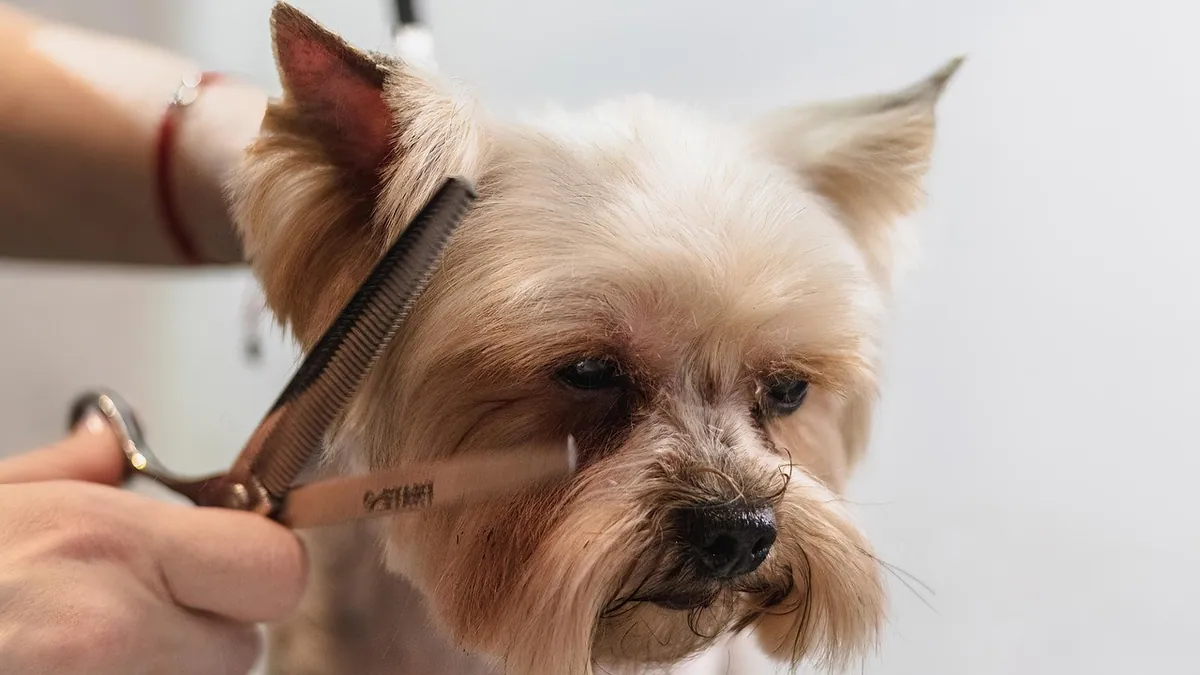
Razor burns in dogs are skin injuries caused by clippers or blades that get too hot, drag against the skin, or cut too close. Most mild cases heal at home with gentle cleaning and a barrier ointment, but deeper burns need a veterinarian. This article is educational and is not a substitute for veterinary diagnosis or treatment.
Quick Answer
- Stop grooming at the first sign of redness or your dog flinching, and rinse the area with cool water.
- Clean gently with a diluted medicated shampoo or saline, then pat dry. Do not scrub.
- Apply a thin layer of a pet-safe ointment and keep your dog from licking it off.
- Call your vet if you see open sores, oozing, swelling, or your dog seems painful.
- Prevent clipper burn by using sharp blades, cooling them often, and taking breaks.
What Razor Burns in Dogs Actually Are
A razor burn is damage to the top layers of the skin. It happens when a clipper blade or razor pulls, scrapes, or overheats against your dog's skin. The result is irritation that looks like a red, angry patch.
Groomers often call this clipper burn. The terms overlap, and owners use them interchangeably. The injury can range from mild redness to raw, oozing skin.
In one reported case, a dog developed a skin reaction confined to an area of clipper burn, which shows that these injuries can trigger more than simple irritation in some dogs [1]. That is uncommon, but it is a reminder that clipper burn is a real skin injury, not just a cosmetic problem.
Signs of Razor Burn on Dog After Grooming
Most signs show up within hours of a grooming session. You may notice them when you get home or the next morning.
What you will see
- Red, pink, or inflamed patches, often on the belly, groin, armpits, neck, or rear
- Skin that looks scraped, shiny, or slightly swollen
- Small bumps, scabs, or flaking
- Moist or oozing areas in more serious burns
What you will notice in your dog
- Licking, chewing, or scratching at the spot
- Flinching when you touch the area
- Restlessness or trouble settling
- Reluctance to be handled or picked up
Licking makes everything worse. A minor burn can turn into a hot spot or a skin infection once your dog starts gnawing at it. If licking is already a problem, see our guide to a dog hot spot on the paw.
Causes and Risk Factors for Clipper Burn on Dogs
Clipper burn has a few common triggers. Knowing them helps you prevent the next one.
Heat
Blades heat up as they run. A hot blade pressed against thin skin causes a burn in seconds. This is the most common cause.
Dull or dirty blades
Dull blades tug at hair instead of cutting it. That pulling drags the blade against the skin and irritates it.
Cutting too close
Shaving down to the skin removes the protective coat and leaves skin exposed. Thin-skinned areas like the groin and armpits burn fastest.
Matted coats
Groomers sometimes have to work close to the skin to remove mats. That raises the risk of nicks and burns.
Sensitive or already irritated skin
Dogs with allergies, hot spots, or ongoing skin disease have a lower threshold for injury. If your dog already has a hot spot on the face, grooming near that area can make it worse.
Chemical exposure
Some skin injuries that look like burns come from contact with irritating substances. In dogs exposed to a calcium chloride landscaping product, contact dermatitis with eroded and ulcerated plaques appeared within 24 hours [2]. If your dog walked through or rolled in a chemical, rinse the skin and call your vet or a poison control hotline.
How Veterinarians Diagnose Razor Burns in Dogs
Most clipper burns are diagnosed by history and appearance. Your vet will ask when the grooming happened and what products were used.
The exam focuses on how deep the injury goes. Superficial redness is different from an open, oozing wound. Your vet checks for signs of infection, such as pus, odor, or spreading redness.
If the skin looks unusual or does not improve with basic care, your vet may test for a secondary infection. Superficial bacterial skin infections (pyoderma) are common in dogs and are often treated with topical products instead of oral antibiotics [3]. In rare cases, a skin reaction around a clipper burn area may need a biopsy to identify the cause [1].
How to Treat Dog Razor Burn at Home
Mild redness with no open skin can often be managed at home. The goal is to calm the skin, prevent infection, and stop your dog from licking.
Step 1: Cool the area
Rinse with cool water for a few minutes. This lowers surface heat and soothes the skin. Pat dry with a clean towel. Do not rub.
Step 2: Clean gently
Use a diluted medicated shampoo or plain saline on a soft cloth. Medicated shampoos should be diluted in water before use, typically 1 part shampoo to 3 or 4 parts water, which helps rinse them out and reduces irritation [4]. Wipe once, then rinse.
Do not scrub. Do not pick at scabs.
Step 3: Apply a thin layer of ointment
Local ointments, gels, and sprays should be used sparingly so your dog does not lick off excessive amounts [4]. Ask your vet which product is safe for the area. Some human products sting or are toxic if swallowed.
Step 4: Block the licking
An Elizabethan collar or a soft recovery cone is the single most useful tool here. If your dog will not tolerate a cone, ask your vet about a protective garment.
Step 5: Keep it clean and dry
Check the area twice a day. Keep it dry. Moisture plus licking invites infection.
What not to do
- Do not apply alcohol, hydrogen peroxide, or human antibiotic creams without veterinary guidance.
- Do not bandage tightly. A tight bandage traps moisture and can cut off circulation.
- Do not shave the area again until it is fully healed.
If the burn is deeper than surface redness, or if you are unsure, treat it like any other burn and get veterinary advice. Our articles on how to treat a dog's burn at home and minor dog burns at home walk through first aid steps in more detail.
Treatment Options Your Veterinarian May Use
For burns that are open, infected, or painful, your vet will take over. Treatment depends on depth and infection status.
Topical therapy
Topical treatment is often the first choice for superficial skin infections in dogs. Chlorhexidine, sodium hypochlorite, benzoyl peroxide, and ethyl lactate are commonly used, and chlorhexidine has the strongest antibacterial effect [3]. Topical therapy can also support the skin barrier and improve comfort, especially in allergic dogs [3].
Wound care products
Some wound dressings and topical agents are used to support healing. In one study, polyhexamethylene biguanide dressings did not show superior healing compared with simple saline cleaning and gauze in clean surgical wounds [5]. That does not mean these products are useless, but it does mean simple, consistent wound care matters a great deal.
Advanced options
Topical oxygen therapy combined with hyaluronic acid improved wound healing scores in dogs and cats with open wounds in one study [6]. Your vet may consider advanced options for slow-healing wounds.
Systemic medication
Some skin disorders need whole-body treatment. These include antibiotics, antifungals, antihistamines, corticosteroids, and other anti-inflammatory drugs [4]. Your veterinarian decides whether your dog needs one and calculates the dose based on your dog's weight and health.
Pain control
Burns hurt. If your dog is flinching, pacing, or not eating, tell your vet. Pain management is part of good burn care.
| Situation | What it usually needs | Who treats it |
|---|---|---|
| Mild redness, no broken skin | Cool rinse, gentle cleaning, barrier ointment, cone | You, at home |
| Redness with small scabs or bumps | Cleaning plus vet-recommended topical product | You with vet guidance |
| Open, oozing, or swollen skin | Exam, topical or oral medication, pain control | Veterinarian |
| Spreading redness, pus, odor, fever | Same-day exam, possible culture and antibiotics | Veterinarian |
| Large or deep burn | Urgent care, wound management, bandaging | Veterinarian |
Recovery, Outlook, and Long-Term Management
Most mild clipper burns improve within a few days to a week with gentle care. Deeper burns take longer and may leave a bald patch while the hair regrows.
Watch for these during recovery:
- Redness that spreads beyond the original spot
- New swelling, warmth, or a bad smell
- Pus or yellow crusting
- Your dog acting painful, lethargic, or off food
Any of these means the burn is infected or getting worse. Call your vet.
Some dogs develop a habit of licking the area long after the skin heals. That can create a hot spot. If licking continues, ask your vet about underlying allergies or anxiety. Our guide on how to treat a dog's hot spot at home covers that cycle.
If your dog has repeated grooming injuries, consider whether the coat length or grooming schedule needs to change. Some dogs do better with scissors work or a longer clip.
How to Prevent Razor Burns and Clipper Burn on Dogs
Prevention is mostly about blade care and pacing.
Before grooming
- Bathe and dry your dog first. Clean coat cuts faster and creates less drag.
- Brush out mats before clipping. Never force a blade through a mat.
- Check that blades are sharp and clean.
- Have coolant spray or a second cool blade ready.
During grooming
- Take breaks every few minutes to let blades cool.
- Test the blade against your inner wrist before it touches your dog.
- Use a guard comb on thin-skinned areas like the belly, groin, and armpits.
- Keep the blade flat and moving. Do not press down or hold it in one spot.
- Stop if your dog flinches, pulls away, or yelps.
After grooming
- Check the skin in the groin, armpits, belly, and neck.
- Rinse off loose hair and wipe the skin with a damp cloth.
- Watch for licking for the next 24 hours.
If you groom at home
Go slow. Most home grooming injuries come from rushing, dull blades, or trying to fix a bad clip by going shorter. If your dog's coat is badly matted, a professional groomer or your vet can help.
Limitations and When to Contact a Veterinarian
Home care works for mild, surface-level redness. It does not work for open wounds, and it can delay treatment if you guess wrong. Every case is different, and your dog needs a veterinarian to assess burns that are more than skin-deep.
Call your veterinarian the same day if you see:
- Open skin, oozing, or bleeding
- Swelling, warmth, or a bad smell
- Redness that is spreading
- Your dog crying, flinching, or refusing to be touched
- Licking that will not stop even with a cone
Go to an emergency clinic now if:
- The burn covers a large area of the body
- Your dog is weak, collapsed, or breathing hard
- You suspect a chemical burn from a product like calcium chloride [2]
- Your dog is in severe pain or cannot stand
Call a poison control hotline if:
- You think your dog licked or absorbed a toxic substance. The ASPCA Animal Poison Control Center is (888) 426-4435 and the Pet Poison Helpline is (855) 764-7661. Fees may apply.
Routine visit if:
- The burn is mild but not improving after 3 to 5 days
- The area keeps getting reinjured at each grooming
- Your dog has repeated skin infections
Frequently Asked Questions
How long does razor burn on a dog take to heal?
Mild clipper burn usually improves within a few days and is largely healed within a week. Deeper burns take longer and may need veterinary treatment. If the skin is not clearly better after 3 to 5 days of home care, call your vet.
Can I put Neosporin on my dog's razor burn?
Do not use human antibiotic ointments without asking your vet first. Some ingredients are not safe if your dog licks them off, and ointments should be applied sparingly for that reason [4]. Your vet can recommend a pet-safe product for the area.
Is clipper burn the same as razor burn in dogs?
Yes, owners and groomers use the terms for the same injury. Both describe skin damage from clippers or blades that are hot, dull, or cutting too close. The treatment and prevention steps are the same.
Should I let my dog lick a razor burn?
No. Licking adds bacteria, keeps the skin wet, and turns a minor burn into an infected sore or hot spot. Use a cone or recovery collar until the skin is fully healed.
Will the hair grow back after clipper burn?
In most mild cases, the hair grows back normally once the skin heals. Deeper burns that damage hair follicles can leave a permanent bald patch. Your veterinarian can tell you what to expect based on how deep the injury is.
Related Articles
- Dog Hot Spot on Face: How to Treat and Prevent
- How to Treat a Dog's Burn at Home: First Aid and When to See the Vet
- How to Treat Minor Dog Burns at Home and When to See a Vet
- Dog Hot Spot on Paw: How to Treat and Prevent Licking
- How Do You Treat A Dog's Hot Spot At Home
- Dog Ear Infection with Itching: How to Stop the Scratching
- Burns in Dogs and Cats: First Aid and Vet Care
- Paw Burns in Dogs: Signs, First Aid, and When to See a Vet
- Dog Skin Barrier Repair: Helping Damaged Skin Heal
References
- Localised erythema multiforme-like reaction confined to a region of clipper burn in a dog. Veterinary dermatology, 2022.
- Calcinosis cutis secondary to percutaneous penetration of calcium chloride in dogs. Journal of the American Veterinary Medical Association, 1987.
- Canine pyoderma: clinical presentation, diagnosis, and topical treatment - a review. Tierarztliche Praxis. Ausgabe K, Kleintiere/Heimtiere, 2026.
- Treatment of Skin Disorders in Dogs - Dog Owners. Merck Veterinary Manual.
- Use of polyhexamethylene biguanide on wound healing in dogs. Acta cirurgica brasileira, 2026.
- Topical oxygen therapy with hyaluronic acid improves wound healing in small animals. Journal of the American Veterinary Medical Association, 2026.