Probiotics for Cats With Allergies: Do They Reduce Itching?
By Dr. Zubair Khalid, DVM, MS, PhD ·
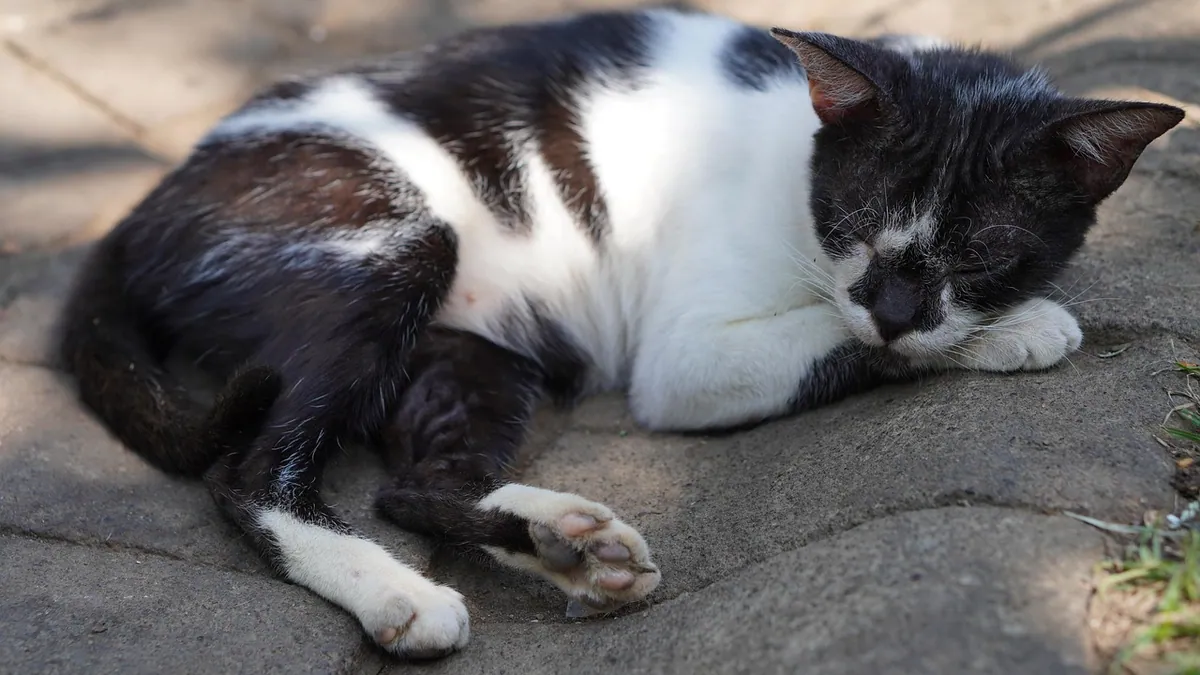
Probiotics for cats with allergies are unlikely to replace allergy medication or a proper diet trial. Current evidence shows probiotics can shift the gut microbiome and support digestive health, but there is no strong proof they reliably reduce itching in cats with skin or food allergies. This article is educational and is not a substitute for veterinary diagnosis or treatment.
Quick Answer
- Probiotics change the gut bacteria of cats and can support digestive health, but studies have not shown a consistent, reliable drop in itching from allergies [1][2].
- Feline allergic skin disease is diagnosed by your veterinarian, often after ruling out fleas, infections, and other causes of scratching [3][4].
- Food allergy is confirmed with a strict diet trial, not with a probiotic supplement.
- Probiotics are generally used as a supportive add-on, alongside prescription medication, allergen-specific immunotherapy, or a hypoallergenic diet [4][2].
- If your cat is intensely itchy, losing hair, or has open sores, book a veterinary visit before starting any supplement.
What Feline Allergies Actually Are
Cats can develop allergic skin disease when their immune system overreacts to something in their environment or their food. Feline atopic dermatitis is a condition marked by severe itching, redness, and swelling of the skin. Affected cats have an abnormal sensitivity to allergens they inhale or contact [3]. This is sometimes called feline atopic skin syndrome, or FASS.
The itching is the core problem. Cats respond to that itch by scratching, licking, and chewing, which then damages the skin. That damage leads to hair loss, scaling, crusts, and inflammation [3]. So the visible sores you see are often a consequence of the itch, not the allergy itself.
Some cats also have airway signs. Inflammation of the nasal passages and asthma can occur in about 15% of animals with airborne allergies [3]. That means a cat with skin allergies may also sneeze or wheeze.
Signs Owners Notice First
The earliest sign is usually a change in grooming. You may notice your cat licking one area much more than usual, or grooming in a way that seems constant. Over time, that turns into visible skin changes.
Common signs include:
- Small crusted bumps, often along the back or neck. This pattern is called miliary dermatitis and is one of the most common signs of feline atopic skin syndrome [4].
- Hair loss, scaling, and crusting from repeated scratching and licking [3].
- Red, swollen, or irritated skin.
- Hives or areas of swelling, which can appear within about 20 minutes of exposure to a trigger [5].
- Sneezing or a watery nasal discharge in cats with allergic rhinitis [5].
In longhaired cats, the small crusted bumps can be hard to see. You may only feel them when you run your hands over the coat [4].
Causes and Risk Factors
Allergies in cats fall into a few broad groups. Environmental allergies (atopy) come from things your cat inhales or contacts, such as pollen, mold, dust, or bedding materials [3][5]. Food allergies come from something in the diet. Insect bites, drugs, vaccines, and even sunlight can trigger hives or swelling in some cats [5].
Age matters. Feline atopy often starts before a cat turns 5 years old [3]. Breed may matter too. Purebred cats are more likely to be affected than domestic shorthair cats [3].
Seasonal patterns give clues. Some cats itch only during pollen season, while others itch year round. Nonseasonal signs may point to indoor triggers like molds, dander, bedding, or food [5].
How Veterinarians Diagnose Allergies in Cats
Diagnosis is a process of elimination, not a single test. Your veterinarian will first check for fleas, skin infections, and other conditions that cause itching. Those problems are common and treatable, and they can look almost identical to allergies.
For environmental allergies, intradermal allergy testing and allergen-specific immunotherapy are used in cats much like they are in dogs. However, reading intradermal test results in cats is harder because their reactions are less dramatic and fade more quickly [4]. Blood testing may be offered as an alternative, depending on your veterinarian.
Nasal allergies are diagnosed differently. Clues include eosinophils (a type of white blood cell) in nasal discharge, a good response to antihistamines, signs that disappear when the trigger is removed, and a seasonal pattern. Skin testing is not currently an accurate way to diagnose nasal allergies in animals [5].
Food allergy is confirmed with a diet trial. Your cat eats a strict limited-ingredient or hydrolyzed diet for a set period while all other foods, treats, and flavored medications are stopped. If the itching improves and then returns when the old food is reintroduced, food allergy is confirmed. For a detailed walkthrough, see Cat Food Allergies: Signs, Diagnosis, and Safe Diet Trials.
Do Probiotics for Cats With Allergies Reduce Itching?
This is the central question, and the honest answer is that the evidence is weak. Probiotics have real effects on the gut, but those effects have not been clearly linked to less itching in allergic cats.
What the research does show is that probiotics change the gut microbiome. In one study, cats given a complex probiotic blend had higher gut bacterial diversity and more beneficial microbes such as Clostridium, Bacteroides, Phocaeicola, and Ruminococcus. Levels of some opportunistic pathogens, including Escherichia and Corynebacterium, went down [1]. That is a meaningful shift in gut health.
Probiotics also support digestion and immune function. They can ease intestinal inflammation, balance gut bacteria, and reduce diarrhea. Some strains raise immunoglobulin levels, suppress inflammatory signaling, and boost antioxidant enzyme activity [2]. These mechanisms involve short-chain fatty acids, a stronger intestinal barrier, and immune modulation [2].
Here is the gap. None of those findings prove that a probiotic will calm the immune reaction happening in your cat's skin. The gut and the skin are connected, but the strength of that connection in feline allergy is not well established in veterinary research. Reviews of probiotics in dogs and cats point out that rigorous clinical trials are still lacking, and that many products are not host specific [6]. So probiotics are best viewed as a supportive measure, not a treatment for the itch itself.
If you want to compare specific products, see Probiotic Supplements for Cats: Fortiflora vs Proviable Comparison.
How Probiotics Fit With Diet Trials and Medication
Think of allergy care as layers. The base layer is finding and managing the trigger. The next layer is controlling the itch and healing the skin. Probiotics sit on top as optional support.
Diet trials
A diet trial is the only way to diagnose food allergy. Probiotics do not replace it. If your cat has been diagnosed with a food allergy, the right diet is the treatment. A probiotic may help if your cat also has digestive upset, but it will not make an allergenic food safe. For more on choosing an appropriate diet, see Cat Allergy Food.
Medication
Veterinarians use several drug options for feline atopic skin syndrome, including corticosteroids, antihistamines, and other immune-modulating drugs. The choice depends on your cat's age, other health conditions, and how severe the itching is. Your veterinarian calculates the dose from your cat's weight and health status. Never give a cat medication intended for people or dogs without veterinary guidance.
Allergen-specific immunotherapy
For environmental allergies, allergen-specific immunotherapy (often called allergy shots or drops) can reduce sensitivity over time. It is used in cats with FASS similarly to how it is used in dogs with atopic dermatitis [4]. This is a long-term strategy that requires patience, since improvement can take months.
Probiotics as an add-on
A probiotic may be reasonable if your cat has soft stool, gas, or other digestive signs alongside the allergy. Prebiotic and postbiotic blends have been studied for mild digestive imbalances in dogs and cats, with owners reporting changes in digestive signs over a 28-day period [7]. That is a digestive benefit, not an itch benefit.
A Quick Comparison of Allergy Approaches
| Approach | Main Goal | Evidence for Reducing Itch | Notes |
|---|---|---|---|
| Diet trial | Identify food allergy | Strong when food allergy is confirmed | Requires strict compliance |
| Prescription medication | Control itch and inflammation | Strong for short-term relief | Dose set by your veterinarian |
| Allergen-specific immunotherapy | Desensitize to triggers | Good long-term option | Slow onset, needs commitment [4] |
| Probiotics | Support gut and immune health | Limited and unclear for itching | Best as an add-on |
| Flea control | Remove a common itch trigger | Strong | Always part of the workup |
Recovery, Outlook, and Long-Term Management
Allergies in cats are usually managed, not cured. Most cats do well with a combination of trigger avoidance, medication when needed, and regular veterinary checkups. The outlook depends on the type of allergy, how many triggers are involved, and how consistently you follow the plan.
Expect some trial and error. Your veterinarian may adjust medications, change the diet, or add immunotherapy over time. Keep a simple log of when your cat itches most, what you feed, and any changes in the home. That record helps your veterinarian make better decisions.
Skin infections are a common setback. When cats scratch, bacteria and yeast can move in. If you notice a bad smell, oozing, or worsening redness, call your veterinarian. Treating the infection often makes the itching easier to control.
Probiotics can stay in the routine if they seem to help digestion. Just do not expect them to replace the core plan. If you are curious about yogurt as a probiotic source, read Can Cats Eat Yogurt? Probiotic Gut Health Benefits before offering any people food.
Prevention
You cannot prevent a cat from developing an allergy. You can reduce how often flare-ups happen.
- Control fleas year round with a product your veterinarian approves.
- Keep bedding, litter boxes, and living areas clean to reduce dust and dander.
- Use air conditioning or filters during pollen season if your cat is seasonal.
- Stick to the prescribed diet and avoid table scraps, which can trigger food reactions.
- Schedule routine checkups so small skin problems are caught early.
For a broader look at treatment choices, see Cat Allergy Treatment.
Limitations and When to Contact a Veterinarian
Probiotics are not a proven itch treatment, and the research on them in feline allergy is still limited [6]. They also are not risk free for every cat. Cats with serious illness or weakened immune systems should only take supplements under veterinary supervision.
Contact your veterinarian the same day if your cat:
- Scratches so much that the skin is broken, bleeding, or oozing.
- Stops eating or drinking.
- Has swelling around the face, lips, or eyes [5].
Go to an emergency clinic now if your cat:
- Has trouble breathing, open-mouth breathing, or loud wheezing.
- Collapses or seems weak.
- Has sudden severe facial swelling that affects the eyes or mouth [5].
Book a routine visit if your cat:
- Itches for more than a few days without an obvious cause.
- Has new hair loss, crusts, or bumps.
- Has been on the same diet and suddenly starts itching.
- Has digestive signs along with skin signs.
Every cat is different, and individual cases need a veterinarian who can examine your cat, review the history, and set a plan. Do not start, stop, or change any treatment based on an article alone.
Frequently Asked Questions
Can probiotics cure my cat's allergies?
No. Allergies in cats are managed, not cured. Probiotics may support gut health and immune function, but they do not remove the underlying allergic sensitivity [2].
How long until I see a change from a probiotic?
Digestive changes have been reported over about 28 days in dogs and cats with mild gut signs [7]. Skin and itch changes, if they happen at all, are not well established in veterinary research.
Are probiotics safe for cats?
Many probiotic products are used in cats, and studies report changes in gut bacteria without major safety concerns [1][8]. Still, safety depends on your cat's health, so ask your veterinarian before starting one.
Should I try a diet trial before probiotics?
Yes. A diet trial is the standard way to diagnose food allergy, and it must be done strictly to be valid. Probiotics do not replace it and can be added later if your veterinarian agrees.
Can I just feed my cat yogurt for probiotics?
It is not a good plan. Cats have different nutritional needs than people, and dairy can cause digestive upset in many cats. Use a cat-specific product if your veterinarian recommends one.
Related Articles
- Cat Allergy Treatment
- Cat Allergy Food
- Cat Food Allergies: Signs, Diagnosis, and Safe Diet Trials
- Probiotic Supplements for Cats: Fortiflora vs Proviable Comparison
- Can Cats Eat Yogurt? Probiotic Gut Health Benefits
- Can Cats Eat Kefir? Probiotic Dose for Cats
- Probiotics for Cats: Gut Health Benefits and Antibiotic Use
- Probiotics for Cats With Diarrhea, IBD, or Constipation
- Hives and Skin Allergies in Cats: Treatment Options
References
- The Gut Microbiome and Metabolome of Domestic Cats Were Altered by the Oral Administration of Complex Probiotics. Biology, 2026.
- Application of Probiotics in Cats and Dogs: Benefits and Mechanisms. Veterinary sciences, 2025.
- Allergies of Cats - Cat Owners. Merck Veterinary Manual.
- Feline Atopic Skin Syndrome - Integumentary System. Merck Veterinary Manual.
- Disorders Involving Anaphylactic Reactions (Type I Reactions, Atopy) in Cats - Cat Owners. Merck Veterinary Manual.
- From conventional probiotics to precision nutrition: host-specific probiotics in canine and feline functional foods. Frontiers in veterinary science, 2026.
- Beneficial effects of a prebiotic-postbiotic supplement on digestive health and fecal microbiota in dogs and cats. Frontiers in veterinary science, 2026.
- Complex Probiotics Relieve Constipation Through Regulation of the Intestinal Microbiota in Kittens. Microorganisms, 2025.