Dog Hair Loss: Causes, Home Care, and Diet Fixes
By Dr. Zubair Khalid, DVM, MS, PhD ·
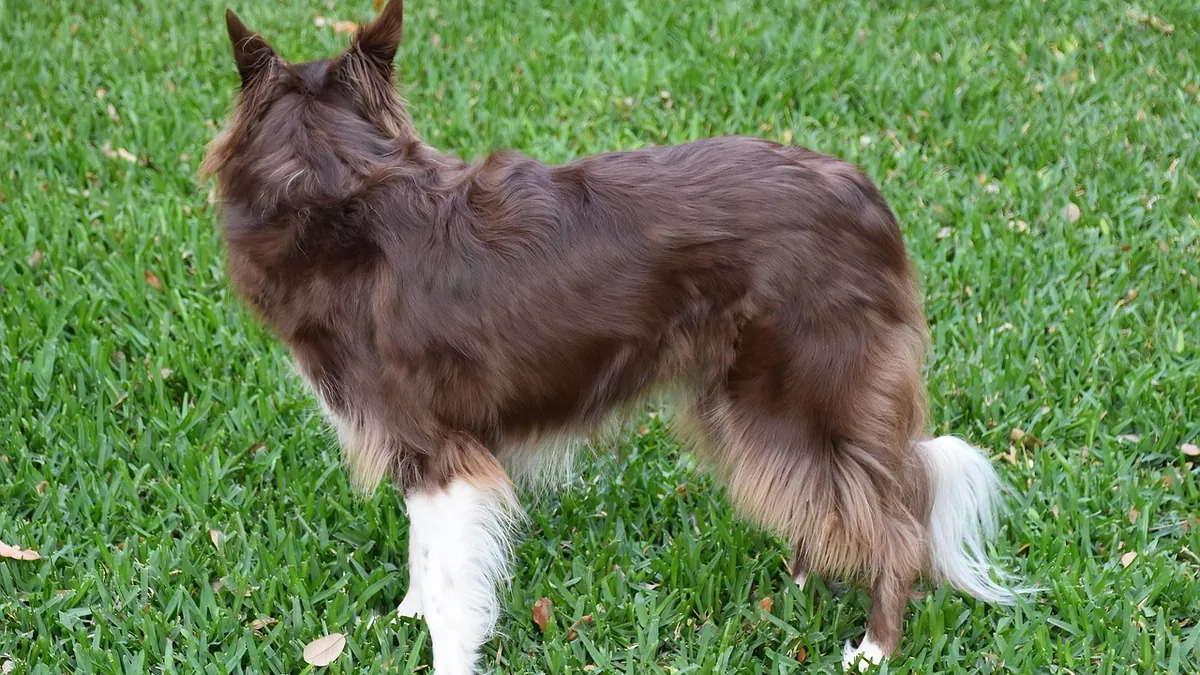
Hair loss in dogs is usually a symptom, not a disease on its own. A simple home remedy for dog hair loss can help mild, diet-related shedding, but most cases need the underlying cause identified first. Below you will find the common triggers, what you can safely try at home, and the signs that mean it is time for a veterinary workup.
This article is educational and is not a substitute for veterinary diagnosis or treatment.
Quick Answer
- Most dog hair loss is acquired, meaning your dog was born with a normal coat and lost hair later because of disease, nutrition, hormones, or self-trauma [1].
- True nutritional hair loss is uncommon in dogs eating modern, balanced commercial diets [2].
- Medicated shampoos only work on a clean coat, so wash and rinse your dog with a plain cleansing shampoo first, then apply the medicated product diluted in water [3].
- Hair loss that comes with redness, crusting, oozing, or footpad and face involvement can signal internal organ disease and needs a vet visit [2].
- Never give your dog human hair-loss drugs. Veterinary treatment depends on correcting the underlying disorder, not on human alopecia medications [4].
What Dog Hair Loss Actually Is
Alopecia is the medical word for hair loss. In congenital alopecia, a dog is born with the condition because hair follicles did not develop normally, and the problem may show up at birth or when the dog becomes a young adult [1]. In acquired alopecia, the dog had a normal coat at one time and was capable of producing structurally normal hairs [1].
That distinction matters. Acquired cases are far more common in adult dogs, and they usually point to something else going on. Any disease that affects hair follicles can cause hair loss. Some diseases destroy the follicle or shaft, some interfere with hair growth, and some cause enough discomfort that your dog scratches, chews, or licks the hair away [1].
Acquired hair loss can be inflammatory or noninflammatory [1]. Inflammatory cases often come with redness, bumps, or crusts. Noninflammatory cases tend to be smooth, sometimes darkened skin with no itching. Your vet uses that difference as a major clue.
Signs Owners Notice First
Hair loss rarely appears alone. Watch for these patterns:
- Thinning or bald patches on the flanks, back, neck, face, or limbs
- Symmetrical bald spots on both sides of the body
- Darkened or thickened skin in the bald areas
- Itching, chewing, licking, or rubbing
- Dull, dry, or brittle coat before the hair actually falls out
- Scaling, crusting, or a greasy feel to the skin
- Hair that pulls out easily in clumps
Where the loss shows up helps narrow the list. Loss on the face, neck, and limbs can fit a rare condition called follicular mucinosis [5]. Loss on the ears, tail, or in patches each has its own common causes, and we cover those patterns in Dog Hair Loss on Ears: Causes and Treatment Options, Dog Hair Loss on Tail: Causes and Treatment, and Why Is My Dog Losing Hair in Patches? Common Causes and Next Steps.
Causes and Risk Factors
Hair loss has many causes, and they fall into a few broad groups [4].
Nutritional. Protein deficiency can slow or stop hair follicle growth, and deficiencies of fats, minerals, some vitamins, and trace elements can affect the skin [1][2]. This is uncommon in dogs fed modern, balanced diets, but it does happen with poorly balanced homemade food, severe intestinal disease, or heavy parasite loads [2].
Hormonal. Hypothyroidism and other hormonal imbalances can inhibit hair growth [1]. These cases often look symmetrical and non-itchy.
Infectious and parasitic. Bacterial, fungal, and parasitic skin disease can damage follicles or cause enough itch that your dog damages the coat [4].
Allergic and immune-mediated. Allergies and autoimmune conditions such as alopecia areata cause nonscarring hair loss [4][6]. In one review of 14 dogs with alopecia areata, 11 had a history of itching and 5 had previously been diagnosed with atopic dermatitis [6].
Breed and seasonal patterns. Canine flank alopecia is a seasonally recurrent condition with a strong breed predisposition. It causes non-inflammatory, often darkened, well-defined, symmetrical bald patches on the thoracolumbar flanks. Loss starts as daylight decreases in autumn or winter, and hair often regrows partly or fully the following spring or summer. It does not affect general health [7].
Alopecia X. This is non-inflammatory hair loss seen most often in dogs with double coats and dense undercoats. The exact cause is unknown, and responses to treatment vary, which makes it hard to manage [8].
Temporary causes. Hair loss can happen during pregnancy, during lactation, or several weeks after a severe illness or fever [1].
Medical treatment. Radiation therapy commonly causes hair loss in the treated area. In one study of 38 dogs treated for nasal tumors, 17 of 34 developed acute hair loss during therapy, and every dog with a curly or wire-haired coat was affected [9].
| Cause group | Typical pattern | Itchy? | First step |
|---|---|---|---|
| Nutritional deficiency | Widespread thinning, dull coat | Usually no | Review diet with your vet [2] |
| Hormonal (for example hypothyroidism) | Symmetrical, non-inflammatory | Usually no | Blood testing by a vet [1] |
| Parasites, fungus, bacteria | Patchy, scaling, crusting | Often yes | Vet exam and skin testing [4] |
| Allergy or autoimmune | Face, head, limbs, may itch | Often yes | Vet exam and possibly biopsy [6] |
| Seasonal flank alopecia | Symmetrical flank patches in winter | No | Vet confirmation, often no treatment [7] |
| Post-illness, pregnancy, lactation | Temporary, widespread | No | Time and monitoring [1] |
How Veterinarians Diagnose It
Your vet starts with history and a full skin exam. They will ask when the loss began, whether it itches, what your dog eats, and whether the pattern changes with the seasons.
From there, common steps include skin scrapings, tape preparations, and hair plucks to look for parasites and infection. A Wood's lamp or fungal culture may be used if ringworm is suspected. Blood work checks for hormonal disease and for organ problems that can show up in the skin [1][2].
When the surface tests do not explain the pattern, your vet may recommend a skin biopsy. Biopsy is how conditions like alopecia areata and follicular mucinosis are confirmed, since both are diagnosed by looking at the hair follicles under a microscope [5][6].
In one reported case, an owner declined a definitive workup, and the dog was treated for suspected alopecia based on exam findings and history alone [8]. That is a reasonable path in some mild cases, but it leaves you guessing. A confirmed diagnosis usually saves time and money.
Home Care and Diet Fixes You Can Try
This section covers what owners most often ask about. Try these steps only for mild, non-itchy, non-crusted hair loss, and stop and call your vet if anything worsens.
Start With the Diet
If your dog eats a complete and balanced commercial diet, nutritional deficiency is an unlikely cause [2]. If you feed a homemade diet, a raw diet, or a diet that has not been formulated by a veterinary nutritionist, that is the first thing to review. Ask your vet whether your current food meets your dog's needs, and ask about a diet change if it does not [2].
Siberian Huskies and occasionally other breeds may need extra zinc in the diet [2]. Do not add zinc on your own. Too much zinc is toxic, and your vet should set the amount and form.
Consider Coat Supplements Carefully
A published case report described an 8-year-old Chihuahua with significant hair loss who was given horse placenta extract, taurine, and B vitamins (B1, B2, B5, and B6). After 66 days, coat coverage improved markedly on the back, sides, and abdomen, with no adverse events reported. Supplementation stopped once the coat improved, and no hair loss returned over a 76-week follow-up [8].
That is one dog, and the owner declined a definitive diagnosis, so the result cannot be generalized to all dogs with hair loss [8]. Still, it is reasonable to ask your vet whether a coat and skin supplement makes sense for your dog. Your vet sets the product and the amount.
Use Shampoos the Right Way
Medicated shampoos are a common topical treatment for specific skin conditions, but they are often poor cleansers and do not lather well [3]. Wash your dog first with a plain cleansing shampoo and rinse well. Then dilute the medicated shampoo in water, about 1 part shampoo to 3 or 4 parts water, and apply it evenly to the coat. Diluting helps it rinse out and lowers the chance of irritating your dog's skin [3].
Follow every direction on the label for how to apply the product, how much to use, and how often to use it [3].
What Not to Do
Do not give your dog human hair-loss medications. Treatments approved for people, such as topical minoxidil, oral finasteride, and Janus kinase inhibitors, are not the standard approach in dogs. Veterinary management depends mainly on identifying and correcting the underlying disorder [4]. Some human products are toxic to dogs if licked or swallowed.
Do not use harsh human shampoos, undiluted medicated shampoos, or home bleach and vinegar mixtures on broken skin.
When Home Care Is Not Enough
If your dog is itchy, uncomfortable, or losing hair fast, home care is not the right first step. See your vet. Also see Why Is My Dog Losing Hair? for a broader look at causes, and Dog Hair Loss After Puppies: Causes and What to Do if the loss started around a pregnancy or nursing period.
Treatment Options Your Vet May Use
Treatment depends entirely on the diagnosis. There is no single drug for canine hair loss.
For skin infections and parasites, your vet may prescribe whole-body antibiotics, antifungals, or antiparasitics. Hormonal disease may be managed with hormones or other drugs. Allergic and inflammatory conditions may need antihistamines, corticosteroids, or other anti-inflammatory drugs [3].
For seasonal flank alopecia, many dogs need no treatment at all because hair regrows on its own in spring or summer [7]. For alopecia X, treatment is challenging because the cause is unknown and responses vary, so your vet may try more than one approach [8].
Whatever is prescribed, read and understand all directions, including how to apply or give the product, how much to use, and how often [3]. If you are unsure, call your vet's office before the first dose.
Recovery, Outlook, and Long-Term Management
Outlook varies widely by cause. Temporary loss after pregnancy, lactation, or a severe illness tends to resolve with time [1]. Seasonal flank alopecia typically cycles with the seasons and does not harm general health [7]. Autoimmune and hormonal cases often need long-term management and monitoring.
Hair regrowth is slow. Even when the underlying problem is fixed, a full coat can take months to return because hair grows in cycles. Take photos every two to four weeks in the same lighting so you can see real progress instead of guessing.
Keep a simple log of diet, shampoo schedule, medications, and any itching. That record helps your vet adjust the plan at follow-up visits.
Prevention
You cannot prevent every cause of hair loss, but you can lower the odds of the common ones.
- Feed a complete and balanced diet, and have any homemade recipe reviewed by your vet or a veterinary nutritionist [2].
- Keep up with flea, tick, and parasite prevention as directed by your vet.
- Bathe with a gentle dog shampoo and dry the coat well, especially in skin folds.
- Brush regularly so you notice thinning early.
- Treat itching early. Scratching and chewing cause self-trauma that leads to more hair loss [1].
- Keep routine wellness visits so hormonal and organ disease get caught before the coat suffers [2].
Limitations and When to Contact a Veterinarian
Home care has real limits. It cannot diagnose infection, hormone disease, or autoimmune conditions, and it cannot tell you whether your dog's skin problem is the first sign of an internal disease. Any ongoing or growing skin abnormality should be examined by your veterinarian, because early diagnosis gives the best chance for effective treatment [2]. Every individual case needs a veterinarian's assessment.
Contact your vet the same day if you see:
- Rapid hair loss over hours to days
- Redness, crusting, oozing, or open sores
- Hair loss on the footpads, face, genitals, or lower legs, which can accompany liver, kidney, or pancreatic disease [2]
- Severe itching that keeps your dog awake
- A bad smell from the skin or ears
Go to an emergency clinic now if:
- Your dog is weak, collapsed, vomiting, or not eating
- The skin is sloughing or peeling
- You see swelling around the face or throat, or trouble breathing
Book a routine visit if:
- Hair loss has lasted more than two to three weeks
- Bald patches are spreading
- The coat is dull and thinning with no obvious cause
- You want to change diets or start a supplement
Frequently Asked Questions
Can I treat my dog's hair loss at home without a diagnosis?
Only for mild, non-itchy thinning, and only while you watch closely for changes. Most hair loss has an underlying cause that home care cannot fix, and treating the surface while missing the cause can delay real treatment. If the loss spreads or your dog seems uncomfortable, book a vet visit.
Is coconut oil or olive oil good for dog hair loss?
There is no evidence in the veterinary literature that these oils regrow hair, and they can leave the coat greasy and clog pores. A small amount of a pet-safe oil may soften dry skin, but it will not correct a hormonal, infectious, or immune cause. Ask your vet before adding any topical oil.
Will changing dog food fix hair loss?
It can help if the current diet is genuinely unbalanced or low in protein, since protein deficiency can slow hair follicle growth [1]. If your dog already eats a complete and balanced commercial diet, a food change is unlikely to be the answer [2]. Your vet can help you decide whether a diet trial is worth trying.
How long does it take for dog hair to grow back?
It varies by cause and by the individual dog. Temporary loss after pregnancy, lactation, or a severe illness resolves with time [1], and seasonal flank alopecia often regrows within the following spring or summer [7]. In one reported case, visible coat improvement took 66 days of supplementation [8]. Expect weeks to months, not days.
Can stress cause my dog to lose hair?
Stress-related licking and chewing can damage the coat and lead to hair loss through self-trauma [1]. True stress alone is rarely the whole story, so a vet should rule out itching, parasites, allergies, and hormonal disease first. If anxiety is part of the picture, ask your vet about a behavior plan alongside skin treatment.
Related Articles
- Dog Hair Loss After Puppies: Causes and What to Do
- Why Is My Dog Losing Hair?
- Dog Hair Loss on Ears: Causes and Treatment Options
- Dog Hair Loss on Tail: Causes and Treatment
- Why Is My Dog Losing Hair in Patches? Common Causes and Next Steps
- Dog Skin Rash with Hair Loss: Causes and Treatment
- Hair Loss Around a Dog's Eyes: Causes and When to Worry
- Hair Loss on Dog Armpits and Elbows: Causes and Treatment
- Dog Skin Problems at Home: What You Can Safely Treat
References
- Hair Loss (Alopecia) in Dogs - Dog Owners. Merck Veterinary Manual.
- Whole-body Disorders that Affect the Skin in Dogs - Dog Owners. Merck Veterinary Manual.
- Treatment of Skin Disorders in Dogs - Dog Owners. Merck Veterinary Manual.
- Alopecia management from a comparative perspective: pharmacological and pharmaceutical insights in humans, dogs, and cats. Frontiers in veterinary science, 2026.
- Successful Treatment of Idiopathic Follicular Mucinosis in a Golden Retriever: Clinical, Dermoscopic and Histopathological Findings. Veterinary dermatology, 2026.
- Canine Alopecia Areata: A Retrospective Study of Clinical, Histopathological Features and Treatments in 14 Dogs. Veterinary dermatology, 2026.
- Canine flank alopecia: A narrative review of clinical presentation, genetic basis, and therapeutic management. Veterinary journal (London, England : 1997), 2026.
- Improvement in coat condition observed in dogs with suspected alopecia X through combined supplementation with nutrients for the coat and skin: A case report. Open veterinary journal, 2025.
- Radiation-Induced Alopecia in Dogs With Nasal Tumours: Coat Type Influences Development and Onset. Veterinary dermatology, 2026.