Elbow Calluses in Dogs: Causes and How to Treat Them
By Dr. Zubair Khalid, DVM, MS, PhD ·
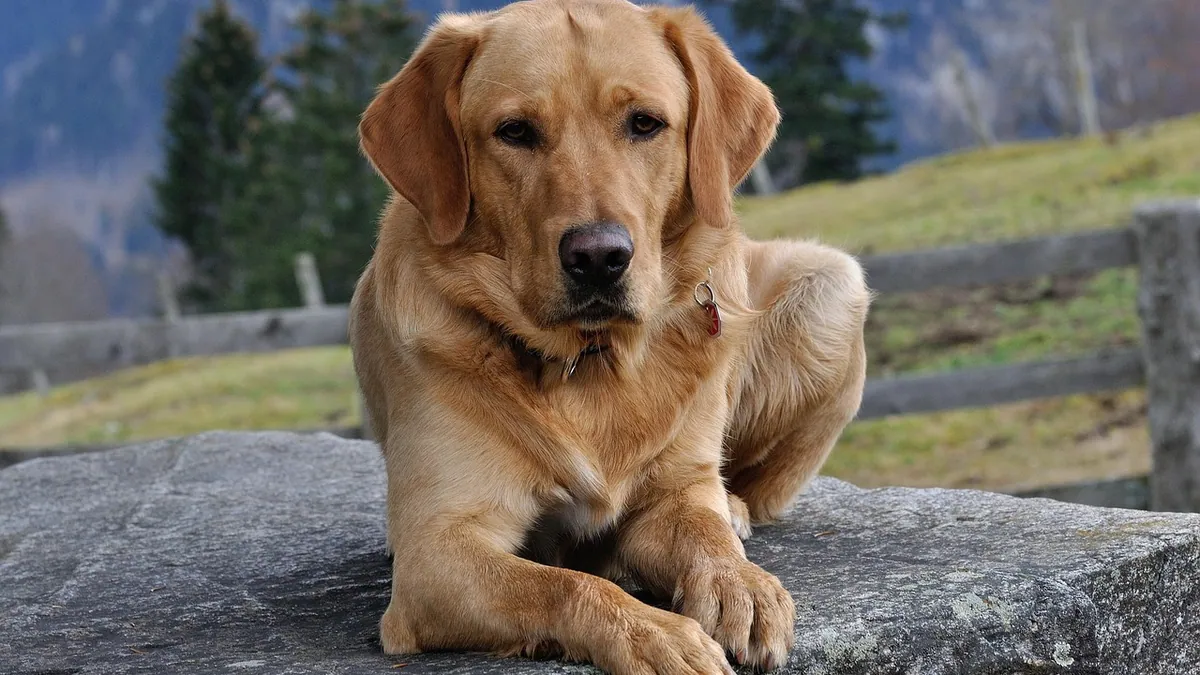
Elbow calluses in dogs are thickened, hairless pads of skin that form where the elbow presses against hard surfaces. They are common in large and heavy breeds, and most are harmless, but they can become painful or infected. Treating elbow calluses in dogs usually starts with soft bedding and good skin care, though some cases need a veterinarian.
This article is educational and is not a substitute for veterinary diagnosis or treatment.
Quick Answer
- A callus is the skin's response to repeated pressure and friction over the elbow point, and it appears as a thick, gray, hairless patch [1].
- Soft, padded bedding is the single most useful home step because it removes the pressure that keeps the callus forming.
- Calluses that crack, bleed, smell, or ooze are likely infected and need a veterinary visit.
- Never use human corn or wart removers, and do not try to cut or sand the callus down at home.
- Some elbow calluses are a sign of underlying joint pain, so limping or stiffness deserves an exam [2].
What Is an Elbow Callus?
The medical term for an elbow callus in dogs is a pressure callus, or lichenification with hyperkeratosis. Lichenification means the skin has thickened and hardened, and hyperkeratosis means the outer layer has built up. Your veterinarian may simply call it elbow dermatitis or a pressure sore.
Dermatitis is a general word for any inflammation of the skin, and it is the term used until a specific diagnosis is reached [1]. A callus is one form of that response. The skin reacts to an insult with thickening, scaling, redness, darkening, and hair loss [1]. On an elbow, the insult is mechanical. The bone sits just under thin skin, and every time your dog lies down on a hard floor, that spot takes the weight.
Over time the body lays down extra keratin and fibrous tissue to protect itself. The result is a leathery, bald, often darker patch. It is the skin's version of a work boot.
What Causes Elbow Calluses on Dogs?
Pressure and friction are the direct causes. The elbow is the point of the limb that contacts the ground when a dog lies in sternal recumbency, meaning flat on the chest. Large breeds, heavy breeds, and older dogs carry more weight on that spot. Dogs with thin coats or short hair have less padding. Dogs who sleep on concrete, tile, or hardwood develop calluses faster than dogs with thick orthopedic beds.
There is a second cause that owners often miss. A dog with a painful elbow joint will shift weight and lie differently, and the altered posture increases pressure on the skin. Elbow arthritis and elbow dysplasia are common reasons for this. Thoracic limb lameness has many possible causes, and orthopedic disease is one of them [2]. If your dog has a callus on one elbow only, or a callus plus stiffness after rest, ask your vet to examine the joint. You can read more about joint disease in Canine Elbow Dysplasia: Diagnosis and Management.
Other risk factors include obesity, which adds load, and lying on hard surfaces for long stretches. Genetics play a role too. Some lines of Great Danes, Labrador Retrievers, Mastiffs, and other heavy breeds form calluses easily even with good bedding.
Signs Owners Notice
Most calluses look worse than they feel. Here is what to watch for.
- A round or oval hairless patch over the elbow point
- Thick, leathery, gray or brown skin
- Dry, flaky surface with small cracks
- Darker pigment than the surrounding skin
- A slight bump you can feel under the skin
These are the ordinary features of a pressure callus. The skin's response to insult commonly includes scaling, abnormal redness, thickening, pigmentation, and hair loss [1]. That list matches a typical callus almost exactly.
Signs that something more is happening include:
- Moisture, discharge, or a bad smell
- Redness spreading beyond the callus
- Bleeding cracks or open sores
- Swelling or heat at the elbow
- Licking, chewing, or scooting along the floor
- Limping or reluctance to rise
An infected callus is a dermatitis that has moved from mechanical irritation into a bacterial problem. Your vet may treat it with a whole-body antibiotic or a topical product, depending on how deep it goes [3].
How Veterinarians Diagnose Elbow Calluses
Most calluses are diagnosed by looking and feeling. Your vet will check the skin, note the thickness and any discharge, and press gently to see whether the area is painful.
The more important part of the exam is the joint. Your vet will flex and extend the elbow, watch your dog walk, and check for pain or reduced range of motion. Thoracic limb lameness is a diagnostic challenge because orthopedic, neurologic, infectious, inflammatory, vascular, and neoplastic disorders can produce overlapping signs [2]. That is why a full exam matters more than a quick glance at the skin.
If the callus is infected, your vet may take a skin swab or a small sample to identify the bacteria. If the joint is suspected, radiographs are the usual next step. Advanced imaging such as CT or MRI is reserved for complex or unresolved cases [2]. In most dogs with a simple callus, none of this is needed.
Treatment Options for Elbow Calluses in Dogs
Treatment depends on whether the callus is uncomplicated or infected. The table below summarizes the general approach.
| Situation | What it looks like | Typical approach |
|---|---|---|
| Simple callus | Dry, thick, hairless, no discharge | Soft bedding, skin care, weight control |
| Irritated callus | Red, cracked, mildly tender | Bedding change plus a vet-approved topical |
| Infected callus | Moist, smelly, oozing, painful | Veterinary exam, cleaning, antibiotics if needed [3] |
| Callus with lameness | Limping, stiffness, one-sided | Joint exam and imaging [2] |
Home Care for a Simple Callus
Start with bedding. A thick orthopedic foam bed, a memory foam mat, or a low-pile rug over hard flooring removes the pressure that drives callus formation. Many dogs do best with several soft resting spots around the house so they never have to choose between comfort and company.
Keep the skin clean and dry. A gentle wipe with a damp cloth, followed by thorough drying, removes dirt from the cracks. Do not scrub. Do not pick at the edges.
Moisturizing helps some dogs. Ask your vet which product is safe, because dogs lick their elbows and swallow whatever you apply. Avoid human products that contain zinc, salicylates, or fragrance.
Weight management is often the most effective long-term step. Extra pounds mean extra pressure on every elbow. Your vet can set a target weight and a calorie plan.
Medical Treatment
If the callus is infected, your vet will clean the area and may prescribe a topical or oral antibiotic. Systemic drugs are sometimes needed for skin disorders, and these can include whole-body antibiotics, antifungals, antiparasitics, hormones, antihistamines, corticosteroids, and other anti-inflammatory drugs [3]. The choice depends on what is actually causing the problem, which is why self-treating with leftover medication is a bad idea.
If the elbow joint is painful, treating the joint helps the skin. Pain control after orthopedic procedures in small dogs is often managed with a combination of drugs instead of a single medication, and multimodal protocols have been shown to give faster and more sustained relief [4]. The same principle applies to chronic joint pain. Your vet will calculate any dose from your dog's weight and health, so never guess at a dose yourself.
Surgery is rarely needed for a callus. It may be considered when a callus is chronically infected, ulcerated, or when the underlying joint disease requires an operation. You can read about surgical options in Surgical Approaches to the Canine Elbow: Techniques and Nuances.
Recovery, Outlook, and Long-Term Management
A simple callus will not disappear. The thickened skin is permanent in most dogs, and the hair usually does not grow back. The goal is to keep it soft, intact, and painless.
With good bedding and weight control, most calluses stay stable for years. Cracks heal, and the surface stays dry. If your dog continues to lie on hard floors, the callus will keep thickening no matter what you apply to it.
Infected calluses usually improve within one to two weeks of appropriate treatment, though the skin may stay thickened. If the infection returns, the underlying pressure problem has not been solved.
Long-term management has three parts. First, soft resting surfaces everywhere your dog lies down. Second, a healthy weight. Third, regular checks of the elbows, especially in older dogs and heavy breeds. Look at the skin once a week. Catch cracks and redness early.
If your dog has joint disease, managing that disease is part of managing the callus. Dogs with osteoarthritis may benefit from a full pain plan, and your vet can adjust it over time. One study looked at whether surface temperature measured by infrared thermography could detect joint pain or arthritis in dogs, and it found no reliable temperature difference between affected and unaffected joints [5]. That means you cannot judge joint pain by how warm the elbow feels. Watch how your dog moves instead.
Prevention
Prevention is simpler than treatment. Pressure causes calluses, so remove the pressure.
- Put thick, supportive beds in every room your dog uses.
- Cover hard floors with rugs or mats along your dog's favorite paths.
- Encourage your dog to lie on the bed instead of the floor, using treats or a favorite toy at first.
- Keep your dog at a healthy weight.
- Check the elbows weekly for early thickening or cracks.
- Ask your vet about joint health at every annual exam, especially for large breeds.
If your dog already has a callus, these steps stop it from getting worse. If your dog has no callus yet, they lower the odds of one forming.
Limitations and When to Contact a Veterinarian
Home care has limits. It works for dry, intact calluses. It does not work for infected skin, open sores, or joint pain. Individual cases need a veterinarian, and the timing matters.
Contact your veterinarian the same day if you see:
- A callus that is suddenly swollen, hot, or very painful
- Discharge, pus, or a bad smell
- Bleeding that does not stop with gentle pressure
- Your dog licking or chewing the elbow raw
- A new limp or refusal to bear weight
Go to an emergency clinic now if:
- Your dog cannot stand or walk
- The elbow looks deformed or the leg dangles
- There is heavy bleeding
- Your dog is crying, panting, or unable to settle from pain
Schedule a routine visit if:
- The callus is growing quickly
- The skin is cracking despite good bedding
- Your dog is stiff after rest or slow to rise
- You have tried home care for two to three weeks with no improvement
If your dog has other skin problems, such as itchy paws or ear issues, those may share an underlying cause. You can read about related conditions in Dog Paw Allergies: Signs, Causes, and Treatment and How To Treat Ear Mites At Home For Dogs.
Frequently Asked Questions
Are elbow calluses on dogs painful?
Most simple calluses are not painful. They are thickened skin, not wounds. A callus becomes painful when it cracks, gets infected, or sits over a sore joint. If your dog flinches when you touch the elbow or limps, that is a sign to see your vet.
Can I put lotion on my dog's elbow callus?
You can use a pet-safe moisturizer if your veterinarian approves it. Dogs lick their elbows, so human lotions with zinc, salicylates, or fragrance can cause problems if swallowed. Ask your vet which product fits your dog.
Will a callus go away if I buy a better bed?
The callus will stop getting thicker and may soften slightly, but the hairless, leathery patch usually stays. The thickened skin is permanent in most dogs. A better bed prevents new calluses and keeps the existing one from worsening.
Is a callus a sign of arthritis?
Sometimes. A callus can form simply from lying on hard floors. It can also form because a painful elbow makes your dog lie in a way that puts more pressure on the skin. If your dog is stiff, slow to rise, or lame, ask your vet to examine the joint.
Should I bandage my dog's elbow callus?
Do not wrap it unless your veterinarian tells you to. A bandage that slips or gets wet can rub the skin, trap moisture, and make an infection worse. Soft bedding and good skin care are safer first steps.
Related Articles
- Canine Elbow Dysplasia: Diagnosis and Management
- Surgical Approaches to the Canine Elbow: Techniques and Nuances
- Dog Sneezing: Common Causes and When to Call the Vet
- Dog Paw Allergies: Signs, Causes, and Treatment
- How To Treat Ear Mites At Home For Dogs
- Dog Hair Loss on Ears: Causes and Treatment Options
- Dog Elbow Callus: Causes and When to Worry
- Why Is My Dog's Elbow Callus Bleeding? Causes and Care
- Hair Loss on Dog Armpits and Elbows: Causes and Treatment
References
- Dermatitis and Dermatologic Problems in Dogs - Dog Owners. Merck Veterinary Manual.
- Diagnosing Thoracic Limb Lameness in Dogs. The Veterinary clinics of North America. Small animal practice, 2026.
- Treatment of Skin Disorders in Dogs - Dog Owners. Merck Veterinary Manual.
- Multimodal Analgesia Provides Superior Postoperative Pain Control Following Orthopedic Surgery in Small-Breed Dogs. Animals : an open access journal from MDPI, 2026.
- Utility of Infrared Thermography in Dogs with Osteoarthritis. Animals : an open access journal from MDPI, 2026.