Hair Loss on Dog Armpits and Elbows: Causes and Treatment
By Dr. Zubair Khalid, DVM, MS, PhD ·
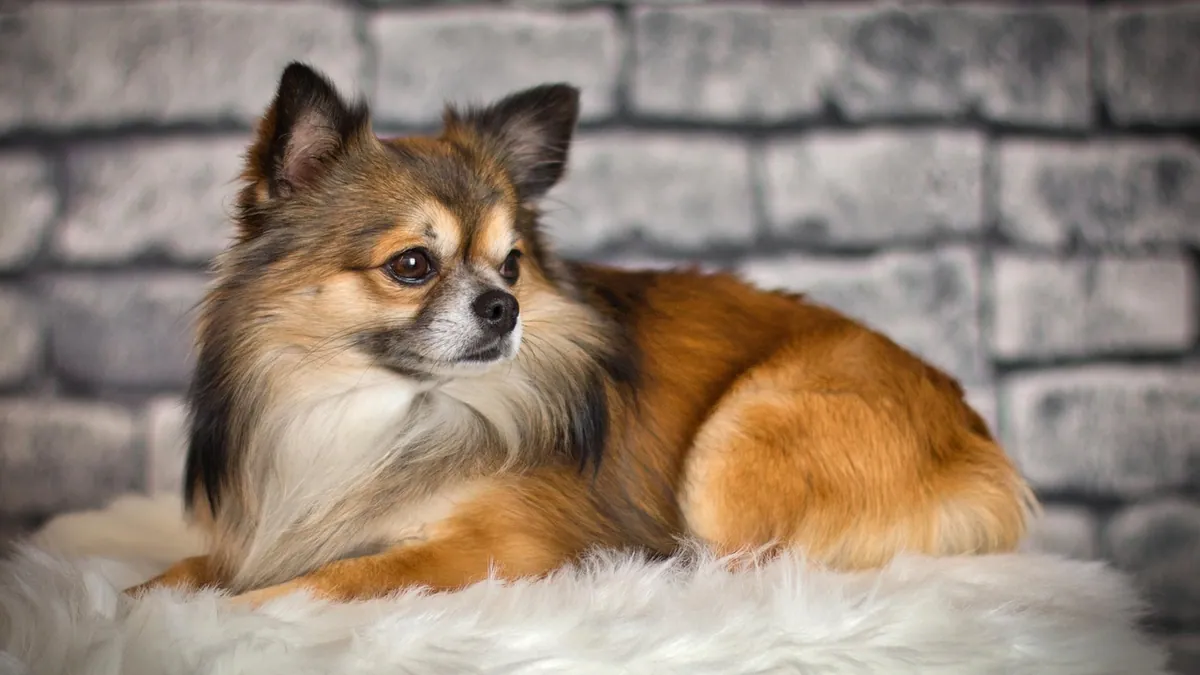
Hair loss in dogs armpits and on the elbows is usually a localized problem, not a whole-body coat issue. The skin there is thin, folded, and constantly rubbing against itself or the ground, so it reacts fast to friction, moisture, and irritants. Some of these changes are harmless calluses, while others are infections or parasites that need treatment.
This article is educational and is not a substitute for veterinary diagnosis or treatment.
Quick Answer
- Pressure-point hair loss on elbows is often a callus from lying on hard surfaces, which is cosmetic unless the skin cracks or bleeds.
- Armpit hair loss is more often linked to friction, moisture, contact irritation, or mites because the skin folds trap warmth and debris.
- Any hair loss with redness, odor, crusts, scabs, or itching points to dermatitis or infection and needs a veterinary visit [1].
- Mites and other parasites can cause patchy hair loss in skin folds, and they do not resolve with home shampoos alone.
- Sudden, spreading, or painful bald spots should be seen within a day or two, not watched for weeks.
What This Hair Loss Looks Like and What Is Normal
A dog's coat is not perfectly uniform. Many dogs have naturally thinner hair on the elbows, the armpits, the groin, and the belly. Short-coated breeds and older dogs often show this most clearly. If the skin is smooth, pale, and intact, a thin patch on a pressure point can be normal wear.
The picture changes when the skin itself looks different. Dermatitis is the general term for skin inflammation, and it shows up as itching, scaling, redness, thickening, darkening, odor, oiliness, or hair loss [1]. When you see those changes along with bald spots, the hair loss is a symptom, not the whole problem.
Two patterns are worth separating in your mind.
Elbow calluses. These are thickened, gray, hairless pads over the elbow point. They form where bone presses against the floor. They are common in large and heavy dogs. A clean callus is not infected. A callus that cracks, oozes, or smells is a different situation.
Armpit (axillary) hair loss. The armpit is a skin fold. It stays warm and slightly damp, and it rubs with every step. Hair loss here often comes with pink or brown discoloration, a yeasty smell, or small bumps.
If your dog is losing hair in several unrelated spots at once, the problem may be body-wide instead of local. That pattern deserves a broader workup, and you can read more about it in Why Is My Dog Losing Hair?.
Main Causes of Hair Loss in Dogs Armpits and Elbows
Hair loss in dogs armpits causes a short list of usual suspects. Friction and contact irritation top the list because of where these spots sit on the body. Parasites, allergies, and infections fill out the rest.
| Cause | Typical clues | How urgent |
|---|---|---|
| Friction or pressure callus | Hairless, thickened, gray skin right over the elbow point. No itch, no odor. | Routine. Watch for cracking. |
| Contact irritation | Redness and thinning hair in the armpit after a new shampoo, carpet, or bedding. | Routine to soon, depending on severity. |
| Mites (demodex, sarcoptes) | Patchy hair loss, scaling, sometimes intense itching. Can spread to other areas. | Soon. Contagious mites need treatment. |
| Bacterial skin infection | Redness, pus, crusts, odor, moist skin in the fold. | Soon. Needs prescription treatment. |
| Yeast overgrowth | Brownish discoloration, musty smell, thickened skin in warm folds. | Soon. |
| Allergies (environmental or food) | Itching, licking, chewing, hair loss in armpits, groin, paws, and ears. | Routine visit, but treat the itch early. |
| Hormonal disease | Symmetrical hair loss on the trunk and flanks, thin skin, no itch. | Routine visit with blood work. |
| Autoimmune alopecia | Well-defined bald patches without redness, crusts, or scratching. | Routine visit with biopsy. |
A few details on each.
Friction and pressure. This is the most common reason for hair loss on elbows. The hair follicles are not diseased. They simply wear down from repeated contact. The skin responds by thickening into a callus. This is a mechanical change, not an infection.
Contact dermatitis. Anything that touches the skin can irritate it. External irritants, allergens, and trauma are all recognized triggers of skin inflammation [1]. A new floor cleaner, a rough blanket, or a medicated shampoo can set off redness and hair loss in the armpit within days.
Mites. Demodex mites live in hair follicles and can cause patchy hair loss, often with scaling. Sarcoptes mites cause intense itching and crusting. Both can target skin folds. Mites are a common reason a bald patch does not grow back on its own.
Bacterial and yeast infections. Once the skin barrier is broken by rubbing or scratching, bacteria and yeast move in. The fold stays moist, which helps them grow. You may notice a sour or musty smell, brown staining, or small pimples.
Allergies. Dogs with environmental allergies often lick and chew the armpits, groin, and paws. The self-trauma pulls hair out and inflames the skin. In one study of dogs with a specific autoimmune hair loss, most had a history of itching and several had been diagnosed with atopic dermatitis [2]. That overlap shows how often allergy and hair loss travel together.
Hormonal and metabolic disease. Hair loss that is symmetrical and non-inflammatory can point to an internal problem. Hormonal imbalances such as hypothyroidism can slow or stop hair follicle growth [3]. These cases usually involve more than the armpits and elbows.
Autoimmune and rare follicular diseases. Alopecia areata is an autoimmune disease that causes nonscarring hair loss, and lesions can appear on the face, top of the head, and limbs [2]. Other rare conditions, such as follicular mucinosis, favor the face, neck, and limbs [4]. These are uncommon and are diagnosed by biopsy.
Breed-linked patterns. Some hair loss is genetic and seasonal. Canine flank alopecia causes symmetrical, often darkened bald patches on the flanks, usually starting in fall or winter with regrowth in spring or summer, and it does not affect general health [5]. Alopecia X is a non-inflammatory hair cycle arrest seen in plush-coated breeds such as Pomeranians, Alaskan Malamutes, Chow Chows, Schipperkes, and Poodles [6]. Neither condition typically starts in the armpits, but they matter when hair loss is widespread.
Red Flags That Mean Emergency or Same-Day Care
Most elbow and armpit hair loss is not an emergency. These signs are.
- Open, bleeding, or ulcerated skin on a callus or in the fold.
- Rapidly spreading bald patches over hours to a day.
- Severe swelling, heat, or a foul discharge from the armpit.
- Your dog cannot walk normally or cries when the elbow is touched.
- Fever, lethargy, or loss of appetite along with the skin change.
- Sudden intense itching with your dog chewing constantly and unable to settle.
- Any suspected poisoning or ingestion of a topical product. Call the ASPCA Animal Poison Control Center at (888) 426-4435 or the Pet Poison Helpline at (855) 764-7661.
Deep infections in a skin fold can worsen quickly. If the skin looks wet, dark, and painful, treat it as urgent.
Safe Things You Can Do at Home While You Wait
Home care is about stopping the irritation, not curing the cause. Keep it simple.
Reduce pressure on the elbows. Add a thick orthopedic bed or a padded mat in your dog's favorite spots. Soft bedding lowers the friction that creates calluses.
Keep the armpits clean and dry. Gently wipe the fold with a soft cloth and warm water, then pat dry. Moisture feeds yeast and bacteria.
Stop using new products. If you recently changed shampoo, bedding, or floor cleaner, pause it and see whether the redness settles.
Block licking and chewing. An Elizabethan collar or a soft recovery cone prevents self-trauma while the skin heals. This matters most for itchy dogs.
Do not apply human creams, steroid ointments, or antibiotic creams. Dogs lick these off, and some ingredients are not safe for them.
Do not use harsh medicated shampoos or home remedies unless your veterinarian recommends them. Over-the-counter products can irritate broken skin further.
Take photos every few days. Note the size, color, and whether the skin is smooth or crusty. This record helps your veterinarian judge whether the problem is stable or progressing.
If the area is itchy, ask your veterinarian about safe itch control before you try anything at home. Scratching deepens the damage and delays healing.
What Your Veterinarian Will Check and Test
Your veterinarian starts with the history and a full skin exam. Expect questions about diet, bedding, flooring, new products, itching, and how long the spots have been there.
Skin scraping. A small sample of surface skin cells is examined under a microscope for mites. This is the standard test for demodex and sarcoptes.
Tape prep or cytology. A piece of tape or a swab collects cells and debris from the fold. This shows whether bacteria or yeast are overgrown.
Wood's lamp and fungal culture. These check for ringworm, a fungal infection that can cause patchy hair loss.
Skin biopsy. For bald spots that do not fit a simple pattern, a biopsy gives a diagnosis. Alopecia areata, for example, is confirmed by finding inflammation around the hair bulb on histopathology [2]. Follicular mucinosis is also diagnosed this way [4].
Blood work. If the pattern is symmetrical or your dog has other signs, your veterinarian may test for thyroid and other hormonal disease. Hormonal imbalances are a recognized cause of slowed hair growth [3].
Allergy testing. If itching is the main problem, allergy testing or a diet trial may follow.
Treatment depends on what is found. Mites need specific antiparasitic medication. Bacterial and yeast infections need prescription topicals or oral drugs. Allergies need itch control and trigger management. In veterinary medicine, most alopecia treatment depends on identifying and correcting the underlying disorder [7]. Your veterinarian calculates every dose from your dog's weight and health, so never reuse a medication left over from a previous pet.
If the bald spots are on the ears, nose, or tail instead, the cause list shifts. You can compare patterns in Dog Hair Loss on Ears: Causes and Treatment Options and Dog Hair Loss on Tail: Causes and Treatment. When bald spots come with a rash, see Dog Skin Rash with Hair Loss: Causes and Treatment.
Prevention and Monitoring
You cannot prevent every cause, but you can lower the odds.
Pad the pressure points. Beds, mats, and rugs reduce elbow friction. This is the single most useful step for callus-prone dogs.
Keep folds dry. After walks, swimming, or baths, dry the armpits and groin gently. Moisture is the enemy of healthy skin folds.
Control weight. Extra body weight increases pressure on the elbows and adds friction in the folds.
Stay on flea, tick, and mite prevention as directed by your veterinarian.
Use fragrance-free, pet-safe cleaners on floors and bedding.
Check the armpits and elbows weekly. Part the hair, look at the skin, and note any change in color, smell, or texture. Early detection keeps small problems small.
Follow recheck schedules. Skin infections often improve before they clear. Stopping treatment early is a common reason hair loss returns.
Track the seasons. If bald patches appear each fall and regrow each spring, seasonal alopecia is possible, and your veterinarian can confirm the pattern [5].
Limitations and When to Contact a Veterinarian
This article covers common patterns, not your dog's specific case. Only a veterinarian who examines your dog can diagnose the cause and set treatment.
Contact your veterinarian the same day if you see spreading bald spots, a foul smell, pus, crusts, or skin that is hot and painful. Also call if your dog is itching so much that it cannot rest.
Go to an emergency clinic now if the skin is open and bleeding heavily, your dog is limping or cannot bear weight on the limb, or your dog has fever, vomiting, or collapse along with the skin change. Call the ASPCA Animal Poison Control Center at (888) 426-4435 or the Pet Poison Helpline at (855) 764-7661 if you suspect poisoning.
Schedule a routine visit if the hair loss is stable, the skin looks calm, and your dog seems comfortable. A calm callus can often be monitored at home with padding and regular checks.
Frequently Asked Questions
Should I worry about a bald spot on my dog's elbow?
Usually not if the skin is smooth, gray, and intact. That is a pressure callus, and it is common in large dogs that lie on hard floors. Call your veterinarian if the callus cracks, bleeds, smells, or looks infected.
Can armpit hair loss be a sign of allergies?
Yes, allergies are a common reason dogs lick and chew the armpits until the hair thins. The self-trauma pulls hair out and inflames the skin. If your dog also scratches the paws, face, or ears, allergies move up the list.
Do mites cause hair loss only in the armpits?
Mites can cause hair loss anywhere, but skin folds are a favorite spot. Demodex and sarcoptes both produce patchy bald areas, often with scaling or intense itching. A skin scraping confirms the diagnosis.
Will the hair grow back on its own?
It depends on the cause. Friction-related thinning often improves once pressure and rubbing stop. Hair loss from mites, infection, or hormonal disease usually needs treatment before the coat returns. Some conditions cause permanent follicle damage.
Is hair loss on pressure points contagious to my other pets?
No, callus-related hair loss is not contagious. Parasitic mites, however, can spread between pets in the same home. If mites are found, your veterinarian will advise whether other animals need treatment too.
Related Articles
- Dog Hair Loss on Tail: Causes and Treatment
- Dog Hair Loss on Ears: Causes and Treatment Options
- Dog Skin Rash with Hair Loss: Causes and Treatment
- Why Is My Dog Losing Hair?
- Dog Hair Loss on Nose: Causes and When to Worry
- Dog Hair Loss After Puppies: Causes and What to Do
- Elbow Calluses in Dogs: Causes and How to Treat Them
- Dog Allergic Under Armpits: Why It Itches and What Helps
- Lumps on Your Dog's Legs, Elbows, and Armpits: What They Mean
References
- Dermatitis and Dermatologic Problems in Dogs - Dog Owners. Merck Veterinary Manual.
- Canine Alopecia Areata: A Retrospective Study of Clinical, Histopathological Features and Treatments in 14 Dogs. Veterinary dermatology, 2026.
- Hair Loss (Alopecia) in Dogs - Dog Owners. Merck Veterinary Manual.
- Successful Treatment of Idiopathic Follicular Mucinosis in a Golden Retriever: Clinical, Dermoscopic and Histopathological Findings. Veterinary dermatology, 2026.
- Canine flank alopecia: A narrative review of clinical presentation, genetic basis, and therapeutic management. Veterinary journal (London, England : 1997), 2026.
- Serum insulin-like growth factor-1 concentrations are not reduced in Pomeranian dogs with Alopecia X: a case-control study. BMC veterinary research, 2026.
- Alopecia management from a comparative perspective: pharmacological and pharmaceutical insights in humans, dogs, and cats. Frontiers in veterinary science, 2026.