Are Dogs Allergic to Quail? Egg and Meat Allergy Basics
By Dr. Zubair Khalid, DVM, MS, PhD ·
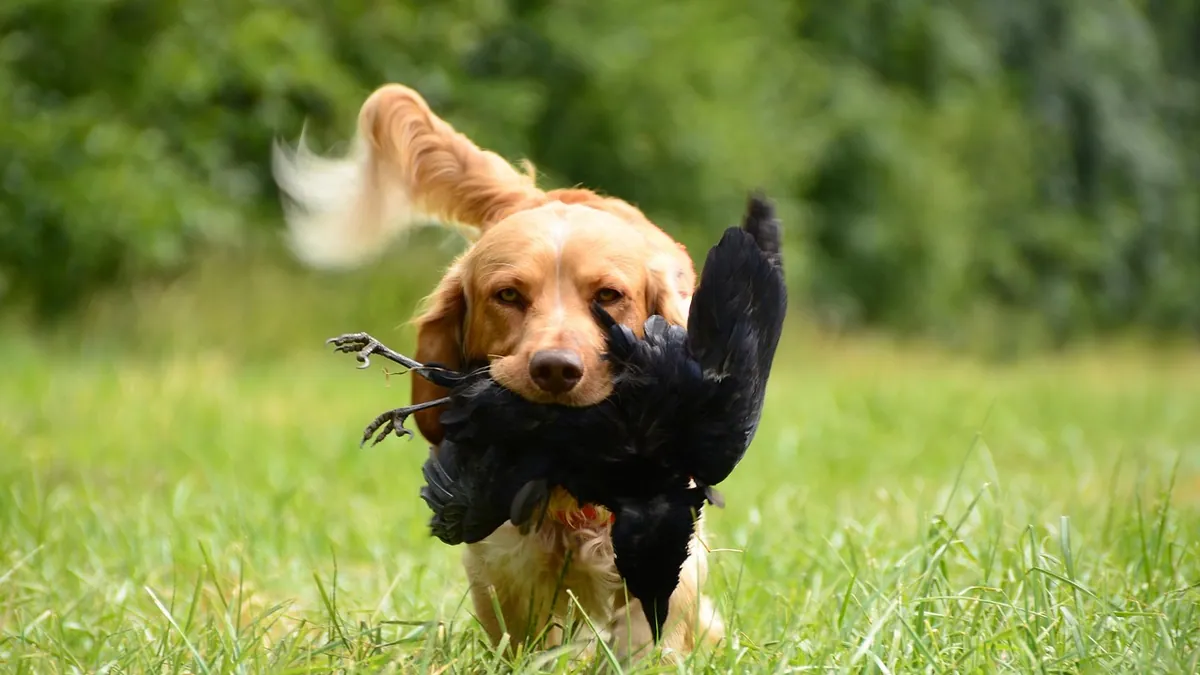
Are dogs allergic to quail? Yes, it is possible, but true allergy to quail is uncommon. Any protein a dog eats can potentially trigger an immune reaction, including quail meat and quail eggs. Most dogs that eat quail without problems are simply not allergic to it.
This article is educational and is not a substitute for veterinary diagnosis or treatment.
Quick Answer
- Quail is a less common protein in dog food, so it is often used as a "novel protein" for dogs with suspected food allergies.
- A true food allergy is an immune reaction to a protein in the diet, and it can develop to almost any protein, including quail [1].
- The most common food allergens in dogs are beef, dairy, chicken, wheat, and lamb, not quail [1].
- The only reliable way to prove a food allergy is a diet elimination trial followed by a controlled challenge [1].
- If your dog ate quail and seems fine, there is usually no reason to worry. If you see hives, swelling, vomiting, or trouble breathing, contact a veterinarian right away.
What Is a Food Allergy in Dogs?
A food allergy is an exaggerated immune response to something in your dog's diet [1]. The immune system mistakes a protein in the food for a threat and releases histamine and other chemicals. That leads to inflammation, which shows up as itching, redness, and swelling [2].
It helps to separate two things owners often confuse.
Food allergy involves the immune system. It tends to cause itchy skin, ear infections, and sometimes digestive signs. It usually does not show up the first time a dog eats a food. The immune system has to be exposed before it can overreact.
Food intolerance does not involve the immune system. It is a digestive problem, such as gas, loose stool, or vomiting after eating a specific ingredient. A dog can be intolerant to a food without being allergic to it.
Quail is a bird, and allergy to poultry meat is recognized in veterinary and human medicine. Poultry meat allergy is described as rare, and it can occur on its own or as part of a cross-reaction pattern called egg-bird syndrome [3]. In that syndrome, a primary allergy to egg yolk protein leads to reactions to poultry meat [3]. So the concept of allergy to bird meat and bird eggs is real, even if it is not common.
Signs Owners Notice
Food allergy signs in dogs are often skin-focused. Veterinarians call these cutaneous adverse food reactions. Common signs include [1]:
- Itching (pruritus), often on the face, ears, paws, belly, or around the rear
- Hair loss (alopecia)
- Red, inflamed skin
- Repeated bacterial or yeast skin infections
- Repeated ear infections (otitis externa)
- Non-skin signs such as vomiting or diarrhea
The itching is often nonseasonal. It does not come and go with pollen season. It may respond partly to steroids or antibiotics, then flare again when those stop. If your dog has chronic ear itching, our guide to Dog Itching Ears Food Allergy walks through what that pattern can mean.
Some dogs lick their paws constantly. That can be a sign of environmental allergy, food allergy, or both. Our article on Dog Licking Paws in Spring: Allergies or Something Else? covers how seasonality helps tell these apart.
A skin rash is another common reason owners seek help. If you are seeing red patches, bumps, or crusty areas, see Dog Skin Rash from Food Allergies: How to Identify and Manage.
Causes and Risk Factors
Any protein in the diet can act as an allergen [1]. That includes proteins from mammals, birds, and fish. Allergy to meat from both mammalian and avian sources is increasingly recognized, and reactions can be immediate or delayed by several hours [4].
Quail meat and quail eggs contain proteins. If a dog's immune system becomes sensitized to those proteins, a reaction is possible. The same is true for chicken, turkey, duck, and other birds.
Several factors shape risk:
Prior exposure. Food allergies usually require previous exposure to the protein. A dog that has never eaten quail is less likely to already be allergic to it. That is why quail and other uncommon proteins are used in elimination diets.
Cross-reactivity. Proteins in related species can look similar to the immune system. Egg-bird syndrome is one example, where sensitization to egg yolk protein cross-reacts with poultry meat [3]. Cross-reactivity between bird species is possible, though the exact patterns are not fully established for every species.
Hidden ingredients. Food allergens can hide in flavored medications, supplements, and treats, not just in the main diet [1]. A dog on a quail-based diet can still react if a chew or tablet contains chicken or another problem protein.
Mislabeling. Pet food labels are not always accurate. In one study of commercial dog foods, chicken DNA was found in products in ways that did not always match the label [5]. If your dog reacts on a "quail only" diet, contamination is one possible explanation.
Other allergies at the same time. Many dogs with food allergy also have environmental allergies such as dust mites, pollens, or mold. Sorting out which is which takes veterinary guidance.
How Veterinarians Diagnose Food Allergy
Diagnosis is not based on a blood test or a skin test alone. The only reliable way to prove a food allergy is a dietary elimination trial followed by a controlled dietary challenge [1].
Step 1: Rule out other causes
Your veterinarian will first look for other reasons for itching, such as fleas, skin infections, yeast overgrowth, and environmental allergy. Treating those problems is part of the process.
Step 2: The elimination diet trial
Your dog eats a single protein and carbohydrate source, or a hydrolyzed diet, for a set period. Quail is sometimes chosen because it is uncommon. During the trial, everything else is stopped, including treats, table food, flavored medications, and supplements [1].
Strict compliance matters. One slip can reset the clock. Your veterinarian will tell you how long to run the trial for your dog.
Step 3: The controlled challenge
If signs improve on the trial diet, your veterinarian will have you reintroduce the original diet or the suspected ingredient. If signs return, that confirms the allergy [1]. If signs do not return, the original problem was something else.
Why testing is tricky
Extract-based allergy tests, such as skin prick tests and specific IgE measurements, have real limitations. They cannot always tell the difference between a true primary allergy and cross-reactivity, and they can produce both false positives and false negatives [6]. Molecular allergen testing can help in some cases, but it is not a substitute for a proper diet trial [6].
| Situation | What it usually means | What to do |
|---|---|---|
| Dog ate quail once, no signs | No allergy | No action needed |
| Itchy skin, ear infections, no season | Possible food allergy or environmental allergy | Book a veterinary visit |
| Vomiting or diarrhea after quail | Possible intolerance or allergy | Note the timing and call your vet |
| Hives, facial swelling, trouble breathing | Possible severe allergic reaction | Emergency care now |
| Signs improved on a quail diet, returned on old food | Likely food allergy confirmed | Work with your vet on a long-term diet |
Treatment Options
There is no cure for food allergy. Treatment means avoiding the problem protein and managing the skin and gut problems it caused [1].
Diet change
Your veterinarian will help you choose a diet that avoids the confirmed allergen. Options include a novel protein diet, a hydrolyzed diet, or a home-prepared diet formulated with veterinary guidance. If quail is the problem, it must be removed completely, including from treats and supplements [1].
Managing skin and ear problems
Food allergy often comes with secondary bacterial or yeast infections. These need treatment with appropriate medications. Your veterinarian will choose the drug and calculate the dose based on your dog's weight and health. Never give human allergy or antibiotic medications without veterinary direction.
Itch control
When itching is severe, your veterinarian may prescribe medication to break the itch cycle while the diet change takes effect. The choice depends on your dog's age, health, and other medications.
Treating digestive signs
If your dog has vomiting or diarrhea, supportive care and a bland or prescription diet may help during the transition. Yellow vomit that looks like egg can have many causes, and our guide to Dog Vomit Yellow Egg Like explains when that pattern needs a vet visit.
Recovery, Outlook, and Long-Term Management
Most dogs with food allergy do well once the offending protein is identified and removed. The catch is that the diet has to stay strict for life. A single treat containing the allergen can bring the itching and infections back.
Expect some lag time. Skin and ears do not heal overnight, and secondary infections may need repeated treatment. Your veterinarian will set a recheck schedule.
Long-term management usually includes:
- A fixed diet that avoids the allergen
- Regular flea and parasite control
- Routine ear cleaning if your dog is prone to infections
- Prompt treatment of flare-ups
- Periodic rechecks to catch problems early
Some dogs also have environmental allergies that need their own plan. Managing both at once is common. Our Dog Allergy Home resource covers the home side of allergy care.
Prevention
You cannot prevent a food allergy from developing in most cases. The immune system does what it does. What you can do is reduce the chance of a hidden exposure causing a flare.
- Read every label, including treats, chews, and supplements [1].
- Ask your veterinarian before adding any new food or supplement.
- Keep a simple food and symptom diary during diet trials.
- Store your dog's prescription diet separately from other pets' food.
- If you suspect a problem, stop guessing and get a diagnosis. A proper diet trial is the only reliable way to confirm a food allergy [1].
Limitations and When to Contact a Veterinarian
No article can tell you whether your individual dog is allergic to quail. That requires a veterinary exam, history, and often a diet trial. Individual cases need a veterinarian.
Contact a veterinarian the same day if your dog has:
- New itching, hives, or a rash after eating quail
- Repeated vomiting or diarrhea
- Ear redness, discharge, or head shaking
- Skin wounds from scratching or licking
Go to an emergency clinic now if your dog has:
- Facial swelling, especially around the eyes, muzzle, or throat
- Difficulty breathing, wheezing, or noisy breathing
- Collapse, weakness, or pale gums
- Repeated vomiting with inability to keep water down
For routine concerns, book a regular visit. Bring a list of everything your dog eats, including treats, table food, and supplements. That list is often the most useful thing you can hand your veterinarian.
Frequently Asked Questions
Can dogs eat quail?
Yes, most dogs can eat plain, cooked quail meat without bones. Quail is a lean protein and is sometimes used in limited-ingredient or novel protein diets. Avoid raw quail if your dog has a weakened immune system, and never feed cooked bones, which can splinter.
Can dogs be allergic to quail eggs?
It is possible, though uncommon. Egg proteins can trigger allergic reactions in dogs, and egg yolk protein is linked to cross-reactions with poultry meat in egg-bird syndrome [3]. If your dog reacts to eggs, talk to your veterinarian before feeding quail eggs.
Is quail a good novel protein for dogs with allergies?
Quail can work as a novel protein if your dog has never eaten it before. Novel proteins only help when the dog has no prior exposure and no cross-reactivity to related bird proteins. Your veterinarian can help you choose the right protein for a diet trial.
How long does a food allergy diet trial take?
Your veterinarian sets the length based on your dog's signs and history. The trial must be strict, with no other foods, treats, or flavored medications [1]. If signs improve, a controlled challenge follows to confirm the allergy [1].
What is the difference between a food allergy and a food intolerance in dogs?
A food allergy involves the immune system and often causes itchy skin, ear infections, and sometimes digestive signs [1]. A food intolerance is a digestive reaction without an immune response, such as gas or loose stool. The two can look similar, so a veterinary workup is the way to tell them apart.
Related Articles
- Dog Itching Ears Food Allergy
- Dog Allergy Home
- Dog Licking Paws in Spring: Allergies or Something Else?
- Dog Skin Rash from Food Allergies: How to Identify and Manage
- Dog Vomit Yellow Egg Like
- Can Dogs Eat Eggs? Raw Salmonella vs Scrambled
- Dog Allergic to Chicken? Symptoms and Food Trial Basics
- Dog Allergic to Eggs? Symptoms and Treatment Options
- Dog Allergic to Duck? What a Duck Allergy Really Means
References
- Cutaneous Food Allergy in Animals - Integumentary System. Merck Veterinary Manual.
- Allergies in Dogs - Dog Owners. Merck Veterinary Manual.
- Pediatric Allergy to Poultry Meat: A Case of Egg-Bird Syndrome. Cureus, 2026.
- Meat allergy and allergens. Molecular immunology, 2018.
- Detection of chicken DNA in commercial dog foods. BMC veterinary research, 2022.
- Cat, dog, and horse allergies: emerging new insights. The Turkish journal of pediatrics, 2025.