Hydrogen Peroxide for Dogs' Itchy Skin and Paws
By Dr. Zubair Khalid, DVM, MS, PhD ·
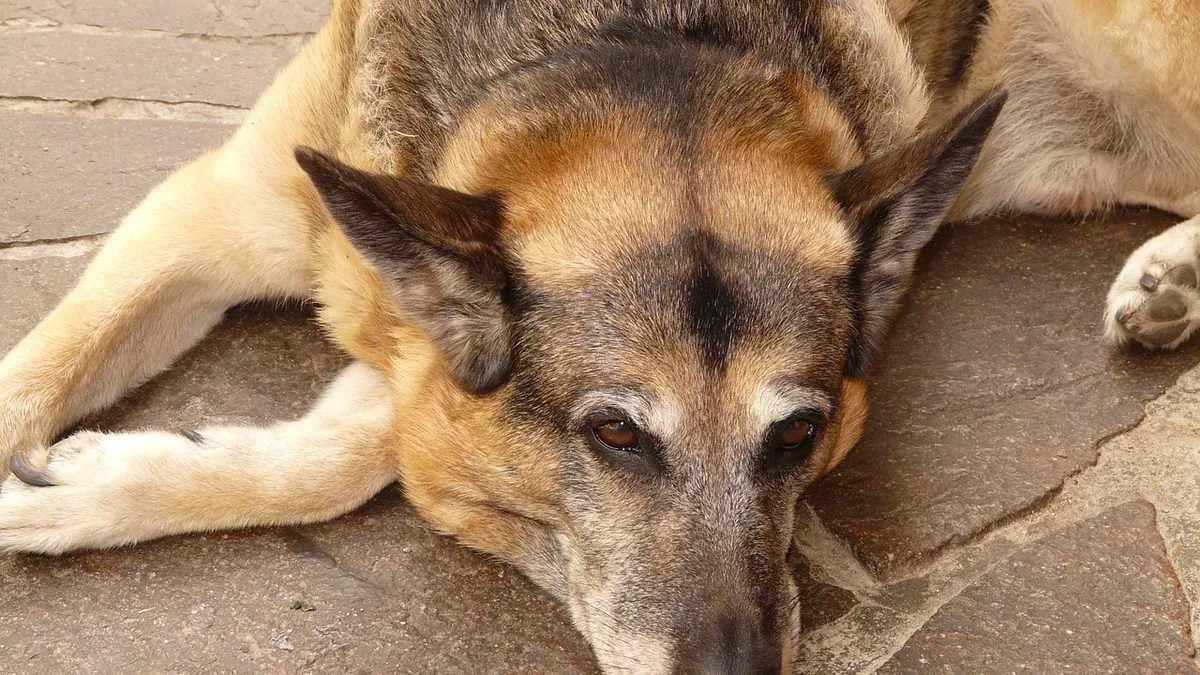
Hydrogen peroxide for dogs' itchy skin is not a good choice. It can irritate inflamed skin, damage healing tissue, and does nothing to fix the underlying cause of the itch. If your dog is scratching or licking, you need a treatment aimed at the real problem, not a bottle from your bathroom cabinet.
This article is educational and is not a substitute for veterinary diagnosis or treatment.
Quick Answer
- Hydrogen peroxide is an oxidizing antiseptic, not an anti-itch product. It kills cells on contact, including the healthy skin cells your dog needs to heal.
- Veterinarians sometimes use hydrogen peroxide to induce vomiting after a poisoning, but only under direct veterinary guidance and at a calculated dose [1][2].
- Swallowing hydrogen peroxide can cause severe stomach damage. In one reported case, a dog that ingested 10 to 20 mL/kg of 3% peroxide developed gastric necrosis and needed 5 days in the hospital [3].
- Itchy paws and itchy skin almost always have an underlying cause such as allergies, infection, or parasites. That cause needs a diagnosis, not a disinfectant.
- Safe options exist, including veterinarian-recommended medicated shampoos, topical creams, and prescription anti-itch medications [4][5].
What Is Hydrogen Peroxide and What Do Veterinarians Use It For?
Hydrogen peroxide is a clear liquid antiseptic found in most American homes. People use it on countertops and on their own minor cuts. It bubbles on contact, which makes it look like it is working hard. That bubbling is actually a chemical reaction that damages tissue.
In veterinary medicine, hydrogen peroxide has one main use. Veterinarians use it to make a dog vomit after the dog swallows something toxic [1][2]. Even this use comes with strict rules. The dose depends on the dog's weight and the product strength, and it should only happen under veterinary supervision [1][2]. Giving too much, or giving it when it is not needed, can cause serious harm.
Hydrogen peroxide is not a routine skin treatment for dogs. It is not a shampoo, not a paw soak, and not an itch remedy. When owners reach for it, they are usually trying to disinfect scratches or dry out moist skin between the toes. That approach often backfires.
How Hydrogen Peroxide Works on Skin
Hydrogen peroxide releases oxygen when it touches tissue. That oxygen burst kills bacteria, but it also kills skin cells, fibroblasts, and the new tissue that closes a wound. In human medicine, this is a well-known reason peroxide is no longer a first-choice wound cleaner. The same principle applies to your dog.
A 2025 study in dogs looked at topical antiseptic solutions used on surgical wounds [6]. The researchers compared polyhexanide, chlorhexidine, povidone-iodine, and plain saline. They found no significant difference in healing among the groups. What mattered most was keeping the wound surface moist, which supported proper tissue healing [6]. Hydrogen peroxide does the opposite. It dries the skin and strips away the moisture that healing tissue needs.
There is also a comfort problem. Itchy skin is already inflamed and often has tiny breaks in the surface. Peroxide on that skin stings. Your dog may lick the area even more after you apply it, which starts a cycle of irritation, licking, and more irritation.
Hydrogen Peroxide for Dogs' Itchy Paws: Why It Makes Things Worse
Paw licking is one of the most common reasons owners try peroxide. The paws look red, the fur is stained brown, and the skin smells yeasty. It seems logical to disinfect.
Here is the problem. Most itchy paws are not caused by surface germs alone. They are caused by allergies, contact irritants, yeast overgrowth, or bacteria that moved in after the skin barrier broke down. Disinfecting the surface does not touch any of those causes. Meanwhile, the peroxide dries and irritates the paw pads and the skin between the toes, which makes the itch worse.
If your dog is licking paws, the better first step is a veterinary exam. Your veterinarian can check for yeast or bacteria with a simple skin swab, look for foreign material or mats, and decide whether the problem is allergic, infectious, or both. For more on this pattern, see Dog Licking Paws Ointment.
Dosing Basics: Who Decides, How It Is Given, and Missed Doses
There is no safe home dose of hydrogen peroxide for itchy skin or paws. Do not apply it to your dog's skin, and do not give it by mouth unless a veterinarian tells you to.
When a veterinarian does use hydrogen peroxide to induce vomiting, they calculate the amount based on your dog's weight and the concentration of the product [1][2]. They also confirm that vomiting is safe for your dog. It is not safe if your dog swallowed a sharp object, a caustic substance, or a petroleum product, or if your dog is already weak or unstable.
If your veterinarian prescribes a different treatment for itching, follow the label exactly. Most topical products are applied once or twice daily to clean, dry skin. If you miss a dose, apply it when you remember unless it is almost time for the next one. Do not double up. If you are unsure, call your veterinary clinic and ask.
Never use a human product on your dog without asking your veterinarian first. Many human creams and sprays contain ingredients that are toxic to dogs when licked off.
Side Effects of Hydrogen Peroxide on Dogs
| Side effect | How common or serious | What to do |
|---|---|---|
| Stinging and redness on contact | Common with topical use | Stop using it. Rinse the area with plain water or saline. |
| Dry, flaky, cracked skin | Common with repeated use | Stop using it. Ask your veterinarian about a moisturizing or medicated product. |
| Increased licking and scratching | Common after application | Stop using it. The product is adding to the irritation. |
| Vomiting, drooling, retching | Common when given by mouth | This is expected if a veterinarian induced vomiting. If you gave it on your own, call your veterinarian or a poison control line now. |
| Bloody vomit, bloated belly, pain | Serious | This is an emergency. Seek veterinary care right away. |
| Severe stomach damage (gastric necrosis) | Rare but serious | In a reported case, a dog that swallowed 10 to 20 mL/kg of 3% peroxide developed severe gastric mucosal necrosis and needed 5 days of hospitalization [3]. |
The pattern is clear. The mild side effects show up on the skin you were trying to help. The serious side effects happen when peroxide is swallowed in a large amount or at the wrong time.
Who Should Not Take Hydrogen Peroxide, and What Interacts With It
No dog should receive hydrogen peroxide on itchy skin or paws. That includes dogs with hot spots, paw licking, allergic skin disease, and minor scrapes.
Extra caution is needed for:
- Dogs with open wounds or surgical incisions. Peroxide damages the new tissue trying to close the wound.
- Dogs with deep or puncture wounds, including bite wounds. These need professional cleaning and often debridement, not a surface rinse [7].
- Dogs with known allergies or sensitive skin. Peroxide adds irritation on top of inflammation. For background, see Sensitive Skin Treatment For Dogs.
- Dogs that are already vomiting, weak, or unstable. Inducing vomiting in these dogs can cause more harm than good [1][2].
There is no meaningful drug interaction list for topical peroxide on dog skin, because it should not be used that way. The bigger risk is combining it with other home remedies, which can dry the skin further or cause chemical irritation.
Overdose and When to Call a Veterinarian or Poison Control
If your dog licked a small amount of diluted peroxide off its paw, rinse the paw with water and watch for drooling, vomiting, or stomach pain. Call your veterinarian for advice.
If your dog swallowed a larger amount, especially a household 3% bottle, treat it as an emergency. Signs to watch for include repeated vomiting, vomiting blood, a swollen or painful belly, weakness, and trouble breathing. In the reported case, a dog that ingested 10 to 20 mL/kg of 3% peroxide arrived obtunded and tachypneic with severe gastric tympany, and imaging showed gas in the abdomen, stomach wall, and liver veins [3]. That dog survived with supportive care, oxygen, and 5 days in the hospital, but the damage was severe [3].
Call your veterinarian or an animal poison control service right away if you suspect a significant ingestion. Have the bottle with you so you can read the concentration and estimate how much your dog swallowed.
Better Options for Itchy Skin and Paws
The right treatment depends on the cause. Your veterinarian will examine your dog, check the skin, and may run simple tests for yeast, bacteria, or mites. From there, options may include:
- Medicated shampoos or sprays chosen for your dog's specific skin problem.
- Topical creams designed for dogs. A 2026 clinical trial found that a cream containing essential oils, zinc, and salicylic acid reduced itching and skin lesion scores in dogs with chronic noninfectious itching [4].
- Prescription anti-itch medication. A 2026 study found that combining lokivetmab with a topical triamcinolone spray reduced itch and lesion scores more than lokivetmab alone in dogs with atopic dermatitis [5].
- Antiseptic products proven safe for dog skin, such as chlorhexidine, polyhexanide, or hypochlorous acid, used under veterinary direction [8][7].
- Ozonated water, which has shown antiseptic activity on dog skin in research settings [9].
For a broader look at the pattern of itching across the body, see Dog Itchy Skin Ears And Paws and Dog Itchy Ears And Paws Treatment.
Limitations and When to Contact a Veterinarian
This article covers general information only. Your dog's case needs a veterinarian who can examine the skin, ask about diet and environment, and choose a treatment that fits.
Contact your veterinarian the same day if:
- Your dog has been licking or chewing one area for more than a day or two.
- The skin is red, moist, or has a bad smell.
- You see hair loss, scabs, or dark thickened skin.
- Your dog is scratching at night or waking up to scratch.
Go to an emergency clinic now if:
- Your dog swallowed hydrogen peroxide and is vomiting repeatedly or vomiting blood.
- Your dog's belly looks swollen or feels painful.
- Your dog is weak, wobbly, or breathing fast.
- Your dog has a deep wound, a bite wound, or a wound that will not stop bleeding.
Schedule a routine visit if the itching is mild but keeps coming back. Chronic itching usually has a cause that can be managed once it is identified.
Frequently Asked Questions
Can I put hydrogen peroxide on my dog's itchy skin?
No. Hydrogen peroxide irritates inflamed skin and damages the cells needed for healing. It also does not treat the allergy, infection, or parasite that is causing the itch. Use a product made for dogs and approved by your veterinarian.
Is hydrogen peroxide safe for dog paws?
It is not safe for routine use on paws. It dries the skin and can make licking worse. If your dog has a minor cut on a paw pad, rinse it with plain saline and call your veterinarian for guidance.
What should I use instead of hydrogen peroxide for itching?
Your veterinarian may recommend a medicated shampoo, a dog-safe topical cream, or a prescription anti-itch medication. A clinical trial found that a cream with essential oils, zinc, and salicylic acid reduced itching in dogs with chronic noninfectious pruritus [4]. Ask your veterinarian which option fits your dog.
Can hydrogen peroxide make my dog vomit?
Yes, it can, and that is the one medical use veterinarians still consider. It should only be given under direct veterinary supervision at a calculated dose [1][2]. Giving it on your own can cause severe stomach damage [3].
When should I call a veterinarian about my dog's itching?
Call if the itching lasts more than a couple of days, if the skin looks red or infected, or if your dog is losing sleep. Call right away if your dog swallowed hydrogen peroxide or has a swollen, painful belly. Early treatment is easier and safer than waiting.
Related Articles
- Dog Itchy Skin Ears And Paws
- Dog Itchy Ears Paws
- Dog Itchy Ears And Paws Treatment
- Dog Licking Paws Ointment
- Sensitive Skin Treatment For Dogs
- Dog Diarrhea Home Remedy Hydrogen Peroxide
- Hydrogen Peroxide for Dog Wounds and Paws: Safe Use
- Hydrogen Peroxide for Dogs: Safe Dose and Uses
- Dog Itchy Paws: Causes and How to Stop the Itching
References
- Is Hydrogen Peroxide Harmful to Dogs. Pet Poison Helpline.
- Is Peroxide Safe for Dogs. Pet Poison Helpline.
- Medical management of pneumoperitoneum, gastric pneumatosis, and hepatic venous gas secondary to 3% hydrogen peroxide toxicity in a dog. Journal of veterinary emergency and critical care (San Antonio, Tex. : 2001), 2024.
- Topical cream with essential oils, zinc and salicylic acid reduces pruritus and skin lesion scores in pruritic dogs. Australian veterinary journal, 2026.
- Comparative Efficacy and Safety of Adjunctive 0.015% Triamcinolone Acetonide Topical Spray With Lokivetmab Versus Lokivetmab Monotherapy as 'Reactive Therapy' for Canine Atopic Dermatitis: A Randomised, Single-Blinded, Controlled Preliminary Trial. Veterinary dermatology, 2026.
- The use of topical antiseptic solutions in the healing process of post-surgical skin wounds in dogs (Canis lupus familiaris). Acta cirurgica brasileira, 2025.
- Dog- to- dog bite wound management - Comparison of the antiseptic efficacy of polyhexanide and hypochlorous acid with regard to reducing the use of antibiotics: A randomized clinical trial. Veterinary journal (London, England : 1997), 2026.
- Comparative evaluation of chlorhexidine gluconate with alcohol and polyhexamethylene biguanide with Tris-EDTA as antiseptic solutions for pre-operative skin preparation in dogs. Veterinary world, 2024.
- Evaluation of the Preoperative Antiseptic Efficacy of Ozone on Dog Skin in Comparison with Traditional Methods. Veterinary sciences, 2025.