What Can I Give My Dog for Mosquito and Bug Bites?
By Dr. Zubair Khalid, DVM, MS, PhD ·
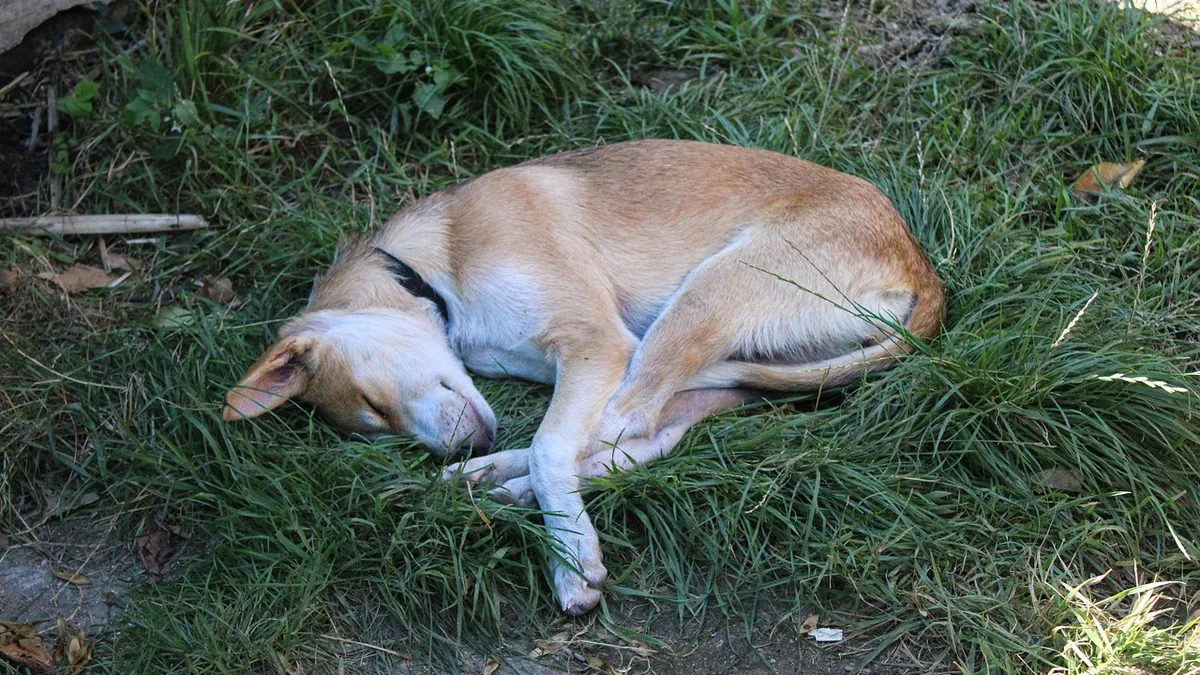
Mosquito and bug bites on dogs usually cause mild, itchy bumps that you can soothe at home with a cool compress and a vet-approved antihistamine. The bigger concern is not the itch itself but what the bite can transmit, especially heartworm. If you are asking what can I give my dog for mosquito bites, the short answer is: treat the itch gently and call your veterinarian before giving any medication.
This article is educational and is not a substitute for veterinary diagnosis or treatment.
Quick Answer
- Most mosquito and bug bites on dogs cause small red bumps, itching, and mild swelling that settle in a few days.
- A cool compress and keeping your dog from scratching are the safest first steps.
- Never use human insect repellent, DEET, or permethrin products made for people on your dog.
- Do not give any human antihistamine or pain reliever without a veterinarian's dose, because the dose depends on your dog's weight and health.
- Mosquitoes spread heartworm, so year-round prevention matters more than treating the bite.
What Dog Bug Bites Look Like and What Is Normal
A bug bite on a dog usually shows up as a small raised red bump, often on the belly, muzzle, ears, or other thinly haired areas. Your dog may lick, chew, or scratch at the spot. Mild swelling around a single bite is common and often fades within a day or two.
Some dogs get a cluster of bites, especially after time outdoors at dusk. The skin may look pink and irritated, and your dog may seem restless or itchy. A small amount of hair loss around a scratched bite is possible.
What is not normal is rapid, spreading swelling, hives across the body, vomiting, or trouble breathing. Those point to an allergic reaction, not a simple bite. A study of people logging mosquito bites found an average exposure of about 0.62 bites per person per day, with most bites happening outdoors [1]. Dogs face the same outdoor exposure, and their coats only partly protect them.
Main Causes of Bug Bites and Stings in Dogs
Different insects leave different clues. The table below can help you and your veterinarian sort out what bit your dog. This is a guide, not a diagnosis.
| Cause | Typical clues | How urgent |
|---|---|---|
| Mosquitoes | Small itchy red bumps, often on the belly or muzzle, bites cluster at dawn and dusk | Usually mild, but heartworm risk makes prevention essential |
| Fleas | Intense itching near the tail base, small dark specks in the coat | Treat promptly, infestations spread fast |
| Ticks | A attached bump or a small wound after removal | Remove promptly, tick-borne disease risk |
| Bees and wasps | Sudden yelp, swelling at the site, possible hives | Can become an emergency, watch closely |
| Scorpions | Puncture wound, drooling, collapse, muscle spasms | Emergency, seek care right away |
Wasp and bee stings deserve special attention. A single wasp sting in one dog led to hemolytic anemia, a breakdown of red blood cells, with hemoglobin in the urine about four hours later, and the dog recovered after glucocorticoids and intravenous fluids [2]. That is a rare outcome, but it shows why a sting is not always a minor event.
Scorpion stings are uncommon in most of the United States, but where they happen they can be severe. One dog stung by a black fat tailed scorpion developed difficulty breathing, heavy drooling, collapse, muscle spasms, and abnormal eye movements, and needed intensive treatment including antihistamines, fluids, and medications to relax the muscles [3]. If you see a scorpion sting, treat it as an emergency.
Allergic reactions to insect bites and stings range from mild hives to full anaphylaxis. Veterinary guidelines for acute allergy and anaphylaxis in dogs and cats exist to help clinicians choose treatment, and they note that evidence in this area still has gaps [4]. That is one reason home treatment should stay simple and your veterinarian should guide anything stronger.
If your dog's itching is part of a broader allergy problem instead of a single bite, see What Natural Remedy Can I Give My Dog For Allergies.
Dog Mosquito Bite Treatment: Red Flags That Mean Emergency
Call an emergency veterinary clinic right away if you see any of these after a bite or sting:
- Swelling of the face, muzzle, eyelids, or throat
- Hives or welts spreading over the body
- Vomiting, diarrhea, or drooling that starts suddenly
- Trouble breathing, noisy breathing, or a change in bark
- Weakness, collapse, or inability to stand
- Muscle twitching, spasms, or seizures
- Red, brown, or dark urine after a sting
- A bite or sting in or near the mouth or throat
Anaphylaxis can progress quickly. The sooner your dog is seen, the better the outcome. If your dog has a seizure, keep them safe from falls and call your veterinarian, and see What Can I Do For Dog Seizures for step-by-step first aid.
Safe Things You Can Do at Home While You Wait
Home care for dog bug bite relief focuses on comfort and preventing self-trauma. None of these steps replace a veterinary exam if your dog looks unwell.
Cool the area
Wrap an ice pack or a bag of frozen vegetables in a thin towel and hold it against the bite for a few minutes at a time. This can reduce swelling and numb the itch. Never put ice directly on the skin.
Clean gently
Wash the area with plain water or a mild pet-safe cleanser. Pat dry. Do not scrub or apply alcohol, hydrogen peroxide, or human antiseptics that sting.
Stop the scratching
An Elizabethan collar or a light t-shirt can keep your dog from chewing a bite raw. Trim nails if your dog will let you. Broken skin from scratching is the most common way a simple bite turns into a skin infection.
Ask before any medication
Over-the-counter antihistamines like diphenhydramine are sometimes used in dogs, but the dose depends on your dog's weight, other medications, and health conditions. Your veterinarian calculates the dose for your pet. Never guess, and never use a combination product that also contains a decongestant or pain reliever. If your dog is hard to medicate, see How to Give Your Dog a Pill When They Bite or Snap.
What not to use
Do not apply human insect repellent to your dog. DEET, the active ingredient in many human repellents, is toxic to dogs when licked or absorbed. Permethrin products labeled for people can also cause serious neurologic signs in dogs, especially cats in the household. Keep your dog away from citronella candles, essential oil diffusers, and topical products not labeled for dogs.
What Your Veterinarian Will Check and Test
Your veterinarian will start with a full physical exam, including the skin, gums, heart rate, breathing, and temperature. They will ask when the bite happened, what you saw, and whether your dog has had reactions before.
For a mild bite, the exam may be all that is needed. For a more serious reaction, your veterinarian may recommend:
- Blood work to check red blood cells, white blood cells, and organ values
- A urinalysis, especially if the urine looks dark after a sting
- Skin testing or scraping if infection or parasites are suspected
- Heartworm testing and prevention planning, since mosquitoes transmit heartworm
Treatment depends on what is found. Mild cases may need only a topical or oral medication chosen by your veterinarian. More serious allergic reactions may need injectable medications, fluids, or hospitalization. The dose and choice of drug are always set by your veterinarian based on your dog's weight and condition.
Prevention and Monitoring
Prevention does more for your dog than treating bites after they happen. Mosquitoes are the vector for heartworm, a parasite that can cause serious heart and lung disease. Year-round heartworm prevention, prescribed by your veterinarian, is the single most important step. If you are behind on prevention or missed doses, ask your veterinarian about testing.
Other steps that help:
- Avoid outdoor time at dawn and dusk when mosquitoes are most active
- Use a veterinarian-approved dog repellent, never a human product
- Keep flea and tick prevention current, since those bites cause their own problems. See Flea And Tick For Dogs and Flea And Tick Meds For Dogs.
- Check your dog's skin after hikes, camping, or time in tall grass
- Watch a bite for 24 to 48 hours. If it grows, oozes, or smells bad, call your veterinarian.
Dogs with atopic dermatitis may scratch bites more intensely and heal slower. Nutrition and skin support can play a role in managing that itch, and one randomized trial in dogs with atopic dermatitis tested a lymph food enriched with whey protein, vitamins, minerals, and antioxidants alongside standard care [5]. Ask your veterinarian whether diet changes make sense for your dog.
Limitations and When to Contact a Veterinarian
This article covers general information only. Individual cases need a veterinarian, because the same bite can be minor in one dog and serious in another.
Contact your veterinarian the same day if:
- The swelling is getting bigger instead of smaller
- Your dog is scratching the bite raw or bleeding
- The bite looks infected (pus, bad smell, hot skin)
- Your dog seems painful or is limping
- You are unsure what bit your dog
Go to an emergency clinic now if:
- Your dog has facial swelling, hives, or trouble breathing
- Your dog collapsed, is weak, or cannot stand
- Your dog is vomiting, drooling heavily, or having muscle spasms
- Your dog's urine is dark or red after a sting
- Your dog had a seizure
Schedule a routine visit if:
- You need a heartworm test or want to start prevention
- Your dog gets bites often and you want a prevention plan
- Your dog's itching never fully resolves
Frequently Asked Questions
Can I put hydrocortisone cream on my dog's bug bite?
Only if your veterinarian approves a product labeled for dogs. Human hydrocortisone creams can be licked off and swallowed, and some contain ingredients that are not safe for dogs. Your veterinarian can recommend a pet-safe topical and tell you how often to apply it.
Is Benadryl safe for dog mosquito bites?
Diphenhydramine is sometimes used in dogs, but the dose must be calculated by your veterinarian based on your dog's weight and health. Never use a combination product that contains a decongestant or pain reliever. Call your veterinarian before giving any human medication.
How long do mosquito bites last on a dog?
Most mild bites fade within a few days if your dog leaves them alone. If a bite is still swollen, hot, or growing after 48 hours, have your veterinarian look at it. Persistent itching can also point to an underlying allergy.
Can mosquito bites make my dog sick?
Yes, mosquitoes transmit heartworm, which can cause serious disease in the heart and lungs. The bite itself is usually minor, but the parasite risk is real. Year-round prevention prescribed by your veterinarian is the best protection.
Should I worry about a single wasp or bee sting?
Usually a single sting causes local pain and swelling that improves over a day or two. Rarely, a sting can trigger a severe reaction or red blood cell breakdown, so watch for hives, breathing changes, collapse, or dark urine and seek care right away if you see them.
Related Articles
- How to Give Your Dog a Pill When They Bite or Snap
- What Natural Remedy Can I Give My Dog For Allergies
- Flea And Tick For Dogs
- What Can I Do For Dog Seizures
- Flea And Tick Meds For Dogs
- What Can You Give A Senior Dog For Arthritis
- Dog Allergic to Mosquito and Insect Bites: Relief Guide
- What Can I Give My Dog for Itching and Allergies?
- What Can I Give My Dog for Allergies? Safe Options
References
- From Bites to Bytes: Evaluating User Engagement and Mosquito Bite Exposure Patterns with the Bite Diary Smartphone Application. The American journal of tropical medicine and hygiene, 2025.
- Mastoparan as a Potential Cause of Hemolytic Anemia Due to a Suspected Single Wasp Sting in a Dog. Journal of veterinary emergency and critical care (San Antonio, Tex. : 2001), 2026.
- Clinical manifestations and management of Androctonus bicolor envenomation in a dog: A previously undescribed clinical case. Toxicon : official journal of the International Society on Toxinology, 2026.
- RECOVER Guidelines: First Aid. Evidence, Treatment Recommendations, Knowledge Gap Analysis, and Clinical Guidelines for Acute Allergy and Anaphylaxis in Dogs and Cats. Journal of veterinary emergency and critical care (San Antonio, Tex. : 2001), 2026.
- Lymph food to improve canine atopic dermatitis: a randomized, double-blinded, controlled trial in dogs with standard-care treatment. Frontiers in veterinary science, 2025.