Why Is My Dog's Ear Oozing Fluid? Causes and What to Do
By Dr. Zubair Khalid, DVM, MS, PhD ·
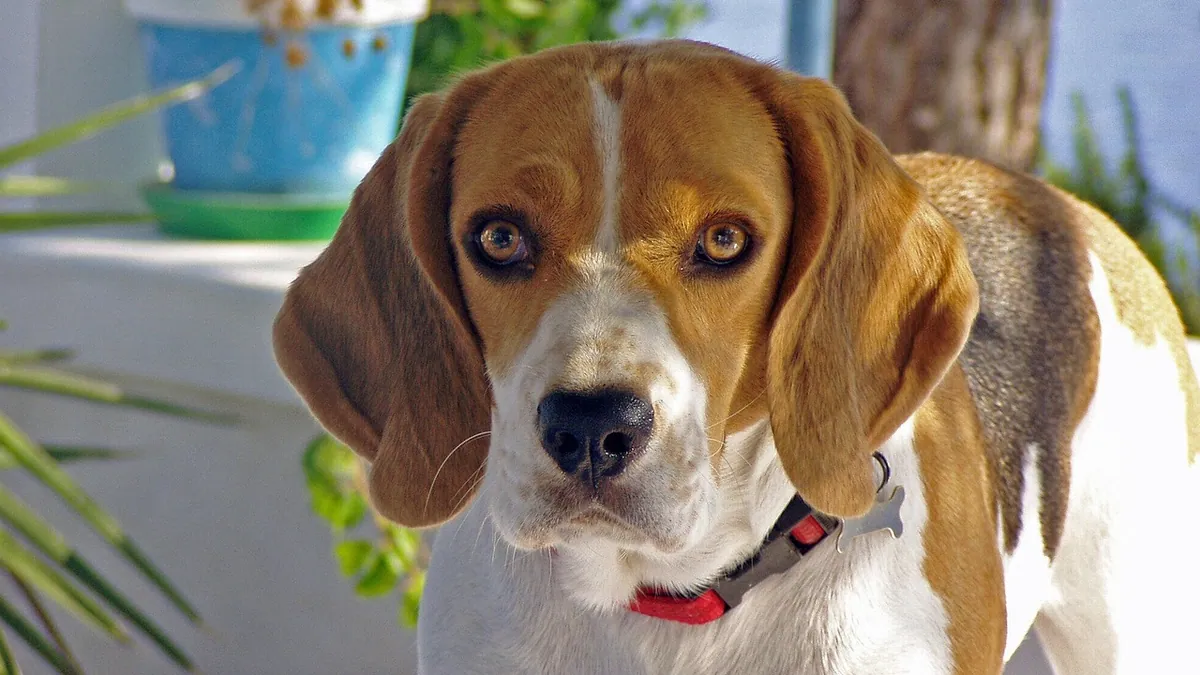
If your dog's ear is oozing, the most likely cause is otitis externa, an inflammation of the outer ear canal that often involves bacteria, yeast, or both. Other possibilities include ear mites, allergies, a foreign object, or a growth in the canal. The color and smell of the fluid, plus how your dog acts, can help you judge how quickly to get help.
This article is educational and is not a substitute for veterinary diagnosis or treatment.
Quick Answer
- A small amount of light brown wax is normal. Fluid that drips, stains the fur, smells bad, or comes with head shaking is not.
- Otitis externa is the most common reason for dog ear oozing, and signs include discharge, redness, swelling, odor, scratching, and head shaking [1].
- Clear fluid can still mean infection or allergy, so color alone does not tell you how serious it is.
- Do not pour home remedies, hydrogen peroxide, or human ear drops into the canal. You can gently wipe the outer flap with a soft cloth while you wait for your appointment.
- See a vet if the oozing lasts more than a day or two, smells foul, or comes with pain, head tilt, or balance problems.
What Dog Ear Oozing Looks Like and What Is Normal
A healthy ear canal produces a little wax. It is usually pale yellow to light brown, slightly waxy, and nearly odorless. You might see a thin film inside the flap, and that is fine.
Oozing is different. It is fluid that keeps coming back, runs down the ear flap, mats the hair below the ear, or leaves a stain on your dog's bedding. It may be clear, cloudy, yellow, green, brown, or bloody. It often has a smell.
Watch for these signs along with the fluid:
- Head shaking or tilting
- Scratching at the ear or rubbing it on the floor
- Redness or swelling of the flap and canal
- Pain when you touch the ear
- Scaly or crusty skin around the ear
- Foul odor
These are the classic signs of otitis externa, and one or both ears can be affected [1]. Signs can appear suddenly or build up slowly over weeks [1].
Main Causes of Dog Ear Oozing
Otitis Externa (Outer Ear Infection)
This is the top cause of dog ear discharge. The canal becomes inflamed, and that inflammation produces fluid. Bacteria, yeast, allergies, parasites, or objects stuck in the canal can all trigger it [1].
Bacterial involvement is common. One analysis of samples from dogs with otitis externa found Staphylococcus pseudintermedius in 41% of cases, Staphylococcus aureus in 23%, and Pseudomonas aeruginosa in 19% [2]. Pseudomonas is linked to the highest recurrence rate, and many of those cases were resistant to common antibiotics [2]. Other Staphylococcus species, including S. schleiferi, also show up in these infections [3].
That resistance pattern is why your vet may want to test the discharge instead of guessing. It also explains why some ear infections keep coming back.
Ear Mites
Mites are tiny parasites that live in the ear canal. They cause intense itching, and the discharge is often dark and crumbly, like coffee grounds. Mites are a direct cause of otitis externa [1]. They spread easily between dogs, so other pets in the home may need treatment too.
Allergies
Allergies are a leading underlying cause of ear problems in dogs. When allergies inflame the ear canal, the environment inside changes and infections follow. Allergic dogs tend to have less diverse ear bacteria, and inflammation makes that worse [4]. If your dog also chews its paws or scratches its body, allergies may be the root issue. See Dog Itchy Ears Why for more on that pattern.
Foreign Objects and Growths
Grass awns, foxtails, dirt, and other debris can lodge in the canal and cause irritation, fluid, and infection [1]. Polyps or tumors can do the same. Your vet can often spot these with an otoscope [1].
Middle and Inner Ear Involvement
If an outer ear infection goes untreated, it can spread to the middle ear. Otitis media usually comes from infection moving inward from the external canal, or from a foreign object that tears the eardrum [5]. Rarely, infection spreads through the bloodstream [5].
Middle ear infections cause the same signs as outer ear infections, plus pain and discharge [5]. Recurrent outer ear infections suggest the middle ear may be involved [5]. If it reaches the inner ear, you may see a head tilt, trouble walking, or uncontrolled eye movements [5]. Facial paralysis on the same side as the affected ear is also possible because facial nerves pass through the middle ear [5].
Skin Conditions Affecting the Ear Flap
Some skin diseases affect the ear flap and the rest of the body at the same time [6]. One example is canine juvenile cellulitis, an uncommon condition in puppies 3 weeks to 4 months old. It causes pus-filled, raised, inflamed areas on the face and ears, often with swollen lymph nodes under the jaw [6]. Golden Retrievers, Gordon Setters, and Dachshunds seem more at risk [6]. Affected puppies may stop eating, act sluggish, or run a fever [6]. Early treatment with anti-inflammatory medication helps prevent scarring [6]. Any lump on a young puppy's face or ears needs a vet visit [6].
Cause Table
| Cause | Typical clues | How urgent |
|---|---|---|
| Otitis externa (bacterial or yeast) | Bad smell, yellow or brown discharge, redness, head shaking | See a vet within a day or two |
| Ear mites | Dark crumbly debris, intense itching, other pets affected | See a vet soon, usually not an emergency |
| Allergies | Both ears, paw chewing, seasonal or year-round itching | Routine visit, but treat early |
| Foreign object | Sudden onset, one ear, pawing at the ear, pain | Same-day visit |
| Middle or inner ear infection | Head tilt, balance loss, facial droop, eye movements | Emergency or same-day |
| Juvenile cellulitis | Puppy 3 weeks to 4 months, pus-filled bumps on face and ears | Same-day visit |
Red Flags That Make It an Emergency
Most ear oozing is not life threatening on its own, but some signs mean you should go now.
- Sudden severe pain, yelping when the ear is touched
- A head tilt that will not go away
- Loss of balance, falling, or trouble rising and walking
- Uncontrollable eye movements
- Drooping of the face, eyelid, or lip on one side
- Not eating, lethargy, or fever
- Bleeding from the ear that will not stop
- Swelling that closes the ear canal
The balance and facial signs point to inner ear or deeper involvement, which can progress to neurological problems if infection spreads to the brain [5]. Do not wait these out.
Safe Things You Can Do at Home While Waiting
You cannot cure an ear infection at home, but you can keep your dog comfortable and avoid making things worse.
- Do not put anything in the ear canal unless your vet prescribed it. Home remedies and human ear drops can damage the eardrum or trap debris.
- Wipe the outer flap only. Use a soft cloth or cotton ball dampened with plain warm water. Never push a cotton swab into the canal.
- Keep the ear dry. Avoid swimming and baths that let water run into the ears until your vet clears your dog.
- Use an Elizabethan collar if your dog scratches hard enough to break the skin.
- Ask your vet before giving any pain medication. Some human pain relievers are toxic to dogs, and the dose depends on your dog's weight and health.
- Note what you see. Write down the color, smell, and amount of the fluid, plus when signs started. This helps your vet.
If your dog is vomiting or seems generally unwell along with the ear problem, see Dog Vomiting Clear Liquid: Causes and When to Worry.
What the Veterinarian Will Check and Test
Your vet will start with questions about your dog's history, including past ear infections and skin problems [6]. Tell them about any previous episodes, because that changes the plan [6].
Next comes a physical exam and a close look at the ear with an otoscope, a special scope for the canal [1]. This lets the vet find foreign objects, built-up debris, parasites, and damage to the eardrum [1]. If the ear is very painful or blocked, sedation or anesthesia may be needed for a full exam [1].
Your vet will likely take a sample of the discharge. Samples go under the microscope or to a lab for culture to identify bacteria and yeast [1]. That step matters because resistance is common, especially with Pseudomonas [2].
Imaging may be used if the middle ear is a concern. CT has become a standard tool for assessing middle ear disease, and it shows ear canal changes that otoscopy can miss [7]. One study found CT had a sensitivity of 98.2% for diagnosing otitis externa compared with otoscopy, though specificity was lower [7].
Treatment depends on what is found. Your vet will choose medications and calculate doses based on your dog's weight, the organisms involved, and whether the eardrum is intact. Never reuse leftover ear medication from a past infection, because the cause may be different this time.
Probiotic-based ear drops are being studied for a type of non-infected inflammatory ear problem in dogs, and early results look at symptom scores over 28 days [4]. This is not a substitute for treating a diagnosed infection, and your vet will decide if it fits your dog's case.
Prevention and Monitoring
You cannot prevent every ear problem, but you can lower the odds and catch issues early.
- Check ears weekly. Look inside the flap and sniff. You will learn what is normal for your dog.
- Dry ears after swimming or bathing. Moisture feeds infection.
- Treat the underlying cause. If allergies are driving the ear problems, managing allergies reduces flare-ups. Identifying and treating every cause is essential, because otherwise the condition often returns [1].
- Finish all medication. Stopping early is a common reason infections come back.
- Keep follow-up appointments. Recurrent outer ear infections can mean the middle ear is involved [5].
- Ask about cleaning. Your vet can show you the right product and method for your dog's ear shape. Some dogs need regular cleaning, and some need none.
If your dog has had ear infections before, say so at every visit [6]. A pattern of recurrence is a clue, not bad luck.
Limitations and When to Contact a Veterinarian
This article cannot tell you what is causing your dog's ear oozing. Only an exam and testing can do that. Individual cases need a veterinarian who can look in the ear, test the discharge, and set a treatment plan for your dog.
Contact your vet the same day if you see:
- Oozing that started suddenly or involves one ear only
- A foul smell, yellow or green discharge, or blood
- Strong pain, yelping, or pawing at the ear
- Swelling that narrows or closes the canal
- Signs that have not improved after 48 hours
Go to an emergency clinic now if you see:
- Head tilt, circling, or loss of balance
- Uncontrolled eye movements
- Facial drooping or an inability to blink
- Collapse, severe lethargy, or trouble breathing
- A puppy under 4 months old with pus-filled bumps on the face or ears [6]
For a routine visit, book an appointment if the oozing is mild, both ears are affected, and your dog is eating and acting normally. Even mild discharge deserves a look, because early treatment is easier than treating a deep infection.
Frequently Asked Questions
What does it mean when my dog's ear is oozing clear fluid?
Clear fluid usually means inflammation in the ear canal, which can come from allergies, early infection, or irritation. It is not automatically harmless, and it can turn into a smelly discharge as bacteria or yeast take over. Have your vet look at it if it lasts more than a day or two.
Is dog ear oozing always an infection?
No. Allergies, ear mites, foreign objects, and growths can all cause fluid without a bacterial infection at first. That said, these problems often lead to infection, which is why an exam and a discharge sample matter. Your vet can tell the difference.
Can I use human ear drops on my dog?
No. Human ear drops are made for human ear anatomy and conditions, and some can harm a dog's eardrum or worsen the problem. Use only products your vet prescribes for your dog. If you have already put something in the ear, tell your vet what it was.
How long does it take for a dog's ear infection to clear up?
It depends on the cause, how deep the infection goes, and whether the right medication is used. Many outer ear infections improve within one to two weeks of correct treatment, but some need longer. Your vet will set a recheck to confirm the infection is gone, not just that the oozing stopped.
Can ear oozing cause permanent damage?
It can if it goes untreated. Outer ear infections can spread to the middle and inner ear, where they can cause balance loss, deafness, and facial paralysis [5]. Early treatment and follow-up exams greatly reduce that risk.
Related Articles
- Dog Ear Infection with Swelling: Causes and Treatment
- Dog Itchy Ears Why
- Dog Vomiting Clear Liquid: Causes and When to Worry
- How To Tell If My Dog Has A Ear Infection
- Can You Tell If Your Dog Has An Ear Infection
- Dog Ear Infection Caused By Food
- Dog Ear Leaking Fluid: Causes of Clear or Yellow Discharge
- Red Dog Ear: Causes, Symptoms, and When to See a Vet
- Dog Skin Oozing Clear Liquid: Causes and What to Do
References
- Ear Infections and Otitis Externa in Dogs - Dog Owners. Merck Veterinary Manual.
- Bacterial Agents and Antimicrobial-Resistance Patterns in Canine Otitis Externa. Animals : an open access journal from MDPI, 2025.
- Microbiology of Otitis externa in dogs reveals wide variation in Staphylococcus species. Veterinaria italiana, 2025.
- Clinical Efficacy of Probiotic-Based Ear Drops Containing Lactobacilli in Canine Erythroceruminous Otitis Externa: An Open Label, Multicentre Study. Veterinary dermatology, 2026.
- Otitis Media and Interna (Middle and Inner Ear Infections) in Dogs - Dog Owners. Merck Veterinary Manual.
- Disorders of the Outer Ear in Dogs - Dog Owners. Merck Veterinary Manual.
- Computed Tomographic Findings in Canine Otitis Externa. Veterinary radiology & ultrasound : the official journal of the American College of Veterinary Radiology and the International Veterinary Radiology Association, 2026.