Dog Ear Infection Caused By Food
By Dr. Zubair Khalid, DVM, MS, PhD ·
Key Takeaways
- Chronic or recurrent otitis externa (outer ear inflammation) in dogs, despite regular cleaning, can be a primary clinical sign of adverse food reactions.
- Immune system overreaction to dietary proteins, such as chicken, beef, or dairy, triggers the release of inflammatory mediators that cause swelling, itching, and increased susceptibility to secondary yeast (Malassezia) or bacterial (Staphylococcus, Pseudomonas) infections within the ear canal.
- The diagnostic gold standard for food-related ear infections is a strict 8-12 week dietary elimination trial using a novel protein or hydrolyzed protein diet, followed by a controlled reintroduction of the original diet to confirm the allergen.
- Concurrent clinical signs of food allergies in dogs may include head shaking, ear scratching, red/swollen/foul-smelling ear canals, discharge, pain on palpation, and other dermatological issues like paw licking or anal gland problems.
- Treatment of active ear infections involves veterinary-prescribed topical or oral antimicrobials and antifungals, potentially alongside short-term anti-inflammatory medications, while long-term management focuses on lifelong avoidance of identified dietary allergens.
- Prevention of recurrence necessitates a tailored, long-term feeding plan, often involving commercially available limited ingredient or hydrolyzed protein diets formulated to meet veterinary nutritional guidelines, and may require a multimodal approach for dogs with co-existing environmental allergies.
If your dog suffers from recurrent ear infections despite regular cleaning, the underlying cause may be their diet. Food allergies and sensitivities are a common, often overlooked trigger for otitis externa (inflammation of the outer ear canal). This article explains the link between food and ear infections, what you can do at home, and how your veterinarian can help. We draw on clinical consensus from the American Veterinary Medical Association (AVMA), the Canadian Veterinary Medical Association (CVMA), and the Australian Veterinary Association (AVA) to provide reliable, up to date advice.
Quick Q&A: Common Questions
Question: Can a food allergy really cause my dog’s ear infection? Answer: Yes. In dogs with adverse food reactions, chronic ear inflammation is one of the most frequent signs. The immune system overreacts to a dietary protein (e.g., chicken, beef, dairy), leading to itchy, red, and infected ears. Treating the infection alone without addressing the diet usually leads to recurrence.
How Food Triggers Ear Infections
The ear canal in dogs is lined with skin similar to the rest of the body. When a dog ingests an allergen (commonly a protein source), the immune system releases inflammatory chemicals such as histamine. This causes the skin inside the ear to become swollen, itchy, and more susceptible to secondary infections by yeast (Malassezia) or bacteria (Staphylococcus, Pseudomonas). The excess wax and moisture created by inflammation create an ideal environment for these microorganisms to overgrow.
Food allergies can develop at any age, even after years of eating the same food. They may occur alongside environmental allergies (atopy). According to the AVMA and AAHA (American Animal Hospital Association), adverse food reactions account for 20 to 30 percent of all canine allergic skin disease cases, and ear involvement is present in over 50 percent of those dogs.
Recognizing the Signs
Dogs with food related ear infections often show:
- Head shaking or tilting
- Scratching at the ears or base of the ears
- Red, swollen, or foul smelling ear canals
- Dark brown or yellow discharge
- Pain when the ears are touched
- Concurrent skin issues: licking paws, anal gland problems, face rubbing
If your dog has these signs consistently or they recur shortly after finishing ear medication, ask your vet about food allergy testing or a dietary elimination trial.
Home Care While You Wait for the Vet
While home management cannot replace veterinary diagnosis, you can take steps to keep your dog comfortable:
- Clean ears gently with a veterinary approved ear cleaner (ask your vet for a product that does not contain harsh astringents or antibiotics unless prescribed). Use a cotton ball, never a cotton swab deep in the canal.
- Apply a cool compress to the outer ear flap to reduce swelling if your dog seems painful.
- Avoid changing the diet abruptly before discussing with your vet, you need a controlled plan for a proper elimination trial.
- Keep the ear dry, wipe away moisture after baths or swimming.
Do not use over the counter ear drops containing steroids or antibiotics without a diagnosis, as they can mask symptoms or promote resistance.
What to Expect at the Veterinarian
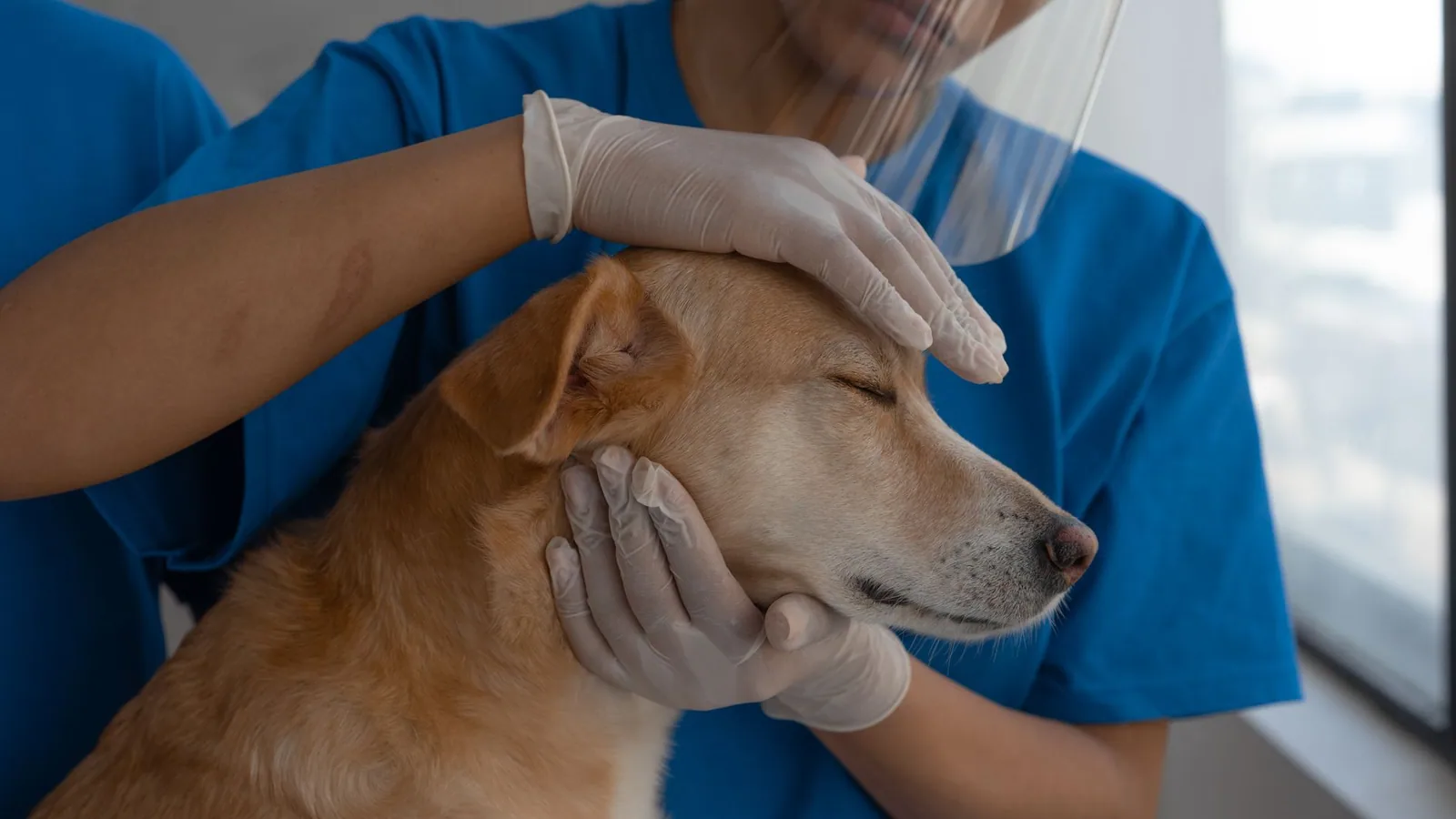
Your vet will start with a thorough history and physical exam, including an otoscopic evaluation of the ear canal and eardrum. They will likely take a swab sample (cytology) to identify whether yeast, bacteria, or both are present. This guides appropriate medication.
If food allergy is suspected, the gold standard diagnostic method, endorsed by the AVA and the European Federation of Veterinarians (FVE), is a dietary elimination trial. This involves feeding a strict, novel protein or hydrolysed protein diet for 8 to 12 weeks. During this time, no other foods, treats, flavoured toys, or supplements are allowed. If ear inflammation resolves, the diagnosis is confirmed, and a controlled challenge with the original diet is done to verify.
Treatment for the active infection may include:
- Topical antifungal or antibacterial ear drops prescribed for 1 to 3 weeks
- Oral antibiotics or antifungals for severe or chronic cases
- Anti inflammatory medication (e.g., corticosteroids) to reduce itching and swelling, only used briefly and under veterinary guidance
Preventing Recurrence through Nutrition
Once the offending food ingredient is identified (e.g., chicken, beef, soy, corn, eggs), the key to prevention is lifelong avoidance. Many commercially available “limited ingredient” or “hydrolysed protein” diets are formulated to meet the AVMA’s nutritional guidelines and are safe for long term feeding. Your vet can recommend a specific brand and formula that is appropriate for your dog’s life stage and health status.
For dogs with both food and environmental allergies, a multimodal approach combining diet, immunotherapy, and occasional medical management offers the best outcome. The CVMA advises pet owners to work closely with their veterinarian to create a personalised plan.
A Note on Spelling and Terminology
Pet care information reaches owners worldwide, so this article uses both US and Commonwealth spellings interchangeably (e.g., diarrhea/diarrhoea, behavior/behaviour). Regardless of region, the core message remains: chronic ear infections that keep coming back may have a dietary root. A careful food elimination trial, followed by a tailored maintenance diet, can resolve ear issues and improve your dog’s overall quality of life.
When to See a Vet Immediately
- If your dog is in obvious pain or has a head tilt that persists
- If you notice facial nerve paralysis (e.g., drooping eyelid, lip)
- If discharge is bloody or the ear canal is swollen shut
Ear issues can become serious quickly, so always consult with your veterinarian before starting any new treatment plan. With proper diagnosis and nutrition management, most food triggered ear infections can be controlled long term.