Dog Ear Infection Without a Vet: What's Safe and What's Not
By Dr. Zubair Khalid, DVM, MS, PhD ·
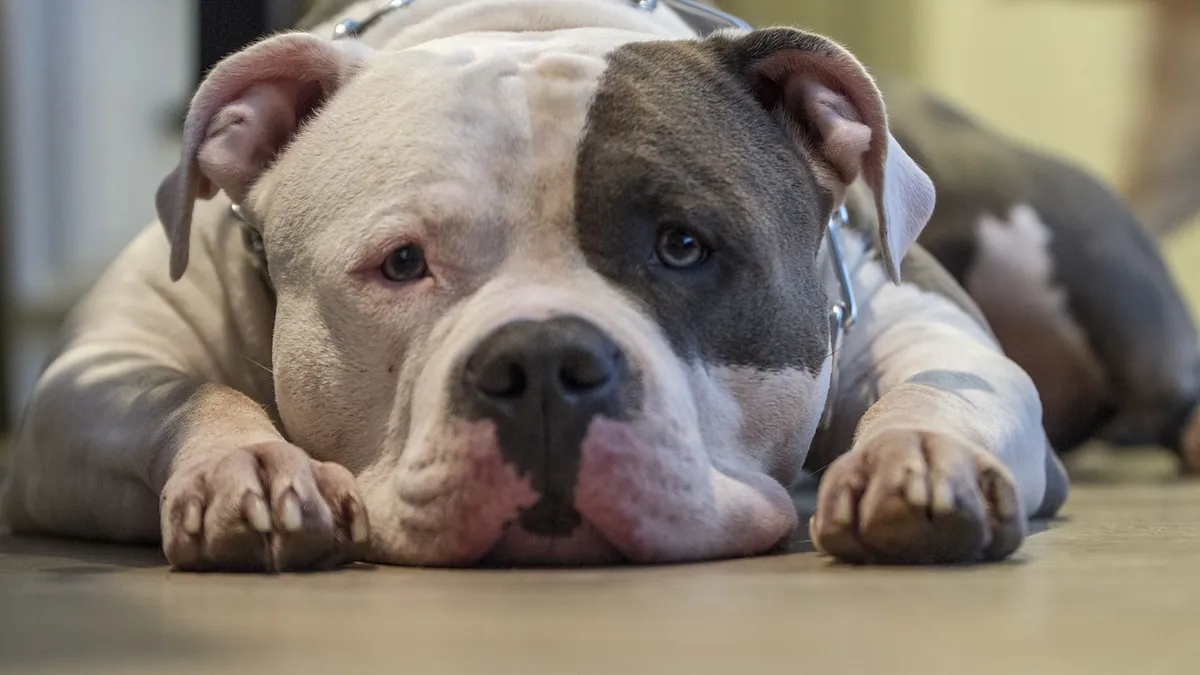
You cannot safely cure most dog ear infections at home. A few supportive steps, like gentle cleaning of the outer ear, may help while you wait for an appointment, but the infection itself almost always needs a veterinarian to diagnose the cause and prescribe the right treatment. Learning how to treat dog ear infection without vet care is mostly about knowing which home steps are safe and which ones can make things worse.
This article is educational and is not a substitute for veterinary diagnosis or treatment.
Quick Answer
- Most ear infections in dogs are caused by bacteria, yeast, parasites, allergies, or a mix of these, and each cause needs a different treatment [1].
- You can safely wipe the visible outer ear with a cotton ball or pad moistened with a vet-approved ear cleaner, but do not push anything into the ear canal [2].
- Never pour hydrogen peroxide, vinegar, alcohol, or human ear drops into your dog's ear, and never use leftover prescription ear medication from a previous infection.
- A vet needs to look inside the ear with an otoscope and often take a sample of discharge to identify bacteria, yeast, or mites before choosing a treatment [1].
- Red flags like head tilt, loss of balance, facial drooping, or severe pain mean you should see a vet the same day, because the infection may have moved into the middle or inner ear [3].
What a Dog Ear Infection Actually Is
The medical term for inflammation of the outer ear canal is otitis externa. It happens when the environment inside the ear canal changes and microbes that normally live there in small numbers overgrow [1]. The canal becomes swollen, painful, and full of debris.
Some infections stay in the outer canal. Others spread deeper into the middle ear (otitis media) or inner ear (otitis interna). Middle ear infection usually starts when an outer ear infection spreads inward or when something like a foreign object tears the eardrum [3]. Inner ear infection can affect balance and hearing [3].
This is why the location and depth of the infection matter so much. A problem in the outer canal and a problem behind the eardrum are not treated the same way.
Signs Owners Notice
Dogs with ear infections often show a fairly consistent set of signs. You may see one or several of these.
- Head shaking or scratching at one or both ears
- Rubbing the ear along the floor or furniture
- Redness or swelling of the ear flap and canal opening
- Discharge that can look dark, waxy, yellow, or pus-like
- A bad smell from the ear
- Pain when you touch the ear or head
- Holding the head tilted toward the affected side [3]
Signs of middle ear infection overlap with outer ear infection, including head shaking, scratching, rubbing, and head turning, and the ear is usually painful and may drain [3]. Recurrent outer ear infections are a clue that a middle ear infection may be present [3].
Deeper problems bring more serious signs. Because nerves to the face pass through the middle ear, a dog with middle ear infection can develop paralysis or weakness of the face, eye, or eyelid on the same side as the bad ear [3]. Inner ear infection typically causes a head tilt toward the affected side and can lead to severe coordination problems, trouble standing and walking, and uncontrolled eye movements [3]. If infection reaches the brain, other neurological signs can appear [3].
Causes and Risk Factors
Ear infections do not have a single cause. Otitis externa can be caused directly by parasites, objects stuck in the ear canal, allergies, bacterial or yeast infection, or middle ear infection [1]. The shape of the ear flap or ear canal can make some dogs more likely to develop it [1].
Identifying every possible cause is essential. Unless each cause is treated, the condition often returns [1].
The Role of Bacteria and Yeast
Bacteria are a major driver of canine ear infections, and resistance to antibiotics is a growing problem. In one analysis of bacterial isolates from dogs with otitis externa, Staphylococcus pseudintermedius made up 41% of cases, Staphylococcus aureus 23%, and Pseudomonas aeruginosa 19% [4]. Pseudomonas aeruginosa had the highest recurrence rate, with 90% of those cases highly resistant to certain beta-lactam antibiotics [4].
Other Staphylococcus species also show up. A study of samples from 24 dogs with otitis externa identified Staphylococcus pseudintermedius, Staphylococcus schleiferi, Staphylococcus simulans, and Staphylococcus haemolyticus [5]. Some of these organisms can pass between dogs and people, which is one more reason to get an accurate diagnosis instead of guessing at treatment [5].
Resistance patterns vary by organism and region. In a large sampling of canine ear swabs, Staphylococcus aureus was actually more common in healthy dogs (20%) than in dogs with otitis (4%), while Staphylococcus schleiferi was more common in otitic samples (7.5% versus 4%) [6]. This kind of detail is impossible to sort out at home.
Why Allergies and Anatomy Matter
Allergies are a leading underlying cause of ear infections, and dogs with allergies tend to have less diverse ear canal bacteria, which lets problem organisms take over [7]. Breeds with narrow or hairy ear canals, or with heavy, floppy ear flaps, trap moisture and debris more easily [1][2].
How Veterinarians Diagnose an Ear Infection
Diagnosis starts with looking. A veterinarian typically examines the ear with a special scope called an otoscope [1]. This exam may require sedation or anesthesia if the ear is painful or blocked [1]. Looking into the canal helps the vet find foreign objects, built-up debris, parasites, and damaged or abnormal eardrums [1].
Vets often take samples of ear discharge during this exam [1]. A smear of discharge on a cotton swab can quickly show whether bacteria, yeast, or parasites are present [1]. Normal ears contain small numbers of harmless microbes that can overgrow when the ear environment changes [1]. A dark discharge often points to yeast or parasites, but it can also appear with bacterial or mixed infections [1]. The vet will also check discharge for ear mite eggs, larvae, or adults [1].
| What the vet checks | Why it matters |
|---|---|
| Otoscope exam of the canal and eardrum | Finds foreign objects, debris, mites, and eardrum damage [1] |
| Discharge smear under the microscope | Shows whether bacteria, yeast, or parasites are present [1] |
| Mite check on discharge | Confirms or rules out ear mites [1] |
| Culture of discharge | Identifies specific bacteria when resistance is a concern [1] |
| Facial nerve and balance assessment | Screens for middle or inner ear involvement [3] |
Treatment Options
Treatment requires finding and correcting underlying causes and relieving pain [1]. Hair around the ear is usually clipped for better cleaning and treatment, and hair inside the canal can be removed under anesthesia when needed [1].
Prescription Ear Medications
Your vet will choose a medication based on what the sample shows. That might be an antibiotic, an antifungal, an antiparasitic, or a combination product. Because resistance patterns are so variable, the choice has to match the organism [4][6].
Some treatments are given at home daily. Others are administered by the vet as a single or two-dose treatment. A review of three randomized controlled trials found that daily at-home cleaning and prescription medication and single or two-dose vet-administered treatments were both effective, with no significant difference in final outcomes [8]. Both approaches reduced itching, pain, and microbe counts with low relapse rates [8].
If your dog has a non-infected, waxy or red ear related to allergies, your vet may discuss other options. A study of probiotic-based ear drops containing lactobacilli in dogs with non-infected erythroceruminous otitis externa found they were used every 48 hours for 28 days, with assessments at day 14 and day 28 [7]. This is a specific product category your vet can advise on, not something to improvise at home.
Ear Cleaning
Ear cleaning is one important part of treatment and needs to happen before certain topical medications are applied [2]. Cleaning lowers debris, bacteria, and yeast inside the ear [2]. When a dog has an infection, excess abnormal debris makes it hard for medication to reach the infection, and microbes can hide in layers of debris and cause reinfection after treatment ends [2]. Some types of discharge, like pus, can even inactivate certain medications [2].
Debris packed deep in the canal can block medication from reaching the area near the eardrum, and it can make it hard or impossible for your vet to check whether the eardrum is intact [2]. To clean, fill the ear canal with ear cleaning solution. If your dog will not tolerate solution going directly into the ear, try saturating cotton pads or balls with the solution instead [2].
For more detail on what you can and cannot do at home, see Dog Ear Infection Home Remedy: What's Safe and What's Not.
Surgery for Chronic Cases
When chronic otitis externa is hard to control with medication alone, some dogs have surgery. A retrospective study of 40 dogs (58 ears) that had lateral ear canal resection at a primary care practice between 2016 and 2025 looked at outcomes with at least 12 months of follow-up [9]. The goal in modern practice is long-term management of a condition that stays manageable, not a permanent cure [9].
If your dog has had multiple infections, ask your vet about the full range of options. You can read more at Dog Ear Infection Treatment From Vet and How Is Dog Ear Infection Treated.
How to Treat Dog Ear Infection Without Vet: What's Actually Safe
This is the part most owners care about, so let's be precise.
Safe Steps
- Wipe the visible outer ear and the folds of the ear flap with a cotton ball or pad moistened with a vet-approved ear cleaner [2].
- If your dog tolerates it, use the cleaner as directed to help loosen debris in the canal [2].
- Keep the ear dry. Dry gently after baths or swimming.
- Prevent scratching injury with an Elizabethan collar if your dog is pawing at the ear.
- Call your vet and book an appointment. That is the single most useful thing you can do.
Not Safe
- Do not use hydrogen peroxide, rubbing alcohol, or vinegar in the ear.
- Do not use human ear drops or leftover prescription ear medicine from a past infection.
- Do not insert cotton swabs, fingers, or tools into the canal.
- Do not use essential oils or herbal drops in the ear.
- Do not assume a bad smell means yeast and treat it accordingly. Dark discharge can also mean bacteria, parasites, or a mixed infection [1].
If you are wondering about natural options specifically, How To Treat Dog Ear Infection covers the treatment process from start to finish.
Recovery, Outlook, and Long-Term Management
Most uncomplicated outer ear infections improve within the treatment course when the right medication is used and the ear is kept clean [2][8]. The bigger challenge is recurrence. Unless every underlying cause is treated, the condition often returns [1].
That means long-term success usually depends on managing the root problem. If allergies are involved, they need ongoing control. If anatomy is the issue, your vet may recommend a maintenance cleaning routine [2]. Dogs prone to ear infections often benefit from regular cleaning as a preventive habit [2].
Keep these habits going:
- Clean ears on the schedule your vet recommends [2]
- Dry ears thoroughly after swimming or bathing
- Keep up with allergy treatment if your dog has allergies
- Finish the full course of any prescribed medication
- Return for rechecks so your vet can confirm the infection has cleared
Prevention
You cannot prevent every ear infection, but you can lower the odds.
- Check your dog's ears weekly for redness, odor, or discharge.
- Clean ears regularly if your dog is prone to infections or has a breed-related ear shape that traps moisture [1][2].
- Dry the ears after water exposure.
- Treat allergies and skin disease consistently, since allergies are a leading cause of ear infections [7].
- Address any foreign object or parasite problem promptly, since these can start an infection on their own [1].
Limitations and When to Contact a Veterinarian
Home care has real limits. You cannot see the eardrum, you cannot identify the organism, and you cannot know whether the infection has spread deeper. Every individual case needs a veterinarian to confirm the diagnosis and choose the right treatment.
Contact your vet the same day if you notice:
- A head tilt or trouble standing or walking [3]
- Drooping of the face, eyelid, or eye on one side [3]
- Uncontrolled eye movements [3]
- Severe pain when the ear or head is touched
- Discharge that is bloody, pus-like, or foul smelling
- No improvement after 2 to 3 days of prescribed treatment
Seek emergency care now if your dog:
- Cannot stand or walk without falling [3]
- Has a seizure or other neurological signs [3]
- Is vomiting, lethargic, or not eating
- Has sudden hearing loss or does not respond to sound
Book a routine visit if your dog:
- Shakes the head or scratches the ear repeatedly
- Has a recurring ear infection
- Has a bad ear odor or visible discharge
- Has been treated before and the signs came back
Frequently Asked Questions
Can I treat my dog's ear infection at home without a vet?
You can safely clean the outer ear and keep it dry, but you cannot cure the infection itself at home. The cause has to be identified with an otoscope exam and often a discharge sample before the right medication can be chosen [1]. Guessing at treatment risks making the infection worse or allowing it to spread deeper [3].
What home remedies are safe for a dog's ear infection?
Only gentle cleaning with a vet-approved ear cleaner is reliably safe. Fill the canal with the solution, or use saturated cotton pads if your dog will not tolerate liquid in the ear [2]. Skip peroxide, vinegar, alcohol, essential oils, and human ear drops, since these can irritate or damage the canal.
How long does a dog ear infection take to clear up?
Most uncomplicated cases improve over the course of the prescribed treatment, which is often measured in days to a few weeks. In one review, daily at-home treatment and vet-administered single or two-dose treatments both reduced itching, pain, and microbe counts with low relapse rates [8]. Your vet will set a recheck to confirm the infection has fully cleared.
Can a dog ear infection go away on its own?
Some mild cases may settle briefly, but ear infections commonly return if the underlying cause is not treated [1]. Recurring outer ear infections can also signal a middle ear infection, which is more serious [3]. Waiting usually makes treatment longer and harder.
What happens if I delay treatment for my dog's ear infection?
Delayed treatment lets the infection spread. Middle ear infection can develop from an untreated outer ear infection or a torn eardrum, and it can progress to inner ear infection with balance loss and deafness [3]. Facial paralysis and neurological signs are possible when deeper structures are involved [3]. Early treatment is simpler and safer.
Related Articles
- Dog Ear Infection Home Remedy: What's Safe and What's Not
- Dog Ear Infection Treatment From Vet
- Dog Ear Infection Treatment At Vet
- How To Treat Dog Ear Infection
- How Is Dog Ear Infection Treated
- What Can I Do For Dog With Ear Infection
- Dog Ear Gel: What It Is, How to Use It, and Safety Tips
- Hydrogen Peroxide for Dog Ears: Safe or Not?
- Dog Ear Lotion: What It's For and How to Use It Safely
References
- Ear Infections and Otitis Externa in Dogs - Dog Owners. Merck Veterinary Manual.
- How to Clean Your Dog’s Ears. Cornell University College of Veterinary Medicine.
- Otitis Media and Interna (Middle and Inner Ear Infections) in Dogs - Dog Owners. Merck Veterinary Manual.
- Bacterial Agents and Antimicrobial-Resistance Patterns in Canine Otitis Externa. Animals : an open access journal from MDPI, 2025.
- Microbiology of Otitis externa in dogs reveals wide variation in Staphylococcus species. Veterinaria italiana, 2025.
- Prevalence and Antimicrobial Resistance of Staphylococcus aureus and Staphylococcus schleiferi Isolated from Dogs with Otitis Externa and Healthy Dogs. Antibiotics (Basel, Switzerland), 2025.
- Clinical Efficacy of Probiotic-Based Ear Drops Containing Lactobacilli in Canine Erythroceruminous Otitis Externa: An Open Label, Multicentre Study. Veterinary dermatology, 2026.
- Comparison of single or two dose veterinarian-administered protocols and daily at-home prescription canine otitis externa treatments. Veterinary evidence, 2026.
- Clinical outcomes of lateral ear canal resection performed in routine clinical practice for chronic otitis externa in dogs: a retrospective descriptive study of 58 ears (2016-2025). The Journal of small animal practice, 2026.